What is the difference between rubber and metal tire valves?
 20Mar
20Mar 

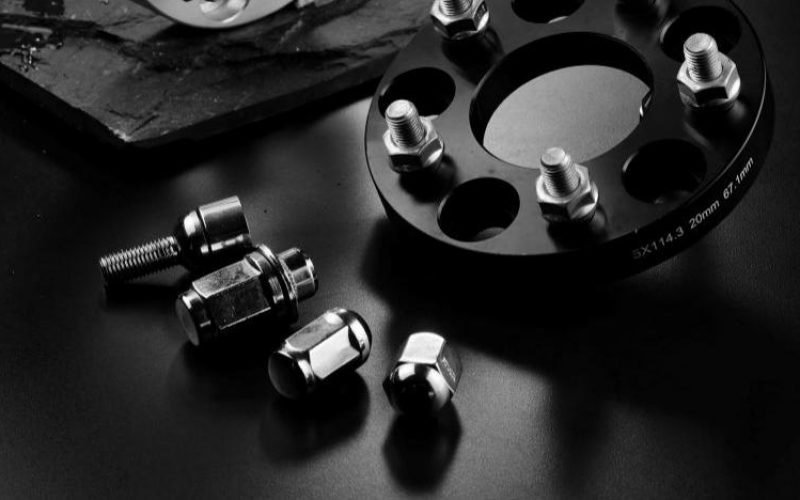
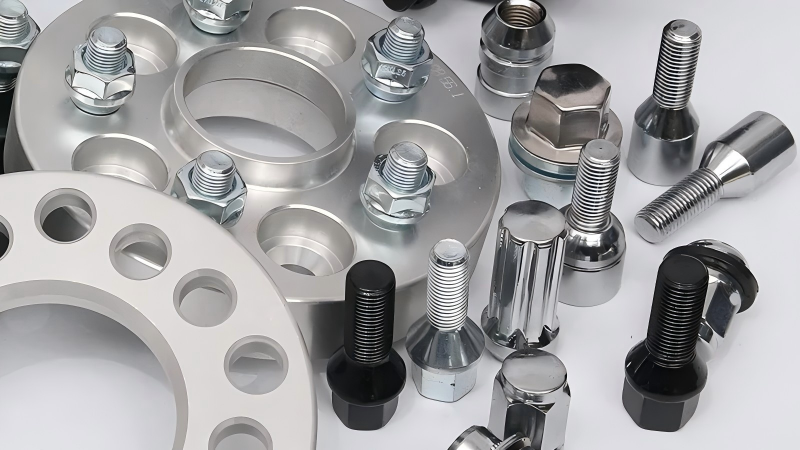
You may not think much about your tire bolts and lug nuts. Your car uses one of two systems. Lug nuts are small fasteners. They screw onto studs that are fixed to your vehicle’s wheel hub and wheel locks. Lug bolts, also called wheel bolts, are long bolts. You pass this single lug piece through the wheel and screw it into the hub.
This simple design choice affects how you change a wheel. It also determines which parts you need, like quality lug components from suppliers such as Ningbo Fortune Auto Parts.
The market for these parts is huge. The custom lug nut market reached USD 1.82 billion in 2024, showing how many people upgrade or replace their wheel hardware.
Let’s explore the key differences between wheel bolts and wheel nuts. Understanding these differences will help you better comprehend your vehicle’s design and perform proper maintenance. Both systems have their advantages and present different challenges.
The nut and stud system uses a two-part design. Studs are permanently pressed into the vehicle’s wheel hub, protruding outwards. You hook the wheel onto these studs and then tighten the nuts to secure the wheel. This design offers the distinct advantages of a nut system. The studs hold the wheel in place, simplifying the positioning process when changing tires. This is one of the main differences between it and a bolt system.
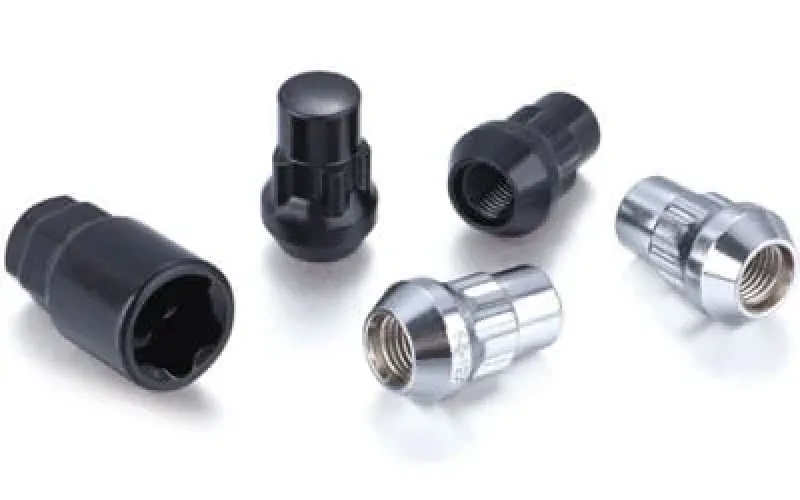
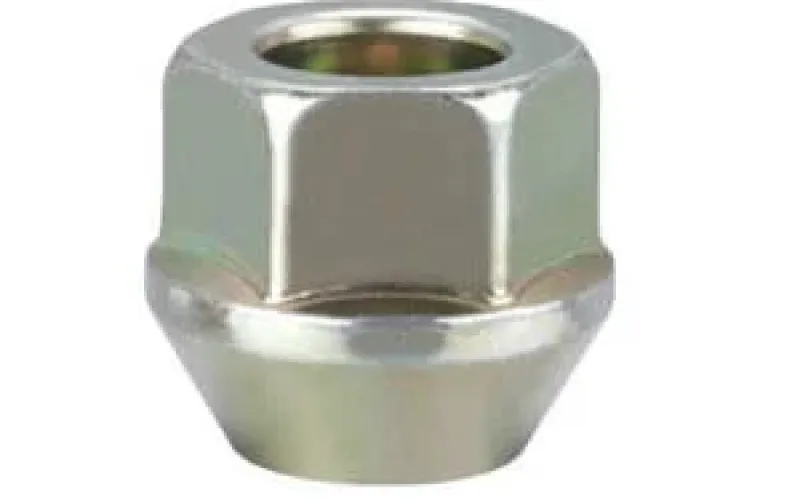
There are many types of lug nuts. They vary in material, size, and design to meet different needs.
Thread Size: You must match the lug nut to your vehicle’s stud thread. American and Asian vehicles often use different standards.
Material Composition: Standard lug nuts are typically made of steel for strength. High-performance options use lighter materials. The choice of material affects weight, strength, and corrosion resistance.
先进设计:某些类型的轮毂螺母具有特殊优势。在赛车领域,浮动式螺母设计很受欢迎。这种两件式轮毂螺母带有一个可自由旋转的套环。它能减少摩擦并防止咬合,确保扭矩直接施加到螺柱上。这有助于更精确地控制扭矩,并延长车轮组件的使用寿命。轮毂螺母系统的主要缺点微乎其微,但可能包括损坏固定螺柱的风险,而固定螺柱的更换难度比简单的螺栓要大。
This unibody system uses single-piece hub bolts. These long bolts, also known as hub bolts, pass through holes in the hub and are then screwed directly into threaded holes in the hub. This forms a robust hub assembly. The main advantage of the hub bolt system is its simplified manufacturing process, as it only requires threaded holes and eliminates the need for press-fit studs.
However, this design has a major drawback. The disadvantages of the hub bolt system become apparent when changing tires. You must support the heavy hub while perfectly aligning the bolt holes with the holes on the rim. This can be a frustrating balancing challenge.
Like lug nuts, wheel bolts come in different specifications.
Strength: European manufacturers often use high-strength wheel bolts. Class 10.9 bolts are common and provide excellent safety and performance. Their strength is a key feature
Seat Type: The “seat” is where the lug bolt head meets the wheel. It must match your wheel’s design perfectly.
Note: Using the wrong seat type creates improper contact. This can cause the lug to loosen or damage the wheel over time.
The choice between these two systems often follows a geographical pattern. This is one of the key differences in automotive engineering philosophy.
American and Asian Brands: Most carmakers from the U.S. and Asia prefer the lug nut and stud system. This includes brands like Ford, Toyota, and Honda. The ease of changing a wheel is a major benefit for consumers.
European Brands: Most European carmakers use lug bolts. This list includes:
There are exceptions to this trend. The Chrysler Crossfire, an American car, uses lug bolts. This is because it was built on a Mercedes-Benz platform, inheriting its European engineering. These key differences show how a vehicle’s origin can influence its design down to the smallest parts. Knowing which system your vehicle uses is the first step to safe and effective wheel maintenance.
You can determine which system your car uses with a few simple checks. Knowing your vehicle’s setup is the first step toward proper wheel maintenance. This knowledge ensures you get the right tire bolts and nuts for your car.
Usually, a quick glance at the wheels is enough to identify your wheel system. No tools are needed.
Removing a lug fastener reveals more important details. You need this information when buying replacements. First, check the seat type, which is where the fastener touches the wheel.
Another type is the Mag Seat, which has a flat seating surface and uses a separate washer.
Next, look at the head of the fastener for important markings. These symbols identify the manufacturer and the fastener’s strength grade.
The Fastener Quality Act mandates that manufacturers must mark each fastener with their unique company symbol to identify that they made it — the only exception being fasteners that are too small to mark.
You will also find numbers or lines indicating the grade. This is different for SAE (American) and Metric wheel bolts. Knowing the proper size of lug nuts and their grade is crucial.
SAE Grade Markings (Common on American Cars)
| SAE Grade | Radial Line Markings |
|---|---|
| Grade 5 | Three radial lines |
| Grade 8 | Six radial lines |
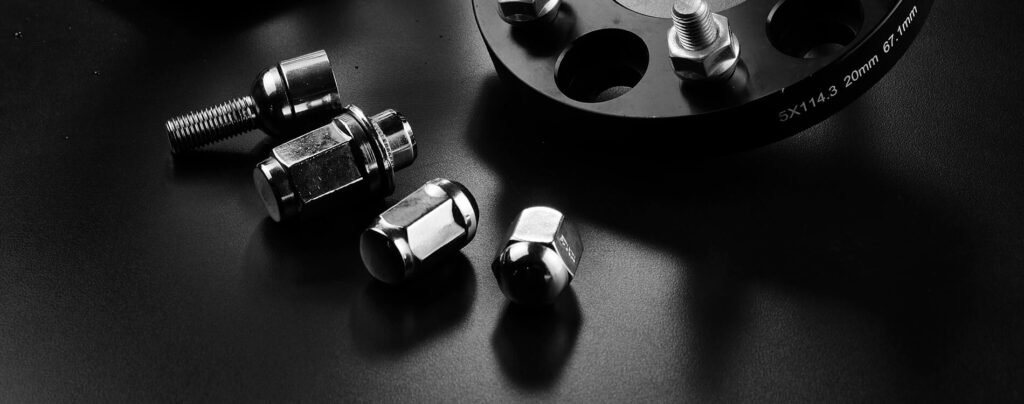
The process for your tire’s installation and removal depends entirely on your vehicle’s lug system. While both secure your wheel, one method offers clear advantages for roadside changes. Knowing the steps for each system prepares you for a safe and successful wheel assembly.
Changing a tire with lug nuts is generally simpler. The studs fixed to your hub act like hooks, which is one of the system’s biggest advantages. You can hang the wheel on the studs, freeing your hands to grab the lug nuts. This makes the installation process much easier.
The removal is straightforward: you just unscrew the lug nuts. For a safe re-installation, you should follow a few key steps to protect your wheel assembly.
Pro Tip: Best Practices for Lug Nut Installation
To ensure a secure wheel, always start the lug nuts by hand for a few turns. This prevents cross-threading. Then, snug them in a star pattern before using a calibrated torque wrench to tighten them to the manufacturer’s specification. This proper installation is crucial for the safety of your wheel assembly.
Using wheel bolts presents a greater challenge. This system lacks studs to support the wheel’s weight, which is one of its main disadvantages. You must hold the heavy wheel in place and perfectly align its holes with the threaded holes in the hub.
Mechanics often use a specific technique for this:
This process can be frustrating. Thankfully, special tools offer one of the best advantages for this job. You can use a wheel hanger alignment tool, such as those available in sizes like M12x1.5 or M14x1.5. You screw this pin-like lug tool into a bolt hole first, hang the wheel on it, and then easily insert the other lug bolts.
Proper care of your tire bolts and nuts is essential for your vehicle’s safety. Good maintenance prevents wheel failure and ensures a smooth installation and removal process. You should pay attention to torque, thread condition, and signs of wear.
Torque is the rotational force you apply when tightening a lug. Using the correct torque is critical for safety. Over-tightening can stretch wheel bolts, strip threads, or even crack your wheel. Under-tightening is just as dangerous, as the lug nuts or lug bolts could loosen, causing the wheel to wobble or fall off.
Always use a calibrated torque wrench for the final tightening. Your vehicle owner’s manual specifies the correct torque value. This step ensures a secure wheel and is a key part of proper installation.
Cross-threading happens when you misalign the threads of a lug fastener with the stud or hub hole. It damages both parts and compromises the connection’s strength. You can prevent this by starting every lug by hand. The main causes of cross-threading include:
You must inspect your wheel hardware regularly and plan for replacement when you see damage. Worn parts lose their strength and durability, creating a major safety risk. Original equipment lug nuts can rust, crack, or swell over time, making wheel removal difficult.
You should get a replacement for your lug nuts if you notice these issues:
Fatigued wheel bolts also require immediate replacement. Look for visual signs of tensile overload or fatigue, such as:
A bolt that has permanently stretched even a tiny amount has lost its strength and durability and must be replaced to keep your wheel secure.
You now understand the key difference in tire bolts and nuts. Your vehicle uses either lug nuts that thread onto fixed studs or lug bolts that screw into the wheel hub. Lug nuts often make changing a wheel easier. European cars typically use wheel bolts. Knowing your vehicle’s system is vital for safety. Using the wrong lug parts, like mismatched wheel bolts or lug nuts, creates serious risks for your wheel.
Warning: Mismatched Parts Damage Your Wheel
Using the wrong lug fastener for your wheel is dangerous. A mismatched seat type concentrates all the force on a tiny area. This can cause:
Always use the correct parts to keep your wheel secure.
You should replace your lug fasteners if they show any signs of rust, stretching, or thread damage. Reusing worn parts is a safety risk. New, high-quality parts from a trusted manufacturer like Hinuos ensure your wheel is secure and meets original specifications.
No, you should never apply oil or grease to your wheel studs or lug bolts. Lubricants change the friction. This causes you to apply too much force, leading to inaccurate torque readings and potentially stretching the bolts or damaging your wheel.
Using a mismatched seat type is extremely dangerous. A cone seat bolt in a ball seat wheel (or vice versa) creates a tiny, unstable contact point.
This improper connection can cause your lug fasteners to loosen over time. It may also permanently damage your wheel, creating a major safety hazard.
You should always re-check your lug nut torque after a tire change. A good rule of thumb is:
 Request a quote