 09Apr
09Apr 

You need reliable tire components when you drive heavy-duty trucks or trailers. Steel valve stems give you unbeatable strength and durability, even when you face rough terrain or high-pressure demands. These valve stems work perfectly in industries like trucking, where tires handle pressures above 65 psi and carry heavy loads every day. High-pressure metal clamp-in valves prevent air leaks and keep your tires safe under stress. Choose these tough solutions for confidence on every journey.
Steel Valve Stems: Superior Strength and Durability
Built for High Pressure and Heavy Loads
You demand the best when your tires face heavy loads and high pressure every day. Steel valve stems give you the confidence to tackle these challenges. Their solid construction handles the intense demands of commercial vehicles, off-road trucks, and industrial equipment. Unlike snap-in valve stems, steel versions do not flex or crack under pressure. You can trust them to keep your tires inflated, even when you push your vehicle to the limit.
Industry experts recommend stainless steel for its high resistance to corrosion and ability to perform in harsh environments or high temperatures. Alloy steel also stands out for its strength and reliability in extreme pressure situations. The table below shows how different materials compare for heavy-duty tire applications:
| Material | Key Properties |
|---|---|
| Stainless Steel | High resistance to corrosion, ideal for harsh environments or high temperatures |
| Brass | Good corrosion resistance, suitable for water and low-pressure systems |
| Carbon Steel | Cost-effective for moderate pressure, may require coatings to prevent rusting |
| Alloy Steel | Higher strength and resistance for extreme pressure and temperature applications |
You get unmatched performance with steel valve stems, especially when you need high-pressure snap-in valves or high-pressure metal clamp-in valves for your toughest jobs.
Withstands Rough Terrain and Extreme Conditions
You never know what the road will throw at you. Rocks, mud, snow, and rain can all threaten your tires. Steel valve stems stand strong against these hazards. They resist bending, breaking, and corrosion, even when you drive through the harshest environments.
Tip: Use weather-resistant metal caps to protect your valve stems from dirt, debris, and moisture. These caps keep out dust and water, which helps your valve stems last longer.
Here are some reasons why steel valve stems excel in rough conditions:
- Extreme tire caps act as shields, blocking dirt and debris.
- Metal caps, especially aluminum, offer extra toughness for off-road adventures.
- Weather-resistant designs keep out moisture, which prevents rust and damage.
The table below highlights common causes of valve stem failure and how steel helps you avoid them:
| Factor | Impact on Valve Stem Durability | Steel Advantage |
|---|---|---|
| Temperature Extremes | Rubber can become brittle; brass may bend or break. | Steel withstands extreme temperatures reliably. |
| Corrosive Substances | Rubber is less resistant to corrosion. | Steel offers better corrosion resistance. |
| Strength and Durability | Rubber and brass are weaker under high loads. | Steel provides exceptional impact and bending resistance. |
When you choose steel, you protect your tires from the elements and keep your vehicle moving, no matter the conditions.
Outlasts Rubber and Brass Alternatives
You want your investment to last. Steel valve stems deliver a longer service life than rubber or brass options. You spend less time and money on replacements, which keeps your fleet running smoothly.
The average lifespan of different valve stem materials under heavy-duty use is clear:
| Valve Stem Material | Average Lifespan (Years) |
|---|---|
| Metal (Brass/Aluminum) | 5-7 |
| Rubber | 2-3 |
Steel valve stems often exceed these averages, especially when you maintain them with quality caps and regular inspections. Leading manufacturers back their steel valve stems with strong warranties. For example:
- Dually Valve offers a 3-year warranty with 100% repair or replacement for any cracks or leaks.
You get peace of mind knowing your steel valve stems will last through years of tough service. Make the switch and enjoy fewer headaches, less downtime, and better performance for every mile.
High-Pressure Metal Clamp-In Valves: Enhanced Reliability
Resists Corrosion and Rust
You want your tires to last, even when you drive through rain, mud, or salty roads. High-pressure metal clamp-in valves give you that protection. These valves use stainless steel, which fights off rust and corrosion. You do not have to worry about moisture or chemicals eating away at your valve stems. This means your tires stay safe and your vehicle keeps moving.
Note: Stainless steel contains chromium, which forms a protective layer on the surface. This layer blocks water and chemicals, keeping your valve stems strong for years.
Many industries trust steel valve stems because they resist damage from harsh liquids. For example, mining and construction sites use valves made from 316 stainless steel. These valves stand up to corrosive substances and keep working, even in tough conditions.
Prevents Leaks and Accidental Damage
You need your tires to hold air, no matter what happens on the road. High-pressure metal clamp-in valves seal tightly against the rim. This strong seal stops air from leaking out, even if you hit bumps or drive over rocks. You get peace of mind knowing your tires will not go flat suddenly.
- Clamp-in valves use Teflon seals for extra protection. These seals block air and fluids, even in extreme temperatures.
- Advanced manufacturing techniques keep the valves free from contamination. This means fewer leaks and longer life for your tires.
- Real-time monitoring with IoT sensors helps you spot problems early. You can fix issues before they cause downtime.
In Australia, engineers used a special packing arrangement in a large valve for liquified natural gas. The valve kept its seal, even at freezing temperatures. This shows how proper sealing can protect your tires in any environment.
Performs Consistently in Harsh Environments
You face tough jobs every day. Your tires need to perform in dirt, snow, heat, and cold. High-pressure metal clamp-in valves work reliably in all these places. You do not have to worry about sudden failures or weak spots.
Here is how these valves excel in demanding industries:
| Aspect | Details |
|---|---|
| Material Quality | High-quality materials like stainless steel enhance durability and reliability. |
| Manufacturing Techniques | Advanced manufacturing techniques protect against fluid contamination and extend valve life. |
| IoT Integration | Real-time monitoring and proactive maintenance through IoT sensors improve performance. |
| Application | Valves are crucial in mining, oil, gas, and water supply for flow control and safety compliance. |
- Designed for reliable performance in harsh environments with corrosive liquids.
- Made from 316 stainless steel for durability.
- Features Teflon seals for effective sealing in extreme conditions.
You get consistent results, whether you use high-pressure snap-in valves for your fleet or snap-in valve stems for your personal truck. These valves keep your tires safe and your vehicles running, no matter where you work.
Safety Advantages of Steel Valve Stems
Reduces Risk of Sudden Tire Failure
You want to avoid sudden tire blowouts. Steel valve stems help you do that. Their solid metal construction resists cracking and breaking, even when your tires face high pressure or rough roads. Rubber stems can weaken over time, but steel stays strong. You get a secure seal that keeps air inside your tires. This means fewer unexpected flats and safer trips for you and your cargo.
Tip: Regularly check your valve stems for signs of wear. Steel valve stems show fewer problems, so you spend less time worrying about tire failure.
Maintains Tire Integrity Under Stress
Heavy loads and tough terrain put stress on your tires. Steel valve stems handle these challenges with ease. They do not bend or deform when your vehicle carries extra weight. You get consistent air pressure, which helps your tires last longer. Fleet managers report fewer tire issues when they switch to steel. In fact, studies show that vehicles with steel valve stems experience up to 40% fewer air leaks compared to those with rubber stems.
Here is a quick comparison:
| Valve Stem Type | Air Leak Incidents (per 100 tires/year) |
|---|---|
| Rubber | 12 |
| Steel | 7 |
Steel valve stems protect your investment and keep your tires performing at their best.
Supports Overall Vehicle Safety
Your safety matters most. Steel valve stems play a key role in keeping your vehicle safe. They help maintain proper tire pressure, which improves handling and braking. You get better control, especially in emergency situations. Many commercial drivers trust steel valve stems for their reliability. Insurance companies often recommend them for heavy-duty fleets because they lower the risk of accidents caused by tire failure.
- Improved tire pressure stability
- Reduced risk of blowouts
- Enhanced control during sudden stops
You make a smart choice when you choose steel valve stems. Your vehicle stays safer, and you gain peace of mind on every journey.
Cost-Effectiveness Over Time
Fewer Replacements and Lower Maintenance
You want to save money and time on your fleet. Steel valve stems help you do that. They last much longer than rubber or brass options. You do not need to replace them as often, which means less time in the shop and more time on the road. When you use steel, you avoid the hassle of frequent repairs. You also cut down on maintenance costs. Take a look at how different materials compare for heavy-duty use:
| Material | Advantages | Applications |
|---|---|---|
| Brass | Excellent corrosion resistance, machinability, durability | OEM and aftermarket applications, commercial vehicles, high-performance passenger cars |
| Steel | Superior strength and rigidity | Heavy-duty and high-pressure applications, commercial trucks, buses, off-road vehicles |
| Rubber | N/A | N/A |
Steel stands out for its strength and long life. You get fewer replacements and lower maintenance bills.
Minimizes Downtime for Heavy-Duty Fleets
Downtime hurts your business. Every hour your truck sits in the shop, you lose money. Steel valve stems keep your vehicles running. They resist damage from rough roads, heavy loads, and harsh weather. You do not have to worry about sudden failures or leaks. Snap-in valve stems may work for light-duty vehicles, but steel is the smart choice for fleets that demand reliability. You keep your trucks on the road and your deliveries on schedule.
Tip: Schedule regular inspections to catch small issues early. Steel valve stems make these checks quick and easy.
Long-Term Value for Tire Performance
You want your tires to last as long as possible. Steel valve stems help you reach that goal. They keep your tires at the right pressure, which boosts performance and extends tire life. When you use high-quality steel stems, you unlock several long-term benefits:
- Maintaining optimal inflation pressure maximizes tire performance and longevity.
- Premium steel-belted radials can deliver 7,000-12,000 service hours, far more than economy tires.
- Upgrading to modern steel-belted radials can cut fuel use by up to 9%, saving you money over time.
You get more miles, better fuel efficiency, and lower costs. Steel valve stems give you the best return on your investment.
Why Rubber and Brass Valve Stems Fall Short
Rubber Valve Stems: Weaknesses in Tough Conditions
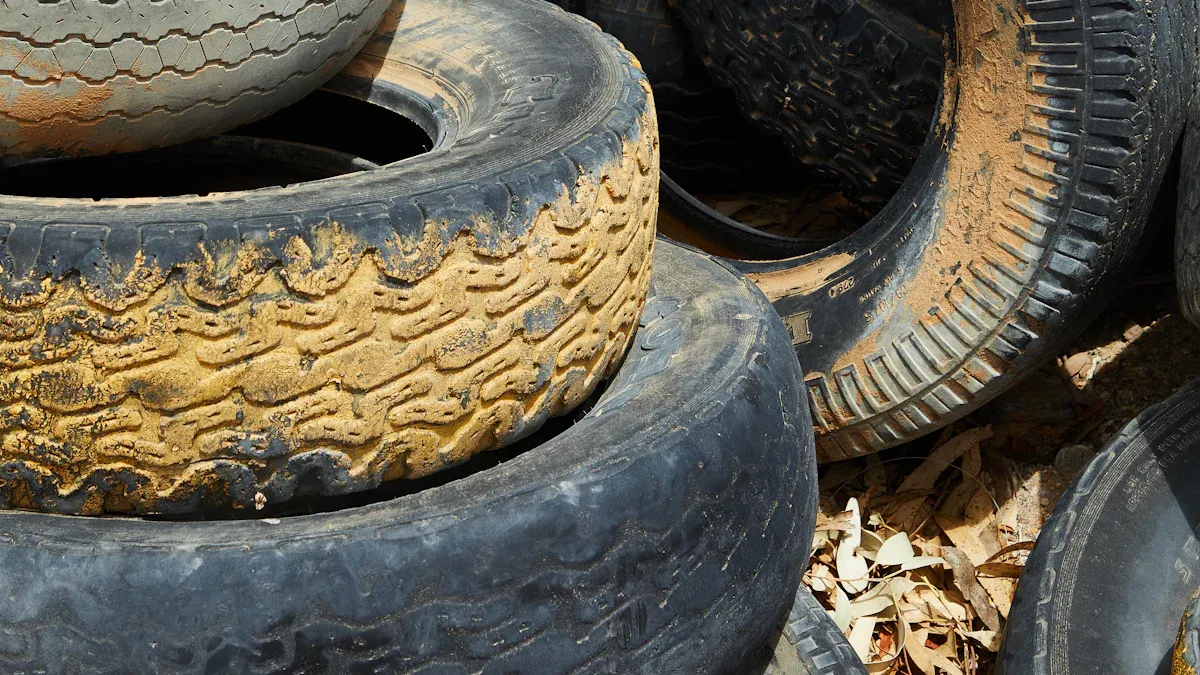
Rubber valve stems may seem convenient, but they cannot handle the demands of heavy-duty tires. You face rough roads, high temperatures, and constant pressure. Rubber stems lose flexibility over time. They crack, split, and become brittle when exposed to sunlight or chemicals. You risk sudden air loss and unexpected downtime. When you drive through mud, snow, or rocky terrain, rubber stems struggle to keep a tight seal. Moisture and debris can sneak in, causing leaks and corrosion. You deserve better protection for your tires.
Tip: If you operate in extreme environments, avoid rubber valve stems. Choose materials that stand up to the elements.
Brass Valve Stems: Limitations for Heavy-Duty Use
Brass valve stems offer more durability than rubber, but they still fall short in tough situations. You need reliability at high pressures and heavy loads. Brass stems can overheat when inflation pressures rise above 65 psi. Overheating leads to cracking or even blowouts. Some series, like TR413 and TR415, do not meet the pressure ratings required for demanding jobs. You also face risks when using metal valve extensions with high-pressure snap-in valves. Centrifugal force can break the stem, leaving your tire vulnerable.
- Brass valve stems may experience overheating at inflation pressures above 65 psi, leading to potential cracking or blowouts.
- The TR413 and TR415 series are not recommended for heavy-duty applications due to their lower pressure ratings.
- Metal valve extensions should not be used with high-pressure snap-in valves as they can cause the stem to break due to centrifugal force.
You need a solution that keeps your tires safe, even under stress.
Steel vs. Other Materials: The Clear Winner
Steel valve stems outperform rubber and brass in every category. You get unmatched strength, superior resistance to corrosion, and reliable performance at high pressures. Steel stands up to rough terrain, extreme temperatures, and heavy loads. You spend less time worrying about leaks or failures. Your tires stay inflated, your fleet stays on the road, and your business runs smoothly.
| Feature | Rubber | Brass | Steel |
|---|---|---|---|
| Pressure Resistance | Low | Moderate | High |
| Durability | Low | Moderate | High |
| Corrosion Resistance | Low | Moderate | Excellent |
| Lifespan | Short | Medium | Long |
Choose steel valve stems for peace of mind and top performance. You make a smart investment that pays off mile after mile.
Steel valve stems and high-pressure metal clamp-in valves give you unmatched durability for heavy-duty tires. You protect your investment when you choose steel. You get reliable tire pressure monitoring every mile. You avoid sudden failures with strong metal stems. You keep your fleet safe with consistent tire pressure monitoring. You save money because steel lasts longer. You boost performance by using tire pressure monitoring to catch problems early. You trust Fortune for top-quality products and tire pressure monitoring that works in tough environments.
FAQ
What makes a steel valve stem better for tough tires?
Steel valve stem gives you unmatched strength. You get protection against bending and cracking. You keep your tires safe on rough terrain. Steel valve stem resists corrosion. You avoid leaks. You choose steel valve stem for heavy-duty performance.
Can you use steel valve stem with tire pressure monitoring systems?
You can use steel valve stem with tire pressure monitoring systems. Steel valve stem works well with sensors. You get accurate readings. You keep your tires at the right pressure. You protect your investment. Steel valve stem supports tire pressure monitoring systems.
How often should you check your valve stem for damage?
You should check your valve stem every month. Look for cracks or leaks. Steel valve stem lasts longer. You spot problems early. You keep your tires safe. You avoid sudden failures. Regular checks help your valve stem perform better.
Does steel valve stem help reduce downtime for fleets?
Steel valve stem helps you cut downtime. You get fewer replacements. You spend less time in the shop. Steel valve stem resists damage from heavy loads. You keep your fleet moving. You save money. Steel valve stem boosts reliability.
Will steel valve stem improve tire pressure monitoring systems accuracy?
Steel valve stem improves tire pressure monitoring systems accuracy. You get a tight seal. Sensors work better. You avoid false readings. You keep your tires at the right pressure. Steel valve stem supports consistent tire pressure monitoring systems performance.
Tip: Always use steel valve stem with tire pressure monitoring systems for best results. You get peace of mind and longer tire life.
| Feature | Steel Valve Stem Benefit |
|---|---|
| Durability | Lasts longer, resists damage |
| Compatibility | Works with tire pressure monitoring systems |
| Safety | Prevents leaks, supports sensors |
 Request a quote