 09Apr
09Apr 


You can boost your driving experience with air caps. These small parts help you keep your tire safe and strong. When you choose high-quality air caps for your automotive needs, you protect your wheels and save money.
Tip: Air caps help stop leaks and keep dirt out, so your tire lasts longer.
Air Caps and Tire Performance

Protection Against Air Leaks
You might not notice air caps on your tires, but they play a big role in preventing air leakage. When you keep valve caps on your tires, you stop air from escaping through the valve stem. If you lose a cap, dirt and debris can get inside and damage the valve core. This can lead to air leakage and lower tire pressure.
- A missing valve cap can let air leak out and allow dirt or moisture to reach the valve core.
- If debris enters the valve stem, it can cause slow air loss and make your tire grip weaker.
- Valve caps act as a barrier, keeping the valve clean and safe from damage.
You help your tires keep the right grip on the road by using air caps. This grip gives you better control and helps your tires last longer. You also lower the risk of sudden air loss, which can affect your driving safety.
Maintaining Optimal Tire Pressure
Keeping proper tire pressure is key for your car’s performance and safety. Valve caps help you do this by protecting the valve stem from dust, water, and corrosion. When you screw on a valve cap, the rubber O-ring inside creates a tight seal. This seal stops air from escaping and keeps your tire pressure steady.
- Valve caps prevent dirt from clogging the valve, so it works the right way.
- The O-ring forms a barrier that air cannot pass through, helping you avoid air leakage.
- If you lose or damage a valve cap, contaminants can enter and cause slow leaks, making your tire pressure drop.
When your tires have the right pressure, you get the best tire grip and contact patch with the road. This means your tires touch the road evenly, giving you more control and better fuel efficiency. Even a small drop in tire pressure can lower your gas mileage. For example, a decrease of just 1 PSI can reduce your gas mileage by about 0.2%. Keeping optimal tire pressure also helps your tires wear evenly, so you do not have to replace them as often.
Safeguarding Valve Stems from Dirt and Moisture
Valve caps give protection for the valve stem by blocking dirt, dust, and water. When you drive, your tires pick up all kinds of debris from the road. Without valve caps, this debris can get into the valve stem and cause corrosion or air leakage.
- Valve caps seal the valve stems, keeping out dirt and moisture.
- They stop water from getting inside, which can lead to rust and slow leaks.
- By keeping the valve clean, valve caps help you keep proper tire pressure and strong tire grip.
A clean valve stem means your tire can hold air better. This helps you keep a steady contact patch and optimal contact with the road. You get better tire grip, safer handling, and longer tire life. In rainy weather, valve caps become even more important because they stop water from causing damage inside the valve stem.
Tip: Always check your valve caps when you check your tire pressure. Replace any missing or damaged caps right away to keep your tires performing at their best.
The Science Behind Air Caps in Automotive Applications
Materials Used in Air Caps, Including Carbon Fiber Tire Valve Caps
You see many types of valve caps on the market. The science behind these small parts starts with the materials. Most valve caps use plastic or metal, but carbon fiber tire valve caps stand out for their advanced properties. Carbon fiber combines lightness and strength, making it a top choice for performance vehicles.
- Carbon fiber tire valve caps weigh much less than metal caps. This helps reduce the total weight of your wheel assembly.
- You get better performance in high-speed driving because even small weight savings matter.
- Carbon fiber offers a high strength-to-weight ratio. You find this material in racing and aerospace because it handles stress without adding bulk.
- The fiber structure resists cracking and damage, so you enjoy long-lasting durability.
- Carbon fiber tire valve caps also resist corrosion, which means they stay strong in wet or salty conditions.
When you choose carbon fiber tire valve caps, you invest in science-backed technology. You get the benefits of fiber strength, carbon resistance, and lightweight design. These caps help you protect your valve stems while supporting the performance of your automotive wheels.
Innovative Design Features for Tire Protection
Valve caps do more than cover the valve stem. The science of design brings new features that protect your tires. You find special shapes and sealing elements that keep out dirt and moisture. Some carbon fiber tire valve caps use advanced fiber layering to boost resistance against impact.
Note: The fiber weave in carbon fiber tire valve caps adds extra strength and shields the valve stem from road debris.
Manufacturers use fiber and carbon in creative ways. You see caps with textured surfaces for better grip. Some designs include rubber O-rings inside the cap. This ring forms a tight seal and blocks water and dust. The science of fiber and carbon lets engineers create caps that last longer and work better.
| Material | Continuous Pressure | Max. Pressure Spike | Temperature | Surface Speed |
|---|---|---|---|---|
| V101 | 60psi (4.1bar) | 150psi (10bar) | -4 to 392°F (-20 to 200°C) | Up to 1,800 fpm (9m/s) |
| N102 | 60psi (4.1bar) | 150psi (10bar) | -13 to 302°F (-25 to 150°C) | Up to 1,300 fpm (6.5m/s) |
| N101 | 60psi (4.1bar) | 150psi (10bar) | -13 to 212°F (-25 to 100°C) | Up to 1,000 fpm (5m/s) |
You notice that the science of fiber and carbon lets valve caps handle high pressure and extreme temperatures. The fiber structure keeps the cap strong, while carbon resists heat and corrosion. These features help you keep your tires safe in all driving conditions.
Sealing Mechanisms and Their Role in Performance
The science of sealing is key to tire protection. Valve caps use different sealing mechanisms to block dirt and keep air inside. Most caps rely on the valve core for air retention, but some carbon fiber tire valve caps include an O-ring for extra sealing.
- Optimized seal lip design gives you better protection against leaks.
- Garter springs inside some caps keep the seal tight around the valve stem.
- A secondary lip blocks contaminants and keeps the fiber and carbon surfaces clean.
Seals in valve caps play a big role in keeping your tire pressure steady. You get better longevity because the seal stops air leaks and keeps dirt out. The science of fiber and carbon helps these seals last longer and work better in tough conditions.
| Functionality | Description |
|---|---|
| Prevents Contaminants | A high-quality seal blocks dirt and other contaminants from affecting the sealing surfaces. |
| Maintains Pressure | The seal helps prevent air leakage from the tire valve, thus maintaining tire pressure. |
| Enhances Longevity | By preventing leaks, the seal contributes to the longevity of tire pressure retention. |
You protect your tires and improve your driving experience when you use valve caps with advanced sealing. The science behind fiber and carbon materials gives you resistance to wear and better strength. You keep your tires performing well and enjoy safer, longer drives.
Preventing Tire Damage with Air Caps
Blocking Contaminants for Enhanced Tire Longevity
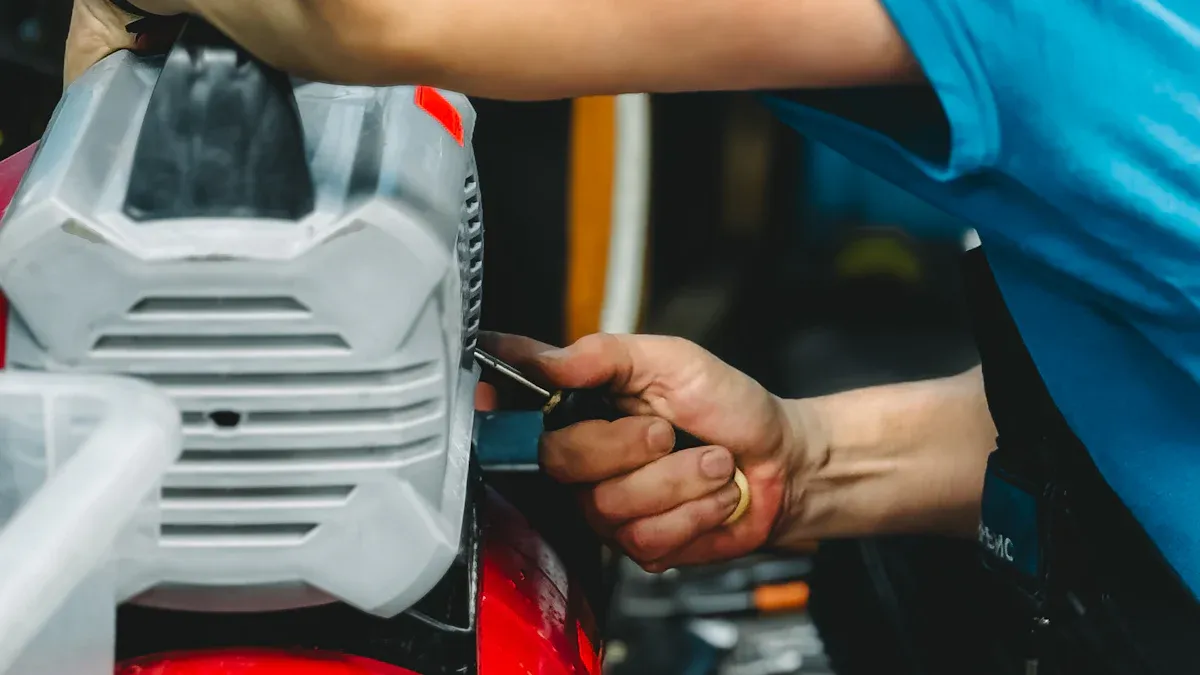
You want your tires to last as long as possible. Air caps give you strong protection against dirt, dust, and water. When you drive, your tires face many road hazards. Small rocks, mud, and moisture can reach the valve stem. Air caps block these contaminants and keep the valve clean. This helps you maintain tire pressure and avoid air leakage. Clean valves mean your tires hold air better, so you get maximum grip and optimal tire grip. You also keep the contact patch steady, which improves traction and tire grip. With fewer contaminants, your tires stay strong and durable.
Tip: Always check your air caps when you inspect your tires. Replace any missing caps to keep your tire grip and durability at their best.
The Role of Seals in Pressure Retention and Safety
Seals inside air caps play a big role in preventing air leakage. These seals keep air inside the tire and block dirt from entering the valve stem. You get better tire pressure control, which leads to safer driving. The table below shows how air cap seals help you:
| Role of Air Cap Seals | Description |
|---|---|
| Preventing Air Loss | Provides an additional seal against leaks, ensuring tires remain properly inflated for longer. |
| Protecting the Valve | Keeps out contaminants that can corrode or damage the valve stem, preventing leaks. |
| Safety | Maintains correct tire pressure, contributing to safer driving conditions. |
| Fuel Efficiency | Helps save on fuel costs by ensuring tires are properly inflated, reducing fuel consumption. |
You keep tire pressure steady with good seals. This means your tires keep their grip and you get optimal contact with the road. Proper tire pressure also helps you save fuel and improves vehicle performance. Seals in air caps give you extra protection and help you avoid air leakage.
Impact on Tire Performance and Driving Experience
Air caps affect your driving experience in many ways. When you keep tire pressure at the right level, you get better grip and traction. Your tires touch the road evenly, so you enjoy a stable contact patch. This gives you optimal contact and maximum grip, even in wet or rough conditions. You feel more control over your car, and your tires wear evenly. Good tire pressure means your tires last longer and you spend less on replacements. Air caps help you maintain tire grip and improve vehicle performance every time you drive.
Note: Air caps are small, but they make a big difference in preventing air leakage and keeping your tires safe.
Comparing Air Cap Types and Materials for Automotive Use
Plastic vs. Metal Air Caps
You see plastic and metal valve caps on many vehicles. Each type offers unique benefits for your tire grip and protection. Plastic caps cost less and resist corrosion, making them a good choice for wet environments. Metal caps last longer and provide extra strength, but they may corrode if they touch other metals. You want to keep your tire grip strong, so choosing the right cap matters.
| Feature | Plastic Caps | Metal Caps |
|---|---|---|
| Durability | Less durable, may degrade | More durable, longer-lasting |
| Corrosion Resistance | Prone to degradation | Highly resistant to corrosion |
| Cost | Budget-friendly | Generally more expensive |
Plastic caps give you weather resistance and help maintain tire grip in rainy conditions. Metal caps offer better durability and grip, but you must watch for corrosion. Both types protect your valve stems and help you keep a steady grip on the road.
Carbon Fiber Tire Valve Caps for Performance Vehicles
You want the best grip and tire performance for your car. Carbon fiber tire valve caps deliver advanced protection and style. These caps use fiber and carbon to create a lightweight design that does not disrupt tire balance. You get strong grip and steady contact with the road. Carbon fiber tire valve caps resist corrosion and scratches, so you enjoy long-lasting durability.
- Carbon fiber tire valve caps weigh only a few grams, keeping tire balance smooth.
- Their fiber structure gives you extra grip and strength.
- Carbon fiber tire valve caps resist seizing and work well in humid or salty environments.
- O-ring seals inside these caps provide airtight protection and help you keep tire grip steady.
- You can choose carbon fiber tire valve caps for TPMS compatibility and easy maintenance.
| Benefit | Carbon Fiber | Aluminum |
|---|---|---|
| Corrosion Resistance | Naturally corrosion-resistant | Prone to corrosion |
| Weight | Lightweight, enhancing performance | Heavier than carbon fiber |
| Maintenance | Resists seizing, easier to maintain | Can seize and corrode |
| Durability | Withstands impacts, resists scratches | Scratches easily |
| Performance Philosophy | Aligns with lightweight performance ethos | Less focus on weight savings |
Carbon fiber tire valve caps also let you add customization to your wheels. You can match your style and improve grip at the same time.
Performance Benefits of Different Air Cap Designs
You notice many air cap designs on the market. Each design affects tire grip and protection. Some valve caps use fiber and carbon for extra strength and resistance. Others include O-ring seals for airtight grip and pressure retention. You get better grip and tire longevity with advanced designs.
- Carbon fiber tire valve caps keep your grip strong in all conditions.
- Fiber and carbon materials resist wear and add durability.
- Customization options let you choose the look and grip you want.
- Advanced sealing mechanisms help you maintain tire grip and safety.
You improve your driving experience when you choose valve caps with fiber and carbon features. These designs help you keep tire grip steady and add a touch of customization to your vehicle.
Choosing and Maintaining Air Caps for Optimal Tire Performance
Tips for Selecting the Right Air Caps
You want to keep your tire grip strong and your tire pressure steady. When you select air caps for your automotive needs, you should look at several important factors. The right air caps help you maintain maximum grip and improve vehicle performance. Here are some things you should consider:
- Material: Choose between plastic or metal. Metal caps offer durability, while plastic caps resist corrosion.
- Style: Pick basic caps for simple protection or decorative caps for a custom look.
- Tightening mechanism: Make sure the cap provides a secure grip on the valve stem.
- Weather resistance: Select caps that protect against rain, snow, and road salt.
- Versatility: Find caps that fit different vehicles, from cars to trucks.
- Bulk ordering options: If you manage a fleet, buying in bulk saves time and money.
You improve tire maintenance when you choose air caps that match your driving needs. The right cap keeps tire pressure stable and supports tire grip in all conditions.
Tip: Always check that your air caps fit tightly. A loose cap can let air escape and weaken your tire grip.
Routine Maintenance and Inspection for Automotive Safety
You keep your tire grip and tire pressure at their best with regular tire maintenance. Inspect your air caps every time you check your tires. Look for cracks, dirt, or signs of wear. Clean the caps and valve stems to block debris and moisture. This helps you keep traction and steady tire pressure.
- Remove each cap and check the rubber O-ring for damage.
- Wipe away dirt from the valve stem before replacing the cap.
- Make sure each cap screws on tightly for a secure grip.
You boost tire maintenance by making inspections part of your routine. This keeps tire grip strong and helps you avoid sudden drops in tire pressure.
| Maintenance Step | What to Do | Why It Matters |
|---|---|---|
| Inspect air caps | Check for cracks or missing parts | Maintains tire pressure |
| Clean valve stems | Remove dirt and moisture | Improves tire grip |
| Tighten caps | Ensure secure fit | Prevents air leaks |
When to Replace Your Air Caps
You should replace air caps when you see damage or notice a weak grip. If a cap cracks, loses its seal, or no longer fits tightly, swap it out right away. Damaged caps can cause air leaks and lower tire pressure. This reduces tire grip and traction, making driving less safe.
- Replace caps after long trips or rough driving conditions.
- Change caps if you see rust, corrosion, or missing O-rings.
- Upgrade to new caps during regular tire maintenance.
You protect your tire and keep tire pressure steady when you replace worn air caps. This supports tire grip and helps you get maximum grip on every drive.
Note: Regular replacement of air caps is a simple way to boost tire maintenance and improve vehicle performance.
You now see how air caps protect your tire and help your car perform better. When you learn the science behind carbon fiber tire valve caps, you understand why they matter. Science shows that carbon fiber tire valve caps keep your tire safe and strong. You get better results when you trust the science and pick carbon fiber tire valve caps. Make sure you check and replace your carbon fiber tire valve caps often for the best performance.
FAQ
What do air caps do for my tires?
You use air caps to protect your tire valves from dirt and moisture. These small parts help keep air inside your tires. You get better tire life and safer driving when you always keep air caps on your valve stems.
How do carbon fiber valve caps help with performance car customization?
You choose carbon fiber valve caps when you want to upgrade your car’s look and function. These caps add a modern touch to your wheels. You also get lightweight strength, which supports performance car customization for drivers who want style and durability.
Can air caps improve automotive performance and style?
You boost both automotive performance and style when you pick high-quality air caps. These caps help your tires keep the right pressure. You also add a custom look to your wheels, making your car stand out on the road.
How often should I check or replace my air caps?
You should check your air caps every time you inspect your tires. Replace any cap that looks cracked, loose, or missing. This simple habit helps you keep your tires safe and your car running smoothly.
 Request a quote