What is the difference between rubber and metal tire valves?
 20Mar
20Mar 

Modern tire valves are small components, but they directly determine whether a tire can maintain stable internal pressure. A complete assembly typically includes the tire valve stem, internal core mechanism, and protective tire valve caps. Each element works as part of a sealed pressure system. When any one of these components fails, the result is slow leakage, unstable handling, or premature tire wear.
Understanding how these parts function makes replacement decisions more accurate and prevents mismatched installations that compromise safety.
A standard valve assembly contains four primary elements:
Each component serves a defined mechanical purpose within the pressure containment system.
The valve stem forms the structural housing of the valve. It connects the pressurized cavity of the tire to the external environment and secures the valve core in place. During inflation, compressed air passes through the stem. During operation, the stem must resist:
| Material | Structural Characteristics | Application Suitability |
|---|---|---|
| Rubber | Flexible, economical | Passenger vehicles under moderate pressure |
| Aluminum | Lightweight, corrosion-resistant | Performance and TPMS applications |
| Brass | High strength, pressure-resistant | Heavy-duty and high-pressure systems |
Rubber snap-in stems are common for standard passenger vehicles. Metal clamp-in stems are preferred when higher pressure ratings or enhanced durability are required.
At Fortune, tire valve stems are produced under controlled dimensional tolerances to ensure proper sealing against the rim hole. Material composition and surface treatments are verified to meet pressure and corrosion resistance requirements for global markets.
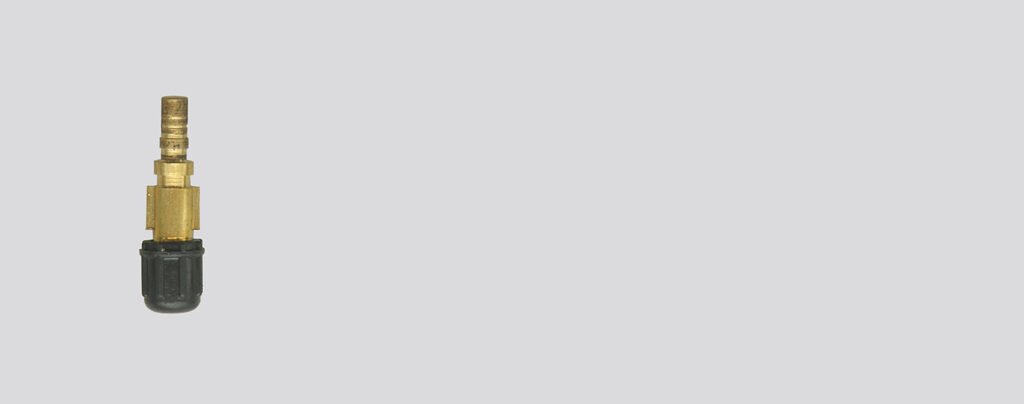
The valve core is the internal sealing mechanism housed within the stem. It contains a spring-loaded plunger that opens during inflation and automatically seals when pressure is applied.
A defective valve core often causes slow leaks rather than sudden failure. Common failure causes include:
Because the core is a precision component, replacement should follow proper torque guidelines to avoid thread damage inside the stem.
Routine inspection during tire servicing reduces the risk of unnoticed air loss.
Tire valve caps are not cosmetic accessories. They function as secondary protective seals. Their primary roles include:
In regions exposed to road salt or high humidity, valve cap integrity becomes particularly important. Even minor contamination inside the core can affect long-term sealing performance.
Quality valve caps should provide proper thread engagement and weather resistance without seizing onto metal stems.

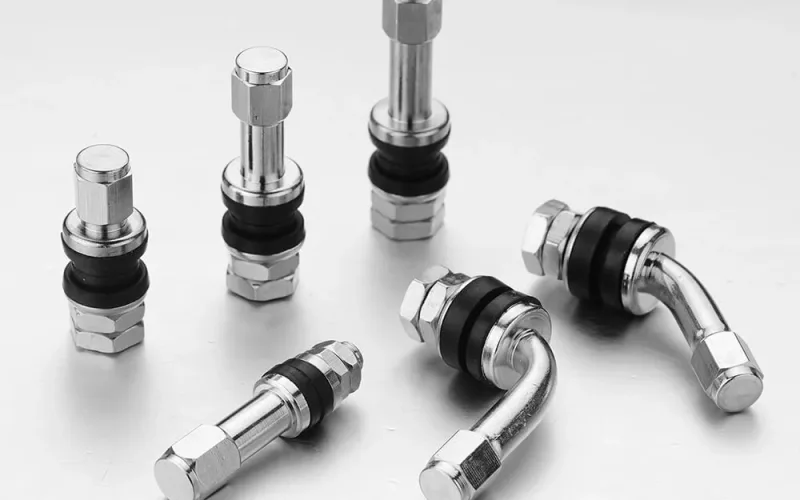
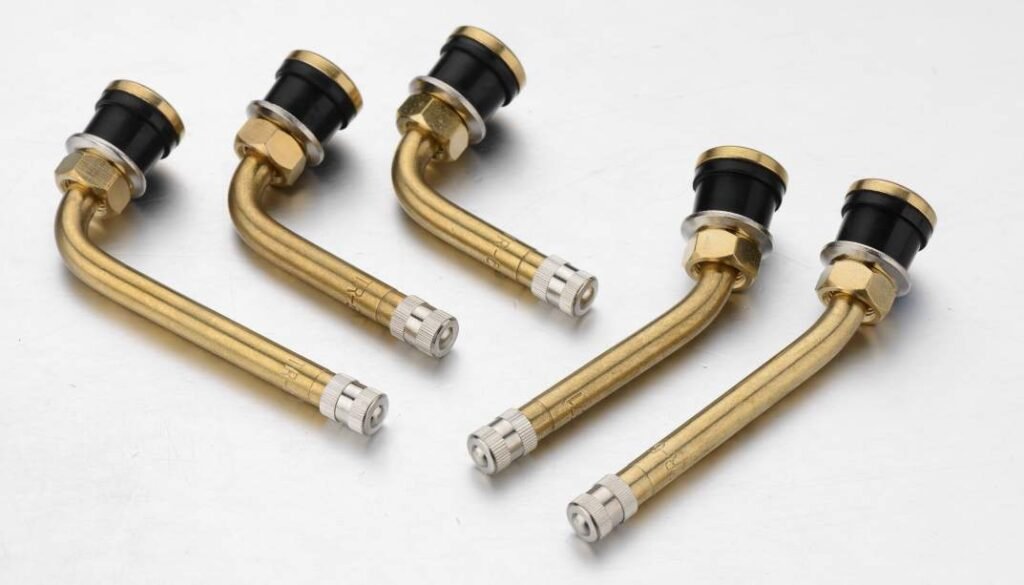
Certain wheel designs make direct access to the valve difficult. Deep-dish rims, dual-wheel assemblies, and covered wheels often require valve extensions.
Common types include:
| Type | Typical Application |
|---|---|
| Straight | Standard depth wheels |
| Angled (45° / 90°) | Dual wheels or tight clearances |
| Flexible braided | Hard-to-reach or custom configurations |
Extensions must maintain airtight sealing at both connection points. Improper installation or excessive length can introduce vibration and leakage.
When installing an extension:
Extensions are accessibility tools, not substitutes for proper stem condition.
Schrader valves are the standard automotive configuration. They use a spring-loaded pin mechanism and are compatible with common inflation equipment. Available in rubber snap-in or metal clamp-in designs, they suit most passenger and commercial vehicles.
Presta valves are typically used in high-pressure cycling applications. Their slim design supports narrow rims and elevated pressure levels but requires specific inflation tools.
TPMS-integrated stems incorporate pressure sensors that transmit data to the vehicle monitoring system. These often use metal constructions for structural integrity.
Compatibility between stem and sensor housing is critical. Incorrect replacement may cause system malfunction.
Heavy-duty trucks, buses, trailers, and agricultural equipment often require high-pressure stems rated beyond standard passenger vehicle limits.
| Valve Type | Pressure Capability | Typical Use |
|---|---|---|
| High-Pressure Metal | Up to 200 PSI | Commercial vehicles |
| Clamp-In Specialty | 80–150 PSI | Racing / Off-road |
| TPMS-Compatible Metal | 60–100 PSI | Modern vehicles |
High-pressure stems typically use brass or plated steel for improved structural rigidity and sealing performance.
Proper selection requires evaluation of:
Incorrect stem size or pressure rating increases the likelihood of air loss and structural fatigue.
Professional installations often replace valve stems during tire change intervals to reduce failure risk.
Replacement generally follows these controlled steps:
Overtightening the valve core or clamp nut can damage threads or sealing surfaces. Always verify pressure retention after installation.
Routine inspection should include:
Preventive replacement during tire service cycles reduces the probability of sudden air loss.
Immediate replacement is recommended if you observe:
Valve stem failure can lead to underinflation, which directly affects braking stability, tire wear, and fuel efficiency.
The tire valve assembly—comprising the valve stem, core, and protective cap—forms a sealed pressure control system. Each component contributes to maintaining stable inflation under rotational, thermal, and environmental stress.
Correct material selection, dimensional compatibility, and controlled installation are essential for reliable performance. Preventive inspection and timely replacement reduce the risk of air leakage and ensure long-term tire integrity.
Well-engineered tire valves support consistent pressure retention, which directly improves vehicle safety, efficiency, and tire service life.
You should replace tire valve stems every time you get new tires or every 4 to 6 years. Regular replacement helps prevent air leaks and keeps your tires safe. Always check for cracks or damage during routine inspections.
You should not reuse valve stems. Old stems can crack or leak. New valve stems provide a better seal and improve safety. Most tire shops install new stems with every tire change.
You may see leaks from damage, aging, or dirt inside the valve. Cracks, corrosion, or a loose valve core often cause air loss. Use soapy water to check for bubbles around the stem if you suspect a leak.
No, vehicles use different valve stems. Passenger cars often use rubber snap-in stems. Trucks and vehicles with TPMS usually need metal clamp-in stems. Always match the stem type to your vehicle and tire requirements.
 Request a quote