 04Feb
04Feb 

You interact with the parts of tire valve every time you check your tire pressure. These parts include the stem, valve core, cap, tip, and sometimes extensions. Each piece helps keep your tires inflated and safe.
- Missing valve caps often cause low tire pressure.
- Valve caps block dirt from entering the core and serve as a second air seal.
- Strong, well-made valves help control airflow and keep your tire pressure steady, even when your vehicle carries a heavy load.
When you know how these parts work, you make tire maintenance easier and more effective.
Main Parts of Tire Valve
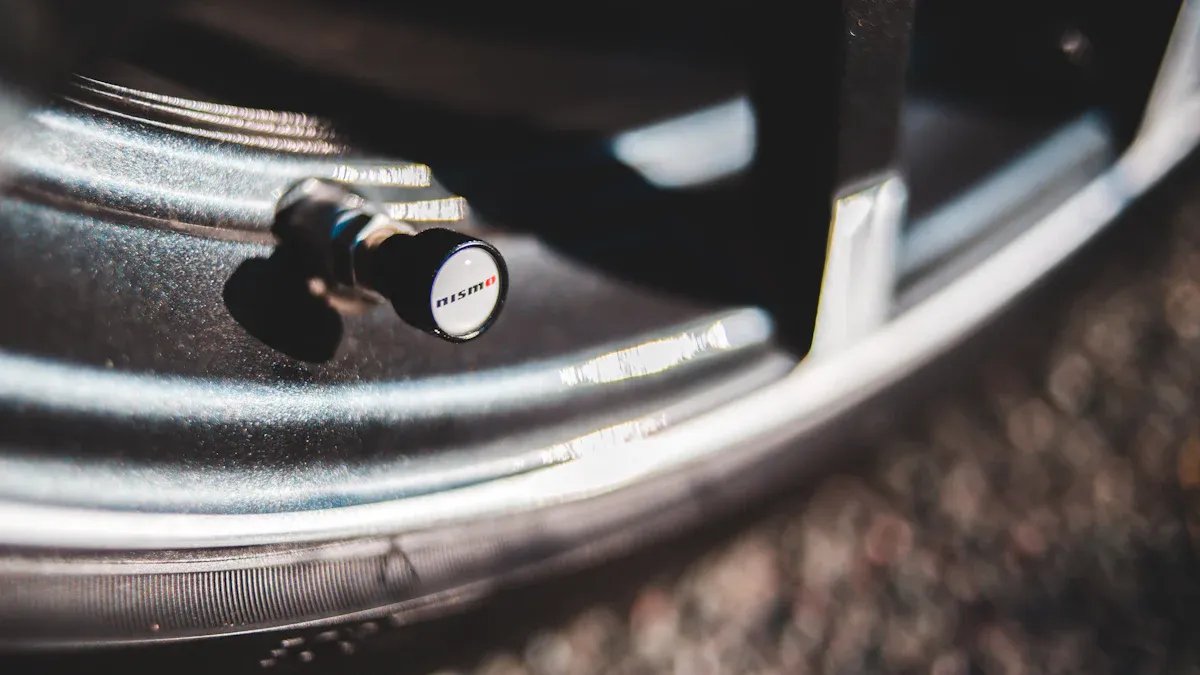
Stem (Body)
You find the stem as the main body of the tire valve. This part connects the tire to the air source and holds the other parts of tire valve in place. The stem must be strong and durable because it faces pressure and weather every day. Manufacturers use different materials for tire valve stems. Each material offers unique benefits and drawbacks.
| Material | Description | Pros | Cons |
|---|---|---|---|
| Rubber | Flexible yet durable, made from synthetic rubber | – Flexibility reduces damage risk – Cost-effective – Easy to replace | – Wears out faster in harsh conditions – Susceptible to UV deterioration – Not suitable for high-pressure applications |
| Aluminum | Lightweight and strong, machined from alloy | – Reduces unsprung weight – More durable than rubber – Aesthetic appeal | – More expensive than rubber – Susceptible to damage from impacts |
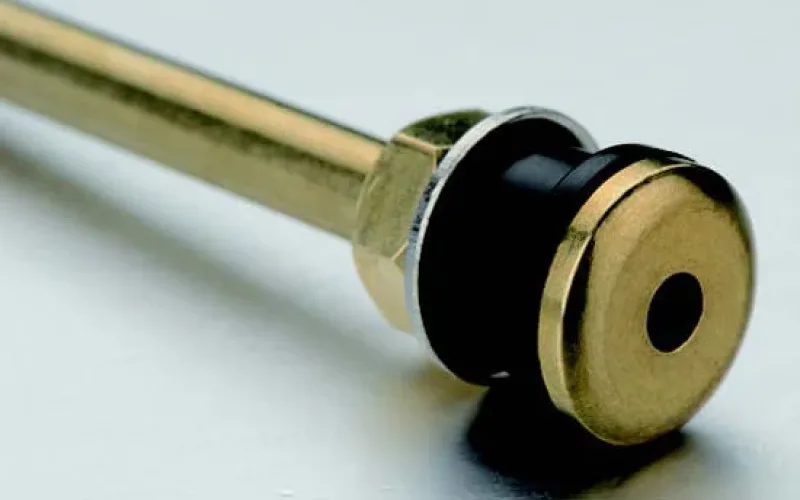
| Brass | Durable alloy of copper and zinc | – Strong and withstands high pressures – Highly corrosion resistant – Reliable performance | – Heavier than rubber and aluminum – Can be more expensive than rubber |
You see rubber stems most often on passenger vehicles. Aluminum and brass stems work better for high-pressure or heavy-duty uses. When you choose a stem, you help decide how long your tire valve will last and how well it will perform.
Tip: Always check the stem for cracks or signs of wear. A damaged stem can cause air leaks and lower tire pressure.
Valve Core
You find the valve core inside the stem. This tiny part controls the flow of air in and out of the tire. When you press the core, air escapes. When you release it, the core seals the opening and keeps air inside. The valve core is one of the most important parts of tire valve because it prevents air loss and keeps your tires inflated.
Most valve cores last between 4 and 5 years if made from rubber. Metal cores with rubber washers can last up to 8 years. You should replace the valve core if you notice air leaks or if it looks worn. Regular checks help you avoid sudden tire pressure drops.
- Rubber tire valves typically last about 4 to 5 years.
- Metal valves with rubber anti-leak washers generally last 5 to 8 years.
You can use a valve stem tool to check the tightness of the core. If you hear air rushing out when you remove the cap, test the core with soapy water. Bubbles mean you need to replace the core.
Valve Cap
You see the valve cap at the tip of the stem. This small cover protects the valve core from dirt, moisture, and damage. The cap also acts as a backup seal to prevent air loss. You find several types of valve caps, each offering different levels of protection.
- Plastic Caps: Basic protection against dirt and moisture.
- Metal Caps: More durable, offer a better seal, and some include rubber seals for enhanced performance.
- Pressure Indicator Caps: Provide a visual cue when tire pressure is low, helping to maintain proper inflation.
Valve caps serve as an extra seal against air loss. They keep contaminants out of the valve core, which helps prevent corrosion and damage. You should always replace missing or damaged caps to keep your tires safe and properly inflated.
Note: A missing valve cap can lead to dirt entering the valve core, causing leaks and lowering tire pressure.
Tip
You see the tip at the very end of the tire valve stem. This small part often looks like a narrow, rounded edge or a slightly raised lip. The tip serves as the main contact point when you inflate your tires or check the air pressure. When you press an air pump or a pressure gauge onto the valve, you push down on the tip. This action opens the valve core and lets air flow in or out.
The tip must stay clean and undamaged. Dirt or debris on the tip can block the air path or cause a poor seal. If you notice the tip looks bent or worn, you should inspect the entire valve. A damaged tip can make it hard to inflate your tire or get an accurate pressure reading.
Tip: Always wipe the tip with a clean cloth before checking tire pressure or adding air. This simple step helps prevent dirt from entering the valve core.
You may find that some valve tips have a slightly different shape, especially on high-performance or specialty tires. These designs help create a better seal with air tools or gauges. No matter the shape, you should always handle the tip gently. Rough handling can bend or damage it.
Key facts about the valve tip:
- Acts as the main access point for air tools.
- Needs to stay clean for accurate pressure checks.
- Should not show signs of bending or cracking.
If you keep the tip in good condition, you make tire maintenance easier and more reliable.
Extensions
You may notice extensions on some tire valves, especially on trucks, RVs, or vehicles with dual rear wheels. Extensions lengthen the valve stem, making it easier to reach the valve when the wheel design blocks access. You attach an extension to the existing valve stem, and it acts as a bridge between the valve and your air tool or gauge.
Extensions come in different lengths and materials. You can find flexible rubber extensions, rigid metal ones, and even braided steel types for extra durability. Each type serves a specific purpose:
| Extension Type | Best Use Case | Key Benefit |
|---|---|---|
| Flexible Rubber | Hard-to-reach valves on inner wheels | Easy to bend and position |
| Rigid Metal | Standard passenger vehicles | Strong and durable |
| Braided Steel | Heavy-duty trucks and RVs | Extra protection from damage |
You should check that the extension fits tightly and does not leak air. A loose or damaged extension can cause slow leaks, which may lead to underinflated tires. Always inspect extensions for cracks, corrosion, or signs of wear.
Note: If you use extensions, check them during every tire inspection. Make sure they stay secure and free from damage.
Some extensions have built-in valve cores. These allow you to remove the extension without losing air pressure. Others simply act as a channel for air and rely on the original valve core. You should know which type you have before removing or replacing an extension.
Why use valve extensions?
- Make it easier to check and inflate tires in hard-to-reach spots.
- Help maintain proper tire pressure on vehicles with complex wheel setups.
- Reduce the risk of damaging the valve stem during maintenance.
If you drive a vehicle with dual wheels or deep rims, extensions can save you time and effort. You keep your tires properly inflated and make routine checks much simpler.
Functions of the Parts of Tire Valve
Role of the Stem
You rely on the stem every time you check or adjust your tire air pressure. The stem acts as the main channel for air to move in and out of the tire. It holds the valve core inside and connects to the tire itself. When you attach an air pump or gauge, you use the stem as the entry point. The stem must stay strong and free from cracks because it faces constant pressure and exposure to the elements. If the stem weakens, you risk losing tire air inflation pressure, which can make driving unsafe. You should inspect the stem for signs of wear, such as splits or bulges, to keep your tires in good condition. The stem also helps protect the valve core from damage by keeping it centered and shielded inside the tire valve assembly. When you understand the role of the stem, you can see why it is one of the most important parts of tire valve.
How the Valve Core Seals Air
The valve core is a small but powerful part inside the stem. You depend on it to keep air inside your tire and prevent leaks. The valve core uses several mechanisms to create a tight seal. Here is a breakdown of how it works:
| Component | Function |
|---|---|
| Valve Core | A small metal piece that threads inside the tire valve stem to prevent air loss. |
| Seal | Attached to the movable pin, it ensures a tight closure to keep air inside the tire. |
| Spring-loaded Pin | Moves to open the valve when air is added and snaps back to seal when the air fitting is removed. |
When you add air to your tire, the air hose fitting presses on the plunger inside the valve core. This action opens the poppet valve, allowing air to flow from the compressor into the tire. The pressure difference pushes air in quickly. Once you remove the air fitting, the plunger snaps back into place. The seal closes tightly, trapping the air inside and keeping your tire inflation pressure steady.
- The air hose fitting presses on the plunger to open the poppet valve.
- Air flows from the compressor into the tire due to pressure differential.
- When the air fitting is removed, the plunger snaps back, sealing the tire.
You should check the valve core if you notice a slow loss of tire air pressure. A worn or damaged core can let air escape, even if the stem and cap look fine. Replacing the valve core is a simple way to restore a tight seal and keep your tires properly inflated.
Purpose of the Valve Cap
You might think the valve cap is just a cover, but it plays a key role in tire maintenance. The valve cap acts as a protective barrier that keeps dirt, dust, and even insects out of the valve system. This barrier helps maintain the cleanliness and efficiency of the valve core. When you keep the valve core clean, you reduce the risk of leaks and make sure the valve works smoothly. The cap also serves as a backup seal. If the valve core ever fails, the cap can help slow down air loss until you can fix the problem. By using a valve cap, you lower the chances of debris entering the system, which means you spend less time on maintenance and avoid unexpected tire problems. Always replace missing or damaged caps to protect your tire air pressure and extend the life of your tires.
Function of the Tip
You use the tip of the tire valve every time you check or adjust your tire pressure. The tip sits at the very end of the valve stem. It acts as the main access point for air tools, such as pressure gauges and air pumps. When you press a tool onto the tip, you push down a small pin inside. This action opens the valve core and lets air move in or out of the tire.
The tip must stay clean and undamaged. Dirt or debris on the tip can block the air path. If the tip bends or cracks, you may not get a good seal with your air tools. This can lead to inaccurate pressure readings or trouble inflating your tire.
Tip: Always wipe the tip with a clean cloth before using a gauge or pump. This simple habit keeps dirt out of the valve core and helps you get accurate results.
You may notice that some tips have a slightly different shape. High-performance tires sometimes use a reinforced or extended tip. This design helps create a better seal with specialized tools. No matter the shape, you should handle the tip gently. Rough handling can damage the tip and make tire maintenance harder.
Key roles of the valve tip:
- Acts as the main entry point for air tools.
- Opens the valve core when pressed.
- Helps create a tight seal for accurate pressure checks.
If you keep the tip in good condition, you make every tire check easier and more reliable. You also help prevent leaks and keep your tires safe.
Use of Extensions
You may find valve extensions especially helpful if you drive trucks, RVs, or vehicles with dual rear wheels. Extensions attach to the end of the valve stem. They make it easier to reach valves that sit deep inside the wheel or behind hubcaps.
Valve extensions come in different types. You can choose flexible rubber, rigid metal, or braided steel. Each type serves a different purpose.
| Extension Type | Best For | Main Benefit |
|---|---|---|
| Flexible Rubber | Hard-to-reach inner wheels | Easy to bend and position |
| Rigid Metal | Standard passenger vehicles | Strong and durable |
| Braided Steel | Heavy-duty trucks and RVs | Extra protection from damage |
You use extensions to make routine tire checks faster and safer. If you cannot reach the valve stem easily, you might skip checking your tire pressure. Extensions remove this barrier. You attach the extension once, then use it as the new access point for your air tools.
Note: Always check that the extension fits tightly. A loose or damaged extension can cause slow leaks.
Some extensions have their own valve cores. This feature lets you remove the extension without losing air. Others simply act as a channel for air and rely on the original valve core. You should know which type you have before removing or replacing an extension.
Why use valve extensions?
- Make it easier to check and inflate tires in hard-to-reach spots.
- Help maintain proper tire pressure on vehicles with complex wheel setups.
- Reduce the risk of damaging the valve stem during maintenance.
If you inspect your extensions regularly, you help prevent air leaks and keep your tires in top shape. You also save time and effort during every tire check.
How Tire Valve Parts Work Together for Safety
Maintaining Proper Air Pressure
You depend on each part of the tire valve to keep your tires at the right pressure. The stem lets you add or remove air. The valve core seals the air inside. The cap keeps dirt and water out. When these parts work together, you can trust your tire inflation pressure to stay steady. Tire pressure monitoring systems help you track changes in pressure. These systems alert you if the pressure drops too low. You get a warning before a problem becomes dangerous. Proper tire air pressure helps your car handle well and saves fuel. You also avoid uneven tire wear.
- Properly working tire valves help you keep the right pressure.
- Valve stems let you add or remove air as needed.
- Tire pressure monitoring systems alert you to pressure changes.
- Good air pressure means better steering and stopping.
Preventing Leaks and Air Loss
You can stop most leaks by checking your tire valves often. Tiny punctures from road debris or a brittle valve stem can cause a slow leak. Sometimes, the bead seat where the tire meets the wheel lets air escape. You should look for damage or use leak detector fluid to find leaks. Replace worn valve stems right away. Use high-quality bead sealers when you install new tires. These steps help you keep the internal tire pressure at the right level.
- Punctures from nails or screws can cause slow leaks.
- Damaged valve stems may let air escape.
- Bead seat leaks happen if the wheel or tire edge is damaged.
- Regular checks and quick repairs prevent air loss.
Supporting Safe Driving
You lower your risk of accidents when you keep your tire valves in good shape. Tire failure causes thousands of crashes each year. Many of these accidents happen because of poor tire upkeep. Regular inspections help you find problems early. You keep your tires safe and make them last longer. Tire pressure monitoring systems give you extra peace of mind. They warn you if something goes wrong with your tire air pressure. You stay safer on the road.
- Tire failure links to about 11,000 crashes in the United States each year.
- Regular inspections help you catch problems before they become serious.
- Tire pressure monitoring systems support safe driving by giving early warnings.
Tip: Check your tire valves and pressure every month. This habit helps you avoid trouble and keeps your car running smoothly.
Tire Valve Stem Types and Their Features
You can choose from several tire valve stem types, each designed for different vehicles and uses. Knowing the differences helps you pick the right stem for your needs and keeps your tires safe.
Rubber Snap-In Valve Stems
Rubber snap-in valve stems are the most common type you see on passenger cars and light trucks. You can install them quickly with a valve puller tool. These stems use flexible rubber, which makes them easy to remove and replace. You get good corrosion resistance, especially compared to aluminum clamp-in stems. Here are some key features:
- You find them easy to install and remove.
- They resist corrosion better than metal stems.
- You need to replace them after tire removal because exposure to weather can weaken the rubber.
Rubber snap-in stems work well for standard driving conditions. You should check them for cracks or signs of aging during regular tire maintenance.
High-Pressure Snap-In Valve Stems
High-pressure snap-in valve stems handle more demanding jobs. You often see them on larger trucks or vehicles with heavy-duty tires. These stems can manage higher air pressures, making them ideal for tires rated above 65 PSI. Some models, like TR600HP and TR602HP, can handle up to 100 PSI. Others, such as TR801HP and TR802HP, fit .625-inch diameter holes. Here are some important points:
- High-pressure snap-in stems support up to 80 PSI, perfect for heavy-duty tires.
- TR600HP and TR602HP models reach 100 PSI maximum.
- You use these stems on vehicles that need higher tire pressures for safety and performance.
Always check the pressure rating before choosing a high-pressure snap-in stem for your tire valve stem.
Metal Clamp-In Valve Stems
Metal clamp-in valve stems give you the best durability and sealing. Manufacturers use materials like aluminum, brass, or stainless steel. These stems handle higher pressures, often above 65 PSI, and resist heat and harsh weather. You find them on high-performance cars, racing vehicles, and heavy-duty trucks. Metal clamp-in stems reduce the risk of leaks and valve failures. They also last longer than rubber stems, especially in tough conditions.
Tip: If you drive a high-performance or heavy-duty vehicle, metal clamp-in stems offer extra safety and reliability.
Choosing the right tire valve stem type helps you maintain proper tire pressure and avoid problems on the road.
Easy Maintenance Tips for Tire Valve Parts

Inspecting Each Component
You should check your tire valve parts regularly to keep your tires safe. Start by looking at the stem for cracks, splits, or bulges. If you see any damage, you need to act quickly. Examine the valve core by removing the cap and pressing the tip with a gauge or air pump. If you hear a hissing sound or see bubbles when using soapy water, the valve core may leak. Always check the cap for tightness and make sure it is not missing. Extensions, if present, should feel secure and show no signs of rust or bending.
Here are some signs that tell you a tire valve part needs replacement:
- Persistent loss of tire pressure, even after you inflate the tire.
- Visible damage, such as corrosion or cracks from road debris or weather.
- Unusual vibrations in your steering wheel or your car pulling to one side.
Tip: Inspect your tire valves every month and before long trips. This habit helps you catch problems early.
Cleaning the Valve and Cap
Dirt and debris can block the valve core and cause leaks. You should keep the valve and cap clean to prevent these issues. Use a soft cloth to wipe the stem and tip. If you see mud or grime, gently brush it away. Remove the cap and clean inside it as well. A clean valve core works better and lasts longer. You also stop dirt from getting into the tire when you add air.
Note: Never use harsh chemicals. Warm water and mild soap work best for cleaning tire valve parts.
Replacing Worn or Damaged Parts
If you find damage during inspection, replace the faulty part right away. You can buy new caps, stems, or valve cores at most auto stores. Use a valve core tool to remove and install a new valve core. Always choose quality parts to maintain the valve stem and keep your tires safe. When you replace a worn valve core, you stop air leaks and help your tires last longer. If you notice the cap is missing or cracked, put on a new one to protect the valve core from dirt and moisture.
Remember: Quick replacement of damaged parts prevents bigger problems and keeps your vehicle running smoothly.
Parts of a Schrader Valve Stem Explained
Structure of a Schrader Valve
You see Schrader valves on most car tires and many bicycle tires. The structure of a Schrader valve is simple and strong. It uses a thicker, shorter body compared to other valve types. This design makes it easy for you to inflate or check your tires at any gas station.
Here is a table comparing Schrader valves to Presta valves:
| Feature | Schrader Valve | Presta Valve |
|---|---|---|
| Length | Shorter | Longer |
| Thickness | Thicker | Slimmer |
| Structure | Simpler, with removable core | More complex, with additional components |
| Air Pressure Retention | Less effective for high pressures | More effective for high pressures |
| Common Applications | Automotive and wider bicycle tires | Bicycles, especially high-performance |
You find four main parts of a Schrader valve stem. Each part has a special job:
- Valve Stem: This is the main body. It holds all the other parts in place.
- Valve Core: This small piece acts as a poppet valve. It controls the flow of air in and out.
- Spring: The spring keeps the valve core closed when you are not adding air.
- Rubber Seal: This seal stops air from leaking through the threads.
These parts work together to give you a reliable and easy-to-use valve for your tires.
How the Schrader Valve Works
You use a Schrader valve every time you inflate your car tires. The valve core sits inside the stem and uses a spring to stay closed. When you press an air pump or gauge onto the valve, you push down on the core. This action opens the valve and lets air move in or out.
The spring inside the valve core is strong. It pushes the core back into place when you remove the pump. The rubber seal helps keep air from leaking out. This design gives you a secure seal that holds air inside your tire, even under pressure.
The Schrader valve stands out because it can handle the pressure inside car tires. The spring-loaded core and rubber seal work together to stop leaks. You get a valve that is easy to use and keeps your tires safe.
Tip: Always check that the valve core is tight and the rubber seal is in good shape. This helps you avoid slow leaks and keeps your tire pressure steady.
You can trust the parts of a Schrader valve stem to keep your tires inflated and ready for the road.
You make tire care simple when you understand the parts of tire valve. Regular inspection and cleaning help you keep proper tire pressure, prevent leaks, and extend tire life.
- Checking valve caps and stems protects against corrosion and air loss.
- Proactive maintenance lets you spot problems early, improving safety and vehicle performance.
Choosing premium tire valve parts, such as those from Fortune, gives you reliable sealing and longer service life. Each valve undergoes leak testing, so you can trust your tires to stay safe on the road.
FAQ
How often should you replace tire valve stems?
You should replace tire valve stems every time you get new tires. If you see cracks, leaks, or damage, change them right away. Most rubber stems last about 4 to 5 years. Metal stems can last longer if you keep them clean and check for corrosion.
What happens if you lose a valve cap?
You risk dirt, water, and debris entering the valve core. This can cause leaks or damage. Always replace a missing cap quickly. A valve cap acts as a backup seal and keeps your tire pressure steady.
Can you fix a leaking valve core yourself?
Yes, you can fix a leaking valve core. Use a valve core tool to tighten or replace the core. Check for leaks with soapy water. If you see bubbles, replace the core. Always use quality parts for the best results.
Are all tire valve stems the same size?
No, tire valve stems come in different sizes and types. Most passenger cars use standard Schrader valves. Trucks, motorcycles, and bicycles may use different lengths or diameters. Always check your vehicle’s manual or ask a professional before buying replacements.
 Request a quote