 04Feb
04Feb 

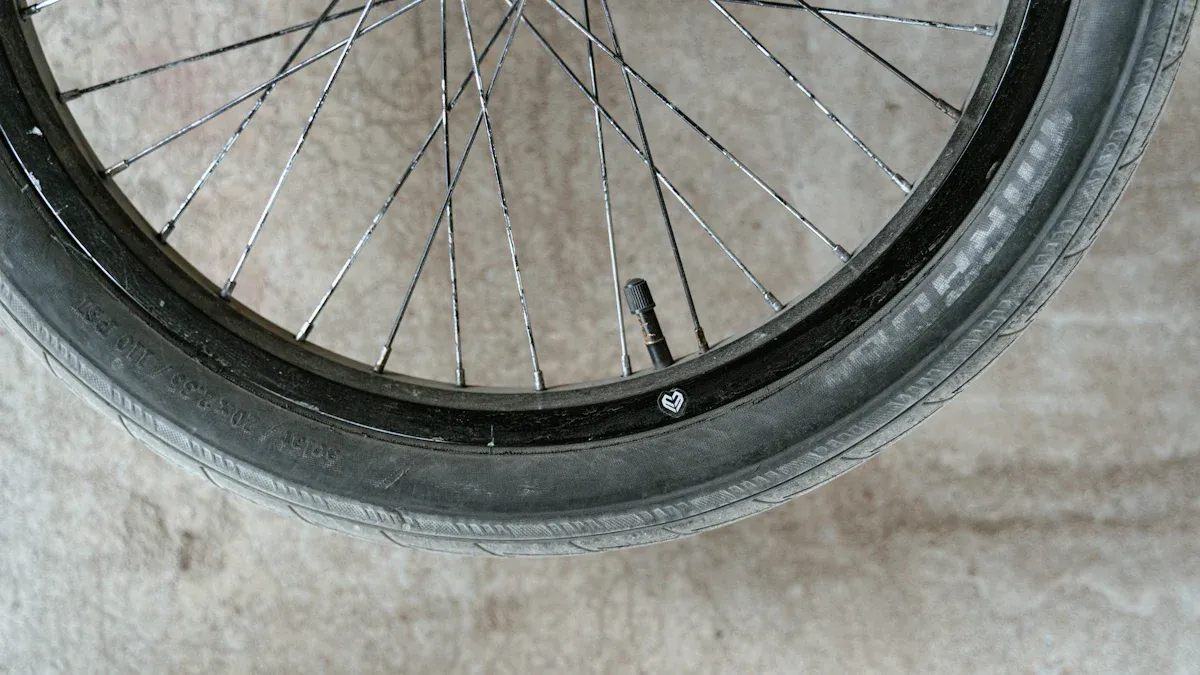
When you choose a valve stem for your car, the rubber valve stem often meets the needs of most everyday drivers. It offers flexibility, easy installation, and a cost-effective solution. The metal valve stem provides extra strength and durability, making it popular for high-performance or heavy-duty vehicles.
Here is a quick comparison to help you see the main differences:
| Feature | Metal Valve Stem | Rubber Valve Stem |
|---|---|---|
| Material | Brass or aluminum | Synthetic rubber |
| Durability & Longevity | Lasts 10+ years with maintenance | Replaced with every tire change |
| Installation | Needs special tools | Simple and flexible |
| Cost | More expensive | Budget-friendly |
| Flexibility | Rigid | Flexible |
What Does a Valve Stem Do?
Purpose of Valve Stems
A valve stem is a small but essential part of your wheel. You use it every time you check or add air to your tires. The main job of a tire valve is to keep air inside the tire and let you add or release air when needed. Without a working valve stem, your tire would lose air quickly, making driving unsafe.
Valve stems act as a sealed gateway for air to enter and exit your tires. They use a spring-loaded mechanism to keep air pressure steady. The cap on the valve stem helps block dirt and moisture, which can cause leaks or damage. Some caps even have rubber washers or O-rings for extra protection.
You should know that even though tire valve stems are small and inexpensive, they play a big role in tire health. If dirt or debris gets inside, it can stop the valve from sealing properly. This can lead to slow leaks or sudden air loss. Regular checks help keep your tires safe and working well.
- The main functions of a valve stem include:
- Keeping tire pressure steady for safe driving.
- Allowing easy inflation and deflation.
- Blocking dirt and moisture from entering the tire.
- Supporting the overall health of your tires.
Why Valve Stem Choice Matters
Choosing the right valve stem affects your safety and how well your car drives. Rubber valve stems are common on most cars. They are flexible and affordable, but they can wear out from sun, heat, and road chemicals. Metal valve stems last longer and seal tightly, but you often see them on heavy-duty or special wheels.
If a valve stem gets damaged, it can cause air leaks. This leads to lower tire pressure, which can make your car harder to handle and stop. It can also lower fuel efficiency and increase the risk of a blowout. You should always check your valve stems for cracks or damage when you check your tires.
Regular inspection and proper maintenance of your valve stems help prevent air leaks and keep your tires in top shape. This simple step supports better tire health and safer driving.
When you pick the right valve stem and take care of it, you help your tires last longer and keep your car running smoothly.
Rubber Valve Stem: Pros and Cons
Affordability and Cost
When you look for a budget-friendly option, rubber valve stems stand out. You can buy them at a lower price than metal ones. Most tire shops include them with new tires at no extra charge. This makes them a smart choice if you want to keep costs down. Because rubber valve stems are so common, you will find them almost everywhere. You do not need to spend much to replace them, which helps you save money over time.
Ease of Installation
You will notice how easy it is to install and remove rubber valve stems. These stems use a snap-in design, so you can push them through the wheel hole by hand. You do not need special tools or extra steps. The pliable material lets you fit them quickly, even if you have never done it before. Tire shops often finish the job in minutes. Unlike metal valve stems, which need a wrench and careful tightening, rubber snap-in valve stems make the process simple. You can install and remove them with standard tools, which saves you time and effort.
- Snap-in rubber valve stems go in fast and do not need special equipment.
- The flexible material helps you get a tight seal without much trouble.
- You can replace them easily during routine tire service.
Flexibility and Everyday Use
Rubber valve stems give you flexibility for daily driving. The soft material bends if you bump a curb or hit debris, which helps prevent damage. You get a good seal that keeps air in your tires. Most passenger cars use rubber valve stems because they handle normal road conditions well. You do not need to worry about harsh impacts or rough roads. Rubber valve stems work best for city driving, errands, and highway trips. They fit most standard wheels and tires, so you can rely on them for everyday use.
Maintenance and Lifespan
You want your tires to last as long as possible, so you need to pay attention to the valve stems. Rubber valve stems do a great job for everyday driving, but they need some care to stay in good shape. Over time, sunlight, heat, and cold can make rubber crack or become brittle. When this happens, air can leak out, and your tires may lose pressure.
Physical damage is another thing to watch for. If you hit a curb or run over debris, the valve stem might get bent or torn. Even small bumps can weaken the rubber. Sometimes, mistakes during tire changes or repairs can also harm the valve stem. If you twist the valve cap too tightly or leave it loose, you might damage the stem or the core inside.
Regular checks and careful handling help you avoid most problems with rubber valve stems. You can keep your tires safe and extend their life with a few simple habits.
Here are some easy steps you can follow to maintain your valve stems and make them last longer:
- Inspect your valve stems often. Look for cracks, splits, or signs of air leaks.
- Always keep a plastic valve cap on each stem. This keeps out dirt and moisture and helps prevent corrosion.
- Avoid using metal caps. They can stick to the stem and cause corrosion.
- Check your tire pressure regularly. Proper inflation helps your tires wear evenly and saves fuel.
- Park your car in a garage or under a cover when possible. This protects the rubber from harsh sunlight and weather.
- If you see cracks or the rubber feels stiff, ask a professional to replace the valve stem.
- Once a year, you can use a silicone-based lubricant on the stem to keep the rubber flexible.
By following these steps, you help prevent air leaks and keep your tires working their best. Good maintenance means you will not have to replace your valve stems as often, and your tires will last longer too.
Metal Valve Stem: Pros and Cons
Durability and Strength
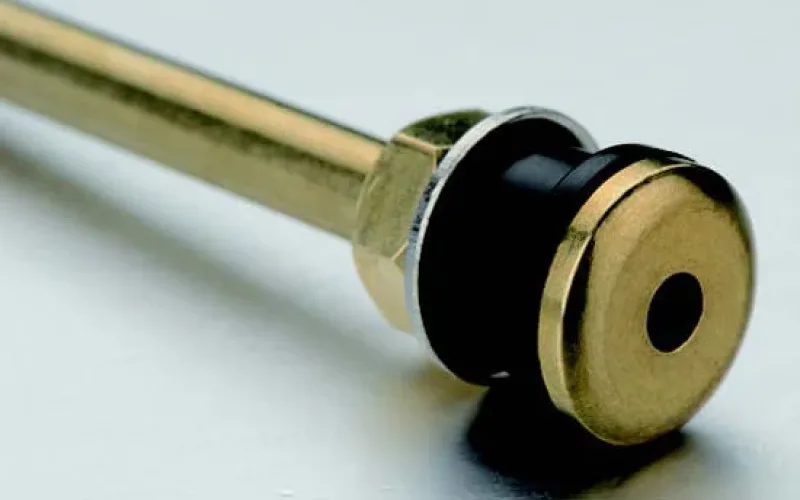
When you want a strong and long-lasting option, metal valve stems stand out. These stems use materials like aluminum or brass, which give them extra strength. You will notice that metal valve stems resist cracking and breaking, even when you drive in tough conditions. Aluminum clamp-in valve stems also offer a lightweight but sturdy choice for many drivers.
Metal valve stems get special surface treatments, such as chrome plating or galvanizing. These treatments help protect the metal from corrosion caused by moisture and road salts. You can count on metal valve stems to last for years, even if you drive in areas with harsh weather. Rubber valve stems, on the other hand, can become brittle and crack from sunlight or extreme temperatures. Metal valve stems keep their shape and seal better over time, making them a favorite for high-performance vehicles.
Handling Higher Pressure
If you drive a high-performance car or a vehicle that needs higher tire pressure, metal valve stems give you the support you need. These stems handle much more air pressure than rubber ones. For example:
- Metal clamp-in valve stems can handle up to 200 PSI.
- Rubber valve stems usually work up to 100 PSI.
- Aluminum valve stems also perform well under high pressure.
You get peace of mind when you use metal valve stems for heavy-duty or high-performance driving. They do not flex or weaken under pressure. This makes them perfect for sports cars, trucks, or vehicles that carry heavy loads. You can trust metal valve stems to keep your tires sealed and safe, even at high speeds or on long trips.
Installation Considerations
Installing metal valve stems takes more care than rubber ones. You need to make sure the stem fits your wheel and matches your tire’s load rating. Some wheels work best with aluminum or brass stems, while others need a different style. You may need special tools to tighten the stem and create a good seal.
Sometimes, you might face challenges during installation. For example, fitting the rubber grommets or bushings can be tricky. You must place them in the right spot—either inside or outside the rim—depending on your wheel type. If you do not install them correctly, you could get air leaks. You also need to check the length of the metal valve stem so it does not interfere with TPMS sensors or wheel covers.
Many high-performance vehicles use metal valve stems because they offer better strength and pressure handling. If you want the best results, ask a professional to install your metal valve stems. This helps you avoid problems and keeps your tires working well.
Cost and Value
When you compare metal and rubber valve stems, you notice differences in both price and long-term value. Rubber valve stems cost less at first. You often find them included with new tires, and you can replace them for just a few dollars. This makes rubber valve stems a popular choice if you want to save money right away.
However, you should think about how often you need to replace rubber valve stems. These stems can wear out faster, especially if you drive in hot or cold weather. Sunlight, road salt, and chemicals can make rubber crack or become brittle. If you use valve stem extenders, rubber stems may loosen and cause leaks. You might find yourself replacing rubber valve stems every time you get new tires or even sooner if you notice air leaks.
Metal valve stems cost more up front. You pay extra for the materials and for installation, which sometimes needs special tools. Despite the higher price, metal valve stems give you better value over time. They last longer because they resist cracking, weather, and pressure changes. Many drivers switch to metal valve stems to avoid leaks and reduce the risk of sudden tire deflation.
Metal valve stems help you save money in the long run by lowering the chance of failure and reducing how often you need replacements.
Here is a quick look at the cost and value differences:
- Rubber valve stems are inexpensive and easy to find.
- You may need to replace rubber stems more often, especially if you use extenders or drive in tough conditions.
- Metal valve stems have a higher initial cost but last much longer.
- You get better reliability and fewer air leaks with metal stems.
- Many drivers choose metal valve stems for long-term savings and peace of mind.
When you decide which valve stem to use, think about both the price today and the value over time. Metal valve stems may cost more now, but they can help you avoid extra repairs and replacements later. Rubber valve stems work well for most daily driving, but you might spend more on maintenance in the long run.
Side-by-Side Comparison: Metal Valve Stem vs. Rubber Valve Stem
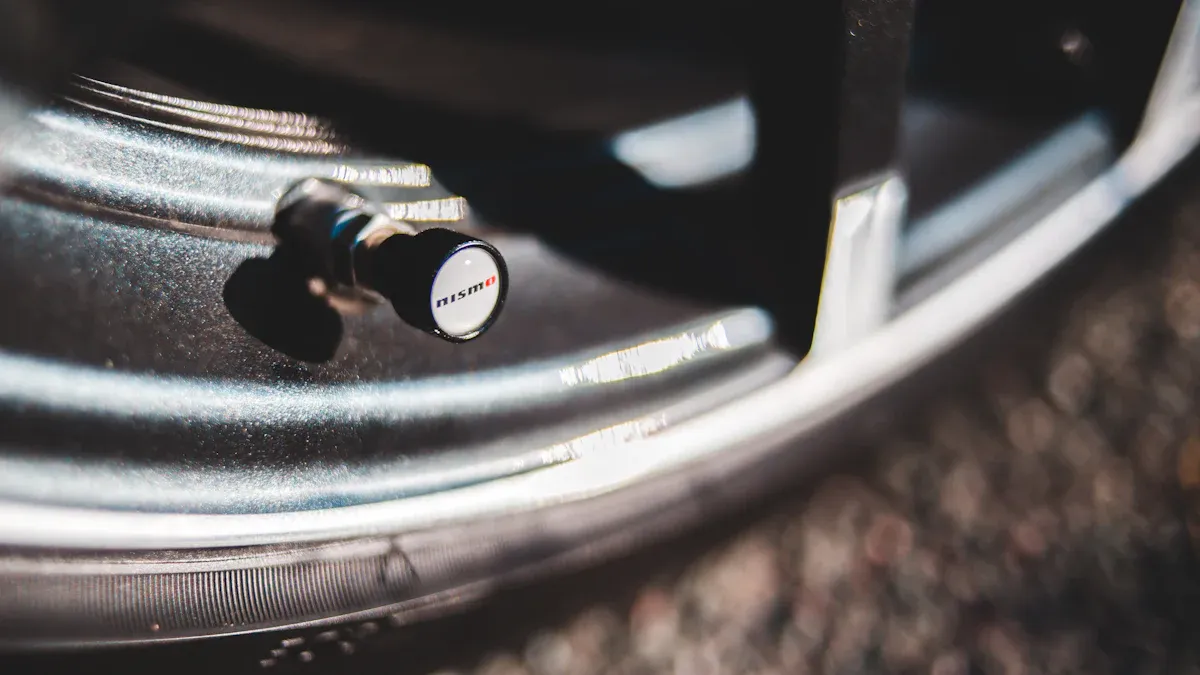
Durability
When you look at durability, you see clear differences between metal valve stems and rubber valve stems. Metal valve stems stand out for their strength and long-lasting performance. You can rely on them for many years, even if you drive in tough conditions or use high-performance tires. Many drivers choose metal valve stems because they resist cracking and breaking. Some people have shared stories about rubber valve stems failing, especially when carrying extra weight from tire pressure sensors. For example, one driver switched to metal valve stems after a rubber stem broke off in a remote area. This shows how important durability can be when you travel far from help.
You will find that metal valve stems handle the extra force from sensors better than rubber valve stems. Some manufacturers even recommend metal valve stems for vehicles with tire pressure monitoring systems. Angled metal valve stems also make it easier for you to add air to your tires. While there is no official laboratory data, many users report that metal valve stems last longer and perform better in real-world use.
- Metal valve stems resist cracking and breaking.
- They support the extra weight of sensors.
- Many drivers trust them for long trips and heavy use.
- Angled designs help you check tire pressure more easily.
Cost
Cost is another important factor when you choose between metal valve stems and rubber valve stems. You will notice that rubber valve stems cost less at first. Most tire shops include them with new tires, so you do not pay extra. If you want to save money right away, rubber valve stems offer a budget-friendly option.
Metal valve stems cost more up front. You pay extra for the materials and for professional installation. However, you should think about long-term value. Metal valve stems last much longer, so you do not need to replace them as often. Over time, you may save money because you avoid extra repairs and replacements. Many drivers see metal valve stems as a smart investment for the future.
Tip: If you drive in harsh conditions or use tire pressure sensors, metal valve stems can help you avoid unexpected costs from sudden valve failure.
Maintenance Needs
You need to take care of both types of valve stems to keep your tires safe. Regular inspection helps you spot problems early. Here is a table to help you compare the maintenance needs for each type:
| Valve Stem Type | Typical Use | Maintenance Needs | Key Considerations |
|---|---|---|---|
| Rubber Valve Stem | Most passenger cars and light trucks | Inspect for cracks and stiffness; keep plastic caps on; use silicone-based lubricant yearly | Flexible and affordable; can crack over time; avoid metal caps to prevent corrosion |
| Metal Valve Stem | High-performance or heavy-duty vehicles | Check for corrosion or rust, especially in winter; professional replacement needed when worn | More durable; can rust in salted conditions; harder to replace; do not bend easily |
You should check your valve stems every time you check your tire pressure. For rubber valve stems, look for cracks or signs of aging. Keep a plastic cap on each stem to block dirt and moisture. A light silicone-based lubricant once a year helps keep the rubber flexible. For metal valve stems, watch for signs of rust or corrosion, especially if you drive on salted roads in winter. Metal valve stems need professional replacement when worn because they are rigid and harder to remove.
Both types need regular visual checks and proper caps. If you see damage or leaks, replace the valve stem right away to keep your tires safe.
Suitability for Different Driving Conditions
When you choose a valve stem, you need to think about where and how you drive. Different driving conditions can affect how well each type of valve stem works. Let’s look at how metal and rubber valve stems perform in various situations.
Everyday City and Highway Driving
Most drivers spend their time on city streets or highways. In these settings, you want a valve stem that is reliable and easy to maintain. Rubber valve stems fit this need well. They offer flexibility and a tight seal for daily use. You can count on them for trips to school, work, or the grocery store. They handle normal bumps and weather changes without trouble.
Off-Road and Rough Terrain
If you drive on gravel roads, rocky trails, or unpaved paths, you need something tougher. Metal valve stems give you extra strength for these rough conditions. They do not crack or break easily when you hit rocks or debris. The clamp-in design of high-pressure metal stems locks them in place, so they stay secure even when your tires take a beating. You get better air retention, which is important when you drive far from help.
- Metal valve stems resist damage from sharp rocks and heavy impacts.
- The sturdy clamp keeps the stem from loosening during bumpy rides.
- High-pressure metal stems work well for trucks, RVs, and vehicles that carry heavy loads.
Extreme Weather: Hot, Cold, and Salty Roads
Weather can change how your valve stems perform. In very hot or cold places, rubber can become brittle or crack. Metal valve stems keep their shape and seal better in these conditions. If you live where roads get salted in winter, you should check your metal valve stems for signs of rust. Salt can cause corrosion over time. Stainless steel or brass stems handle this better than plain metal.
Tip: If you drive in snowy areas, rinse your wheels often to wash away salt and protect your metal valve stems from corrosion.
High-Pressure and Heavy-Duty Use
Some vehicles need higher tire pressure. Trucks, RVs, and industrial vehicles often use tires that run above 65 psi. For these, high-pressure metal valve stems are the best choice. They use a clamp design that locks the stem to the wheel, which helps prevent air leaks. You get peace of mind knowing your tires will hold air even under heavy loads.
Quick Comparison Table
| Driving Condition | Rubber Valve Stem | Metal Valve Stem |
|---|---|---|
| City/Highway | 👍 Flexible, easy to use | 👍 Durable, but more than needed |
| Off-Road/Rough Terrain | 👎 Can crack or tear | 👍 Strong, resists damage |
| Extreme Hot/Cold | 👎 May become brittle | 👍 Keeps seal, resists cracking |
| Salty Winter Roads | 👍 No rust, but can age | ⚠️ Check for corrosion |
| High-Pressure/Heavy Duty | 👎 Not recommended | 👍 Best for high pressure |
Key Points to Remember
- Choose rubber valve stems for regular city or highway driving.
- Pick metal valve stems if you drive off-road, in extreme weather, or need high tire pressure.
- Always check your valve stems for damage, especially after rough trips or harsh weather.
By matching your valve stem to your driving conditions, you help your tires last longer and keep your vehicle safe. 🚗
TPMS Compatibility and Valve Stem Choice
TPMS Sensor Requirements
When you use a tire pressure monitoring system (tpms), you need to make sure your valve stems match the sensor requirements. Tpms sensors work best when the valve stem material fits the sensor type and the driving environment. You will find that most passenger cars use rubber valve stems with dual frequency sensors. These rubber stems provide a reliable seal and help the tpms measure tire pressure accurately. For heavy-duty vehicles or high-heat situations, metal stems like brass or nickel are preferred because they resist heat and pressure.
Here is a table to help you compare valve stem materials for tpms compatibility:
| Valve Stem Material | Compatibility with TPMS | Durability & Environmental Resistance | Application Notes |
|---|---|---|---|
| Rubber | Common in passenger cars; compatible with dual frequency sensors | Affordable, easy to install, but less durable in high heat | Suitable for standard conditions; may wear faster in hot climates |
| Aluminum | Used in specific TPMS repair kits; fits certain sensors | Lightweight but prone to corrosion in salty environments | Best for specific sensor models; environmental exposure is a concern |
| Brass | Preferred for heavy-duty and high-heat applications | Durable, withstands high pressure and temperature | Ideal for trucks and vehicles with high brake heat |
| Nickel | Corrosion-resistant, long-lasting | Excellent for harsh conditions | Recommended for vehicles exposed to extreme environments |
Tip: Always check the rim hole size and tire pressure requirements before you select a valve stem for your tpms.
Metal Valve Stem and TPMS
Metal valve stems work well with many tpms sensors, especially in heavy-duty or high-performance vehicles. You get extra durability and strength, which helps when you drive in tough conditions. Some tpms sensors use a metal body to resist corrosion and last longer. However, metal stems can face corrosion from road salt and moisture. To keep your tpms working well, you should use tpms service kits during tire service. These kits include new seals, hex nuts, and caps to prevent leaks and protect the sensor. Aftermarket metal stems often use corrosion-resistant materials, but you still need to check them during every service visit.
- Metal stems support high-pressure tires and resist heat.
- Regular service with tpms service kits helps prevent corrosion.
- Metal stems do not affect tpms signal reliability.
Rubber Valve Stem and TPMS
Rubber valve stems remain popular for tpms in passenger cars and light trucks. You benefit from easy installation and a flexible seal. Rubber does not corrode, so you avoid many problems that metal stems face. This makes rubber stems a good choice for standard driving and for areas with lots of road salt. However, rubber can crack or become stiff over time, which may cause air leaks and affect tpms accuracy. You should inspect rubber stems during every tire service. Use plastic caps and apply a silicone-based lubricant once a year to extend the life of your valve stems and keep your tpms working well.
- Rubber stems prevent corrosion-related failures in tpms sensors.
- Regular inspection and service help maintain tpms accuracy.
- Rubber stems are designed for dual frequency tpms sensors.
How to Choose the Right Valve Stem for Your Vehicle
Consider Your Driving Habits
You should start by thinking about how you use your car every day. If you mostly drive in the city or on highways, rubber valve stems work well. They handle daily trips, errands, and short commutes with ease. If you often go off-road, take long road trips, or carry heavy loads, you may want to choose metal valve stems. These stems give you extra strength and last longer under tough conditions. When you drive in extreme heat or cold, metal valve stems keep their seal better and resist cracking.
Tip: If you use your vehicle for both city driving and occasional adventures, ask your tire shop during your next service about which valve stem fits your needs best.
Match to Vehicle Type
Your vehicle type plays a big role in the valve stem you should pick. SUVs are heavier and often face rougher roads or longer trips. They need valve stems made from strong materials that can handle more stress and higher temperatures. Many SUVs use diesel or turbocharged engines, which means the valve stem must stand up to more heat and pressure. Sedans, on the other hand, are lighter and focus on fuel efficiency. For sedans, you want a valve stem that seals well and reduces friction. Materials like PTFE or advanced elastomer blends help sedans meet strict emissions rules and keep the engine running smoothly.
A quick table can help you decide:
| Vehicle Type | Best Valve Stem Material | Why? |
|---|---|---|
| SUV | Metal or robust blends | Handles weight, heat, and tough conditions |
| Sedan | PTFE/elastomer blends | Improves efficiency and sealing |
When you bring your car in for service, let the technician know your vehicle type and how you use it. This helps them recommend the right valve stem for you.
Budget and Long-Term Value
You might look at the price first, but think about long-term value too. Metal valve stems cost more up front, but they last much longer. They also give you a solid base for TPMS sensors, which improves reliability. If you use rubber valve stems, you may need to replace them more often, especially if you use extensions or drive in harsh conditions. Metal valve stems also help TPMS sensors detect heat from wheel bearings or brakes, which can alert you to problems early. In one real-world case, a metal valve stem helped a driver spot a brake issue before it became serious.
- Metal valve stems reduce the risk of flats from leaks or damaged extensions.
- The cost of metal stems is often less than the cost of repairing a flat caused by a failed rubber stem.
- When you schedule tire service, ask about the long-term savings of metal valve stems.
Choosing the right valve stem during your next service can save you money and trouble down the road. 🚗
Common Concerns: Leaks, Lifespan, and Replacement

Leaks and Air Loss
You may notice your tire losing air over time. This often points to a leak in the valve stem. Both metal and rubber valve stems can develop slow air leaks. These leaks usually happen because of corrosion, loose fittings, or damage from the environment. Moisture, salt, and dirt can cause metal stems to corrode. If you use a metal valve cap on a metal stem, the metal-to-metal contact can speed up corrosion and lead to a leak. Rubber stems can also develop slow air leaks if they flex too much or face harsh weather. Mixing different metals, like brass cores in aluminum stems, can make corrosion worse. To prevent leaks, always use plastic valve caps and avoid mixing metals. Tire shops recommend replacing all valve stems if one starts to leak, as this helps you avoid future problems.
- Common causes of slow air leaks:
- Corrosion from moisture or salt
- Loose or improperly tightened stems
- Using metal caps on metal stems
- Flexing or damage to rubber stems
Tip: If you notice your tire pressure dropping, ask a professional to check for slow air leaks in your valve stems.
Lifespan and Replacement Timing
Valve stems do not last forever. You should replace them every time you get new tires. This is true for both metal and rubber types. Rubber valve stems can wear out faster, especially if you drive in hot or cold weather. They may also fail sooner if you use external TPMS sensors, which add weight and stress. Metal valve stems last longer, but you still need to replace them if you see signs of wear or corrosion. Some car makers have recalled rubber valve stems in the past because they caused problems with tire pressure sensors. Replacing valve stems during tire changes is a low-cost way to prevent slow air leaks and keep your tires safe.
| Valve Stem Type | Typical Lifespan | Replacement Tip |
|---|---|---|
| Rubber | 1-2 years | Replace with every tire change |
| Metal | Several years | Inspect and replace as needed |
Signs You Need a New Valve Stem
You can spot trouble before it becomes a bigger issue. Watch for these signs that you need to repair or replace your valve stem:
- You see a visible crack or split in the rubber.
- Air bubbles appear when you spray soapy water on the stem.
- The tire loses pressure even after a recent repair.
- The stem feels loose or wobbly when you touch it.
- You notice corrosion or rust on a metal stem.
If you find any of these signs, schedule a repair right away. Ignoring a bad valve stem can lead to slow air leaks or even a flat tire. Regular inspection and quick repair help you avoid bigger problems and keep your car safe on the road.
For most everyday drivers, you will find that rubber valve stems offer the best mix of value, flexibility, and ease of use. Some vehicles and conditions require a different choice.
| Valve Stem Type | Best For | Pressure Rating (psi) |
|---|---|---|
| Rubber Snap-In | Passenger cars, motorcycles, light trucks | Up to 65 |
| High-Pressure Metal Clamp-In | Heavy-duty trucks, track vehicles, TPMS setups | Up to 200 |
| Angled Valve Stems | Tight spaces, off-road, motorcycles | N/A |
Always match the valve stem to your tire’s pressure needs. Check stems when you rotate tires. Use valve caps to block dirt and moisture. For TPMS, ask a professional for help. By following these steps, you keep your tires safe and your ride smooth.
FAQ
How often should you replace your valve stems?
You should replace valve stems every time you get new tires. Rubber stems usually last 1–2 years. Metal stems last longer but need inspection for corrosion. Regular replacement helps prevent air leaks and keeps your tires safe.
Can you mix metal and rubber valve stems on the same vehicle?
You can use both types on one vehicle, but it is best to match all four for consistent performance. Mixing types may cause uneven wear or maintenance needs. Always check your vehicle’s requirements before making changes.
Do valve stems affect tire pressure monitoring systems (TPMS)?
Valve stems play a key role in TPMS accuracy. Rubber and metal stems both work with TPMS, but you must use the correct type for your sensor. Always ask your tire professional for advice when replacing stems with TPMS.
What are the signs of a failing valve stem?
Look for cracks, splits, or air bubbles when you spray soapy water on the stem. A loose or wobbly stem, or unexplained tire pressure loss, also signals trouble. Replace faulty stems right away to avoid flat tires.
Are metal valve stems better for high-speed driving?
Yes, metal valve stems handle higher pressure and resist flexing at high speeds. You get better durability and safety for performance vehicles or long highway trips. Many racing and heavy-duty vehicles use metal stems for this reason.
See Also
Understanding The Common Page Not Found Error
 Request a quote