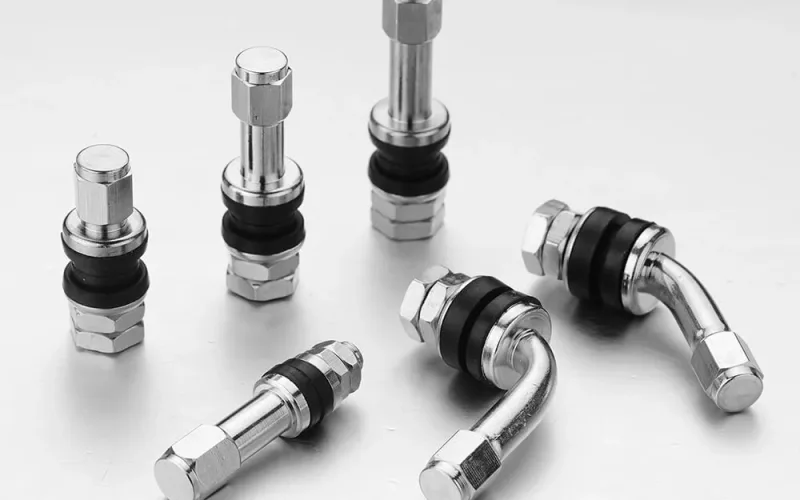
What is the difference between rubber and metal tire valves?
 20Mar
20Mar 

In modern wheel fastening systems, lug bolts, wheel lug nut assemblies, and advanced wheel locks serve as the primary mechanical interface between the wheel and hub. Their structural integrity directly determines clamping force stability, fatigue resistance, and long-term retention under dynamic loads. Inadequate fastener quality or improper torque control remains a leading cause of wheel-end failures in both passenger and commercial vehicles. As a manufacturer specializing in wheel hardware and balancing components, fortune engineers fastening systems with controlled material strength, thread precision, and surface treatment durability to ensure consistent clamp load throughout service life.
Wheel retention depends on controlled preload. When torque is applied to a lug bolt or wheel lug nut, it generates clamping force that secures the wheel against the hub surface. If torque is insufficient, micro-movement occurs under load. If excessive, thread deformation or bolt stretch reduces fatigue life.
Common failure factors include:
Most passenger vehicles specify tightening torque within a calibrated range, typically between 80–160 Nm depending on stud diameter and vehicle class. Deviation outside this range alters clamp force distribution and may lead to progressive loosening.
From an engineering standpoint, fatigue strength under cyclic lateral load is more critical than static tensile strength. Wheel bolts experience repeated shear and bending forces during braking, cornering, and uneven road impact. Verified proof-load testing and cyclic fatigue simulation are essential validation procedures in professional manufacturing environments.
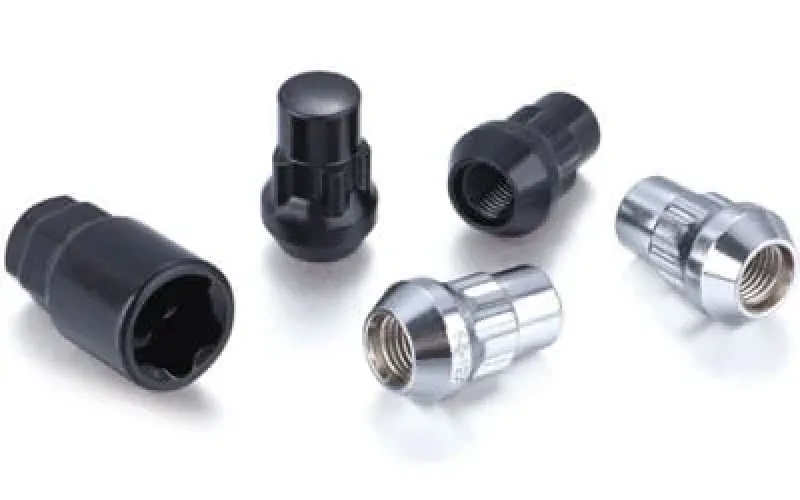
Beyond structural retention, wheel locks provide controlled access protection. Locking systems use coded head patterns or spline configurations that restrict removal without a matched key interface.
Effective security-oriented designs include:
Wheel locks should maintain the same tensile class and seat geometry as standard lug bolts to preserve uniform clamping distribution across the wheel.
Wheel fastening hardware influences more than retention. Clamp force uniformity directly affects:
Inconsistent torque application may cause uneven rotor pressure, leading to pedal pulsation or vibration under braking. Properly manufactured lug bolts with controlled thread tolerances ensure consistent preload and reduced micro-movement between mating surfaces.
Material stiffness also contributes to stability. Fasteners with insufficient yield strength may experience elongation under high lateral loads, reducing clamp force over time.

High-quality lug bolts are typically produced from medium carbon steel or alloy steel, followed by controlled heat treatment to achieve specified mechanical grades. Common strength classifications align with ISO 898-1 mechanical property standards.
Material selection considerations include:
Titanium fasteners reduce mass but require precise torque calibration due to different elastic modulus characteristics compared to steel. In high-volume automotive applications, heat-treated alloy steel remains the most balanced solution for strength, cost control, and durability.
fortune applies cold forging and thread rolling processes to maintain grain flow continuity, improving fatigue resistance compared to cut-thread alternatives.
Wheel bolts must withstand both axial tension and lateral shear loads. Laboratory validation typically includes:
A safety factor above 1.5 for fatigue and above 2.0 for shear loading is commonly targeted in engineering evaluations. Most real-world failures originate from cyclic vibration combined with improper torque, rather than pure tensile overload.
Controlled heat treatment ensures uniform hardness distribution across the shank and thread regions, preventing brittle fracture.
Corrosion reduces effective cross-sectional area and compromises thread engagement. Surface treatments commonly include:
Salt spray testing validates resistance under simulated environmental exposure. Protective coatings must maintain adhesion without affecting torque coefficient consistency.
fortune integrates coating thickness inspection and torque coefficient monitoring to ensure corrosion protection does not interfere with installation accuracy.
Reliable manufacturers align production with recognized quality systems and mechanical standards such as:
Certification alone does not guarantee performance, but documented compliance confirms controlled production processes and mechanical validation.
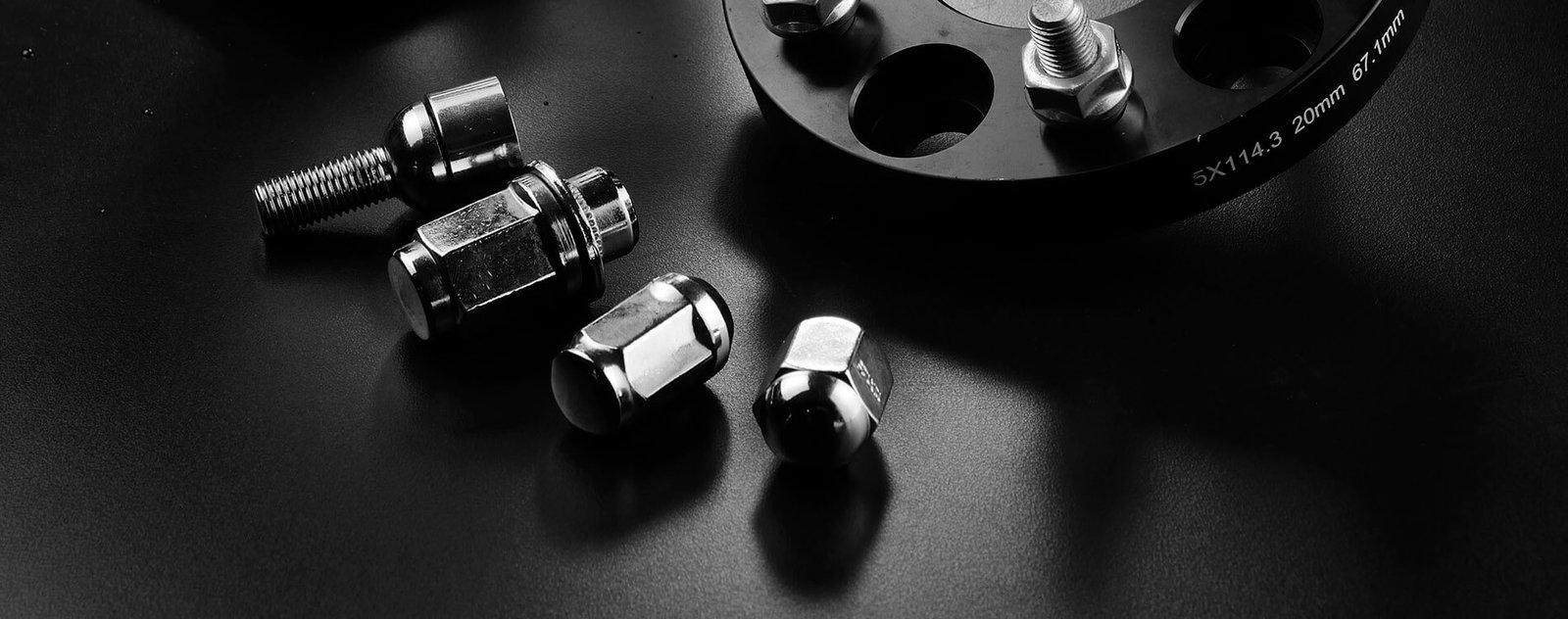
Fortune UltraGrip Pro is engineered from heat-treated carbon alloy steel with controlled thread precision and anti-corrosion coating. The design supports consistent clamp load distribution across common conical-seat wheel applications. Production includes tensile testing, salt spray evaluation, and torque coefficient verification.
The fastening geometry ensures smooth engagement and minimizes cross-threading risk during installation. This configuration is suitable for passenger vehicles, SUVs, and light commercial platforms requiring stable daily-use performance.
Gorilla Automotive produces the 78641N model using heat-treated alloy steel and multi-layer chrome plating. The external spline or patterned head improves theft resistance while maintaining conventional installation compatibility.
Triple plating enhances corrosion durability, particularly in winter climates where de-icing salts accelerate oxidation.
McGard offers the 65357 lug bolt with chrome-plated steel construction and conical 60-degree seat design. Closed-end architecture protects internal threads from moisture and debris intrusion.
Precision manufacturing supports stable seating and consistent torque application.
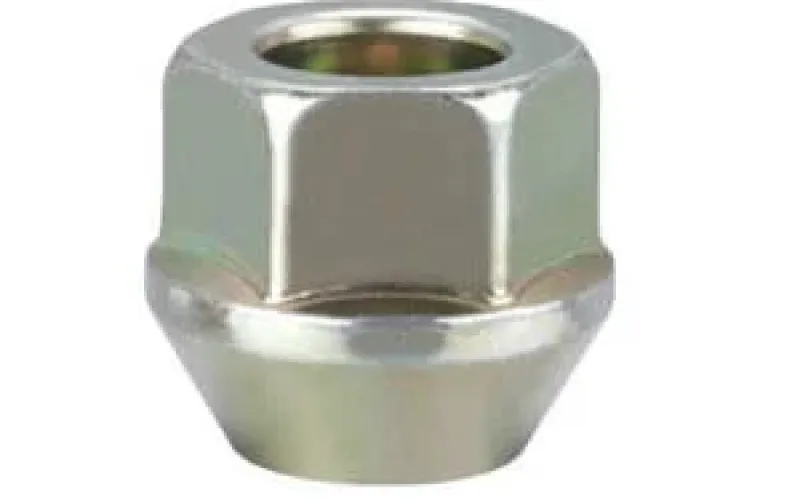
Muteki manufactures the SR48 using chrome vanadium steel for high-strength applications. The open-end design supports extended studs often used in motorsport or modified setups.
Reduced diameter profiles improve compatibility with narrow wheel bores while maintaining torque capacity.
Dorman Products provides the 611-283 as a broad-application replacement lug bolt. Designed for multiple vehicle classes, it focuses on thread precision and corrosion-resistant coating for service environments requiring frequent maintenance cycles.
ACER Racing manufactures titanium lug bolts targeting high-performance and weight-sensitive applications. Titanium’s lower density reduces rotational mass, while high tensile strength supports demanding dynamic conditions. Torque specifications must be carefully controlled due to material elasticity differences.
Vossen Wheels produces lug bolts designed to integrate with ball-seat or conical-seat premium wheel systems. Engineering emphasis is placed on aesthetic compatibility and structural consistency with high-end forged wheels.
Selection requires verification of:
Incorrect seat geometry leads to uneven load distribution and potential wheel damage. Always match bolt specifications to wheel design and hub configuration.
Driving conditions also influence material choice. Off-road or heavy-load applications require higher fatigue resistance and increased inspection frequency. Performance vehicles may prioritize reduced unsprung mass, making titanium variants viable.
Proper installation ensures clamp force stability:
Regular inspection should include:
Corrosion mitigation methods include zinc-based coatings, flake systems, and controlled plating thickness to prevent hydrogen embrittlement in high-strength fasteners.
Lug bolts, wheel lug nut assemblies, and wheel locks are structural fastening components that determine wheel retention integrity, vibration stability, and braking consistency. Material quality, heat treatment control, thread precision, and corrosion protection collectively define long-term reliability.
Trustworthy fastening systems must maintain preload under cyclic loading without fatigue failure or torque loss. Manufacturing validation—including tensile testing, fatigue simulation, and surface treatment inspection—is essential to ensure safety in real-world operation.
Fortune focuses on controlled forging, calibrated heat treatment, and coating verification to produce fastening systems that sustain clamp force stability across diverse driving environments and service conditions.
You want a lug bolt that passes ISO 9001 and SAE J429 tests. Manufacturers use strong materials like carbon steel or titanium. Certified bolts resist corrosion and handle high stress. You get peace of mind knowing experts have tested these bolts for safety.
You should inspect your lug bolts every month. Check them after installing new wheels or driving on rough roads. Safety experts recommend rechecking torque after 50 to 100 miles. Regular checks help you spot problems early.
You should not mix steel and titanium lug bolts. Different materials expand and contract at different rates. This can cause uneven stress and lead to wheel problems. Always use the same type for all wheels.
You need to follow your vehicle’s manual. Most cars require between 60 and 120 foot-pounds. Use a torque wrench for accuracy. Over-tightening or under-tightening can damage your wheels or cause them to come loose.
You must match the seat type, thread pitch, and length to your wheels. Check your owner’s manual or ask a professional. Using the wrong size can cause vibration or unsafe driving. Always confirm compatibility before installation.
 Request a quote