What is the difference between rubber and metal tire valves?
 20Mar
20Mar 


You can easily outsmart wheel thieves with a simple trick. Wheel and tire theft is a growing problem, with insurance claims rising 6% year-over-year. Certain areas and vehicles are targeted more than others.
| Category | Top 3 Markets/Vehicles (2022) |
|---|---|
| Top Wheel & Tire Theft Claim Markets | 1. Los Angeles/Orange County 2. Baltimore/Washington D.C. 3. Atlanta |
| Top Most Victimized Vehicles | 1. Honda Accord 2. Honda Civic 3. Chevrolet 1500 P/U Tahoe Suburban |
The frequency of these theft claims has increased by almost 90% since 2020, making vehicle security more important than ever.
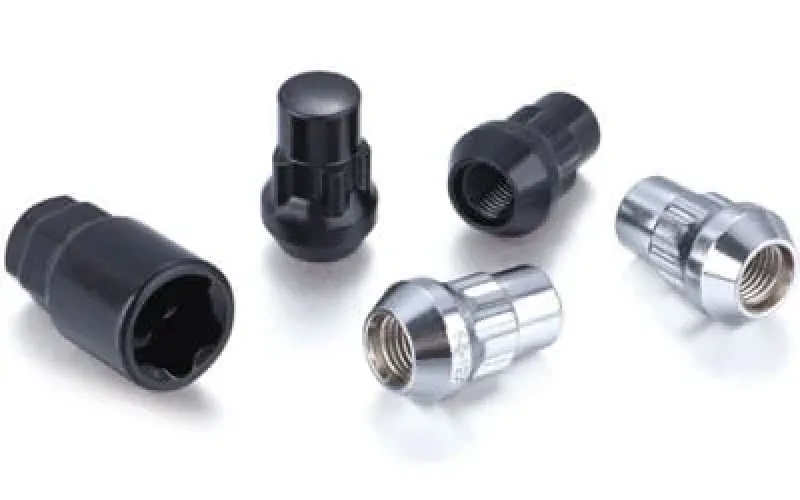
The solution is a locking lug nut system. This system uses one special nut on each wheel that requires its unique matching tool for removal. Without this specific locking lug nut socket, a thief’s standard tools are useless, stopping them cold and keeping your valuable wheels secure.
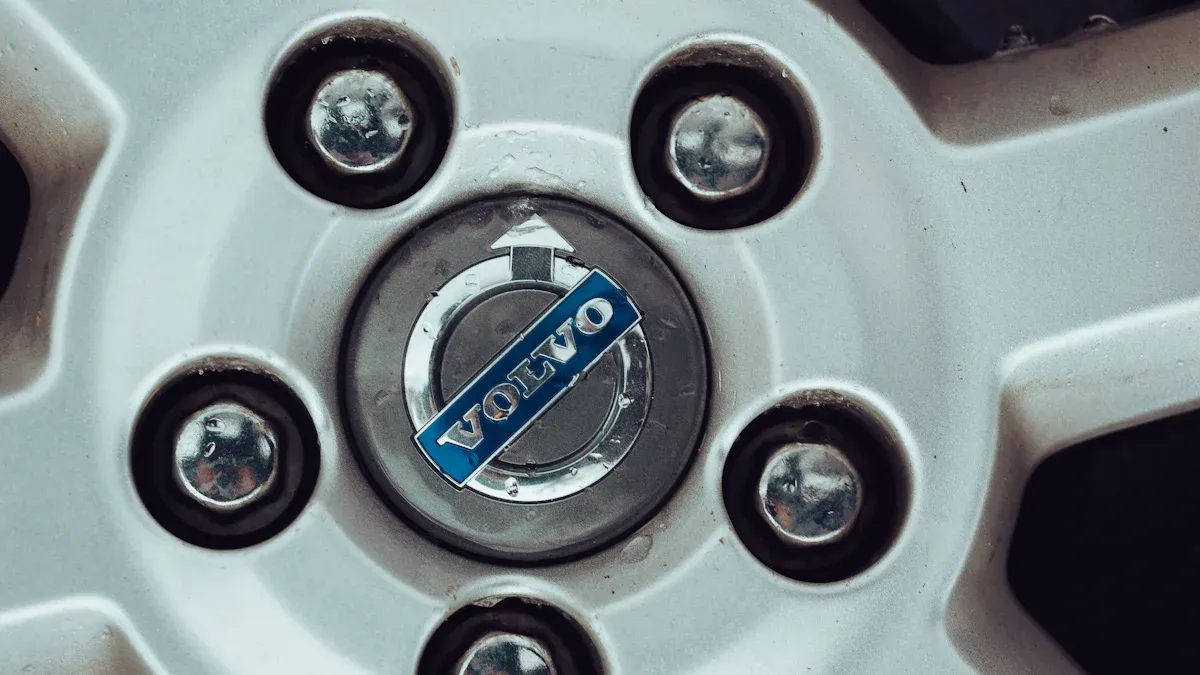
Locking lug nuts provide an affordable, effective line of defense for your wheels. Thieves look for easy targets. They can remove four standard wheels in just minutes. Vehicles with visible wheel locks are far less likely to be targeted. Thieves want to avoid time-consuming or noisy theft attempts.
A locking lug nut replaces one standard lug nut on each of your wheels. Its security comes from a unique, computer-generated pattern. These patterns come in several mechanical designs.
Top-quality locks use superior materials for maximum protection. Manufacturers use heat-treated or through-hardened alloy steel. This process hardens the entire nut, not just the surface, making it incredibly strong. Some security products are even tested by independent organizations like Thatcham Research, which classifies wheel locking devices as a Category 4 security feature.
The locking lug nut is only half of the system. The matching key socket is the other essential piece. This tool is the only thing that can properly engage with the nut’s unique pattern. This tamper-resistant design makes it nearly impossible for a thief to use standard tools.
Without the specific key, a thief’s typical methods will fail. They often try to hammer a slightly smaller socket onto a lock or use a special removal tool. A high-quality, hardened steel locking lug nut resists these brute-force attacks.
The unique key configuration forces thieves to make a choice. They can either spend a lot of time and make a lot of noise trying to break the lock, or they can move on to an easier target. The locking lug nut socket makes your vehicle a much harder target, effectively securing your investment.
Choosing the right locking lug nut kit ensures your wheels are truly secure. You need a set that not only fits your vehicle perfectly but also offers the strength to resist tampering. Making the correct choice involves understanding your options and your car’s specific requirements.
You can get locking lug nuts from your car’s manufacturer (OEM) or from a specialized aftermarket company. OEM locks are designed to meet your car maker’s security standards. However, aftermarket brands often provide advanced security features that can be more resistant to tampering.
Aftermarket kits can also offer superior performance.
Price is another major difference. Dealerships often sell OEM kits at a significant markup. In many cases, these are just rebranded aftermarket products you could buy for less.
| Product Type | Brand/Description | Typical Price |
|---|---|---|
| OEM Wheel Locks | Manufacturer-Branded | $90.00 |
| Aftermarket Wheel Locks | McGard #24526 (5-lock set) | $37.00 |
Choosing a reputable aftermarket brand with strong reviews gives you access to top-tier security, often at a better price.
A perfect fit is non-negotiable for safety. A locking lug nut must match your vehicle’s wheel studs and wheel mounting surface precisely. You can identify the correct specifications by following a few simple steps.
The seat type is especially important. Using the wrong one creates a tiny contact point, which is extremely dangerous. There are three common types:
| Seat Type | Visual Identifier | Typical Applications |
|---|---|---|
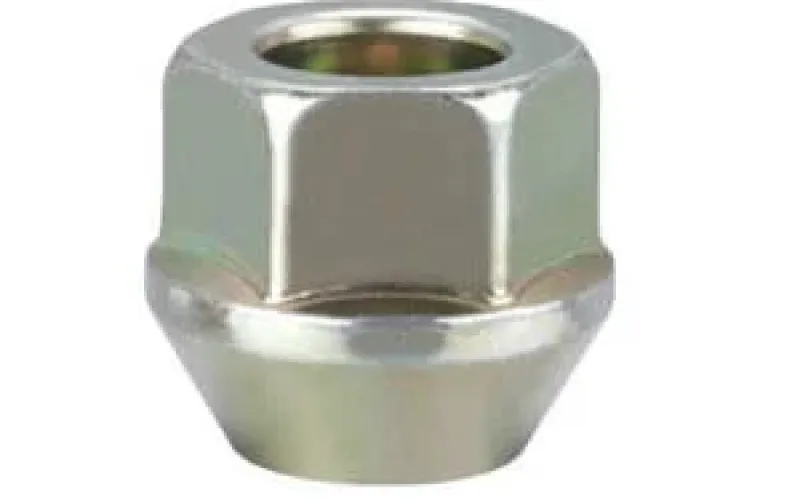
| Conical (Acorn) | Tapered 60° cone shape | Most aftermarket wheels |
| Ball (Radius) | Rounded, spherical end | Many European cars (Audi, VW, Mercedes) |
| Shank (Mag) | Flat with a washer and a straight shank | Some older Japanese and American cars |
Safety Warning: Never use the wrong size or seat type. An incorrect fit can damage your wheel hub or cross-thread the studs. Ultimately, it can cause the wheel to become loose or even detach while you are driving.
The best locking lug nut kits are defined by the materials they are made from. Strength and corrosion resistance are the two most important factors for security and longevity.
Strength (Tensile Strength) Tensile strength measures how much force a nut can withstand before breaking. Higher numbers are better.
Corrosion Resistance Your lug nuts are constantly exposed to water, salt, and road grime. Good corrosion resistance prevents them from rusting and seizing to the stud.
| Material | Strength | Corrosion Resistance |
|---|---|---|
| Titanium Alloy | Very High | Very High |
| Stainless Steel | Medium | Very High |
| Forged Aluminum | Medium | High |
| Carbon Steel | High | Low (requires protective coating) |
High-quality steel nuts often have a special coating, like Dacromet, to prevent rust. Titanium and aluminum naturally resist corrosion, making them great choices for harsh weather conditions. A premium locking lug nut socket and nut set made from superior materials gives you confidence that your wheels are protected by the best technology available.
Your locking lug nuts are only effective when you use and care for them correctly. Proper handling prevents damage and ensures you can remove your wheels when needed. Following a few simple rules will protect your investment and keep your security system working perfectly.
Correct installation is crucial for both safety and security. Always follow a precise method to avoid damaging the nut or the key.
The unique pattern on your key and nut is what provides security. Damaging this pattern can make wheel removal extremely difficult, even for you. You can easily avoid this problem.
Pro Tip: Always use hand tools for your locking lug nuts. If a mechanic has used an impact wrench and damaged your key, you may face a difficult removal process. It is best to prevent this damage from ever happening.
Losing your key is a major headache. You must store it in a place that is both secure from thieves and easy for you to remember. A thief who finds the key can defeat your entire security system.
Keep your locking lug nut socket in a secure, hidden location inside your vehicle. Good options include:
Choose one spot and always return the key there after use. This ensures you can always find it for tire rotations or emergency flat tire changes.
Losing your locking lug nut key can be stressful, but you have several options to solve the problem. Before you panic, take a moment to search for it thoroughly.
If you still cannot find the key, you can order a replacement or have the locks professionally removed.
You can order a replacement key directly from your car’s dealership. The dealership can identify the correct key for your factory-installed wheel locks. Many dealers, like those for Honda or Acura, have master key sets to find a match quickly.
To order a new key, you will need some information. The dealership service typically costs around $30.
Aftermarket brands also make it simple to get a new key. Most manufacturers let you order a replacement locking lug nut socket online. For example, McGard customers can visit cs.mcgard.com to place an order. You can also call the company’s customer service department for help. For McGard, the number is 1-800-444-5847, and they are available on weekdays. You will likely need the key code that came with your lock set.
If you need your wheels removed immediately, a professional mechanic or tire shop can help. They have special tools designed to remove locking lug nuts without the key. This service is a fast solution, but it will destroy the locking nuts in the process. You will need to buy a new set afterward. The cost for this service is generally affordable.
| Service Type | Average Cost (USD) |
|---|---|
| Garage/Service Center Removal (4 wheels) | $90 |
| Mobile Mechanic Removal (4 wheels) | $100 |
A locking lug nut and socket set is a small investment that provides major peace of mind. Thieves target wheels because they are valuable and easy to resell. Replacing a full set can be incredibly expensive.
| Wheel Type | Cost Range (per wheel with tire) |
|---|---|
| Economy Steel Wheel | $50 – $200 |
| Factory Alloy (mid-range SUV/truck) | $150 – $600 |
| Aftermarket Branded Alloy | $300 – $2,000+ |
This one specialized tool is the most effective deterrent to protect your investment. It increases the time and effort required for theft, making your vehicle a less appealing target. Secure your wheels today and deny thieves an easy payday.
No, you cannot use one key for different cars. Each locking lug nut set has a unique, computer-generated pattern. This design ensures that only the specific key sold with your set can remove the nuts, providing maximum security for your vehicle’s wheels.
Locking lug nuts do not affect your wheel balance. They weigh nearly the same as standard lug nuts. A quality locking nut is precision-machined to match the weight of your original hardware. Your car’s performance and ride quality will remain unchanged after proper installation.
You should install one locking lug nut on each wheel. This is enough to deter thieves. Replacing one standard nut with a locking one makes it impossible to remove the wheel with normal tools. This simple step effectively secures the entire wheel assembly.
While no security device is 100% theft-proof, locking lug nuts are a powerful deterrent. They make stealing your wheels much harder and more time-consuming. This increased difficulty persuades most thieves to move on to an easier, unprotected target.
 Request a quote