 13Mar
13Mar 

Choosing the appropriate wheel weight for your vehicle begins with understanding your wheel and rim materials. Steel wheels commonly use knock-on wheel weights for easy installation and reliable balance. Stick-on wheel weights are ideal for alloy or custom wheels, ensuring the safety of your rims and preserving the sharp appearance of your wheels. Different rim materials react to balancing methods in unique ways:
| Rim Material | Characteristics | Influence on Wheel Weight Selection |
|---|---|---|
| Steel | Durable, heavy, cost-effective | Best suited for knock-on weights due to durability and repairability |
| Aluminum Alloy | Lightweight, stylish, strong | Needs stick-on weights for balance and aesthetic preservation |
| Carbon Fiber | Lightest, high-performance, costly | Requires a carefully selected wheel balancing solution |
Having your tires and wheels balanced ensures a smooth driving experience. A proper wheel balancing solution enhances vehicle longevity and performance, regardless of the wheel weight type chosen.
Knock-On Wheel Weights Explained
What Are Knock-On Wheel Weights?
Sometimes referred to as clip-on wheel weights, these small metal weights attach directly to the rim of your wheel. They help correct tire imbalances. Knock-on weights come in various shapes and sizes to accommodate different wheel types. While they’re typically found on steel wheels, they also work on wheels with ceramic or glossy finishes. Their design allows for a secure grip, even on wheels where other balancing weights might struggle to stay in place.
Manufacturers use a range of materials to make these weights. Historically, lead was common due to its softness and ease of shaping, but today, steel and zinc are more frequently used. Steel is sturdy and resistant to rust when coated, while zinc, though harder to shape, is still a popular choice. Some manufacturers even use plastic composites. The material chosen influences installation ease and how well the weight stays put. When selecting a wheel weight, ensure it fits your wheel and complies with environmental standards.
How Knock-On Wheel Weights Work
When balancing your wheels, weight needs to be added at specific points on the rim. Clip-on wheel weights offer a faster and easier installation process compared to many other types. A specialized hammer is used to tap the weight onto the rim’s lip, where it clips securely into place. This strong grip prevents the weight from shifting, even on bumpy roads.
To use them, start by using wheel balancing equipment to pinpoint where additional weight is needed. Once the correct size clip-on weight is chosen, tap it onto the rim. The added weight helps your tire spin smoothly, minimizing vibrations and ensuring a more comfortable ride. Should you need to remove or replace the weight, it can be done without damaging the rim. Clip-on wheel weights provide a straightforward and effective solution for achieving proper wheel balance, contributing to longer tire life and improved safety. Many drivers prefer clip-on weights for their quick installation and secure hold, especially on steel wheels.
Tip: Always verify that your wheel balancing weights are properly installed. Proper balance ensures a smooth ride and protects your tires.
Stick-On Wheel Weights Explained
What Are Stick-On Wheel Weights?
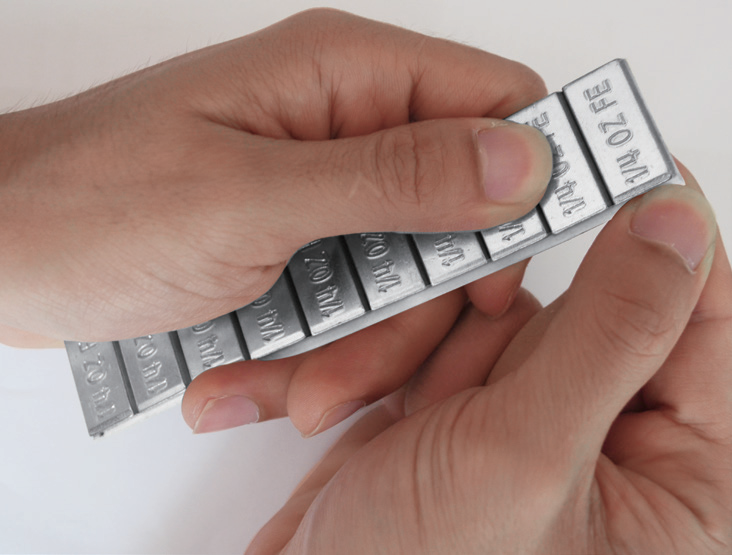
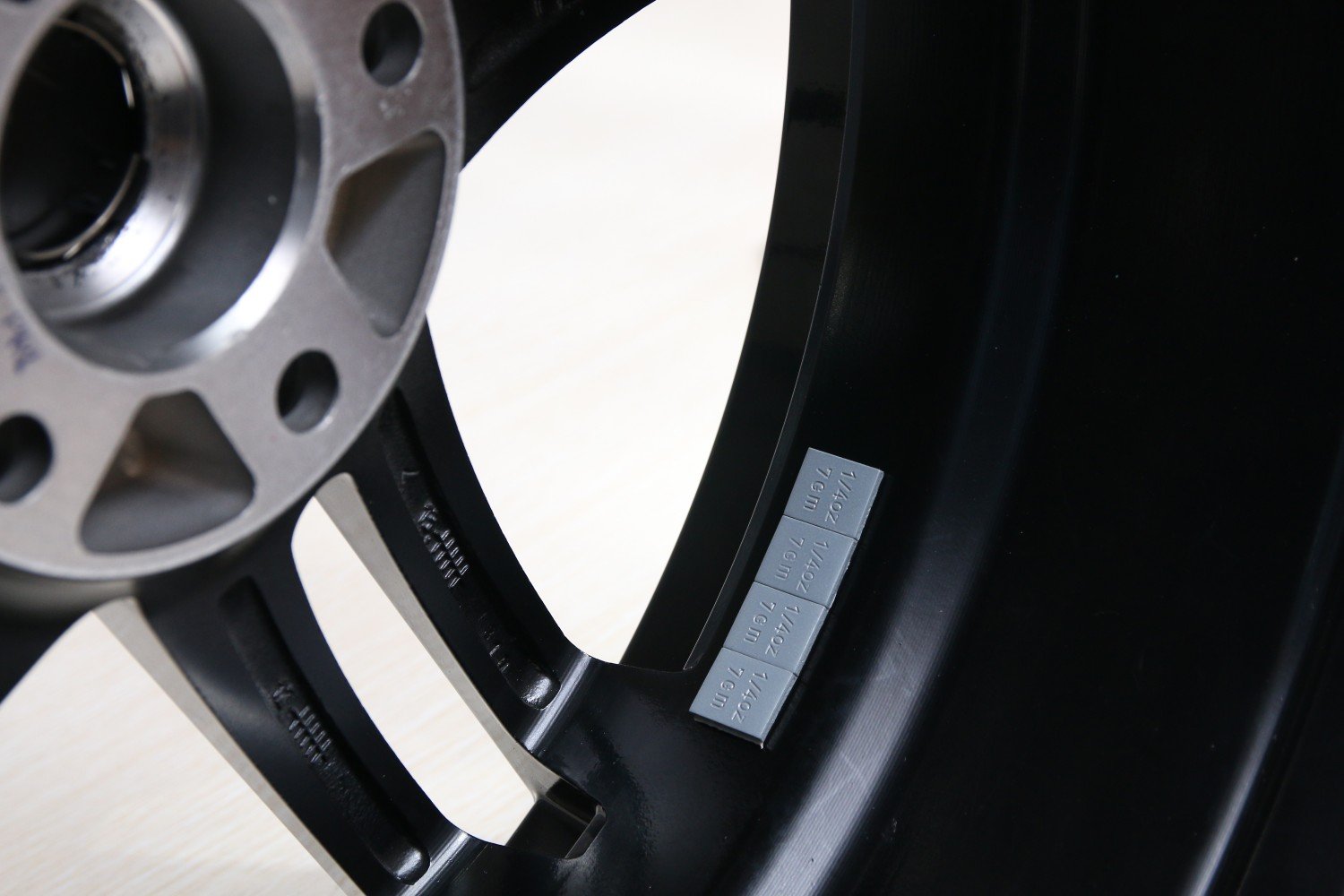
Stick-on wheel weights are widely used for balancing modern wheels, especially those made of aluminum alloy or featuring custom finishes. These adhesive wheel weights are chosen when you want to maintain a clean look for your wheels without visible clips. Each stick-on weight is slim and flat, allowing it to be applied directly to the inside of the wheel rim. This method conceals the weight while also preventing any damage to the rim surface. Many drivers prefer adhesive wheel weights because they work well with custom wheel designs and help maintain a smooth ride.
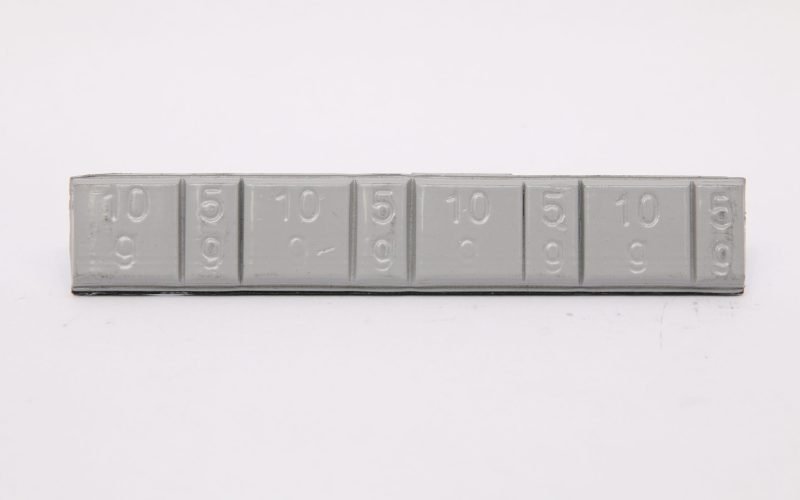
Available in various sizes and materials, stick-on weights are commonly made from zinc or steel. These materials are eco-friendly and durable enough for long-term use. The design of stick-on weights allows them to be cut or broken into smaller segments, ensuring precise weight distribution for perfect balance. Tire shops often use stick-on wheel weights for alloy wheels, as traditional clip-on weights might damage the wheel finish.
How Stick-On Wheel Weights Work
Stick-on wheel weights employ advanced adhesive technology to ensure a firm attachment to your wheels. The sticky backing uses high-temperature resistant acrylic adhesives, which perform well on alloy wheels and can withstand both extreme heat and cold. Before installing adhesive weights, thoroughly clean the wheel surface to remove any oil or dust. A clean, smooth surface is crucial for the adhesive to bond properly.
Once the adhesive weight is applied, press it firmly onto the rim to ensure a strong grip. Brands like 3M and Norton offer adhesive tapes that remain securely attached even under demanding conditions, lasting for up to 24 hours. The segmented nature of these wheel weights allows them to fit snugly around the curve of the wheel, ensuring a tight fit. These weights undergo various tests, including salt spray and temperature resistance tests, to ensure they last and do not fall off. Stick-on wheel weights are a reliable solution for keeping your wheels balanced and your ride smooth.
Tip: Always apply the correct amount of pressure when installing adhesive wheel weights. This ensures better adhesion and maintains accurate wheel balance.
Knock-On Wheel Weights vs Stick-On Wheel Weights: Key Differences

Comparison Table of Features
You want to know how clip-on wheel weights and stick-on wheel weights compare. The table below shows the main features side by side. This helps you see which balancing method fits your needs best.
| Performance Aspect | Stick-On (Adhesive) Wheel Weights | Knock-On (Clip-On) Wheel Weights |
|---|---|---|
| Appearance | Sleek, hidden inside the wheel; keeps alloy finish looking new | More visible on the rim; may stand out on alloy wheels |
| Installation | Needs a clean wheel surface; press adhesive weight on for a simple process | Clips onto rim edge with a tap or hammer; quick and easy in tire shops |
| Durability | Can fall off if the wheel hits a curb or gets very dirty | Clips on securely; stays in place during normal driving |
| Suitability | Best for alloy wheels; adhesive does not harm the finish | Works on many wheels; used in most general applications |
| Adjustability | Removal possible but needs a special tool; not as easy to adjust | Easy to add or move without special tools |
Note: Both types of wheel weight help you achieve proper balance and a smooth ride. The right choice depends on your wheel type and what you want from your vehicle.
Main Differences Summarized
You see many differences when you compare clip-on wheel weights and stick-on wheel weights. Each type has its own strengths for wheel balancing.
- Appearance: Stick-on wheel weights stay hidden inside the wheel. You keep your alloy wheels looking clean and stylish. Clip-on wheel weights sit on the rim edge. You may notice them more, especially on shiny or custom wheels.
- Installation: Stick-on weights need a clean surface. You press them on by hand. This process is simple, but you must prepare the wheel first. Clip-on weights install fast. You tap them onto the rim with a hammer. Tire shops use this method for quick service.
- Durability: Clip-on wheel weights hold tight. They rarely fall off during normal use. Stick-on weights use strong adhesive, but they can come loose if the wheel scrapes a curb or gets very dirty.
- Suitability: Stick-on wheel weights work best for alloy and custom wheels. The adhesive does not scratch or damage the finish. Clip-on weights fit many types of wheels. You see them often on steel wheels and in general balancing jobs.
- Adjustability: You can move or replace clip-on wheel weights easily. You do not need special tools. Stick-on weights need a special tool for removal. Adjusting them takes more time.
You want the best balance for your wheels. If you care about looks and rim protection, stick-on wheel weights may suit you. If you want fast installation and a secure hold, clip-on wheel weights offer a strong choice. Both types help you achieve smooth wheel balancing and better driving comfort.
Pros and Cons of Knock-On Wheel Weights
Advantages of Knock-On Wheel Weights
When you look at the pros of knock-on wheel weights, you see why many drivers and technicians choose them for steel wheels. You can attach and replace these weights much faster than adhesive types. This saves time in the shop and gets you back on the road quickly. You often need fewer weights to balance a tire, which means less material on your wheels and a cleaner look.
Knock-on wheel weights clip directly onto the rim. This design keeps them out of the way of other wheel parts, so you do not have to worry about interference. Their high strength lets them handle more impact and vibration. You can drive on rough roads, and the weights stay secure. These weights work especially well with steel wheels because the materials match. The installation process is simple. You just knock the weight onto the rim, and it stays in place. The high density of these weights means you get enough counterweight in a small size, which helps meet strict balance needs.
Tip: If you want a reliable and quick solution for balancing steel wheels, knock-on wheel weights offer many pros that make your job easier.
Disadvantages of Knock-On Wheel Weights
You should also consider the cons when choosing knock-on wheel weights. Some wheel types, like alloy or custom rims, may not work well with this method. The clip can sometimes scratch or mark the rim if you do not install it carefully. You might notice the weights on the outside of the wheel, which can affect the look of your car. If you want a hidden balance solution, this could be a drawback.
Another point to think about is compatibility. Knock-on wheel weights fit best on steel wheels. If you use them on other materials, you may not get the same secure hold. You need to check your wheel type before you choose this method. When you weigh the pros and cons, you see that knock-on wheel weights work best for certain wheels and driving needs.
Note: Always match your wheel weight to your rim material for the best results. Knowing the pros and cons helps you make a smart choice for your vehicle.
Pros and Cons of Stick-On Wheel Weights
Advantages of Stick-On Wheel Weights
You get many benefits when you choose adhesive wheel weights for your vehicle. These weights use lead-free materials like zinc and composites, which help protect the environment. They meet strict rules such as the EU’s REACH and California’s Proposition 65. You can use them on alloy and custom wheels without worrying about scratches or damage. The adhesive backing keeps your rims looking new and clean.
Adhesive wheel weights offer a slim, low-profile design. You can hide them inside the wheel, so your car keeps its stylish look. They work well with low-profile tires and modern wheel designs. You also get strong corrosion resistance, which means these weights last longer even in tough weather. The adhesive holds up in both hot and cold temperatures, so you can drive with confidence all year.
Tip: Always clean and dry your wheel surface before applying adhesive wheel weights. This step helps the weights stick better and last longer.
Disadvantages of Stick-On Wheel Weights
You should also know about the challenges of adhesive wheel weights. In the past, these weights sometimes lost their grip in very hot or cold weather. Today, new adhesives can handle temperatures below freezing and above 200 degrees Fahrenheit. Still, if you do not prepare the wheel surface well, the weights may not stick as long as you want. Dirt, oil, or moisture can weaken the bond.
You may also find it harder to remove or adjust adhesive wheel weights compared to clip-on types. You need special tools to take them off cleanly. If you drive in areas with lots of road salt or mud, check your wheels often to make sure the weights stay in place. Knowing the pros and cons helps you decide if adhesive wheel weights are the right choice for your wheels and driving needs.
FAQ
What happens if you drive with unbalanced wheels?
You may feel vibrations in your steering wheel or seat. Unbalanced wheels can cause uneven tire wear. Your car may not handle well. Over time, this can damage your suspension and steering parts. Always balance your wheels for a smoother, safer ride.
Can you reuse wheel weights after removing them?
You should not reuse wheel weights. Once removed, the clip or adhesive may not hold as well. New weights give you a secure fit and better balance. Always use fresh wheel weights for the best results.
How do you know if your wheel weights fell off?
You might notice shaking or vibration while driving. Your tires may wear unevenly. Sometimes, you can see missing weights on your rims. If you suspect a problem, visit a tire shop for a quick check.
Are stick-on wheel weights safe for high speeds?
Yes, stick-on wheel weights are safe for high speeds when installed correctly. You must clean the wheel surface before applying. High-quality adhesives keep the weights secure, even on highways or during fast driving.
Do wheel weights affect fuel economy?
Balanced wheels help your tires roll smoothly. This reduces rolling resistance and can improve fuel economy. If your wheels are not balanced, your car works harder, which may use more fuel. Proper wheel weights support better gas mileage.


 Request a quote