 04Feb
04Feb 


Most drivers think servicing TPMS valves is worth it. TPMS valves help prevent surprise tire issues and protect you from expensive repairs. A metal TPMS valve, like the ones Fortune sells, is stronger than a TPMS rubber valve stem. Metal valves perform better in harsh conditions. Drivers who choose quality TPMS accessories feel safer and worry less. Every car and driver is unique, so it’s important for drivers to consider their own needs before selecting TPMS service.
Key Takeaways
Getting TPMS valve service often stops tire problems and saves money. Metal TPMS valves are tougher and last longer than rubber ones. They work better when the weather is bad. Watch for things like changing tire pressure or warning lights on your dashboard. These signs tell you it is time to check your TPMS valves. When TPMS valves are taken care of, they help keep you safe. They warn drivers about tire pressure issues and help prevent accidents. Check your TPMS valves when you change or rotate your tires. This makes sure they work well and are in good shape.
What Is TPMS Valve Service

TPMS valves are important for car safety. They work with TPMS sensors to check air pressure in each tire. If the pressure is too low or too high, the system warns the driver. This can stop flat tires and blowouts. It also helps tires wear evenly. TPMS valves help drivers save money by finding problems early.
How TPMS Valves Work
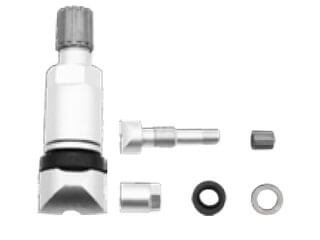
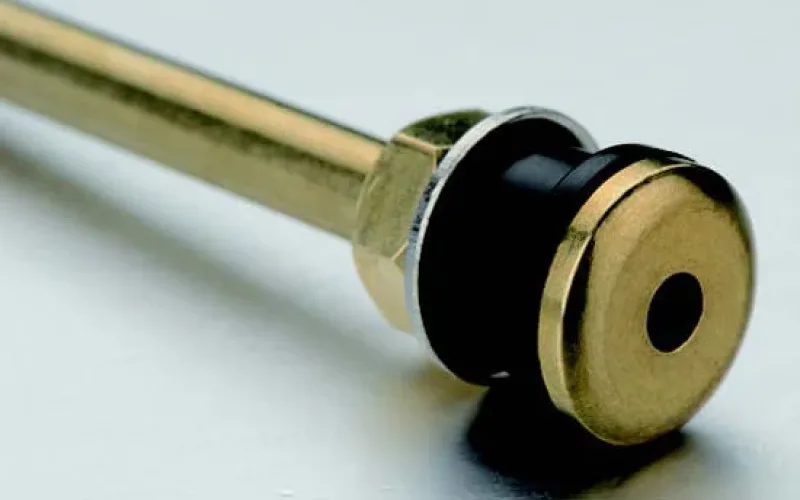
TPMS valves attach to the tire and wheel. They let the TPMS sensors check air pressure. The sensors send this data to the dashboard. The system uses this to warn about unsafe tire pressure. Cars use rubber or metal TPMS valves. Metal valves, like Fortune Metal TPMS Valves, are stronger and last longer than rubber ones.
Metal TPMS valves do not get damaged by bad weather or road salt. They keep a good seal. This helps the TPMS sensor parts last longer and work better.
Common TPMS Service Procedures
TPMS service has a few steps to keep it working:
Check TPMS valves for cracks, leaks, or rust.
Replace valves that are old or broken.
Check TPMS sensors for battery and signal.
Make sure the system reads pressure correctly.
Put in new TPMS valves when changing tires.
Many drivers pick metal TPMS valves when replacing them. Metal valves handle shaking and pressure better than rubber ones. Rubber stems can wear out fast, especially with outside sensors. Metal stems last longer and do not leak from touching the rim.
Signs You Need TPMS Valve Service
Drivers should look for these signs:
Tire pressure numbers that change a lot.
No pressure data for one or more tires.
Warnings like “Tire Sensor Fault” on the dash.
All tires showing the same PSI, which may be wrong.
Using more gas or the car feels different.
If you see these signs, you may need TPMS service or new valves to keep the system safe.
Benefits of Regular TPMS Valve Service
Ensuring Accurate Tire Pressure
Getting TPMS service often helps keep tires filled right. When TPMS valves work well, the system finds wrong air pressure fast. This helps stop air leaks and keeps tires safe. Drivers who check TPMS often can stop problems like flat or overfilled tires. Good metal valves, like Fortune’s, help the sensor get the right data. This makes sure the dashboard shows the right pressure. Drivers know when to add or let out air.
Extending TPMS Sensor Life
TPMS sensors can break if not cared for. Dirt, water, and rust can hurt the sensor and valve. Metal TPMS valves, like Fortune’s, do not rust or break in bad weather. This helps the sensor last longer. When drivers take care of their TPMS, they lower the chance of sensor problems. Regular service also stops air leaks, which can hurt the sensor. Keeping the sensor working saves money and stops surprise repairs.
Improving Safety and Performance
TPMS helps keep cars safe. The system gives alerts if tire pressure is wrong. This helps drivers avoid crashes from bad tire pressure. The National Highway Traffic Safety Administration says tire problems cause many crashes. TPMS sensors help lower these crashes by keeping tires filled right. The table below shows how TPMS service helps safety:
Evidence Description | Impact on Vehicle Safety |
|---|---|
TPMS sensors give alerts for tire pressure problems. | Helps stop crashes from low tire pressure. |
The NHTSA says tire problems cause many crashes. | TPMS sensors help lower these crashes by keeping tires safe. |
Checking sensor readings keeps tires filled right. | Helps keep cars safe, saves gas, and stops tire wear. |
Drivers who use metal TPMS valves get more safety. These valves stop leaks and keep the system working in hard weather. Good TPMS service means cars handle better, stop faster, and trips are safer.
Enhancing Fuel Efficiency
Tires filled right help cars use less gas. TPMS tells drivers when to fix tire pressure. When tires have the right pressure, cars move better and use less fuel. This saves money at the gas station. Regular TPMS service and strong metal valves, like Fortune’s, keep the system working right. Drivers who care for their TPMS valves get better gas mileage and longer tire life.
Tip: Get TPMS service every time you change or rotate tires. This easy step can stop air leaks and keep your car safe and running well.
Who Should Prioritize TPMS Valve Service
High-Mileage and Commercial Drivers
Drivers who drive a lot or use work vehicles should get TPMS valve service. These cars and trucks use their tires and sensors more. Regular service helps stop sudden problems. It also keeps the TPMS light off during trips. Commercial drivers need correct tire pressure to stay safe and avoid delays.
Harsh Climate and Road Conditions
Cars in tough weather have more problems. Hot or cold weather, wet air, and road salt can hurt sensors. Slush and salt can make metal stems rust. This can cause leaks or sensor trouble. Big temperature changes can also change tire pressure and hurt batteries. Drivers in these places should get TPMS service often to keep things working.
Tip: If you live where it gets very hot or cold, check the TPMS light a lot. Get your tires checked before each season starts.
Older Vehicles vs. Newer Vehicles
Old and new cars have different TPMS systems. The table below shows how they are not the same:
Type of TPMS | Description | Service Needs |
|---|---|---|
Direct TPMS | Has sensors inside the tires to check pressure. | Costs more to put in and fix because each tire has a sensor. |
Indirect TPMS | Uses wheel speed sensors to guess tire pressure. | Cheaper but may not be as exact as direct TPMS. |
Older cars usually have indirect systems. These can be wrong if all tires lose air at once. Newer cars have better systems that work more reliably. Both types need regular TPMS service to give correct numbers.
Frequent Tire Changes
People who switch tires a lot, like for winter or racing, should watch TPMS valves. Changing tires often can hurt the valves. Using a TPMS Service Kit when changing tires helps fix old seals and nuts. If the sensor is over five years old, think about getting a new one so the battery does not die.
Warranty and Safety Considerations
Check valve stems for cracks and watch for low tire warnings to keep your warranty. Using valve caps keeps dirt and water out. These steps help protect the sensor and keep you safe.
Note: Doing TPMS service helps with warranty claims and stops big repair bills.
Alternatives to Full TPMS Valve Service
Partial Service Options
Some drivers do not need full TPMS service each time. They can pick smaller service options instead. For example, a driver can use a TPMS tool to check tire pressure. The tool can also reset the warning light. It helps find easy problems, like a loose valve cap or a small leak. Many drivers do a quick check at home before going to a shop. They look for cracks or dirt on the valve stem. If the sensor works and the valve looks fine, a full replacement is not needed. These steps help save time and money.
Tip: Drivers should check TPMS valves during every tire rotation or when the seasons change.
When to Skip Service
Some cars do not need TPMS valve service right away. If there are no warnings and tires hold air, drivers can wait. Newer cars with strong metal valves, like Fortune’s, last longer. Drivers who do not drive in bad weather or on rough roads can skip service for a while. They should still use a TPMS tool for regular checks. Skipping service is safe only if the system works well and the sensor gives correct readings.
Choosing Quality TPMS Valves
Picking the right valve is important for safety and how the car works. Good metal valves, like Fortune’s, last longer and fit better. Drivers should look for valves that match the original parts and pass tough tests. The table below shows what to check when picking a valve:
Criteria | Description |
|---|---|
Fit and Function | Matches the fit and function of original equipment parts. |
Material Quality | Made with strong materials for long life. |
Testing | Tested a lot to make sure it works well and lasts. |
Installation Components | Has all the parts needed for easy installation. |
Drivers should also check for rust protection and industry rules. Fortune’s metal valves meet these needs and help the TPMS system work better.
Finding Reliable Service Providers
A good shop makes a big difference. Drivers should look for places that use the right TPMS tool and follow safety rules. The table below lists important things to look for when picking a shop:
Key Factor | Description |
|---|---|
Compatibility & Standards | Makes sure the valve fits many cars and meets rules like SAE J1204. |
Durability & Reliability | Stands up to rust, temperature changes, and stress. |
Sensor Integration | Connects easily with the sensor and electronics. |
Vendor Support & Service | Gives help, warranty, and good service after the sale. |
Drivers should ask about warranty and support before choosing a shop. A good provider helps keep the TPMS system safe and working right.
Most drivers think TPMS valve servicing is worth the money. Getting service often makes cars safer and saves money. It also helps the system work well. The table below shows why long-term gains are better than the first cost:
Benefit Type | Description |
|---|---|
Fuel Efficiency | Tires with the right air save gas and money over time. |
Tire Lifespan | TPMS helps tires wear evenly, so you buy new ones less. |
Prevention of Accidents | TPMS helps stop crashes from low tire pressure, saving on repairs and insurance. |
Some drivers with new cars or easy driving may not need service as much. Fortune Metal TPMS Valves are stronger and help drivers feel safe. Drivers should pick service based on how they drive and what their car needs.
FAQ
What does TPMS valve servicing include?
TPMS valve servicing means checking for leaks and damage. Technicians look at each valve to see if it is worn out. They also test the sensors to make sure they work. This helps the system show the right tire pressure. Regular service keeps tires safe.
How often should drivers service TPMS valves?
Most experts say to service TPMS valves with every tire change or rotation. Drivers who travel a lot may need to check more often. Regular checks help stop sensor problems and keep tire pressure right.
Are metal TPMS valves better than rubber ones?
Metal TPMS valves, like Fortune’s, do not rust and last longer than rubber ones. They work well in tough weather. Many drivers pick metal valves because they are strong and reliable.
Can drivers check TPMS valves at home?
Drivers can look at TPMS valves for cracks or leaks. They can use a tire pressure gauge to check the numbers. If a warning shows up on the dashboard, they should go to a shop for help.
Do TPMS valves affect fuel efficiency?
TPMS valves help keep tire pressure correct. When tires have the right pressure, cars use less gas. This saves drivers money at the pump.
 Request a quote