 02Feb
02Feb 

Most drivers find that 1/2-inch wheel nuts are best suited for standard vehicles. These nuts can withstand greater torque than 3/8-inch nuts. The table below shows the torque range for each size:
| Lug Nut Size | Common Torque Range (ft-lbs) |
|---|---|
| 1/2 inch | 80 – 100 |
| 3/8 inch | 60 – 80 |
Choosing the right size is crucial for both safety and performance. Mechanics typically use 1/2-inch impact wrenches for high-torque work, while 3/8-inch tools are suitable for lighter tasks. Using the correct tools and wheel nut size helps ensure vehicle safety.
Key Takeaways
- 1/2-inch wheel nuts are stronger and can withstand greater torque than 3/8-inch nuts, making them safer for most vehicles.
- Using the correct sized impact wrench is essential. 1/2-inch wrenches are best suited for cars and trucks, while 3/8-inch wrenches are suitable for lighter tasks.
- Always consult the manufacturer’s guide to understand the correct wheel nut size and torque to ensure safety and prevent accidents.
- Regularly check and retighten the wheel nuts after each drive to ensure the wheels are secure and avoid potential problems.
- Using the appropriate tools and wheel nut size helps prevent damage and ensures safe driving.
Strength & Durability of Lug Nuts

Load Capacity Comparison
The size of the wheel nut affects its strength and the torque it can withstand. In most automotive repair work, mechanics choose 1/2-inch wheel nuts. These nuts can withstand greater torque than 3/8-inch nuts. The table below shows the role of different nut sizes in different applications:
| Drive Size | Torque Output Range (ft-lbs) | Maximum Safe Torque (ft-lbs) | Typical Applications |
|---|---|---|---|
| 3/8-inch | 50 – 150 | Up to 75 | Motorcycles, Scooters, Small ATVs |
| 1/2-inch | 250 – 400 | 75 – 250 | Most Passenger Cars, Light Trucks |
1/2 inch nut can withstand greater torque than 3/8 inch nut. Therefore, it is more suitable for cars and trucks that require a tighter fit. Repair technicians use larger torque wrenches and impact tools when using 1/2 inch nut. This helps keep the wheel tight during repairs or driving.
Resistance to Stripping & Breaking
Nuts need to withstand greater impact forces. 1/2 inch nuts are thicker and have stronger threads. They are not as prone to stripping or breaking as 3/8 inch nuts. When a mechanic uses an impact wrench, 1/2-inch nuts help prevent damage. They work well even with high torque.
Tip: Always use an impact wrench and torque wrench that match the nut size. This ensures both safety and optimal results.
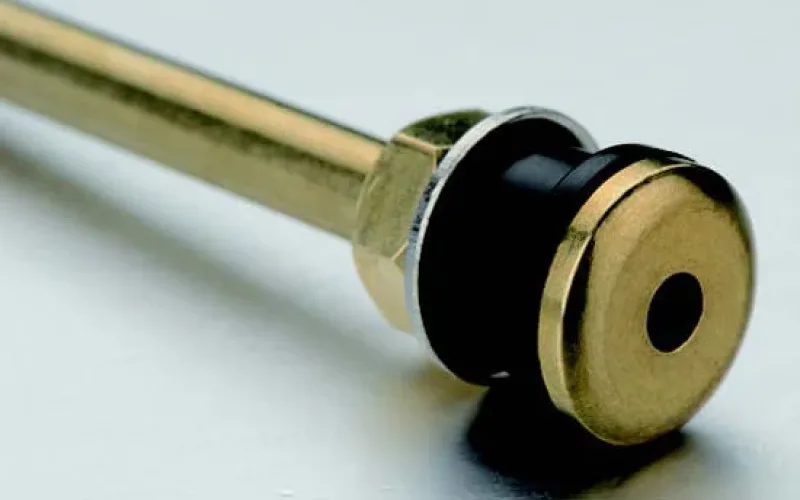
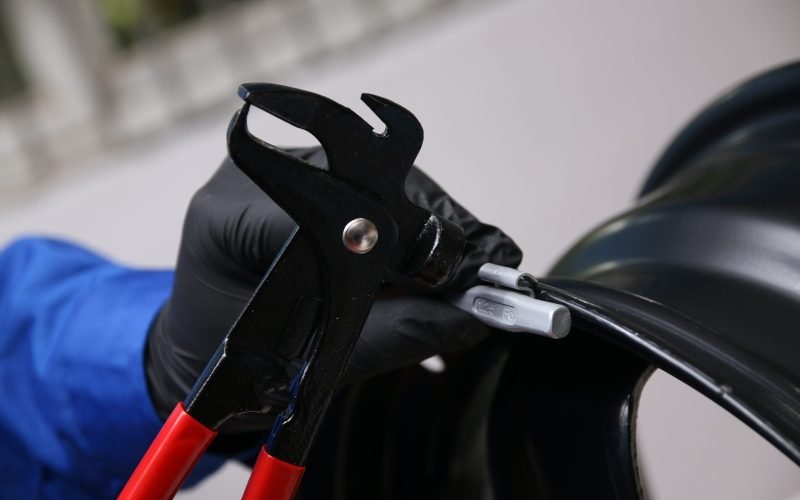
Fortune ensures the superior quality of its products. Their wheel balance weights and tire valves undergo rigorous testing. Customers can rely on the durability and excellent performance of these components. Choosing the right nut and using the correct tools helps avoid problems. It also ensures vehicle safety while driving or repairing.
Safety Factors for Lug Nuts
Safety Margins in Automotive Use
Safety is paramount when choosing nut sizes for your car. Most cars use 1/2-inch nuts because they are safer. These nuts can withstand higher torque. This helps keep the wheels tight while driving or repairing the vehicle. Mechanics use the appropriate torque wrench and impact wrench to tighten the nuts. Using the correct torque prevents the wheels from becoming loose or damaged.
1/2-inch nuts work well with a heavy-duty impact wrench. This reduces the risk of overtightening or undertightening. Using the correct size and torque for the wheel nuts helps ensure driving safety. Regularly checking the wheel nuts and ensuring they are installed correctly also ensures driving safety.
Note: Always consult the manufacturer’s torque and wheel nut size guidelines. This helps avoid problems and ensures driving safety.
Risks of Failure
Using the wrong wheel nut size or torque can be dangerous. Trouble can arise if a repair shop rushes the process or misses a damaged nut. Sometimes, substandard parts from suppliers can worsen the situation. Owners who ignore advice or replace parts with genuine parts also increase the risk.
Some common problems include:
- Overtightening or undertightening wheel nuts can cause the wheel to loosen or damage the threads.
- Misaligned threads when installing wheel nuts can create weak points in the threads and potentially lead to wheel detachment.
- Rust can cause wheel nuts and bolts to weaken over time.
- Missing wheel nuts increases stress on other nuts and can also cause the wheel to come off.
Insurance reports show that a wheel can come off if wheel nuts are not tightened properly. Owners need to check their vehicles and ensure the wheel nuts are tightened. Using the wrong torque or tools by a mechanic can lead to trouble. Improper work can cause accidents and hold those responsible liable.
Regularly inspecting your vehicle and performing maintenance correctly helps prevent problems. Using the correct torque, impact wrench, and wheel nut size ensures vehicle safety and reduces risk.
Compatibility & Vehicle Fit
Vehicle Types & Wheel Designs
Different vehicles require specific wheel nut sizes for proper installation and safety. Most American trucks and SUVs use 1/2-inch wheel nuts. These vehicles require higher torque to securely hold the wheels in place. The table below lists common vehicles and their recommended wheel nut sizes:
| Vehicle Type | Model Years | Lug Nut Size |
|---|---|---|
| Jeep All Models, CJ | ’46-’85 | 1/2 inch |
| Jeep Cherokee | ’80 & Newer | 1/2 inch |
| Jeep Grand Cherokee | ’93-’98 | 1/2 inch |
| Dodge 1/2 Ton Pickup & Van | ’49-’70 | 1/2 inch |
| Ford 1/2 Ton F-100 | ’80-’85 | 1/2 inch |
| Chevy & GMC 1/2 Ton Trucks | ’67-’87 | 1/2 inch |
Small vehicles, motorcycles, and ATVs typically use 3/8-inch wheel nuts. These vehicles do not require much torque. Wheel design is also important. Some wheel rims have tapered, some spherical, and some flat nut seats. For a secure fit, the nut seat type must match the wheel rim seat type.
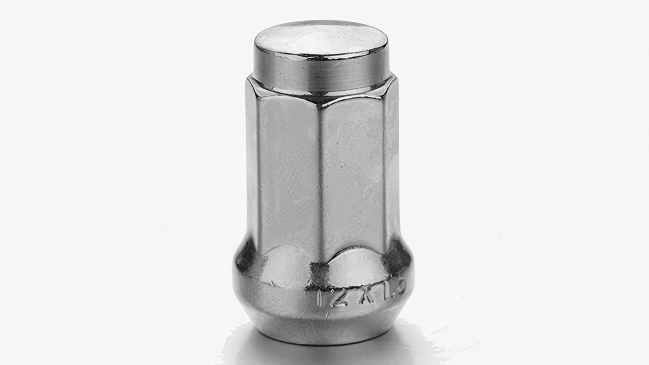
Aftermarket wheels sometimes require special nut types. Splined drive or aftermarket style nuts may be needed. Always consult the wheel manufacturer’s guidelines for the correct size and seat type. Nut sizes are typically expressed in diameter and pitch, such as 12mm x 1.25.
Using Correct Lug Nut Size
Using the correct nut size ensures wheel safety during driving and maintenance. Using the wrong size may prevent the wheel from staying securely in place, potentially causing damage or even an accident. Incorrect sizes also make it difficult to use the correct torque wrench or impact tool.
- Original factory wheels require original factory or OE replacement nut types for optimal fit.
- Aftermarket wheels may require different nut types, depending on the seat type.
- Always ensure that the nut seat type matches the wheel rim seat type: tapered, spherical, or flat.
- Thread sizes may vary between different vehicle models.
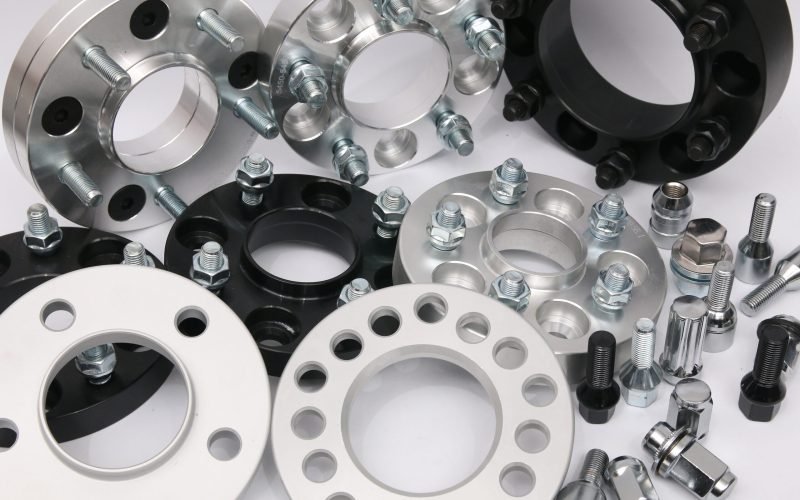
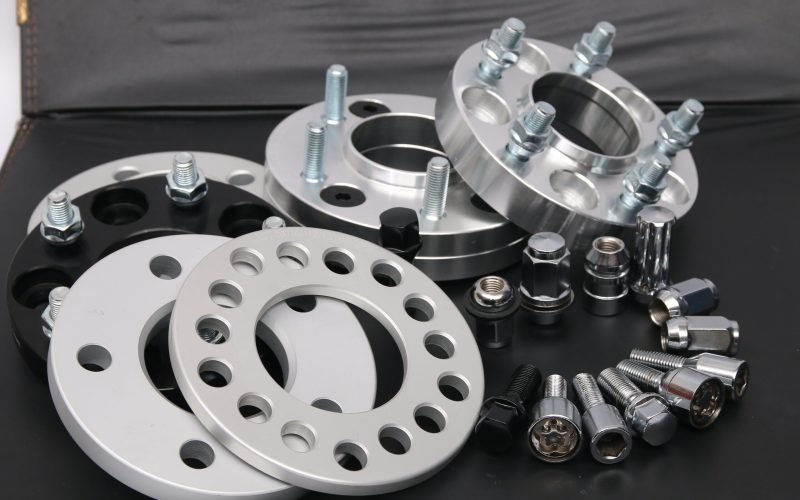
Wheel manufacturers use high-strength materials to produce wheel nuts that meet automotive industry standards. They test each part to ensure it can withstand the appropriate torque and impact forces. Fortune offers a wide range of compatible options for different vehicle models and wheel designs. This helps drivers and mechanics find the right nuts for various needs.
Tip: Always confirm the wheel nut size, seat type, and pitch before performing any repairs. This ensures the correct torque and impact forces are applied, thus guaranteeing driving safety.
3/8 vs 1/2 Impact Wrench for Lug Nuts
When working with wheel nuts, choosing between a 3/8-inch or 1/2-inch impact wrench is crucial for both safety and performance. Each tool has a different torque range and optimal application. The table below shows the typical torque output for each size:
| Impact Wrench Size | Typical Torque Output Range |
|---|---|
| 3/8 inch | 100 to 250 ft-lbs |
| 1/2 inch | 250 to over 1,000 ft-lbs |
3/8 Impact Wrench Applications
3/8-inch impact wrenches are ideal for light-duty work. Mechanics use this tool to repair motorcycles, scooters, and small ATVs. It is suitable for tasks requiring less torque and smaller fastener sizes. Many people use 3/8-inch impact wrenches for quick work or working in confined spaces. This tool helps tighten small bolts and nuts in general automotive repairs.
However, users frequently report problems when using 3/8-inch impact wrenches to tighten wheel nuts. Some find that the tool lacks sufficient torque to loosen stubborn or rusty wheel nuts. In approximately 30% of cases, they still need to use a lever to complete the job. Prolonged use can also damage wheel nuts, leading to additional repair costs. For most car tire changes, a 3/8-inch impact wrench may not provide sufficient torque output.
1/2 Impact Wrench Applications
A 1/2-inch impact wrench is the preferred choice for most automotive repair work. This tool provides the torque required for passenger cars, light trucks, and even some heavy-duty impact operations. Manufacturers recommend using a 1/2-inch impact wrench for removing and installing wheel nuts. Its torque range matches the torque range required to securely fasten wheels.
Professional technicians highly praise the powerful performance and versatility of the 1/2-inch impact wrench. They use it for tire changes, suspension repairs, and other maintenance work. A 1/2-inch impact wrench can easily loosen overly tight or rusted wheel nuts. It also matches the torque wrench sizes commonly used in repair shops. This tool improves efficiency and reduces fatigue during general automotive repair processes.
Tip: For most cars and trucks, a 1/2-inch impact wrench offers optimal power and control. It ensures wheel safety while speeding up repairs.
When comparing 3/8-inch and 1/2-inch impact wrenches, the 1/2-inch impact wrench stands out due to its ability to handle higher torque and more complex tasks. Mechanics and vehicle owners should choose the appropriate tool based on their vehicle and job requirements to ensure safety and optimal performance.
Practical Recommendations
When to Use 1/2 Lug Nuts
Most drivers and mechanics choose 1/2-inch wheel nuts for cars, SUVs, and light trucks. These nuts can withstand greater torque and ensure a tighter wheel. The larger size allows for use with powerful impact tools. This makes it easier to remove wheel nuts when changing tires or repairing vehicles. Mechanics use 1/2-inch wheel nuts when handling tricky jobs. They are best suited for vehicles carrying heavy loads or traveling long distances.
The table below lists the correct torque required for various vehicle types when using 1/2-inch wheel nuts:
| Vehicle Class | Torque Range (ft-lbs) |
|---|---|
| Compact Cars | 80 – 100 |
| Mid-Size Cars | 90 – 120 |
| Full-Size Cars | 100 – 120 |
| SUVs & Light Trucks | 100 – 150 |
| Heavy-Duty Trucks | 150 – 250+ |
For these vehicles, a 1/2-inch impact wrench will provide the correct torque. Mechanics use a torque wrench designed for 1/2-inch wheel nuts to properly install them. This helps prevent the wheel from coming off, ensuring vehicle safety during driving or maintenance.
When to Use 3/8 Lug Nuts
Small cars, motorcycles, and all-terrain vehicles typically use 3/8-inch wheel nuts. These nuts are designed for lighter wheels and require less torque. Mechanics use a 3/8-inch impact wrench to remove these nuts. The smaller size is suitable for quick work and tight spaces. Users of scooters or small all-terrain vehicles will find 3/8-inch nut nuts convenient.
Using the correct size nut ensures a tight fit between the wheel and the lug nuts. This prevents wheel vibration and keeps the vehicle running smoothly. Mechanics use appropriate tools and torque wrenches to avoid overtightening or loosening the nuts. This ensures the lug nuts are secure and the wheel is firmly in place.
Exceptions & Special Cases
Some vehicles and wheels require special nut nuts. Custom or aftermarket wheels may use different nuts than the original equipment wheels. Sometimes, people choose the wrong nut size for these wheels:
- Choosing the wrong size can cause the wheel to loosen or even come off.
- Overtightening the nut nuts can cause the lug nuts to break.
- Undertightening the nut nuts can cause the wheel to come off.
Aftermarket wheels may require splined drive or aftermarket style nut nuts. Always check the wheel manufacturer’s guidelines to confirm the correct size and nut type. Using the correct nut specifications ensures your vehicle is still under warranty.
Using the wrong wheel nut size can void your warranty in the event of a malfunction. Using the correct size ensures your vehicle is covered under warranty, giving you peace of mind.
Proper maintenance extends the life of your wheel nuts. Mechanics and drivers should follow these steps:
- Check the torque required for your vehicle.
- Tighten the wheel nuts in a star pattern to ensure even contact.
- Tighten the nuts first, then tighten to the correct torque.
- Check and retighten after driving 50 to 100 miles.
Drivers should also check the wheel nuts after changing new tires, performing wheel or brake repairs, long trips, or hitting potholes or curbs.
Tip: Always check the wheel nut size, seat type, and torque before any repairs. This helps prevent problems and ensures driving safety.
Choosing the right wheel nut size, using the right tools, and performing routine maintenance are essential for the safe and reliable operation of your vehicle.
Most automotive experts believe that 1/2-inch wheel nuts are best suited for passenger cars and trucks. They are stronger and safer than smaller sizes. Using the right wheel nut and impact wrench can prevent the wheel from becoming loose and avoid damage during vehicle repairs. You need to consider the seat type, thread size, and pitch. These are crucial for proper installation and safety.
| Specification Type | Description |
|---|---|
| Seat Type | Affects how the wheel nut is installed, ensuring its safety. |
| Thread Size | Must be the same as your vehicle. |
| Thread Pitch | Ensuring the wheel nut is installed correctly. |
- Always choose the appropriate impact wrench for your wheel nuts.
- Correct torque and installation method ensure your driving safety.
- Fortune builds robust components for every impactful job.
 Request a quote