What is the difference between rubber and metal tire valves?
 20Mar
20Mar 

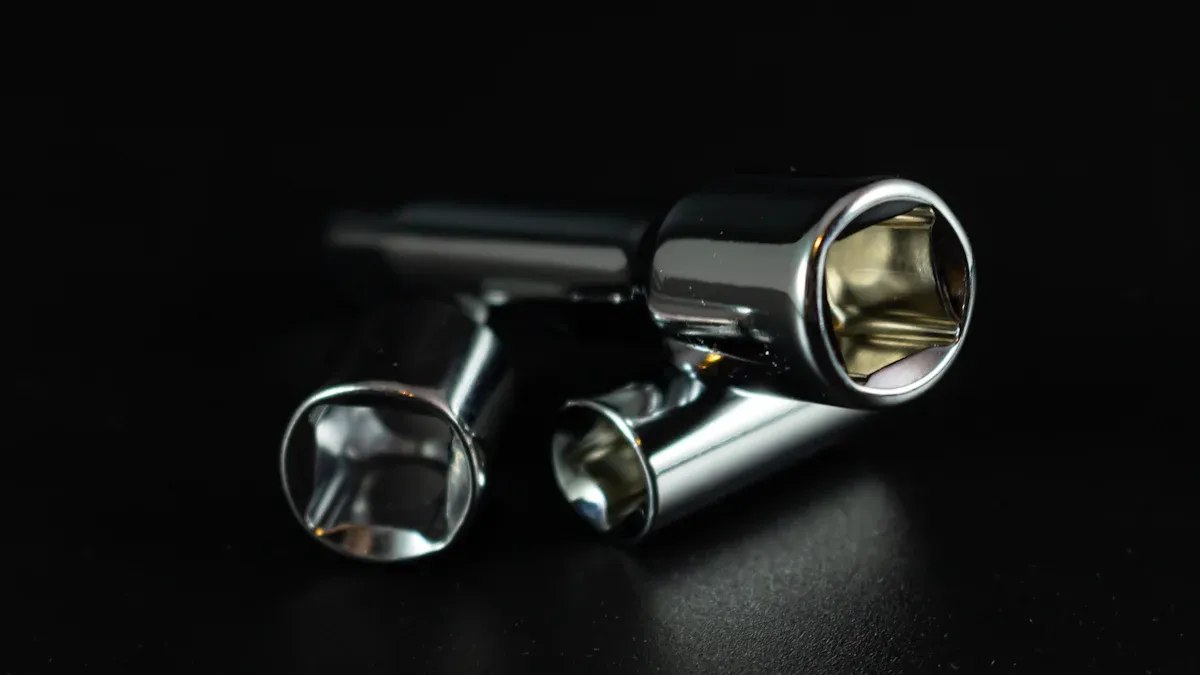
Losing your wheel lock key is a frustrating problem. Finding a replacement locking lug nut socket for your specific lock, however, is straightforward.
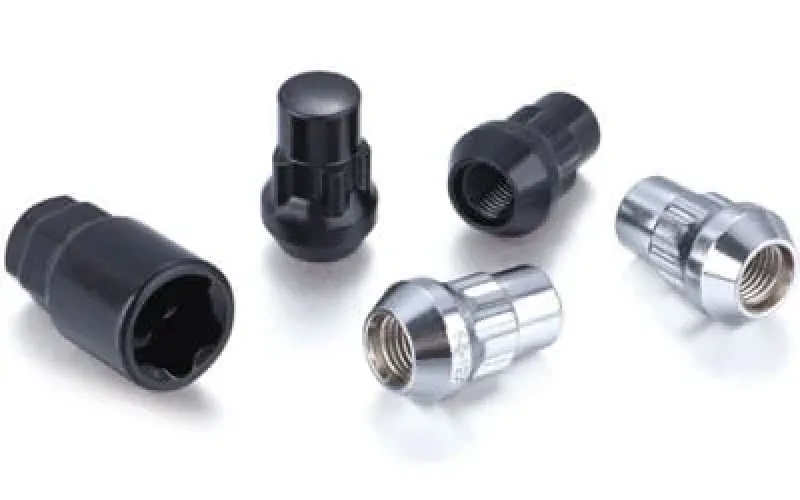
Your solution starts with the unique pattern on your locking lug nuts. You can get a new key, even if you lost the original locking lug nut key for the lock. A missing key code for your lock will not stop you from finding the correct locking wheel nut key for that lock on your locking lug nuts. Losing a second wheel lock key is something you want to avoid.
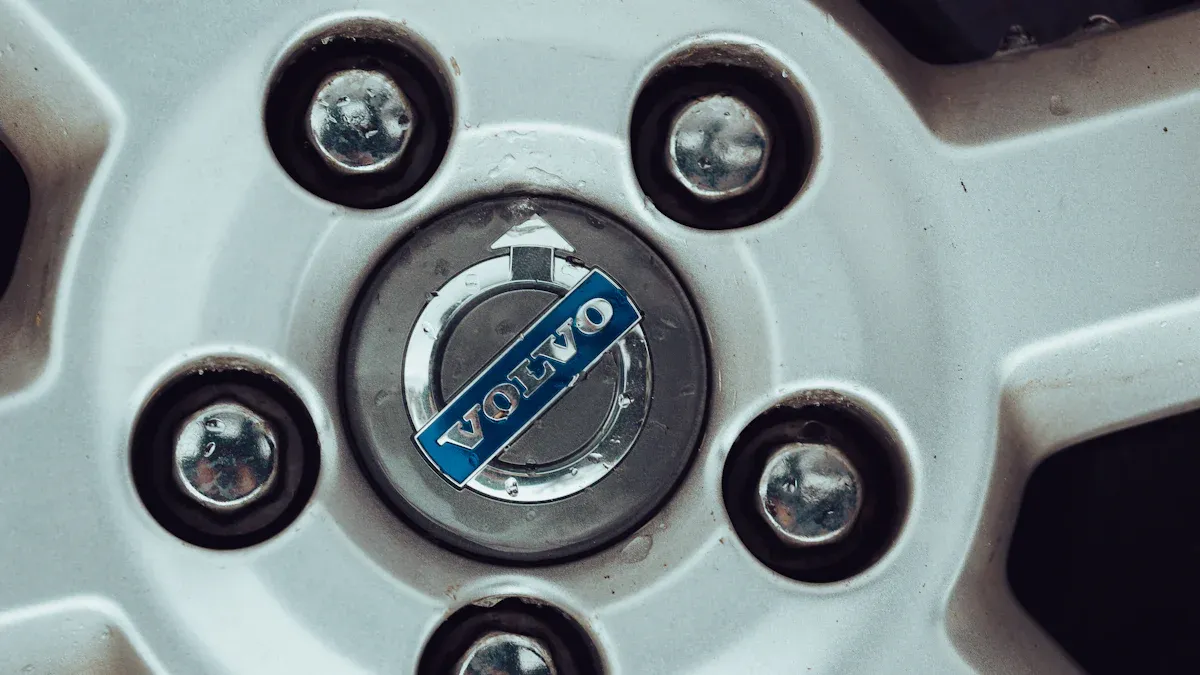
Before you can find a replacement, you must gather key information about your specific locking lug nuts. This identification process is the most important step. It will save you time and ensure you get the correct tool for the job.
Your first and easiest option is to find the original paperwork for your wheel locks. Car manufacturers or aftermarket brands provide a small card with a unique code. This code is the specific identifier for your lock pattern. You can use this code to easily order an exact replacement wheel lock key.
Tip: Where can you find this card or the original
key? Check these common spots in yourvehicle:
- Inside the glove box, sometimes with the owner’s manual.
- In the center armrest console or door pockets.
- In the trunk, often with the spare tire and jack tools.
Finding this code is the fastest path to getting a new key. The card for your lock is made specifically to help you in this situation.
You can still find a replacement key if you cannot locate the code card. Your next step is to get a clear image of the locking nut itself. Dirt, brake dust, and grime can hide the details of the pattern.
locking lug nuts.lock. Make sure your phone or camera is directly in front of the lock, not at an angle.This high-quality photo of the locking lug nut patterns will be your visual reference. You will use it to compare against identification charts and products online or in-store. A clear picture makes matching the lock much easier.
This information is crucial if you decide to replace your locking wheel nuts entirely. Using the wrong size or style can damage your wheels and compromise your safety.
You can find the thread size using a ‘Lug Nut Thread Checker’. This tool has several gauges to measure both the lug nut and the wheel stud. You simply test each gauge until you find the one that fits perfectly. Common thread sizes are often color-coded for quick identification.
| Thread Size | Color Gauge |
|---|---|
| M14 x 2.00 | Gold |
| M12 x 1.75 | Red |
| M12 x 1.25 | Yellow |
| 7/16-20 | Purple |
| M14 x 1.50 | Silver |
| M12 x 1.5 | Blue |
| 9/16-18 | Green |
| 1/2-20 | Black |
Equally important is the seating style. The seat is where the lug nut touches the wheel. A mismatch here can cause the wheel locks to loosen or damage the wheel. The physics of how your wheel attaches to your vehicle demand a perfect match. There is no “close enough” when it comes to wheel safety. Always match the new wheel locks to your specific wheel setup to prevent improper torque, misalignment, and potential failure. Getting a new wheel lock key is important, but ensuring the entire system is safe is the top priority.
Once you have identified your locking lug nuts, you can begin the search for a replacement. Several reliable methods exist to find the correct locking lug nut socket. Your clear photograph and any codes you found will be your most valuable tools in this process.
Your vehicle’s dealership is an excellent starting point, especially for factory-installed wheel locks. The parts department has access to master sets and can often identify your lock pattern quickly. You should call them with your information ready.
To order a new wheel lock key, the dealership will typically need:
Providing the code is the fastest way to get an exact match. If you do not have the code, the dealership may ask you to bring your vehicle in. A technician can then visually match your lock to their master key set and order the correct replacement key for you. This ensures you get the right tool for your specific lock.
If you have aftermarket locking wheel nuts, online identification charts are your best friend. Brands provide detailed guides to help you identify your specific lock. You will compare your lug nut photo to the patterns shown in these charts. To find the right match, you need to know more than just the pattern.
Pro Tip: Companies like Otis Inc LA offer guides that break down identification into five key areas. Understanding these will help you navigate any chart with confidence.
These charts, often found on manufacturer websites, are designed to walk you through the identification process. They help you narrow down the options until you find the exact lock you need.
McGard and Gorilla are two of the most popular aftermarket brands for wheel locks. Both companies offer robust support for customers who have lost their key. You can use their websites to find a replacement key or a full set of new locking wheel nuts.
For McGard wheel locks, the process is very direct. The company provides a “Wheel Lock Bolt Reference Chart” to help you identify your lock. To order a replacement key:
For Gorilla products, the process is similar. The company has a “Find The Right Fit” tool and a dedicated service for ordering a replacement key.
Important Note: If you lost your Gorilla registration number, you must contact the company directly. The part number for the lock set or the thread size stamped on the nut is not enough to order a replacement key. This ensures the security of the lock system.
Comparing your locking lug nuts to the patterns from these major brands is a highly effective way to find your replacement locking lug nut socket.
Sometimes, the best solution is a hands-on one. You can take your information directly to a local auto parts store for help. This method is great if you prefer in-person assistance or want to solve the problem quickly. An employee can provide expert guidance and access to special tools.
Before you go, you should prepare a few things to make the process successful. Your preparation will save time and increase your chances of finding a match on the first try.
Expert Tip: Call the store ahead of time. Ask if they have a master wheel lock key set or a universal
locking lug nut socketkit. Not all stores carry these, so a quick phone call can save you a trip.
At the store, an employee will use your photo to visually compare your lock pattern to their inventory or a universal kit. These kits contain a wide variety of key patterns. The employee can test different keys to find the one that fits your lock. This trial-and-error process is often very effective.
Some stores have specific kits designed for this purpose. You might see one of these options:
| Kit Type | Description |
|---|---|
| Master Key Set | A large collection of OEM and aftermarket keys. |
| Universal Removal Kit | Contains sockets designed to grip and remove damaged or keyless locks. |
| Brand-Specific Kits | Small sets of keys for popular brands like McGard or Gorilla. |
This in-person approach allows you to confirm the fit before you buy anything. You can walk out of the store with the correct tool in hand. It is one of the most reliable ways to solve your problem without waiting for shipping.
Sometimes, despite your best efforts, you cannot find the correct wheel lock key. You might have a rare or discontinued lock pattern. In these situations, you still have excellent options for removing the stubborn wheel locks. Your focus shifts from finding a matching key to safely removing the lock itself.
You can purchase a universal wheel lock removal kit as a DIY solution. These kits contain special sockets with reverse threads or internal pins. The sockets are designed to bite into the head of the lock, allowing you to turn and remove it. This method can be effective, but it requires caution. Attempting to remove a lock without the proper tool carries risks.
You do not want to risk damaging your expensive wheel. Using the wrong tool could scratch the finish or even damage the wheel stud.
These kits will destroy the lock in the process, so you will need to buy a new set of wheel locks or standard lug nuts. This is a good option if you are comfortable with car maintenance and understand the potential for damage if you are not careful.
The safest and often easiest solution is to visit a professional tire shop or mechanic. These experts deal with this exact problem every day. They have the experience and specialized tools for removing locking lug nuts without a key. A quick call to your local tire shop can confirm they offer this service. This saves you the stress of doing it yourself. The cost for this service is usually very reasonable.
Calling a few local tire shops can help you find the best price. This small expense guarantees a professional will handle the job correctly.
When you take your vehicle to a tire shop, the technician will use professional-grade tools. They will not use a hammer and chisel on your lock. Instead, they have master sets of every wheel lock key imaginable. If a matching key is not available, they use special extractors. These tools grip the outside of the lock securely. This allows the technician to remove the lock without damaging your wheel or tire. Trusting a professional tire technician ensures the job is done right, protecting your investment and getting you back on the road safely. They have the right wheel lock key or removal tool for any situation.
You have successfully removed your old lock or found a new key. Now you can take simple steps to prevent this problem from happening again. A little planning today saves you a major headache tomorrow.
Consistency is your best tool. You should choose one specific, memorable place for your new wheel lock key and always return it there. This simple habit makes finding the key easy when you need it for tire rotations or repairs. Keeping your wheel locks secure starts with knowing where the key is.
Where to Keep Your Key:
- In a small pouch with your vehicle’s jack and tire iron.
- Inside the glove compartment with your owner’s manual.
- In a specific pocket of your center console.
Avoid leaving the key loose in a cup holder or door pocket where it can get lost. A dedicated spot for your lock key is crucial.
Your new key or locking lug nut set will come with a registration card. This card contains a unique code for your specific lock pattern. You must save this code immediately. This number is the fastest way to order a replacement key if you ever lose the new one.
Take a picture of the code with your phone. You can email the photo to yourself or save it to a cloud storage service. This digital backup provides an extra layer of security. You can also write the code down and store it in a safe place inside your home. This simple action ensures you always have access to your lock information.
If you had to destroy your old lock, you will need a new set. This is also a great opportunity to upgrade your vehicle security. Modern anti-theft lug nuts often feature more complex patterns than older designs, offering a better theft deterrent. A new locking lug nut set provides peace of mind.
Purchasing new wheel locks ensures you have a fresh start. You get a brand-new lock, a new key, and a registration card. This makes managing your wheel security simple. Upgrading your anti-theft lug nuts is a smart investment in protecting your wheels and tires from theft.
You can solve the problem of a lost wheel lock key. First, identify the unique lock pattern on your locking lug nuts. You can use this information to order the correct locking lug nut socket. If you cannot find a matching lock, a professional can remove the stubborn lock from your locking wheel nuts. Once you have your new wheel lock key, store it safely. You should also record the code for your new lock to prevent future issues with your locking lug nuts and locking wheel nuts. This makes getting another wheel lock key simple.
You can temporarily replace the locking nut with a standard one to drive safely. However, this leaves your wheel and tire vulnerable to theft. You should get a replacement lock or key as soon as possible to protect your property.
Universal kits are for removal, not regular use. These tools grip the lock to remove it but will destroy the lock in the process. You cannot use them to put the lock back on your tire. They are a one-time solution.
The cost for a replacement key varies.
You can expect to pay between $15 and $40. Dealerships may charge more for an OEM key, while aftermarket options from brands like McGard or Gorilla are often less expensive.
A damaged wheel stud is a serious safety issue. You must have it replaced by a professional mechanic. A broken stud cannot properly secure your wheel and tire, creating a dangerous driving condition. Do not ignore this problem.
No, not all cars require them. They are an optional security feature. You should consider them if you have expensive custom or factory wheels that you want to protect from theft. They provide an extra layer of security.
 Request a quote