What is the difference between rubber and metal tire valves?
 20Mar
20Mar 

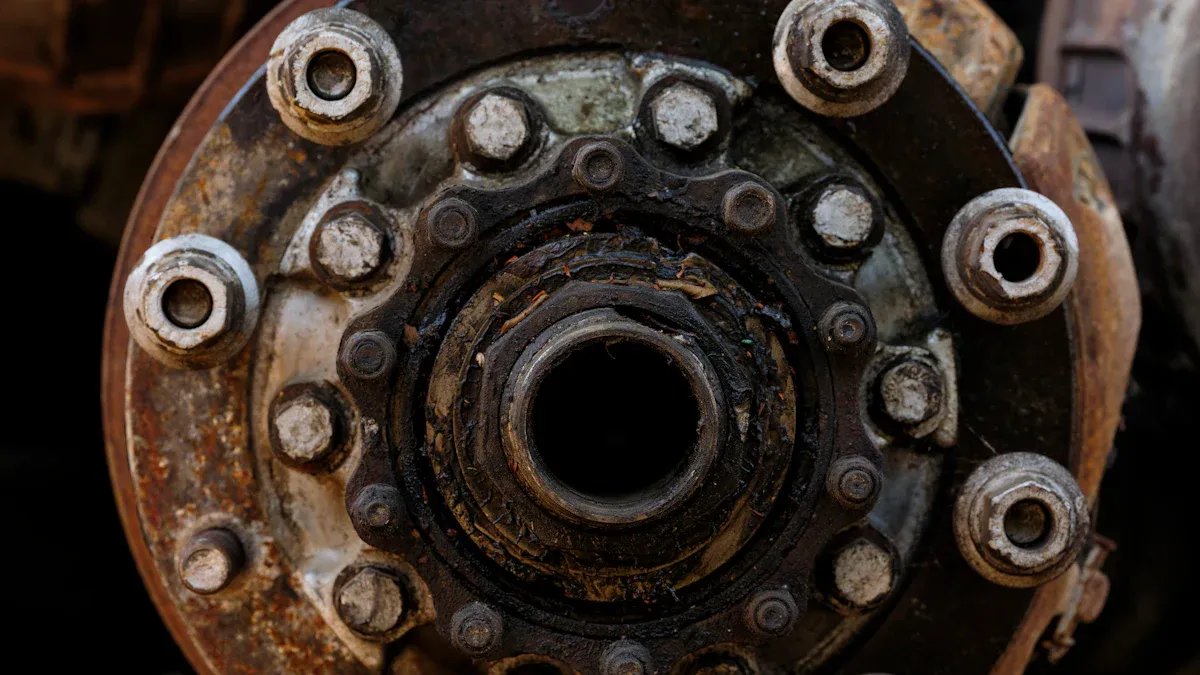
You must select the correct wheel bolts for your vehicle’s safety. Using the wrong wheel bolts creates serious risks. They can cause wheel vibration, damage your wheel, or lead to a loose wheel. Your wheel hub bolts must match four critical specifications for a secure fit.
Note: Choosing the right wheel bolts ensures your wheel is mounted safely, preventing potential failure.
The first step in selecting the correct wheel bolts is matching the thread size. This specification ensures the bolts will screw into your wheel hub properly. An incorrect thread size will prevent a secure fit, making your wheel unsafe.
You need to understand two measurements for your wheel bolts: diameter and thread pitch. The diameter is the thickness of the bolt. The thread pitch measures the distance between the threads. These two numbers create the thread size, like M12 x 1.5.
Systems for measuring thread pitch differ. The metric system measures the distance in millimeters between each thread peak. The imperial system counts the number of threads per inch (TPI). You must use the correct system for your wheel.
| System | Example | How It’s Measured |
|---|---|---|
| Metric | M12 x 1.5 | 12mm diameter with 1.5mm between threads. |
| Imperial | 1/2″ – 20 | 1/2-inch diameter with 20 threads per inch. |
You can find the correct thread size for your wheel bolts in a few places. The easiest place to check is your vehicle owner’s manual. If the manual is not available, you can use online databases. Websites like Wheel-Size.com allow you to look up specifications for your exact model.
Common thread sizes for wheel bolts include:
Many modern trucks and SUVs, especially from American brands, use the M14 x 1.5 size for their wheel bolts.

If you cannot find the specifications, you can measure your existing wheel bolts. You will need a caliper to measure the diameter and a thread pitch gauge to find the pitch.
Tip: When using a thread gauge, hold the bolt against a white background. This makes it easier to see if the gauge teeth fit perfectly into the threads of the wheel bolts.
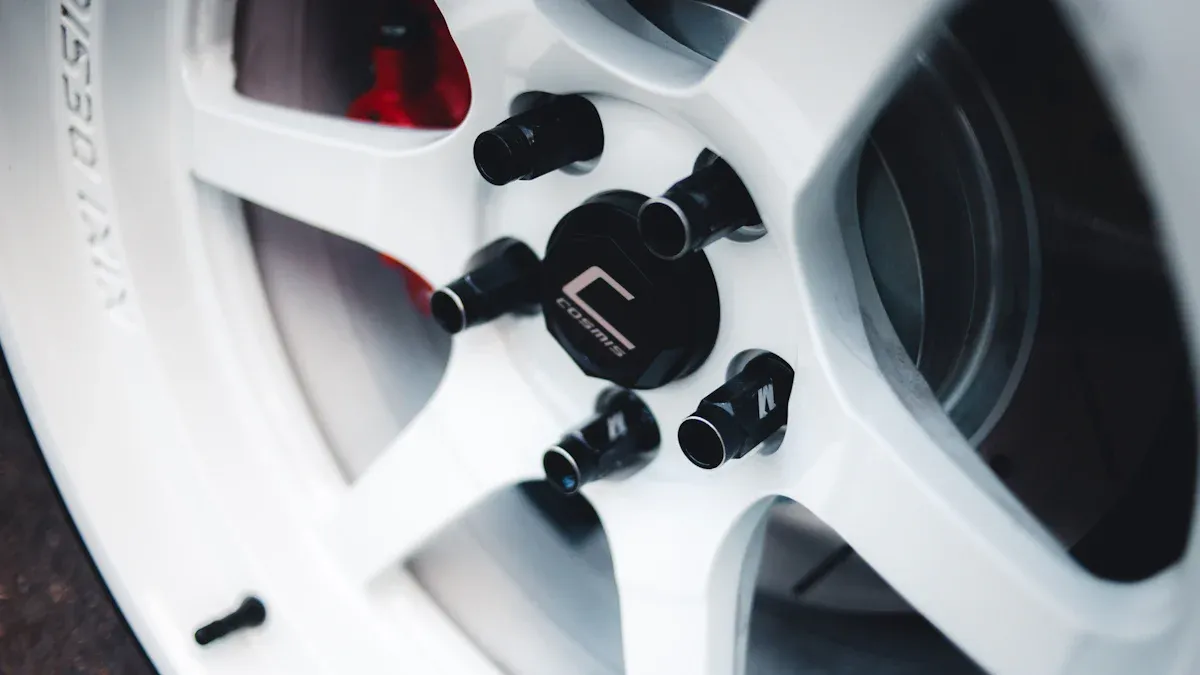
After confirming the thread size, you must match the seat type of your wheel bolts to your wheel. The seat is the surface where the bolt head makes contact with the wheel. This connection is vital for safety.
Choosing the correct seat type is non-negotiable for a safe installation. The seat forms the primary contact point that transfers the vehicle’s load from the hub to the wheel. Using the wrong seat style prevents the wheel bolts from clamping the wheel securely to the hub. This mismatch creates dangerous stress points and can cause the wheel bolts to loosen during operation.
Important: A proper seat match ensures even pressure distribution. An incorrect seat, like using 60-degree conical wheel bolts on a wheel with ball-shaped seats, leads to minimal contact. This can damage your wheel and may result in the wheel coming off the vehicle.
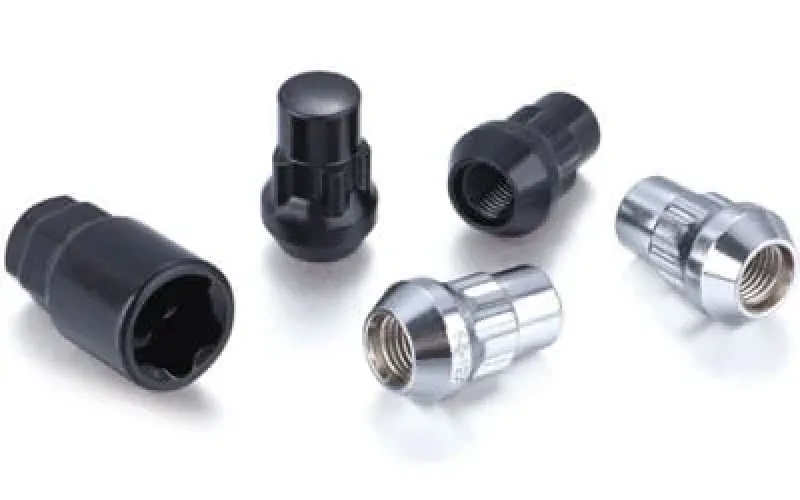
You will encounter three main seat types for wheel bolts. Each is designed for a specific type of wheel mounting hole. Many aftermarket wheels use a conical seat, while many European vehicle manufacturers use a ball seat for their factory wheel.
| Seat Type | Design Characteristics | Common Applications |
|---|---|---|
| Conical (Tapered) | Features a cone-shaped seat, usually with a 60-degree taper. Often called “acorn” style. | Most aftermarket wheels and many original equipment manufacturer (OEM) wheels. |
| Ball (Radius) | Has a rounded, spherical seat that fits into a dome-shaped pocket in the wheel. | Many European vehicles like Mercedes-Benz, Porsche, and Volkswagen. |
| Flat (Mag) | Uses a flat washer that sits flush against the face of the wheel. | Often found on specific OEM alloy wheels. |
You can identify the correct seat type by inspecting your wheel. Look at the lug bolt holes on the wheel itself.
Always check the seat on your existing wheel bolts to confirm the style. This step is especially critical when you install a new aftermarket wheel, as its seat type may differ from your original wheel.
You have matched the thread size and seat type. Now, you must find the correct length for your wheel hub bolts. The length of your wheel bolts is just as important for safety. A bolt that is too short will not secure the wheel properly. A bolt that is too long can damage your vehicle’s brake or hub components.
You need to measure the shank length of your wheel bolts. The shank is the threaded portion of the bolt, measured from the base of the seat to the tip. Using wheel bolts with the correct shank length ensures your wheel is held tightly against the hub. If the bolts are too short, they cannot achieve enough grip. If they are too long, they might bottom out inside the hub or interfere with parts behind it. Always measure your existing wheel bolts to establish a baseline before buying new ones.
Proper thread engagement is critical for keeping your wheel secure. This term refers to how many full turns the bolt makes once it starts threading into the hub. Insufficient engagement means the wheel bolts cannot provide the necessary clamping force to hold the wheel safely.
For a secure installation, you should aim for a specific number of turns:
Fewer than five turns is widely considered unsafe and puts you at risk of the wheel loosening.
You must adjust your bolt length if you add wheel spacers or change to a different wheel. The calculation for spacers is simple. You add the thickness of the spacer to the length of your original wheel bolts to find the new required length.
Aftermarket wheels can also require different wheel bolts. The thickness of the wheel’s mounting pad, not its offset, determines the needed bolt length.
The offset of the wheels (+45 vs +35) does not affect the length of the bolt needed. The only things that affect that are, if you use spacers or are changing from thin, usually forged wheels, to more normal wheels.
Always measure the new wheel and compare it to your old one. This ensures your new wheel hub bolts provide safe and secure thread engagement for your specific setup.
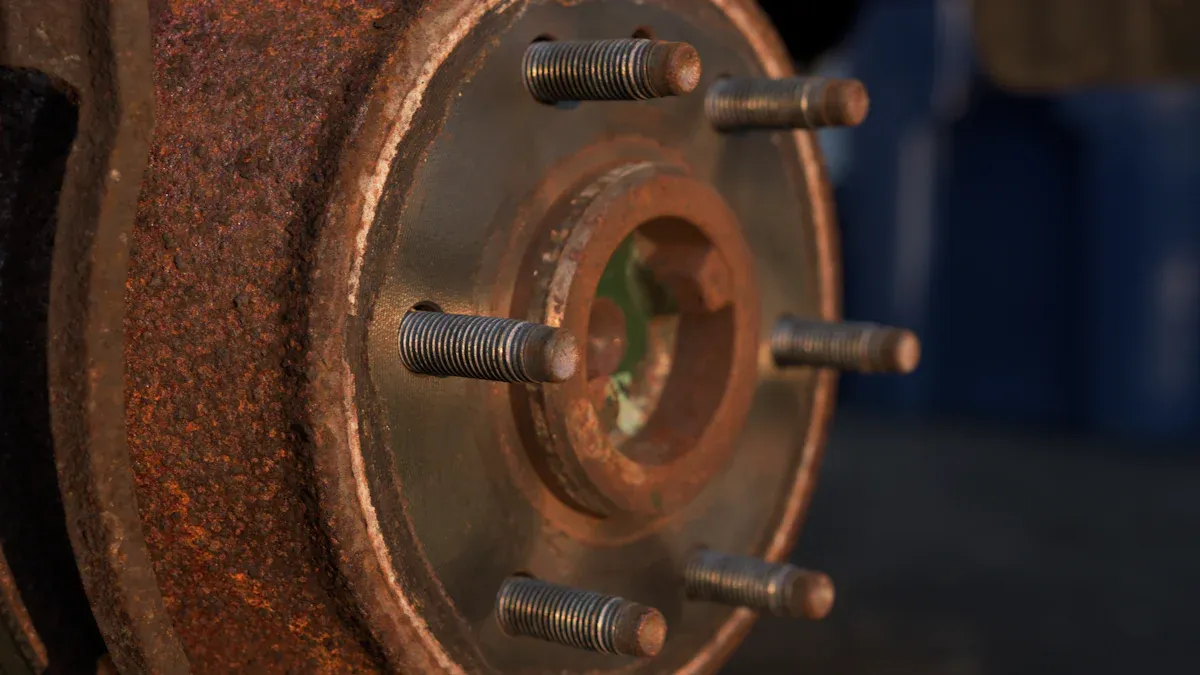
You have now confirmed the size, seat, and length. The final step is to select the right material for your wheel bolts. The material’s strength and finish are crucial for keeping your wheel safely attached.
The grade of a bolt tells you its strength. You can find this grade marked on the head of the bolt. Metric wheel bolts use a number system, like 8.8 or 10.9, defined by the ISO 898-1 standard. The first number indicates the tensile strength, which is how much pulling force the bolt can handle before breaking.
A higher grade number means the bolt is stronger. This strength is essential for securing your wheel under driving stress.
For extreme applications, grade 12.9 wheel bolts offer the highest strength. However, for most vehicles, another grade provides the perfect balance. You should always choose high-quality wheel bolts that meet or exceed your car manufacturer’s specifications for your wheel.
Most automotive experts recommend Grade 10.9 steel for wheel bolts. This material is the industry standard because it offers an excellent combination of strength and durability. It is strong enough to handle the high pressure and vibrations that a wheel experiences.
Key properties of Grade 10.9 steel include:
These features make Grade 10.9 wheel bolts a reliable choice for securing your wheel. While grade 12.9 wheel bolts are stronger, Grade 10.9 provides more than enough safety for daily driving and performance use. For the most demanding situations, you might consider grade 12.9 wheel bolts. However, never use a bolt with a grade lower than what your vehicle requires. Some racing applications may even mandate grade 12.9 wheel bolts for maximum safety.
The finish on your wheel bolts protects them from rust and corrosion. A rusty bolt can cause serious problems. Rust creates extra friction, which gives you a false sense of tightness when you torque your wheel. This means the wheel is not clamped as securely as you think.
Safety Tip: A good finish ensures proper torque and clamping force. Coatings like Dacromet provide a consistent level of friction, which helps you secure the wheel correctly.
Different finishes offer different levels of protection.
| Coating | Salt Spray Resistance |
|---|---|
| Zinc Plating | Moderate (96-500+ hours) |
| Dacromet | Very High (800-1000+ hours) |
Dacromet is an excellent choice for wheel bolts because it offers superior, long-lasting protection against rust, especially in harsh weather. This keeps your wheel looking great and, more importantly, ensures the hardware functions safely.
Your vehicle’s safety depends on the right hardware. You must verify the thread size, seat type, length, and material grade of your wheel hub bolts. This ensures your wheel functions correctly.
Always double-check these four specifications before installing new wheel hub bolts. This simple step guarantees a secure fit for your wheel.
For guaranteed quality and expert advice, trust a reputable manufacturer like Fortune Auto Parts. This ensures your wheel is mounted with the best possible parts for your peace of mind.
You should not reuse old wheel bolts. They are designed to stretch when torqued and can weaken over time. Installing new, high-quality bolts ensures you achieve the correct clamping force for a safe connection between your wheel and hub.
Yes, you must use a torque wrench. It is the only tool that ensures your wheel bolts are tightened to the manufacturer’s exact specification. This prevents dangerous over-tightening or under-tightening, which can lead to wheel damage or failure.
Wheel bolts are a single piece that threads through the wheel directly into the hub. Lug nuts, however, are separate fasteners. You use them to secure a wheel by threading them onto studs that are already pressed into the vehicle’s hub.
You should always source hardware from a trusted manufacturer. Companies like Fortune Auto Parts are ISO9001 certified and have over 25 years of experience. They use premium materials and test every product, guaranteeing you receive safe and reliable wheel bolts.
 Request a quote