What is the difference between rubber and metal tire valves?
 20Mar
20Mar 

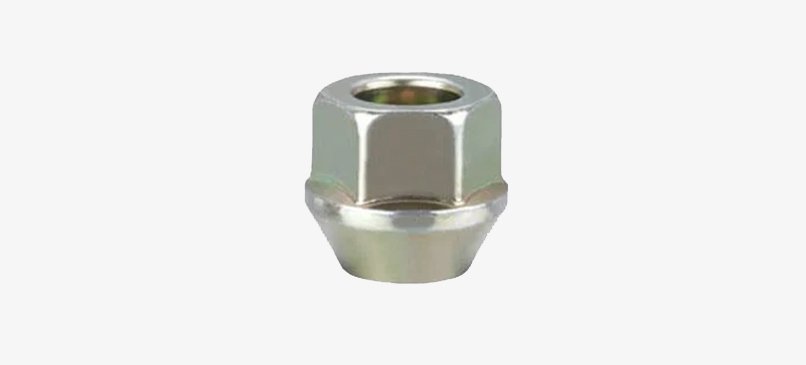
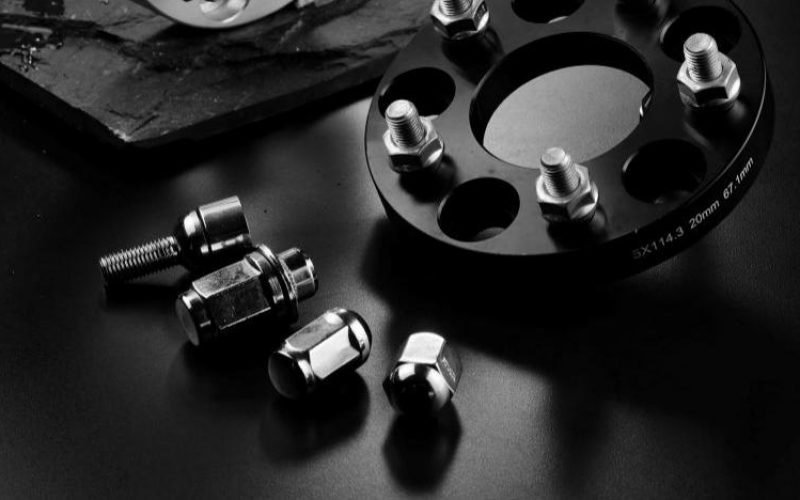
Spacer lug nuts are engineered fasteners designed specifically to secure wheel spacers firmly to your vehicle’s hub assembly. Unlike standard wheel nuts and lug bolts, these components must match both the spacer and the hub to ensure structural integrity. Choosing the right lug nuts is not just a technical detail — it directly affects driving safety. Properly fitted wheel lug nuts keep the spacer and wheel tightly connected, reducing the risk of vibration, loosening, or potential wheel separation.
With the rising demand for vehicle customization, wheel spacers have become increasingly popular among car enthusiasts and performance-focused drivers. This surge in interest has driven strong growth in the aftermarket segment, making correct installation practices more important than ever.
As one industry expert observed:
“OEM, Ford and GM lug nuts are very hot, but probably our hottest commodity are aluminum spacers.”
Choosing the right spacer lug nuts begins with one crucial detail: thread pitch. You must match the lug nut’s threading to your vehicle’s wheel studs. An incorrect match will prevent a secure connection and lead to dangerous failure. Getting this step right is the foundation for a safe wheel installation.
Thread pitch is the specific measurement of the threads on your wheel studs. Think of it as the unique fingerprint of your hardware. Manufacturers use two different systems for this measurement. The Imperial system measures threads per inch (TPI), while the Metric system measures the distance between threads.
| Feature | Imperial System (Lug Nuts) | Metric System (Lug Nuts) |
|---|---|---|
| Measurement Unit | Threads per inch (TPI) | Pitch (millimeters) |
| Definition | Number of threads per inch | Distance between threads |
Safety Tip: Proper thread engagement is essential for safety. The industry standard requires the nut to engage a length of thread equal to the stud’s diameter. For example, a 12mm stud needs 12mm of thread engagement to safely secure the wheel.
Finding the correct size for your lug nuts is simple. Several methods can help you identify your vehicle’s specifications.
Wheel-Size.com are excellent resources. They provide detailed fitment data, including thread size, center bore, and the wheel bolt pattern for your specific model.Confirming the thread pitch ensures your new lug nuts will properly fasten the spacer and wheel assembly.
After confirming your thread pitch, you must identify the correct lug nut seat type. The “seat” is the area where the lug nut makes contact with the wheel’s surface. Using the wrong seat type creates a tiny contact point, which can cause the hardware to loosen and the wheel to fail. There are three main types you will encounter.
You can easily spot a conical seat by its 60-degree, cone-shaped bottom. This is the most common style, especially for aftermarket wheels. The tapered design is engineered for safety and precision.
Note: Many high-performance wheel brands, like Vossen, design their products specifically for conical 60-degree lug seats. This highlights its reliability for secure fastening.
A ball seat lug nut has a rounded, spherical base instead of a sharp cone. You will typically find this type on original equipment manufacturer (OEM) wheels from certain brands. It is crucial to use ball seat lug nuts if your wheels are designed for them.
You will often see ball seats on vehicles from these manufacturers:
These can have different radius measurements, such as R12 or R14, so always confirm the exact specification for your vehicle.
The mag seat design is very different. These lug nuts feature a flat washer and an extended, smooth shank that slides into the lug hole of the wheel. This design offers a unique method of securing the wheel. The shank helps keep the wheel centered, while the flat washer creates a large, flush contact area for excellent clamping force.
This style is common on many Toyota and Lexus trucks and SUVs, including:
⚠️ Installation Tip: When using shank-style lug nuts, you must ensure the shank is the correct depth. A shank that is too long will bottom out before the washer can properly clamp the wheel.
You have matched the thread pitch and seat type. Now, you must select the correct style of nut for your spacer installation. The physical shape of the spacer lug nuts is just as important as their threading. Using the wrong style creates a dangerous situation where your wheel cannot mount correctly. Two features are critical: an open-ended design and a low-profile head.
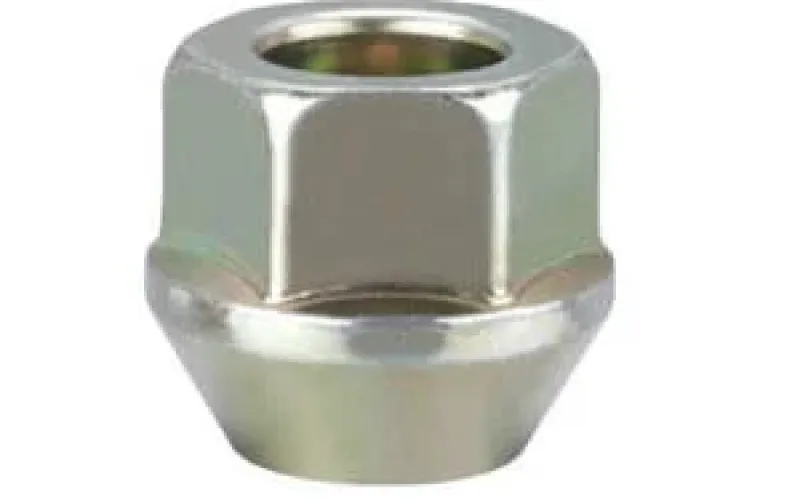
You must use open-ended lug nuts to attach the spacer to your vehicle’s hub. An open-ended nut is hollow from top to bottom. This design allows your vehicle’s original wheel studs to pass completely through the nut. Most wheel spacers are thinner than the length of the studs. This means the studs will stick out past the surface of the spacer.
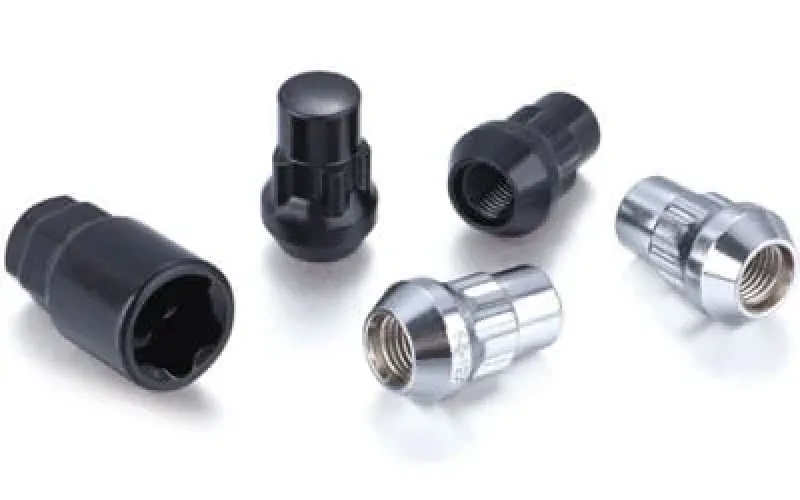
⚠️ Critical Safety Warning: Never use closed-end (acorn) nuts to install a wheel spacer. The stud will hit the top of the nut before it is tight. This gives you a false torque reading and leaves the spacer dangerously loose, which can cause the entire wheel to detach while driving.
A closed-end nut will bottom out on the stud, preventing you from properly clamping the spacer to the hub. This is a catastrophic failure point. The open-ended design guarantees you can achieve the correct clamping force for a secure foundation.
The nuts securing your spacer must also have a low-profile head. This means they must be short enough to sit flush with or below the spacer’s mounting surface. After you tighten these nuts, the outer face of the spacer must be completely flat. Your wheel needs this flat surface to mount securely.
If the nuts are too tall, they will interfere with the back of the wheel. This interference causes several major problems:
This situation is extremely unsafe and will damage your components. Always check that the nuts you use are short enough to fit inside the spacer’s recessed pockets, allowing your wheel to make full, safe contact.
You have the right size and style. Now, you must confirm the material and strength of the nuts. The material of your spacer lug nuts is not just a minor detail. It is a critical safety feature. Your lug nuts face immense forces from acceleration, braking, and cornering. Using weak hardware is a risk you should never take.
You must choose spacer lug nuts made from high-strength steel. This ensures they can handle the extreme stress of securing your wheel assembly. A top-tier material for this job is SCM435 chromoly steel. It provides an excellent balance of strength and toughness, making it ideal for high-load parts like lug nuts.
The specific elements in SCM435 steel give it these properties:
This composition makes the steel strong enough to resist stretching and breaking under load. Reputable manufacturers use materials like SCM435 to guarantee safety and performance.
| Element | Percentage Range (%) |
|---|---|
| Carbon (C) | 0.33-0.38 |
| Chromium (Cr) | 0.9-1.2 |
| Molybdenum (Mo) | 0.15-0.30 |
| Manganese (Mn) | 0.60-0.85 |
Lug nuts have strength ratings, often called a “class” or “grade.” This number tells you the nut’s strength. For metric hardware, you will see ratings like 8.8, 10.9, or 12.9. These numbers come from the ISO 898 standard.
Did You Know? For a Class 10.9 nut, the “10” means it has a minimum tensile strength of 1000 MPa. The “.9” means it will begin to yield (stretch) at 90% of that value. Higher numbers mean a stronger nut.
For any performance or spacer application, you should use high-strength hardware. Class 10.9 is a widely accepted standard for securing a passenger car wheel safely. Heavy-duty trucks require even stronger hardware, often using Grade 10 nuts for the wheel and Grade 12.9 studs. Always choose a grade that meets or exceeds the requirements for your vehicle.
Choosing a lug nut with a proven material and a high-strength grade ensures your wheel stays securely attached, giving you confidence and peace of mind on the road.
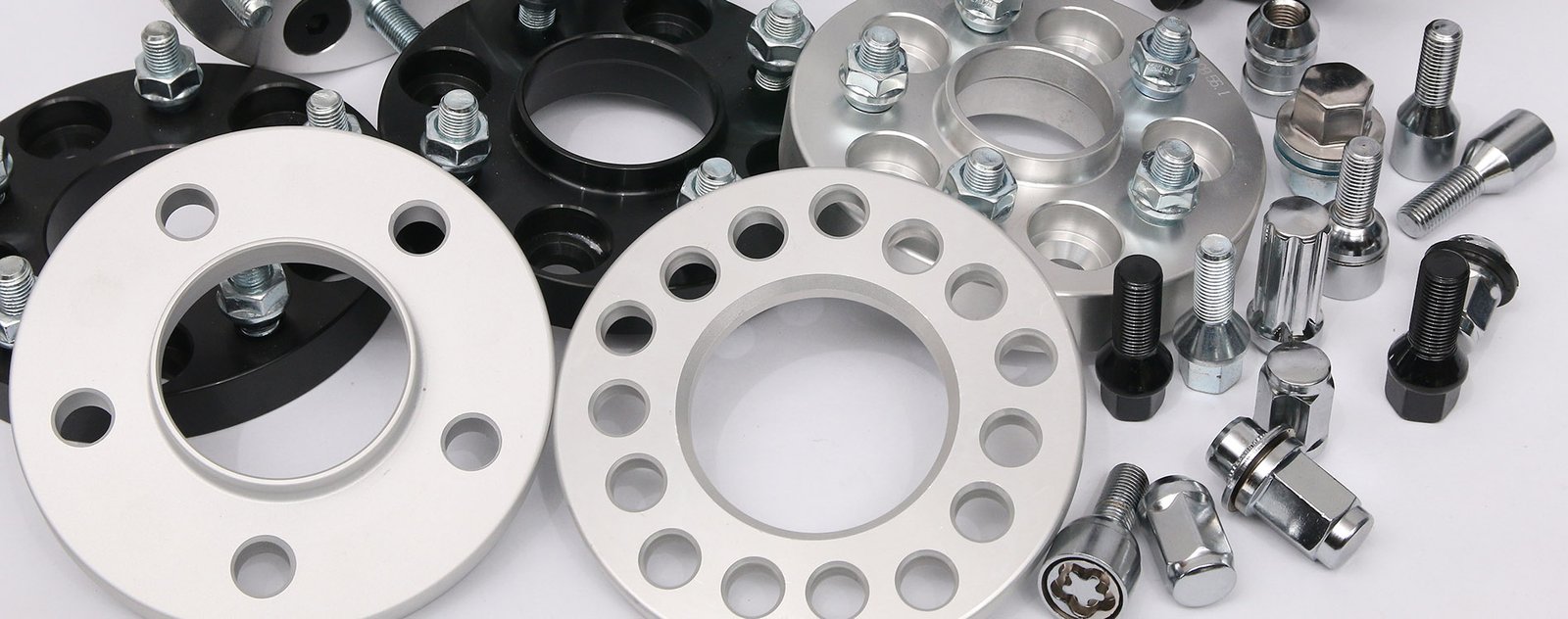
Knowing how to properly install a wheel spacer is the final, most important step for your vehicle’s safety. A correct installation ensures your wheel spacers and wheel function as a single, solid unit. This process requires precision, the right tools, and a specific two-stage method. Following these steps prevents dangerous vibrations and potential hardware failure.
You must tighten your hardware in two separate stages. This ensures both the spacer and the wheel are perfectly secure. Rushing this process can lead to an unbalanced and unsafe wheel assembly.
Here are the essential installation tips:
This two-part method guarantees that every component is clamped with the correct and even force.
You must use a torque wrench for this job. An impact wrench is great for removal, but it is too powerful and inaccurate for installation. Using one for final tightening can have disastrous results. Over-tightening with an impact wrench can stretch and weaken your wheel studs, causing them to crack and fail while you are driving.
⚠️ Safety Alert: In one documented case, a driver experienced a severe shimmy. An inspection revealed two studs had sheared completely off at the hub. The other lug nuts had backed off so much that a finger could fit between the wheel and the hub. The cause was over-stressing the studs with an impact wrench, which nearly led to the entire wheel detaching.
A torque wrench is the only tool that applies a precise, measured amount of force. This precision is not optional. It is the only way to protect your hardware and ensure your wheel stays safely attached.
Proper installation is only half the battle. The safe use of wheel spacers requires ongoing attention and an understanding of potential risks. Your diligence ensures your vehicle remains reliable and your safety is never compromised. These final safety considerations are essential for every driver using wheel spacers.
Using the wrong hardware creates an improper configuration that will eventually fail. The lug nut seat and the wheel seat must match perfectly. This contact area transfers the entire load from your wheel. A mismatch results in dangerous over-stressing of the components. For example, installing 60-degree lug nuts on a wheel with 45-degree seats causes only the edges to touch. This concentrates all the force on a tiny area, which can promote cracking and make it impossible to secure the wheel.
Other hardware mistakes create similar hazards:
Each of these errors can lead to severe vibration or the complete detachment of your wheel.
Your work is not finished after the initial installation. You must perform critical safety checks to ensure everything remains secure. This simple follow-up is the most important part of the process.
Your Post-Installation Checklist:
If you notice any of these warning signs, pull over immediately in a safe location. Do not continue driving. Inspect your wheel spacers and wheel hardware to find the source of the problem.
You now have the knowledge to choose the right spacer lug nuts. Your final checklist ensures a secure wheel:
Remember, the quality of your lug nuts is just as important as the wheel spacers. Sourcing from a trusted manufacturer like Fortune ensures you get premium, tested spacer lug nuts for your wheel. This gives you peace of mind. Prioritizing the right lug nuts for your wheel spacers is the most important step you can take for your vehicle’s wheel safety and your vehicle’s wheel performance.
wheel spacers push your wheel out from the hub. wheel adapters also push the wheel out. However, wheel adapters change your vehicle’s bolt pattern. This lets you mount a different style of wheel to your vehicle.
You cannot use old nuts for this job. You need special nuts to attach the wheel spacers to your vehicle. Your original nuts then attach the wheel to the wheel spacers or wheel adapters. This is critical for your vehicle’s safety.
Yes, with correct installation. Quality wheel spacers and wheel adapters are safe for your vehicle. Proper torque ensures your wheel is secure. A safe wheel assembly on your vehicle depends on good wheel spacers and wheel adapters.
Yes, wheel spacers widen your vehicle’s track. You should get a professional wheel alignment after installing wheel spacers or wheel adapters. This step ensures proper handling for your vehicle and its new wheel stance.
Thickness depends on your vehicle’s fender clearance. The wheel must not rub. Measure the gap before choosing wheel spacers or wheel adapters. The right wheel spacers or wheel adapters fit your specific vehicle. wheel spacers and wheel adapters must be sized correctly for the wheel.
 Request a quote