What is the difference between rubber and metal tire valves?
 20Mar
20Mar 

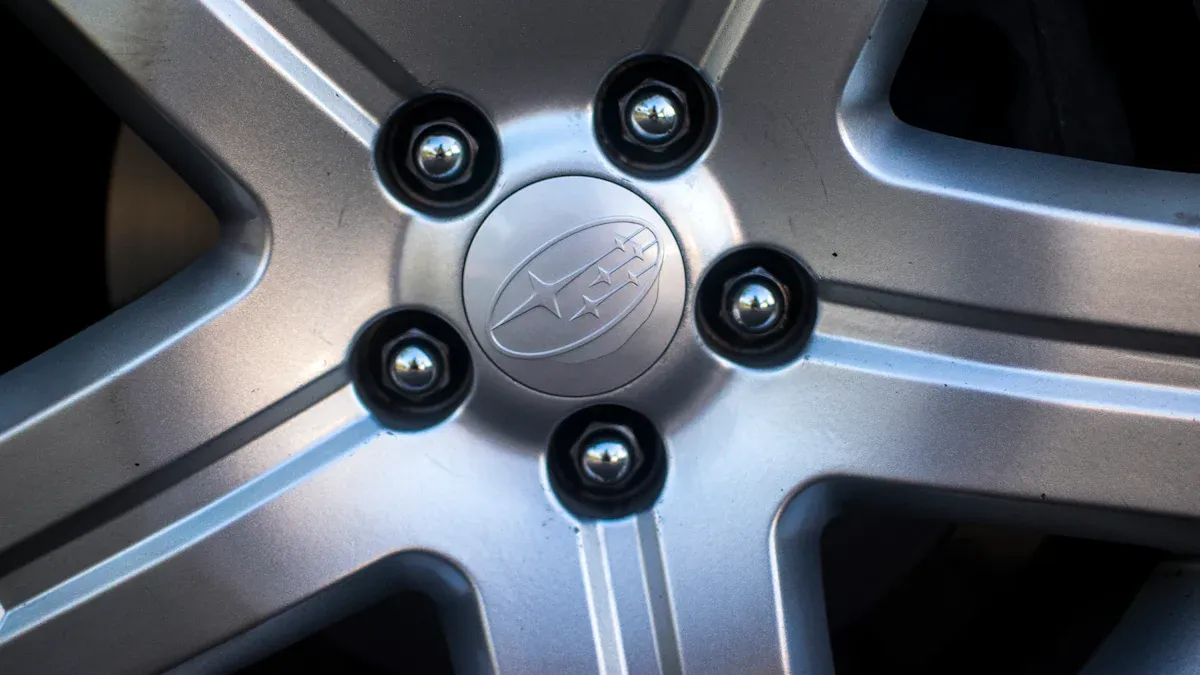
Choosing the correct rim bolts for your vehicle is a critical safety task. You must match four key specifications to achieve a secure wheel fit for your new rims. An incorrect fit can cause serious damage to the wheel itself.
Your 4-Point Checklist for a Safe Wheel:
- Thread Size
- Seat Type
- Shank Length
- Head Type
Matching these four points ensures your wheel is attached properly and safely.
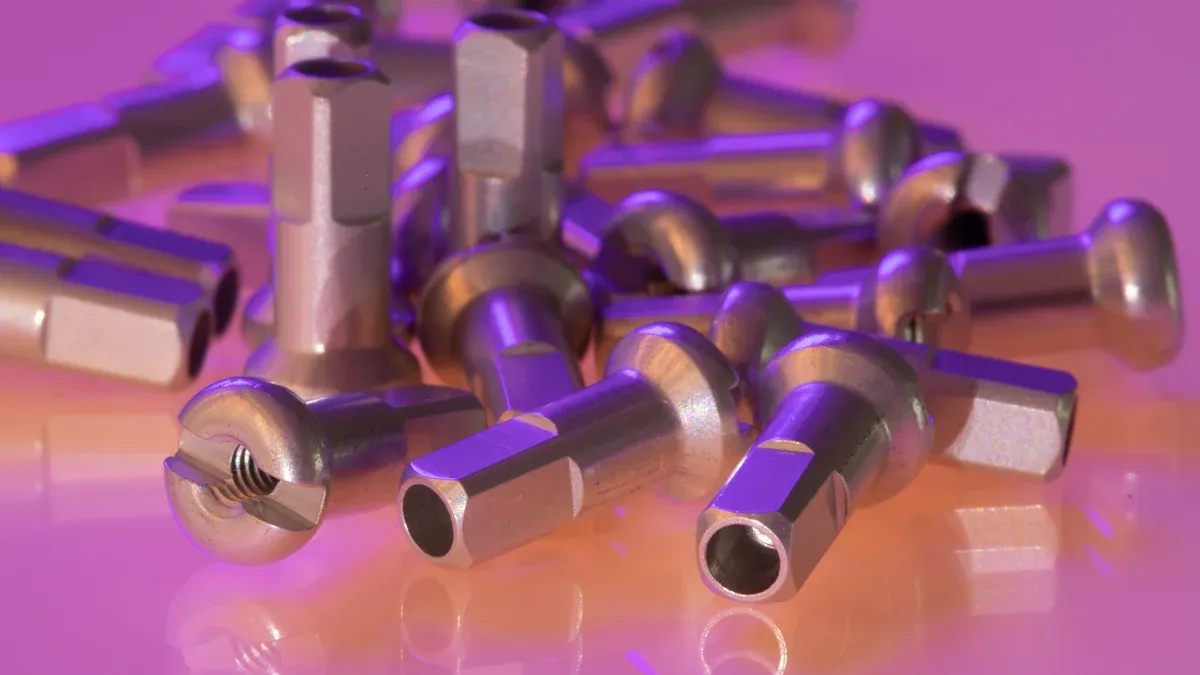
To guarantee a safe fit, you must understand the four key specifications of your rim bolts. Each one plays a vital role in how the wheel attaches to your vehicle’s hub. Let’s break down the first three critical measurements.
The thread size is the first specification you need to identify. It consists of two numbers: the bolt’s diameter and its thread pitch. You will often see this written in a format like M12 x 1.5.
Different vehicles use different thread sizes. A smaller car might use an M12 bolt, while a larger truck or SUV often requires a bigger M14 or M16 bolt. It is essential to use the exact size specified for your vehicle. Using the wrong diameter or pitch will damage the threads on your wheel hub, creating a very unsafe condition.
Here are some common thread sizes you might encounter:
| Thread Size | Thread Pitch (mm) | Common Vehicle Applications |
|---|---|---|
| M12 | 1.25 | Many Japanese brands, compact cars |
| M12 | 1.50 | Honda, Toyota, Mazda, BMW, Mercedes |
| M14 | 1.50 | Many larger cars, SUVs, and trucks (Ford, GM, Chrysler) |
| M14 / M16 | 2.00 | Heavy-duty uses, some Ford trucks |
The seat is the contact surface where the head of the lug bolt meets the wheel. The shape of the bolt’s seat must perfectly match the shape of the lug hole in your wheel. This ensures the bolt centers correctly and applies clamping force evenly. Using the wrong seat type can cause the bolts to loosen over time or damage your expensive wheels.
There are three primary seat types:
⚠️ Safety Alert: Never Mix and Match Seats! A conical bolt in a ball seat wheel (or vice-versa) will not sit securely. This creates a tiny contact point, which concentrates stress and can lead to a loose or failed wheel connection. Always confirm your wheel’s required seat type.
Shank length refers to the length of the bolt’s threaded portion, measured from the bottom of the seat to the tip of the bolt. The correct length is crucial for safety.
A good rule of thumb is that the bolt should achieve at least 6 to 8 full turns before it is tight. When you switch to aftermarket wheels, you must re-evaluate your shank length. Aftermarket wheels are often thicker than factory wheels, which means you will likely need a longer lug bolt to achieve safe thread engagement. Always measure the thickness of your new wheel’s mounting pad to help determine the proper length.
The head type is the part of the bolt you use to tighten or loosen it. The head must match the tools you have and fit into the lug holes on your wheel. Choosing the right head ensures you can properly torque your rim bolts and helps protect your wheel from damage.
The most common head type is the standard hexagonal (hex) head. You can easily tighten or remove these bolts with a standard lug wrench or socket. Their simple design makes them a practical choice for many factory and aftermarket wheels. You will find them in various sizes, so you must match your socket to the specific hex size of your lug bolt.
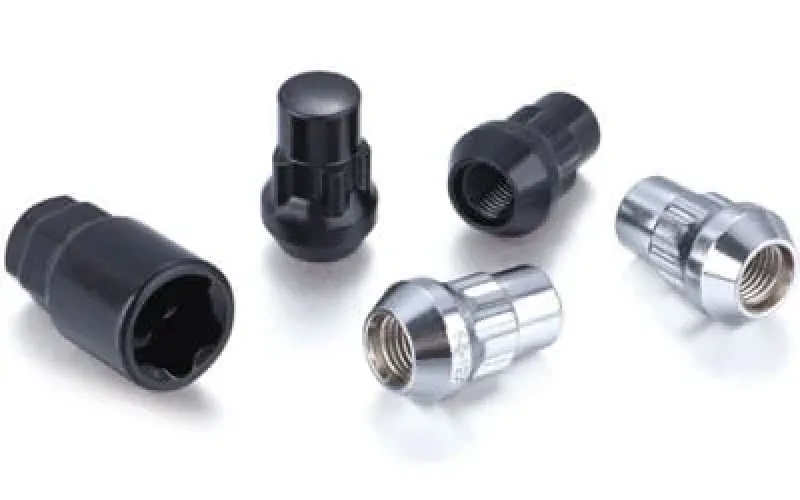
Tuner and security heads offer advanced features for specific needs. You often find these on high-performance or custom wheels with small-diameter lug holes where a standard socket will not fit. These designs require a special key or adapter for installation and removal.
This unique key requirement provides a major benefit: enhanced security. A thief with a standard lug wrench cannot easily remove your wheel, which helps protect your investment.
Beyond security, these specialized lug bolts offer performance advantages:
💡 Pro Tip: Always keep the special key for your tuner or security bolts in your vehicle. Without it, you will not be able to change a flat tire. Store it in your glove box or with your spare tire tools.
While less common for wheel applications, you may encounter other head types, especially in specialized or decorative contexts. Understanding them can be helpful.
Finding the correct thread size for your car is the first step to a safe wheel installation. You have three reliable methods to get this information. Each method helps you confirm the exact specification you need.
You should look in your owner’s manual first. This book is the most accurate source of information for your specific vehicle. It contains the original factory specifications for many parts, including your wheel hardware.
Your manual is the primary resource for finding the correct bolt pattern and lug specifications. Always refer to the manufacturer’s information to guarantee you have the right data before buying new parts.
Look for a section on “Wheels and Tires” or “Technical Specifications.” The manual will provide the exact thread size required for your car, removing any guesswork from the process.
If you cannot find your manual, the internet is a great resource. Many websites offer free databases with wheel fitment information. These sites let you search for your car’s make, model, and year to find the details you need. A good online database will provide:
These online guides are updated regularly and provide a quick way to find the specifications for your car. They are especially helpful when you are considering aftermarket wheels and need to cross-reference information.
For complete certainty, you can visit a local tire or auto parts shop. Professionals at these shops have tools designed for this exact purpose. They can use a special tool, like a thread pitch gauge, to accurately measure one of your existing bolts. This tool quickly identifies both the diameter and the thread pitch. Taking one of your bolts to a shop is a foolproof way to confirm your thread size, especially if you have a unique car or are unsure about the information you found online. This ensures you purchase the correct hardware for your wheel.

You must match the bolt’s seat to the lug hole in your wheel. The seat is the surface where the bolt head makes contact with the wheel. A perfect match ensures the bolt centers correctly and distributes clamping force evenly. Using the wrong seat type can cause the bolts to loosen or damage your expensive wheels.
The conical seat is the most common type you will find. It has a cone-shaped surface, usually with a 60-degree taper. This design helps center the wheel as you tighten the bolts. You will see conical seats on a huge number of aftermarket wheels and many factory wheels. Its simple and effective design makes it a popular choice for manufacturers.
A ball seat, also called a radius seat, is rounded or spherical. It looks like a ball was pressed into the bolt head, creating a curved contact surface. This type is common on original factory wheels from many European car brands. You must use a ball seat bolt if your wheel is designed for it.
💡 Did You Know? Many popular European car manufacturers prefer ball seat bolts for their factory wheels. Common examples include:
- Mercedes-Benz
- Volkswagen (VW)
- Audi
A flat seat is completely flat and uses a washer to press against the wheel. This style is also known as a “Mag” or “Shank” seat. The design often includes a shank, which is a small cylinder that extends below the washer. This shank helps center the wheel on the hub and provides extra thread engagement. You will often find this lug style on older Japanese Domestic Market (JDM) and domestic cars where specific clearances were needed.
The shank length is the threaded part of your bolt. You must choose the correct length to secure your wheel safely. A bolt that is too short will not grab enough threads, creating a major safety risk. A bolt that is too long can hit parts behind the hub and prevent you from tightening the wheel correctly.
You can check for proper thread engagement with a simple rule. The bolt must turn a minimum number of times before it gets tight. This ensures the lug bolt has enough grip on the hub’s threads to hold the wheel securely.
For most cars, you should aim for:
⚠️ Safety Check: Always count the turns when you first install a new bolt by hand. If you get fewer than six full turns, your bolt is too short and unsafe to use.
You can find your current shank length by measuring an existing bolt. First, remove one bolt from your wheel. Then, use a ruler or caliper to measure it. You should measure the distance from the base of the seat to the very tip of the bolt. This measurement gives you the shank length. This is your starting point for determining the length you need for a new wheel.
Wheel spacers push your wheel further out from the hub. This means your original bolts will be too short. You must use longer bolts to make up for the spacer’s thickness.
Calculating the new length is simple. You just add the spacer’s thickness to your original bolt’s shank length. For example, if your stock bolt has a 27mm shank and you add a 15mm spacer, you need a new bolt with a 42mm shank.
Original Bolt Length + Spacer Thickness = New Bolt Length
27mm + 15mm = 42mm
Always use this formula to ensure your new bolts are long enough for a safe installation.
The head type is the part of the bolt you use to tighten or loosen it. The head must match your tools and fit into the lug holes on your wheel. Choosing the right head ensures you can properly torque your rim bolts and helps protect your wheel from damage.
The most common head type is the standard hexagonal (hex) head. You can easily tighten or remove these bolts with a standard lug wrench or socket. Their simple design makes them a practical choice for many factory and aftermarket wheels. You will find them in various sizes, so you must match your socket to the specific hex size of your lug bolt.
This shows how important it is to match the head size to your vehicle and tools.
Tuner and security heads offer advanced features for specific needs. You often find these on high-performance or custom wheels with small-diameter lug holes where a standard socket will not fit. These designs require a special key or adapter for installation and removal.
This unique key requirement provides a major benefit: enhanced security. A thief with a standard lug wrench cannot easily remove your wheel. This feature helps protect your investment.
Beyond security, these specialized lug bolts offer performance advantages. Designs like spline drive are built to handle very high torque. This allows you to use higher-strength bolts and tighten them to greater loads. This ensures a secure fit for your wheel under extreme conditions. The design also allows for a smaller head diameter. This is perfect for a wheel with narrow lug openings where a normal socket would not fit without scratching the finish.
💡 Pro Tip: Always keep the special key for your tuner or security bolts in your vehicle. Without it, you will not be able to change a flat tire. Store it in your glove box or with your spare tire tools.
Choosing the right bolts is only half the battle. You must also avoid common installation mistakes to keep your wheels secure. A small error can lead to big problems down the road.
You should avoid reusing old bolts, especially on new rims. When you torque a bolt, it stretches slightly to create clamping force. Over time, or if over-tightened, this stretching can become permanent. This metallurgical change is called permanent deformation. A permanently stretched bolt loses its structural integrity. It cannot maintain the proper clamping force to hold your wheel securely. This weakness significantly increases the risk of the bolt breaking while you drive. There is no easy way to see if a bolt has been stretched too far, so it is always safer to use new hardware.
You must match the bolt’s seat type to your wheel. Using the wrong one creates an unsafe connection. A mismatched seat makes only a tiny point of contact with the wheel surface. This concentrates all the force in one small area, which can damage the lug holes and cause the bolts to loosen over time.
Using the wrong seat type is a common mistake, especially when people switch to aftermarket wheels.
Always check if your wheel requires a conical, ball, or flat seat. A proper match ensures the clamping force is distributed evenly for a secure fit.
Your bolts can loosen after the initial installation. Several factors can cause this loss of clamping force. It is critical that you re-check the torque after a short drive.
After installing new bolts, drive about 25 to 50 miles. Then, use a torque wrench to re-check and tighten them to the manufacturer’s specification.
Proper installation is just as important as choosing the right bolts. You must follow a careful process to ensure your wheels are secure. This checklist will guide you from purchase to final safety check.
Before you buy new bolts, you need to confirm a few key details. This checklist helps you get the right hardware the first time.
✅ Quick Tip: Also check that the bolt’s hardness is at least class 10.9. This ensures it is strong enough to handle the forces of driving. Look for bolts with a protective coating to resist corrosion.
You must tighten your bolts correctly to secure the wheel. Always use a torque wrench for the final tightening. Never use an impact wrench, as it can easily over-tighten and damage the bolts or your hub.
You should tighten the bolts in a star pattern. For a 5-lug wheel, this means you tighten one bolt, then skip one and tighten the next, continuing until all are snug. First, tighten all bolts to half the recommended torque. Then, repeat the star pattern and tighten them to the full, final torque value. This process ensures the wheel sits flat against the hub.
| Vehicle Type | Typical Torque Specs (ft-lbs) |
|---|---|
| Sedans | 90–110 ft-lbs |
| SUVs and Crossovers | 100–120 ft-lbs |
Always check your owner’s manual for the exact torque specification for your vehicle.
Your new bolts can settle after you start driving. You must re-check their torque to ensure they remain tight. This is a critical safety step. After installing new bolts, drive for about 25 to 50 miles. Then, use your torque wrench to check each bolt again. Tighten any that have loosened back to the proper specification. Some car manufacturers recommend another check at 100 or even 500 miles, especially for alloy wheels.
Choosing the right rim bolts for your car is a serious safety task. You must match all four specifications to get a secure fit for your new rims. An improper wheel fit can lead to catastrophic failure for your vehicle.
⚠️ Real-World Warning: A test vehicle’s wheel separated after just 11,000 miles. Investigators found the cause was bolt fractures from improper installation. This shows how a poor fit can have dangerous results for any car or vehicle.
Always double-check your specs before buying rim bolts. This ensures your wheel is safe on your vehicle. When you are unsure, consult a professional from a trusted manufacturer like Fortune Auto Parts to guarantee you have the right hardware for your car.
You should not reuse old bolts. They can be stretched and weakened from previous use. Aftermarket wheels are often thicker and may require a different seat type. Always buy new bolts that match your new wheels’ specifications for a safe installation.
You create a dangerous connection. A mismatched seat makes very little contact with the wheel. This concentrates all the force in a small area. It can damage your wheel and cause the bolts to loosen as you drive.
Your new bolt must make at least 6 to 8 full turns before it gets tight. This simple check confirms you have enough thread engagement. If you get fewer than six turns, your bolt is too short and unsafe to use.
Yes, this is a critical safety step. Drive about 25 to 50 miles after installing new bolts. Then, use a torque wrench to re-check each one. This ensures they have not loosened as the wheel settles onto the hub.
 Request a quote