What is the difference between rubber and metal tire valves?
 20Mar
20Mar 


Finding the best lug nuts for trucks starts with a perfect fit. You need a set that precisely matches your truck’s thread size and your wheels’ seat type. For maximum safety and longevity, always choose lug nuts for trucks made from a durable material, such as one-piece, cold-forged steel.
Note: Proper fit and strong material are non-negotiable. They work together to prevent wheel damage and ensure your safety on the road.
Getting the right fit is the most important step in choosing new lug nuts for trucks. An incorrect fit can lead to loose wheels, damaged parts, and serious safety hazards. This step breaks down the three critical measurements you need to get right: thread size, seat type, and overall length.
Every truck uses a specific thread size and pitch for its wheel studs. Think of it like a nut and bolt. The thread size is the diameter of the stud, while the pitch is the distance between the threads. You must match these exactly.
A thread size is written as Diameter x Pitch. For example, a common size is M14 x 1.50.
You can find your truck’s thread size in a few simple ways:
For instance, many popular American trucks share similar specifications.
Tip: Always double-check this information before you buy. A small mistake here can prevent you from installing your wheels correctly.
The “seat” is the area where the lug nut makes contact with the wheel. This contact point is crucial for centering the wheel and securing it tightly. Your lug nuts must have the same seat type as your wheels. Using the wrong type is extremely dangerous.
The three main seat types are:
Here is a simple way to see the difference between the two most common styles.
| Feature | Ball Seat | Cone Seat |
|---|---|---|
| Shape | Rounded (spherical) | Tapered (conical) |
A mismatch creates a tiny contact point instead of a large, secure surface. This incorrect installation can lead to the lug nuts losing torque. A loose wheel could detach or cause serious damage and injury. When you buy new aftermarket wheel lug nuts, confirming the seat type is a non-negotiable safety check.
The lug seats have to mate properly to the wheel in order to properly secure it to the vehicle’s hub. Using the wrong lug bolt or lug nut can damage the wheel and allow the wheel to work its way loose as you drive!
The length of your lug nut affects how many threads engage with the wheel stud. Proper thread engagement is essential for strength and safety. If a lug nut is too short, it cannot grip the stud securely.
A good rule of thumb is that the stud should engage the lug nut for a length equal to the stud’s diameter. For an M14 stud, you need at least 14mm of thread engagement.
Using lug nuts that are too short is a major risk. It can cause several problems, including:
When choosing aftermarket lug nuts, consider your wheel thickness. Thicker custom wheels may require longer “Extended Thread” (ET) style lug nuts to achieve safe engagement. Be careful not to get lug nuts that are too long, as they can bottom out on the hub before tightening the wheel.

After you confirm the correct fit, your next focus is the material. The material determines the lug nut’s strength, durability, and safety. For a heavy-duty vehicle like a truck, choosing a robust material is essential for handling high torque and road stress.
You will find that one-piece steel lug nuts are the industry standard for a good reason. They offer an unmatched combination of strength, reliability, and value. Manufacturers create these parts through a process called cold forging. This method shapes solid steel at room temperature using extreme pressure. Cold forging aligns the metal’s grain structure, which significantly increases its strength and resistance to stripping.
The manufacturing process for high-quality steel lug nuts is precise and multi-staged to ensure safety and performance.
This rigorous process results in the best lug nuts for most truck owners. They provide the necessary strength to keep you safe on the road. Different grades of steel offer varying levels of performance.
| Grade (Metric) | Material | Tensile Strength (MPa) |
|---|---|---|
| 8.8 | Carbon Steel | ~830 |
| 10.9 | High-Strength Steel | ~1040 |
| 12.9 | High-Alloy Steel | ~1220 |
Note: For most trucks, Grade 10.9 steel lug nuts provide an excellent balance of strength and value, making them a popular choice for both original equipment and aftermarket upgrades.
You might see aluminum lug nuts marketed for performance vehicles. Their main advantage is their light weight. Reducing “unsprung weight” (the weight of parts not supported by the suspension) can slightly improve handling and acceleration.
However, aluminum is a much softer metal than steel. This softness creates significant disadvantages for a truck application.
For daily driving, hauling, or off-roading, the trade-off in strength and durability is not worth the minor weight savings. Steel remains the safer and more practical choice for lug nuts for trucks.
Titanium lug nuts represent the ultimate in performance and quality. They combine the strength of steel with a weight that is even lighter than aluminum. If you are building a high-performance or show truck where every detail matters, titanium lug nuts offer several key benefits.
The primary drawback of titanium lug nuts is their high cost. For professional racers or dedicated enthusiasts seeking the absolute best performance, the investment can be justified. However, for the vast majority of truck owners, high-quality steel lug nuts provide all the necessary safety and performance at a much more accessible price point.
You may encounter two-piece lug nuts when shopping for your truck. These parts look appealing at first. They consist of a steel core with a separate, thin decorative cap (often chrome or aluminum) pressed over it. While this design makes them look shiny, it creates a significant and well-known structural weakness.
The main issue is a critical design flaw. Moisture and road salt can easily seep into the tiny gap between the steel core and the outer cap. This trapped moisture causes the inner steel nut to rust. As rust forms, it expands. This expansion pushes outward on the thin decorative cap, causing the entire lug nut to swell and deform.
This swelling is not just a cosmetic problem. A swollen lug nut will be larger than its original size. Your truck’s factory lug wrench will no longer fit over it, making it impossible to remove a wheel during a roadside emergency.
This single design flaw leads to several dangerous and frustrating situations:
Some major auto manufacturers have even used these as original equipment. For example, owners of certain vehicles, like the 2007 Toyota Corolla, have reported difficult experiences at tire shops where technicians struggled to remove the factory-installed two-piece nuts. Many owners are forced to replace them with solid, one-piece steel lug nuts to avoid future problems. For the safety and reliability of your truck, you should always avoid two-piece designs and choose solid steel lug nuts instead.
The finish on your lug nuts does more than just add style. It is your first line of defense against rust and corrosion. A quality finish protects the steel underneath from road salt, moisture, and grime, ensuring your lug nuts remain strong and easy to remove.
Chrome plating gives lug nuts a classic, mirror-like shine that many truck owners love. This finish is created by electroplating a thin layer of chromium onto the steel nut. While it looks great, traditional chrome has well-known weaknesses.
A small chip can quickly lead to big problems. Damage can come from a scrape against a curb, the use of harsh acidic wheel cleaners, or even corrosive brake dust. Once the outer layer is broken, moisture gets underneath and causes the chrome to peel away.
This peeling not only looks bad but also exposes the steel core to rust. For this reason, many people look for more modern finishing options.
Physical Vapor Deposition (PVD) is a modern finishing process that creates a much stronger bond with the steel. This technology produces a finish that is highly resistant to scratches, chips, and fading. PVD offers superior corrosion resistance compared to traditional chrome, making it an excellent choice for trucks that face harsh weather.
Here is how PVD compares to traditional chrome plating:
| Feature | PVD Coating | Traditional Chrome Plating |
|---|---|---|
| Chip / Impact Resistance | ★★★★☆ | ★★☆☆☆ |
| Corrosion Resistance | ★★★★★ | ★★☆☆☆ |
| Road Salt Tolerance | High | Moderate; fails if cracked |
Automakers often use zinc-based coatings for their original equipment (OEM) lug nuts. Zinc plating protects steel in two key ways:
For even greater protection, you can find OEM lug nuts with advanced coatings like Dacromet or its chrome-free alternative, Geomet. These zinc-flake coatings are engineered for extreme performance and can withstand over 1,000 hours of salt spray testing. This is the level of protection you find on high-quality OEM lug nuts, ensuring long-term reliability.
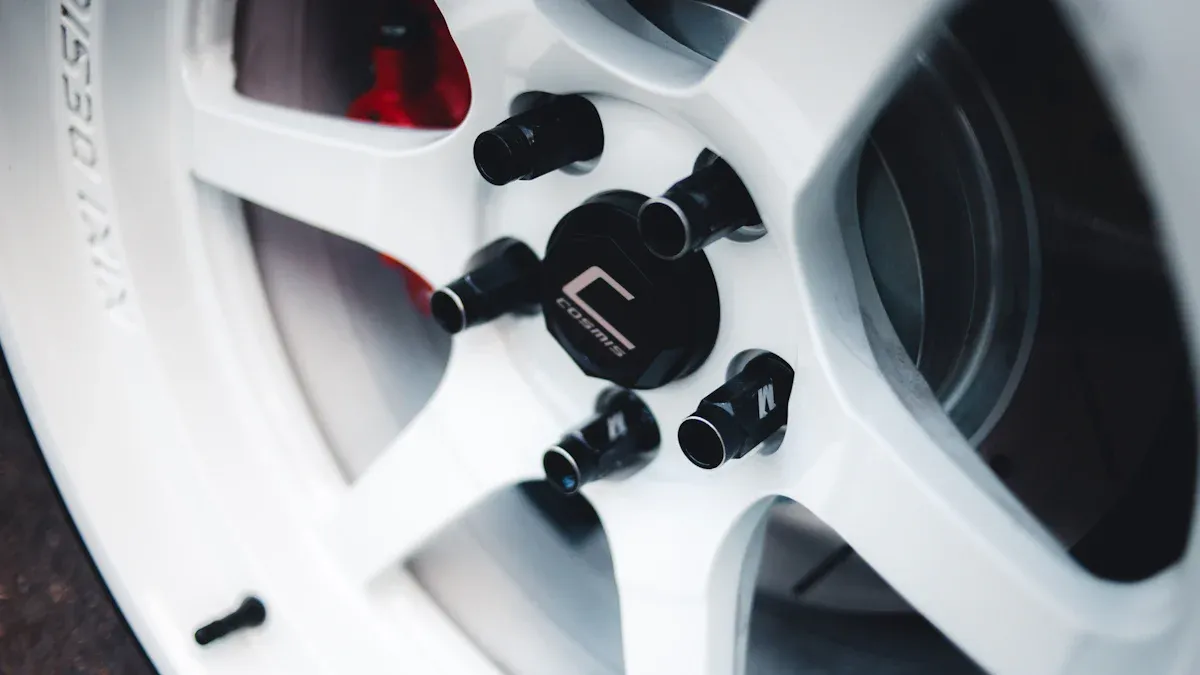
Once you have the fit, material, and finish sorted, you can choose a style. The style of your lug nuts for trucks affects both the look of your wheels and their function, from universal compatibility to added security.
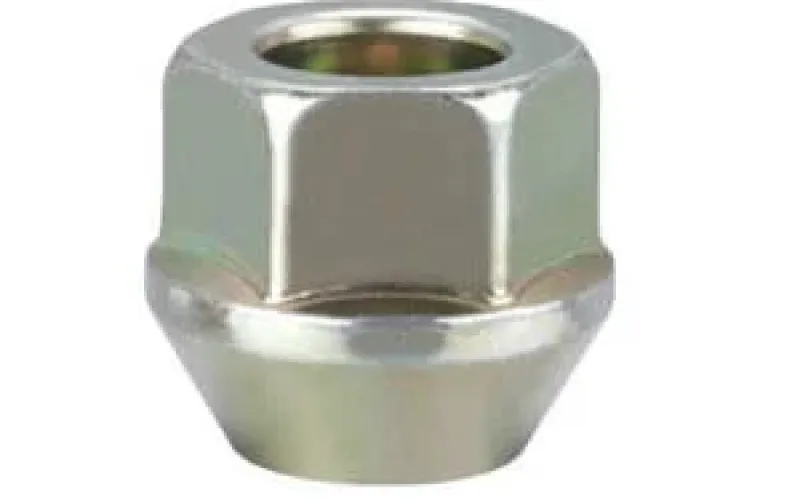
You will find acorn lug nuts are a very common and reliable option. They are a great choice for many factory and aftermarket wheels with standard-sized lug holes. Their name comes from their appearance.
Their simple and effective design makes them a universal and dependable solution for most truck owners.
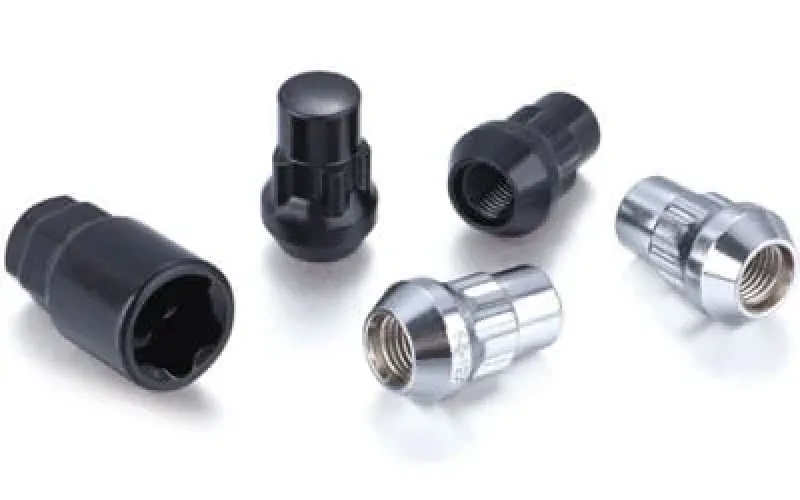
Spline drive lug nuts offer two key advantages: security and a slim profile. These aftermarket lug nuts require a special key for installation and removal. This unique pattern adds a layer of protection against wheel theft.
One user noted that their ‘lock lugs are splined,’ showing how this design provides peace of mind.
Their narrow diameter is also functional. Some modern aluminum wheels have deep lug holes with very little space. A normal socket will not fit inside. Spline drive lug nuts are thin enough to fit into these tight spaces, making them a necessary choice for certain custom wheels.
Spiked lug nuts offer a bold, aggressive look. However, you must consider safety and legality before installing them. These spikes can extend past the side of your truck, creating a potential hazard.
Many regions have laws against wheel accessories that stick out too far. For example, Washington law prohibits wheel nuts that extend beyond the vehicle body and create a hazard. Always check your local and state regulations. While most are made of plastic, the strongest and most durable options are made of solid steel with a protective finish like chrome plating.
Choosing the best lug nuts for trucks comes down to four key factors: fit, material, finish, and style. You must confirm your truck’s thread size and wheel seat type before buying. One-piece steel lug nuts provide the best combination of strength and value, making them the best lug nuts for most drivers.
Final Safety Check: Always re-torque your new lug nuts after the first 50-100 miles. Driving causes movement and temperature changes that can affect torque. Re-checking ensures your wheels stay safely attached.
Yes, you must use a torque wrench. It ensures you tighten each lug nut to the exact specification from your truck’s manufacturer. This prevents over-tightening, which can damage parts, and under-tightening, which can cause a wheel to come loose. Proper torque is essential for safety.
You must re-check the torque after driving 50-100 miles. Driving heats and cools your wheels. This process can cause the new lug nuts to settle and lose a small amount of torque. Re-torquing ensures your wheels remain securely fastened for long-term safety.
You should not mix different lug nuts. Each wheel needs a matching set with the same seat type, material, and design. Mixing them can cause improper seating and uneven torque. This creates an imbalance and a serious safety risk. Always use a complete, matching set.
High-quality aftermarket lug nuts can be a significant upgrade. Many factory lug nuts use a two-piece capped design that swells with rust.
Choosing a solid one-piece steel aftermarket lug nut eliminates this problem. It provides superior strength, durability, and long-term reliability for your truck.
 Request a quote