What is the difference between rubber and metal tire valves?
 20Mar
20Mar 

You must first identify your wheel lock’s unique pattern and size to find the correct replacement. Losing the original wheel lock key can be frustrating, but solutions are available.
Tip: Check for a code card in your glove box or with your car’s paperwork. This code is the fastest way to get a new wheel lock key.
If you cannot find a code, you can order a new lock lug nut socket by visually matching the wheel lock pattern on your wheel lug nuts. An emergency removal tool is a final option for removing a stubborn wheel lock.
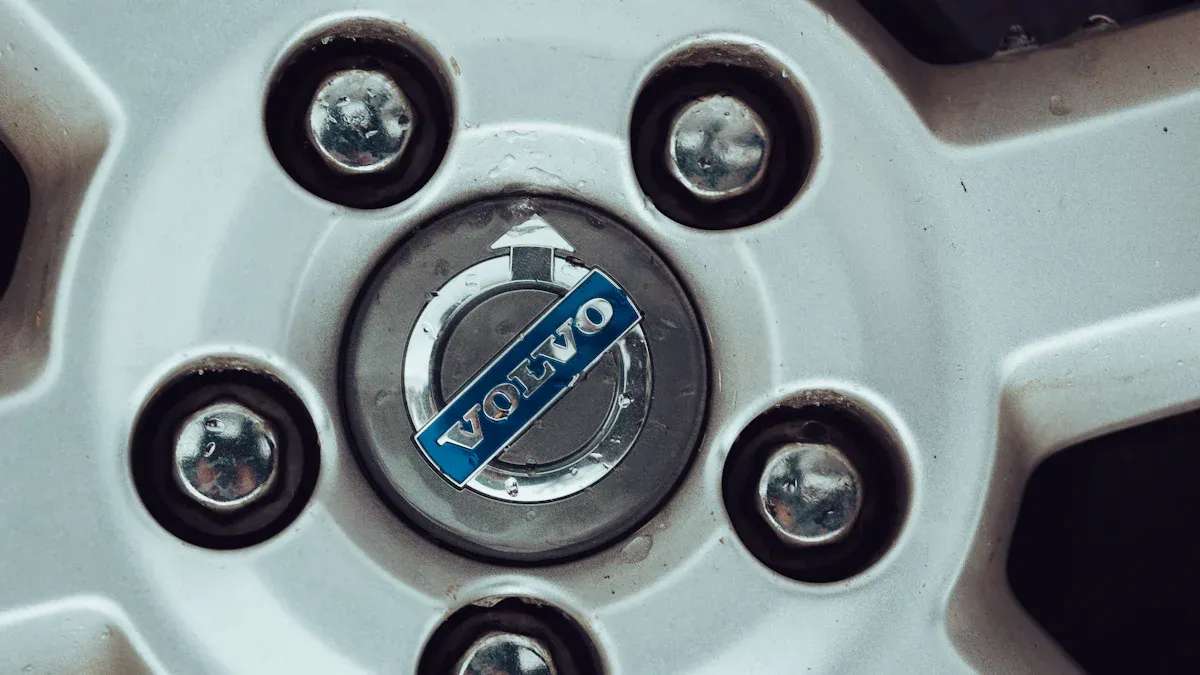
Finding the right socket starts with correctly identifying your wheel lock. This first step is the most important part of the process. You need to know exactly what kind of wheel lock you have before you can find its matching key.
Your first task is to search for the original wheel lock key or its code card. The manufacturer provides this key when the car is new. The code allows you to easily order a replacement. You should check several common storage spots in your vehicle.
Where to Look? 🧐 Many drivers find the wheel lock key or code card in these places:
- In the glove box or center console.
- With the spare tire and jack in the trunk.
- Inside the tool pouch that came with your car.
- In a plastic bag with the original lug nuts.
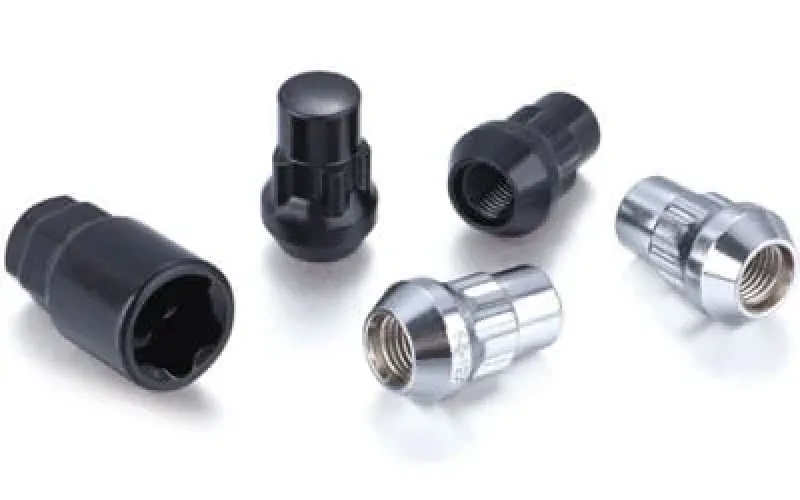
If you cannot find the key or code, your next step is to look at the wheel lock itself. Each set of wheel locks has a unique pattern. This design prevents standard tools from removing the nut. You must identify this specific pattern to find a matching socket. A great way to do this is by taking a very clear, well-lit photo of the wheel lock. You can also press a piece of putty or clay onto the lock to create an impression of the pattern. This gives you a physical copy to use for matching.
You also need to figure out if your wheel locks are OEM (Original Equipment Manufacturer) or aftermarket. OEM wheel locks are installed at the factory. Aftermarket wheel locks are installed later by a previous owner or a tire shop. This information helps you know where to search for a new wheel lock key. OEM keys often come from a dealership, while aftermarket keys come from specific brands.
There are several common types of wheel locks you might see:
Your vehicle’s owner’s manual is a valuable resource. You should consult it for important details about your car’s wheels. The manual often contains information about factory stud sizes. You can typically find this in sections related to ‘Thread Size’. This information helps you confirm the specifications for your wheel lock. Knowing the correct thread size and seat type (cone, ball, or flat) is essential. It ensures that any replacement key or wheel lock you purchase will fit correctly and safely. This step is especially important if you suspect your wheel locks are OEM. The manual provides the original factory standards for your vehicle.
Pro Tip: 📝 Keep your owner’s manual in the glove box. This gives you quick access to vital information when you need it most, like when dealing with a lost wheel lock key.
A picture is worth a thousand words, especially when matching a wheel lock. You need to take a high-quality, clear photograph of the lock pattern. A blurry or dark photo will not help you find the right socket.
Follow these steps for the best results:
This clear photo becomes your primary tool for matching. You can send it to dealerships, auto parts suppliers, or use it to compare against online catalogs. A good picture greatly increases your chances of identifying the correct replacement key on the first try.

Once you identify your wheel lock, the next step is to find the correct replacement socket. You have several reliable options for sourcing a new key. Your choice will depend on the information you have, such as a key code, your VIN, or just a photo of the pattern.
If your car has factory-installed (OEM) wheel locks, your local dealership is a great place to start. You can visit or call their parts department for help. Provide them with your car’s Vehicle Identification Number (VIN). The VIN helps them look up the original parts and specifications for your exact vehicle.
However, the VIN alone may not be enough. The dealership will likely need more specific information to order the correct wheel lock key.
71631N) or thread size stampings (e.g., M14x1.5) are not the same as the key code. You cannot use them to order a replacement.The cost can vary. Some dealerships may charge around $50 for just the key, while a complete new set of locks could cost $100. It is a good idea to call ahead to confirm pricing.
If you found the key code card, you are in luck. This is often the easiest and most affordable way to get a new lock lug nut socket. Major aftermarket brands like McGard and Gorilla have websites designed for this purpose. Ordering directly from the manufacturer can sometimes cost less than $20.
Follow these simple steps to order your replacement:
What if you have no key and no code? Do not worry, you can still find a match. This method relies on the clear photo you took in Step 1. The unique pattern on your wheel lock is your guide.
Visual Matching is Key 📸 A sharp, well-lit photograph is your most important tool here. Without a clear image of the pattern, it is nearly impossible for an expert to find the right lock lug nut socket for your wheel lock.
You can take your photo to a trusted auto parts supplier or a dealership. The parts specialists there often have master sets of keys. They can visually compare your wheel lock pattern to the keys in their set to find the one that fits. Some manufacturers also have online catalogs with high-resolution images of every key pattern they produce. You can use your photo to carefully compare and identify your specific wheel lock pattern on their website.
Many aftermarket wheel locks come from well-known brands like McGard or Gorilla. These companies are specialists in wheel security. They have streamlined processes for you to get a replacement key. If you identify your wheel lock as one of their products, your best option is to go directly to their website. They have dedicated sections for ordering replacement keys.
Manufacturer Tip: ⚙️ Both McGard and Gorilla have online forms where you can order a new key. You will need your key code or a very clear photo of the pattern. This is often the fastest and most direct way to get an exact match for your wheel lock.
You can also purchase a replacement wheel lock socket from a reliable auto parts supplier. A trusted company ensures you receive a high-quality product that fits correctly and will not fail when you need it most. Companies like Fortune have built a reputation over decades by adhering to strict quality standards, like ISO9001 certification, and never using inferior materials. A professional supplier can help you identify the correct key using your photo or by matching it to a master set.
When choosing a supplier, look for positive customer feedback. High satisfaction ratings often indicate reliable service and quality products. Here are some examples of customer satisfaction ratings in the industry:
Choosing a supplier with a strong track record gives you confidence in your purchase.
Before you finalize your purchase, you must verify the socket’s drive size. The drive size refers to the square opening on the back of the socket. This opening must match the square drive on your lug wrench or ratchet. Using the wrong size will make the tool useless.
The 1/2-inch drive is the industry standard for most cars and is preferred by many professionals for its versatility. However, you should always confirm the correct size for your tools. Common drive sizes include:
After you receive your new lock lug nut socket, always test the fit by hand first. Gently place the socket onto the wheel lock to ensure the patterns match perfectly. A correct fit will feel snug with no wobbling. This simple check prevents you from damaging the key or the nut when you apply force with a wrench.
Sometimes, you cannot find a replacement key. You may need to use an emergency method to remove your wheel locks. These options should be your last resort. They can be effective, but they also carry risks.
You can use a universal lock lug nut removal kit when you have no other choice. These kits work much like tools for removing stripped nuts. They often use an over-socket design with a special spline adapter. This design grips the outside of the wheel lock, allowing you to turn it without the original key. This method is a common solution, but it also shows why some locks become less effective against tire theft over time.
Popular Universal Tools 🛠️
- Dorman-Autograde Spline Key Adapter: This tool is made to work with a specific line of locking lug nuts.
- CTA 13 (13/16in Emergency Lug Nut Remover Socket): This is an over-nut tool that you can use with a standard impact wrench. It tightens over the nut for removal without drilling.
Emergency tools can save the day, but you must understand the risks. Using force can damage your wheel, the lug stud, or the wheel lock itself. For example, drilling out a lock can harm the wheel and hub. Welding a socket to the nut is also very risky and can cause damage to your wheel assembly. These methods can turn a simple problem into an expensive repair. They also defeat the purpose of having locks to prevent tire theft.
The table below compares different emergency removal methods.
| Method | Pros | Cons |
|---|---|---|
| Repair Shop (Grinding Socket) | Effectively removes the wheel lock. | May damage the wheel lock beyond repair. |
| Lug Nut Extractor Set | Often the easiest and safest approach. | Forcing it on may cause wheel damage. |
| Socket-and-Hammer Trick | A common DIY approach with limited tools. | Can damage the socket or the nut. |
| Drill and Extractor Bit | Works for tough cases when other methods fail. | Carries a higher risk of rim scratches. |
| Professional Solutions | Safest options; avoids DIY risks. | May incur costs; requires external services. |
If you are not comfortable with emergency tools, you should call a professional. A mechanic or a tire shop has the experience and specialized equipment to remove a stubborn wheel lock safely. This is the best way to avoid damaging your wheels. A professional can remove the old locks and help you install a new set. This protects your investment and ensures your wheels remain secure from tire theft. Calling an expert is a smart choice to prevent costly mistakes and keep your vehicle safe from tire theft.
If you feel unsure about using emergency tools, your best move is to visit a local tire shop. These professionals handle lost wheel lock keys every day. They have the right experience and equipment to remove your wheel lock safely and efficiently. This choice protects your wheels from accidental scratches or damage. You can save yourself a lot of time and frustration by letting an expert take over.
Tire shop technicians have access to tools that most car owners do not. They often start by trying to match your lock with a master key set. If that does not work, they have other specialized equipment to get the job done.
Expert Tools of the Trade 🧰 Tire shops use professional-grade tools designed specifically for this problem, such as:
- A large universal locking lug nut remover
- A large wheel cover lock remover
These tools allow them to grip and remove the lock without damaging the surrounding wheel surface. This is much safer than trying to hammer on a socket or drill out the lock yourself.
The cost for this service can vary depending on the shop and your location. You should always call ahead to ask for a price quote. Some customers report being quoted as much as $85 for a removal. However, others have found much lower prices. One shop in Southern California previously charged $20 for the service. A major chain like Discount Tire has been known to charge around $10 per rim. Getting a price upfront helps you avoid any surprises. A quick phone call can help you find the best and most affordable option in your area.
Choosing the right lock lug nut socket starts with identifying your lock’s pattern, code, and size. You can use this information to order a direct replacement. If you lose your key, a visual match or an emergency tool are good alternatives. Always test-fit the new socket by hand to confirm the correct size and prevent damage.
To avoid this problem in the future, properly store your wheel lock key.
You can still find a match without the code. Take a clear, well-lit photo of the lock’s pattern. A parts specialist at a dealership or a trusted supplier like Fortune can use your picture to identify the correct socket from a master set.
No, a regular socket will not fit. Locking lug nuts have a unique, computer-generated pattern. This design requires a special matching key for removal. Using the wrong tool can damage the nut and your wheel, so you must use the correct key.
The price for a replacement key varies. Ordering directly from a manufacturer with a code can cost under $20. A dealership might charge around $50 for the key. Emergency removal at a tire shop can range from $10 to $85.
You should store your key in a memorable and secure spot inside your vehicle.
Good Storage Spots 📍
- Glove box
- Center console
- With your spare tire tools
Consider ordering a spare key to keep safely at home. This gives you a reliable backup.
 Request a quote