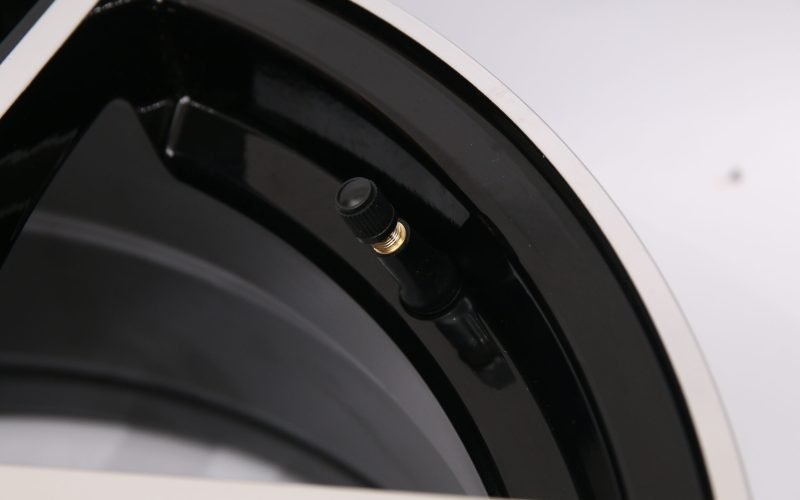
What is the difference between rubber and metal tire valves?
 20Mar
20Mar 


Wheel attachment integrity depends on the correct matching of acorn lug nut, lug bolt, or wheel locks to the wheel’s mounting interface. Although these fasteners appear similar externally, variations in seat geometry, thread specification, and engagement length directly determine clamping force distribution. Improper selection leads to seat deformation, stud fatigue, rotor distortion, or long-term wheel damage.
From a manufacturing standpoint, preventing these issues requires verifying three core parameters before installation: seat type, thread size, and effective lug nut length.
Important: Always confirm these three points before installation:
• Seat Type
• Thread Size
• Lug Nut Length
The seat is the load-bearing interface between the lug nut and the wheel. Correct seat geometry ensures even clamping pressure and proper centering. A mismatch concentrates force on a narrow contact band, accelerating wear or deforming aluminum wheels.
Most aftermarket wheels are designed for a 60-degree conical seat, commonly referred to as an acorn seat. However, verification is essential before assembly.
A 60-degree conical seat features straight tapered sides forming a cone. When viewed inside the lug hole, the taper appears uniform and angular rather than rounded.
Other common seat types include:
• Ball (radius) seat – curved contact surface
• Flat seat – flat washer-style interface
A conical acorn lug nut must never be installed on a ball or flat seat wheel. This creates uneven contact and unstable preload conditions. Aluminum wheels are especially sensitive to incorrect seat pressure. In some designs, steel inserts are required to withstand conical compression forces. Without reinforcement, repeated torque cycles can elongate or distort the lug holes.
Before installing new hardware, inspect the wheel mounting holes carefully.
Check for:
• Radial cracks extending from the lug seat
• Rust buildup or fretting corrosion
• Elongation or “wallowed” holes from improper hardware
• Surface galling or aluminum deformation
Deformed seats prevent proper centering and torque retention. If visible damage exists, wheel replacement or professional inspection is required before reassembly.
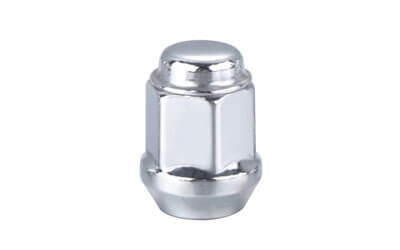
Thread compatibility between the lug nut and the wheel stud is critical. Incorrect pitch or diameter results in cross-threading, incomplete engagement, and potential stud failure.
Thread size is typically marked in metric or imperial format.
Metric example: M12x1.5
• M12 = 12 mm major diameter
• 1.5 = 1.5 mm thread pitch
Imperial example: 1/2″-20
• 1/2″ = 0.5 inch major diameter
• 20 = threads per inch (TPI)
Forcing mismatched threads damages both the stud and nut. Cross-threading reduces effective clamping load and may require stud or hub replacement.
Common thread applications include:
• M12 x 1.5 – Many Honda, Toyota, BMW, Mercedes models
• M12 x 1.25 – Common on Nissan and Subaru
• M14 x 1.5 – Frequently used on GM, Ford, Chrysler trucks and SUVs
• 1/2″-20 – Older domestic applications
Thread specification can be confirmed through the vehicle manual, original hardware marking, or direct measurement using pitch gauges.
At fortune, lug nuts are manufactured with precision-controlled threading tolerances to ensure smooth engagement and accurate torque transfer. Consistent pitch accuracy reduces the risk of installation damage and improves long-term stud protection.
Length directly affects thread engagement, which determines joint strength. Insufficient engagement reduces load-bearing capacity and increases failure risk under dynamic driving conditions.
As a general guideline:
• Minimum 6–8 full hand turns before torque application
• Thread engagement length should approximately equal stud diameter
If fewer than six full rotations are achieved, the nut is too short for the wheel-stud combination.
Standard acorn nuts begin threading near the seat. These are suitable for most factory wheel applications.
Extended Thread (ET) designs incorporate a small shank that reaches deeper into thick mounting pads, increasing engagement depth. ET styles are often required for aftermarket wheels with thicker hubs or recessed lug bores.
Using a standard nut where ET is required can result in inadequate engagement and reduced clamp load.
Closed-end acorn nuts feature a capped dome, sealing the stud from moisture and contaminants. This configuration is suitable for daily-use vehicles where corrosion protection is important.
However, the stud must not contact the internal cap before the seat fully clamps the wheel. Bottoming out creates false torque readings and an unsafe joint.
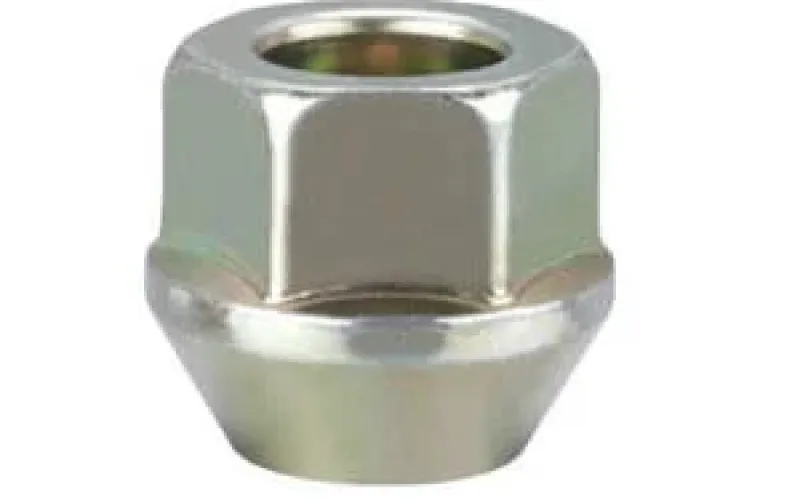
Open-end acorn nuts allow the stud to pass through the top of the nut. These are required when using extended wheel studs or spacers. They also permit visual confirmation of thread engagement. The tradeoff is greater exposure of stud threads to environmental corrosion.
Material quality and surface coating strongly influence corrosion resistance. fortune applies controlled plating processes and hardness validation to ensure stable torque retention and long-term durability across both open and closed configurations.
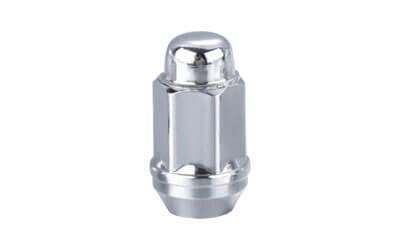
Both standard hex acorn nuts and spline-drive variants typically use a 60-degree conical seat, but they differ in drive interface and security function.
These use a conventional hex head and standard socket. They are widely compatible and appropriate when wheel bore openings allow standard tool access.
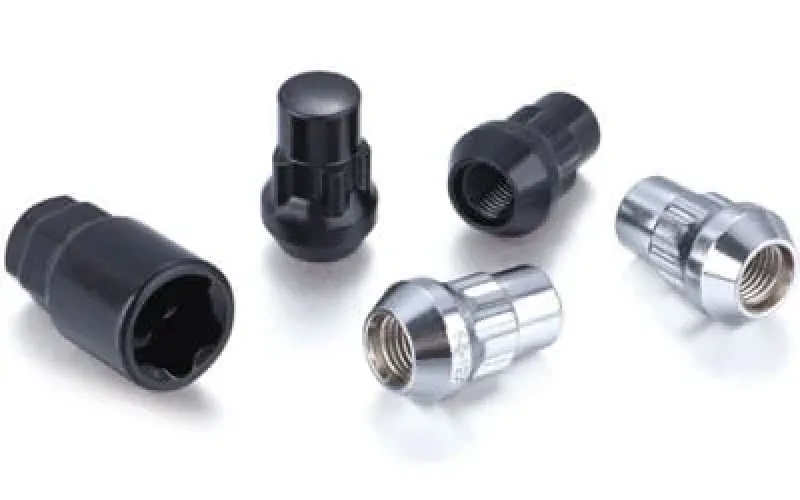
Spline-drive designs feature multiple narrow grooves and require a dedicated installation key.
Advantages include:
• Smaller outer diameter for narrow lug bores
• Reduced risk of wheel surface scratching
• Added theft deterrence compared to standard hex designs
Because removal requires a matching key, spline-drive configurations function similarly to basic wheel locks while maintaining a conical seating interface.
In applications requiring additional theft protection, dedicated wheel locks can be combined with standard or spline acorn nuts for layered security.
Correct torque application is as important as hardware selection.
Improper tightening can cause:
• Stud stretch or fracture
• Rotor warping
• Seat deformation
• Uneven clamp load
Best practice includes:
• Hand-starting nuts to prevent cross-threading
• Tightening in a star pattern
• Final torque application using a calibrated torque wrench
Impact tools should not be relied upon for final torque verification.
Wheel damage associated with incorrect acorn style lug nuts typically results from mismatched seat geometry, incorrect thread pitch, or insufficient engagement length. These errors alter clamp load distribution and compromise joint stability.
Proper verification of seat type, thread specification, and nut length ensures uniform pressure transfer and long-term reliability. When manufactured with controlled tolerances, validated material strength, and corrosion-resistant surface treatment, acorn lug nuts maintain consistent clamping performance under repeated service cycles.
Fortune supplies precision-machined lug nuts, spline-drive systems, wheel locks, and supporting tire weight solutions engineered for dimensional consistency and balanced wheel assembly performance. Coordinated quality across fastening and balancing components helps reduce vibration-induced stress and extends wheel system service life.
You should avoid reusing old lug nuts. They can have hidden wear, rust, or stretched threads from previous use. New wheels often require a specific seat type. Always install new, correct nuts to ensure a safe fit.
You risk serious damage by overtightening nuts. This action can stretch wheel studs until they break. It may also warp your brake rotors or damage the wheel itself.
Pro Tip: Always use a torque wrench to tighten lug nuts to the manufacturer’s specification. This prevents damage and ensures safety.
You can find the correct torque specification in your owner’s manual. For a modified jeep, this value might be different. A good jeep modification guide or a mechanic can confirm the right spec for your specific jeep setup.
Spline nuts are an excellent choice for a jeep. Their slim design fits many aftermarket jeep wheels. The special key also adds security for your expensive jeep. For these reasons, many jeep owners choose them.
 Request a quote