 04Feb
04Feb 

An improper fit for your bolts on wheels can lead to serious safety issues. You need to select the correct hardware for your specific vehicle and wheel combination. Tire and wheel problems cause over half of all semi-truck roadside breakdowns, highlighting the importance of a secure fit. Getting this right involves more than just finding a lug nut or lug bolt that seems to fit. You must know your vehicle’s required thread pitch. You also need to identify the correct seat type for your new wheel. Finally, you must determine the right shank length for a secure installation.
Step 1: Match Your Vehicle’s Thread Pitch and Lug Nut Size
The first step to a safe wheel installation is matching your hardware to your vehicle’s specifications. Every car has a specific thread size and pitch for its wheel studs. You must use a lug nut that matches these specifications perfectly. Using the wrong lug nut can damage the threads on your wheel studs, preventing a secure fit for your wheel.
What is Thread Pitch?
Think of thread pitch as the specific language your wheel studs and lug nuts use to communicate. It is a precise measurement of the threads. For a secure connection, both parts must speak the same language. You can often find this information stamped directly on the hardware.
The markings tell you everything you need to know. Here is how you can read them:
| Feature | SAE System (Imperial) | Metric System |
|---|---|---|
| Thread Pitch | A marking like ‘1/2-20’ means a half-inch diameter bolt with 20 threads per inch. | A marking like ‘M12x1.5’ means a 12mm diameter bolt with 1.5mm between each thread. |
| Grade (Strength) | Radial lines on the head indicate strength (e.g., 6 lines for Grade 8). | A number like ‘10.9’ or ‘12.9’ stamped on the head indicates high strength. |
How to Find Your Thread Pitch
Your vehicle’s owner’s manual is the best place to find the correct lug nut size and thread information. You can also check the manufacturer’s website. For example, many Toyota cars use a 12mm x 1.5 thread pitch. Larger Ford trucks and SUVs often use a 14mm x 1.5 size for their wheel.
Once you know the thread details, you need the correct lug nut size for your tool. This refers to the outer hex size of the lug nut. Common sizes in North America include:
- 19mm and 21mm are the most common sizes for a wheel.
- 17mm is often used on European cars.
- 22mm is found on many full-size trucks and newer Honda models.
Pro Tip: The easiest way to guarantee a perfect match is to take an existing lug nut from your wheel to a local auto parts store. They can measure it and provide you with the exact hardware you need for your new wheel.
Step 2: Identify the Correct Seat Type for Your Aftermarket Wheels

After confirming your thread pitch, you must identify the correct seat type for your new hardware. This is especially critical when installing aftermarket wheels, as they often require a different style of lug nut than your vehicle’s original wheels. The seat is the contact surface where the lug nut or lug bolt meets the wheel. Using the wrong seat type prevents the hardware from securing the wheel properly.
What is a Lug Bolt Seat?
The lug bolt seat is designed to create a precise, flush fit between the lug nut and the wheel’s lug hole. This ensures the clamping force is distributed evenly for a safe connection. There are several common seat types you will encounter:
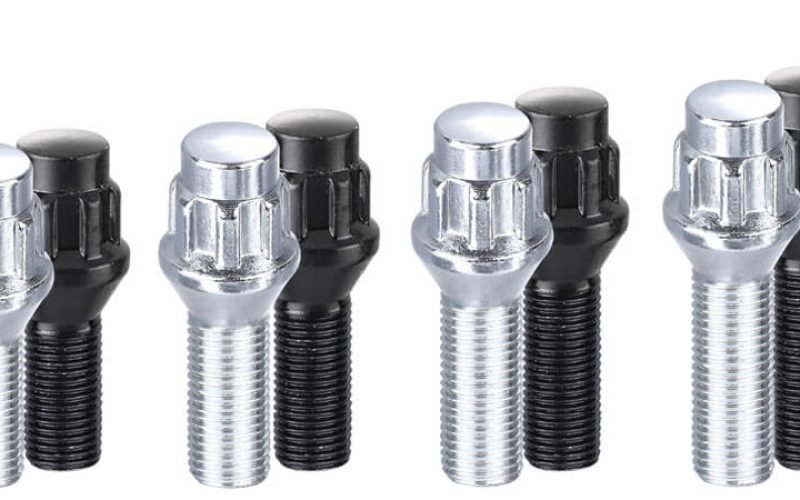
- Conical or Tapered Seat: Also known as an acorn seat, this is the most common style. Conical lug nuts have a 60-degree tapered end that helps center the wheel as you tighten it.
- Ball or Radius Seat: These spherical lug nuts feature a rounded, ball-shaped end. You will often find a ball seat on wheels from manufacturers like Honda and Acura.
- Mag or Shank Seat: Mag seat lug nuts have a flat base with a washer and an extended shank that fits into the lug hole. This design provides extra thread engagement and was popular on early aluminum wheels. The mag seat offers a flush fit against a flat wheel surface.
- Flat Seat: Similar to a mag seat, flat seat lug nuts also use a flat washer for contact. However, they do not have the extended shank, making them common on some commercial trucks.
How to Determine the Right Seat
You must match the lug nut seat to the design of the lug holes on your wheel. A conical lug nut will not sit correctly in a wheel designed for a ball seat, and vice versa. This mismatch creates a tiny contact point, drastically reducing the hardware’s ability to hold the wheel securely.
Safety Alert: An improper seat fit is dangerous and can lead to severe problems, including:
- Loose nuts that back off over time
- Vibration while driving
- Snapped lugs from uneven stress
The contact area is key to safety. A lug bolt with a full contact surface provides a much more secure fit than one with a partial or narrow contact area.
| Feature | Full-Cone Seat | Part-Cone Seat |
|---|---|---|
| Contact Area | Larger contact area | Narrow/Smaller contact area |
| Force Acreage | More force acreage | Less force acreage |
| Fitting | Better fitting | Less proper fastening |
| Safety | Higher safety | More prone to loosening |
Always inspect your new aftermarket wheels to determine if they require a conical, ball seat, or mag seat. If you are trying to use a tapered lug nut on a wheel that requires a ball seat, special conversion adapters are available. These adapters ensure full contact between the lug nut and the wheel, preventing dangerous driving conditions.
Step 3: Calculate the Perfect Shank Length for Your New Lug Bolt
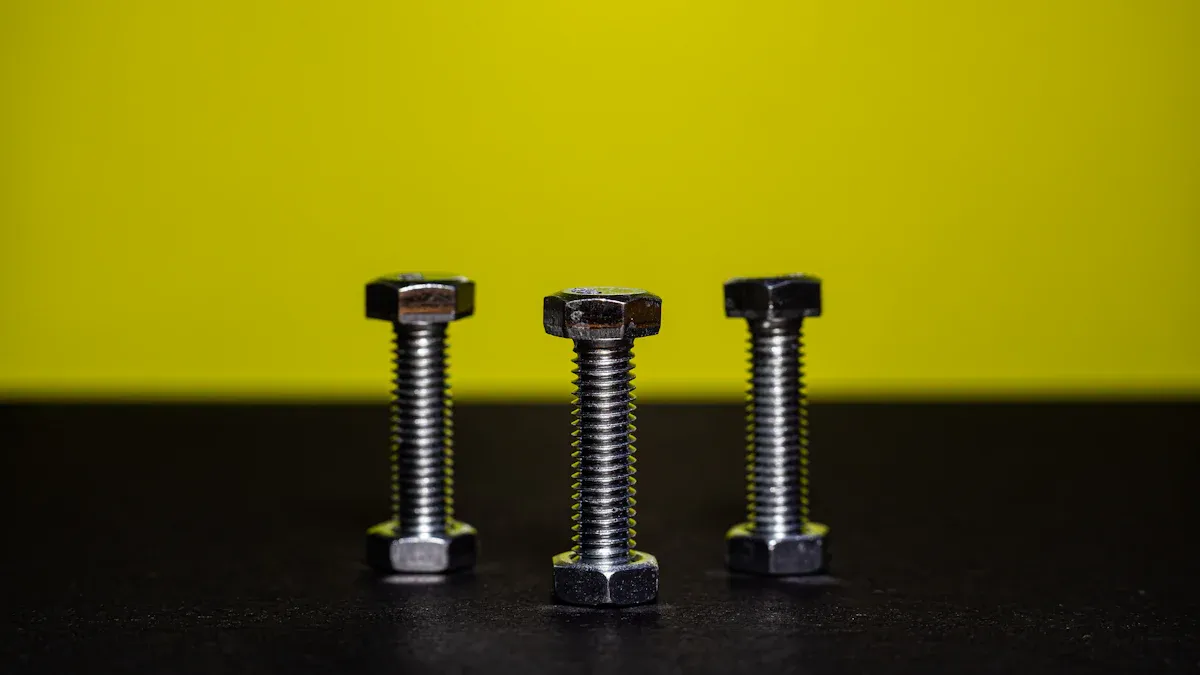
You have the right thread pitch and seat type. Now, you must find the correct shank length. The shank is the threaded part of the lug bolt. Its length is crucial for safety. A bolt that is too short will not have enough thread engagement to hold the wheel securely. A bolt that is too long can damage your vehicle’s brake components.
What is Shank Length?
Shank length is the measurement of the bolt from the bottom of the seat to the end of the threads. This length determines how many turns you can make to tighten the hardware. Proper engagement ensures the clamping force is sufficient to keep your wheel attached, even under stress. You need enough threads engaged in the hub for a strong, reliable connection.
How to Calculate the Correct Length
Calculating the correct length is straightforward. You need to ensure the lug bolt passes through the wheel’s mounting pad and engages sufficiently into the vehicle’s hub.
A common rule of thumb suggests that the thread engagement should be at least 1.5 times the diameter of the bolt. For example, a 12mm lug bolt should engage at least 18mm (12mm x 1.5) into the hub. However, this can change based on material:
- Steel: Requires 1 to 1.5 times the bolt diameter.
- Cast Iron: Requires 1.5 to 2 times the bolt diameter.
- Aluminum: Requires 2 to 2.5 times the bolt diameter.
If you add wheel spacers, you must use a longer lug bolt. You find the new length by adding the spacer’s thickness to the original bolt’s shank length. For instance, a 27mm bolt with a 12mm spacer requires a new 39mm bolt for your wheel.
The Final Measurement Test
Once you have your new hardware, perform a final test before mounting the wheel. Insert the new lug nut or bolt through the wheel and measure how much it extends past the back of the mounting pad. This measurement should match the required thread engagement for your hub.
Next, thread the bolt into the hub without the wheel to check its length. It should not bottom out or hit anything behind the hub.
Danger Zone: A lug bolt that is too long can interfere with your brake system. It may damage critical parts like ABS sensors or brake rotors. This creates a serious safety hazard and can lead to costly repairs. Always ensure your hardware fits perfectly before driving your vehicle. A proper fit is essential for every wheel.
Step 4: Final Safety Check for Your Bolts on Wheels
You have selected the right hardware. Now, you must perform a final safety check. This last step ensures your bolts on wheels are installed correctly and securely. A proper installation prevents dangerous situations on the road.
Your 3-Point Safety Checklist
You can avoid common mistakes by following a simple checklist. This process guarantees a secure fit for your wheel.
- Use the Correct Tools: Always use a torque wrench for the final tightening. An impact gun is great for speed, but it does not provide accurate torque. You should also use special impact sockets with a plastic sleeve. These protect the finish on your lug nut and prevent corrosion.
- Confirm the Seat Match: Double-check that your lug nut seat type (conical, ball, or mag) matches the lug hole design on your wheel. An incorrect shape will cause vibrations and can lead to the wheel coming loose.
- Torque to Manufacturer Specs: You must tighten the hardware to your vehicle’s specific torque range. Over-tightening can damage the threads and bolt, while under-tightening allows the hardware to loosen over time.
The Dangers of an Improper Fit
An improper fit is extremely dangerous. Federal records show that loose wheels cause an average of three crashes every day on U.S. highways. In 2019, the National Transportation Safety Board (NTSB) linked 612 vehicle fatalities to tire and wheel-related issues. These statistics highlight a serious and preventable problem.
Professional Responsibility: Auto mechanics have a legal duty to install tires correctly. If a shop fails to follow professional standards, such as using the wrong tools or applying incorrect torque, it can be held responsible for any resulting accident.
A loose wheel can detach from your vehicle at high speed, causing a catastrophic accident. The responsibility for a secure fit starts with choosing the right bolts on wheels and ends with a careful, professional installation.
You now possess the precise method to select the correct lug bolt for your wheel. This knowledge removes the guesswork from wheel installation.
Remember: Always verify the thread pitch, seat type, and shank length before installing your bolts on wheels.
Finally, torque each lug bolt to your vehicle’s specifications. This critical step secures the wheel and ensures your bolts on wheels provide a safe connection for your entire wheel assembly. Your safety depends on this final, careful check.
FAQ
Can I reuse my old lug bolts on new aftermarket wheels?
You should avoid reusing old lug bolts. They can stretch and weaken over time. More importantly, your new aftermarket wheels likely require a different seat type (conical, ball, etc.) than your original factory wheels. Always use new hardware that perfectly matches your new wheels for safety.
What happens if I use the wrong seat type?
Using the wrong seat type creates a tiny, unsafe contact point between the bolt and the wheel. This prevents the bolt from holding the wheel securely. It can cause dangerous vibrations, damage your wheels, and may lead to the bolts loosening while you drive.
How often should I check my lug bolt torque?
You must re-check the torque on your lug bolts after driving the first 25-50 miles on new wheels. This ensures the hardware has settled correctly and remains tight. After this initial check, you should inspect the torque during regular tire rotations for continued safety.
Can I use an impact gun to tighten my lug bolts?
You should not use an impact gun for final tightening. These tools are not precise and can easily over-tighten bolts, which can damage the threads or even snap the bolt.
Pro Tip 💡: Use an impact gun to snug the bolts, but always use a calibrated torque wrench for the final tightening to your vehicle’s exact specifications.
 Request a quote