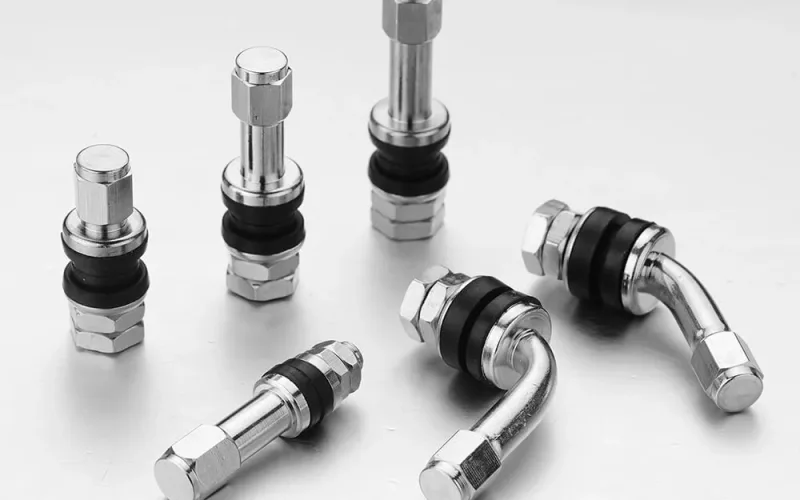
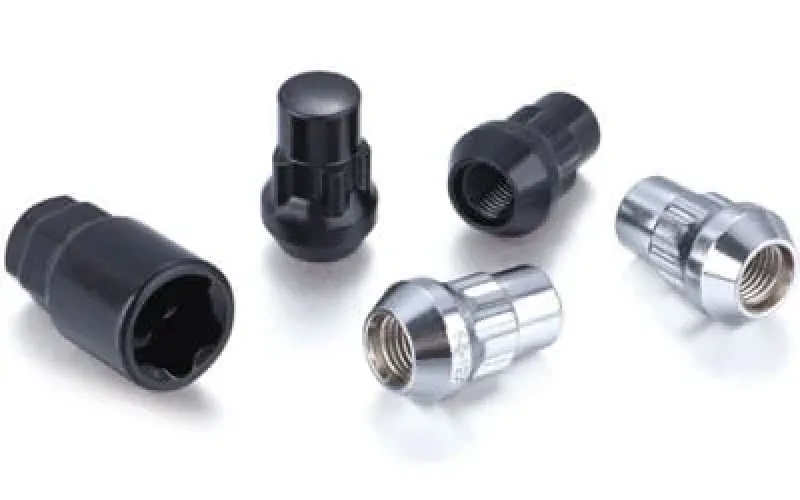
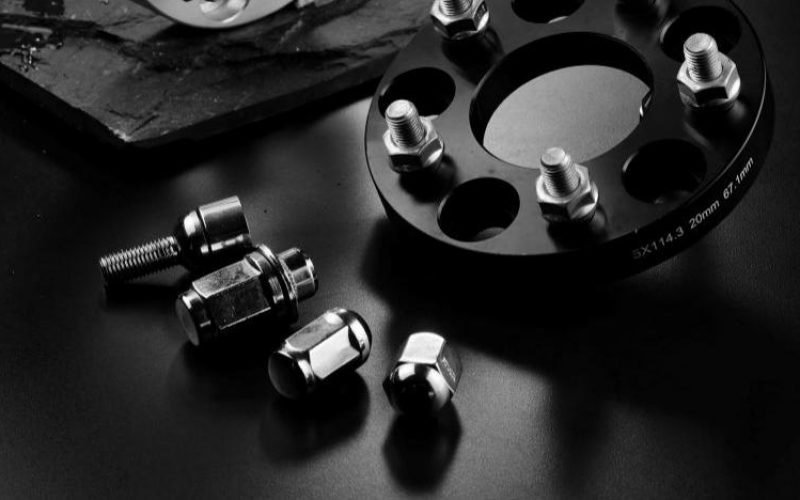
What is the difference between rubber and metal tire valves?
 20Mar
20Mar 


Rim balance weights play a key role in giving you a smooth and balanced ride. When you use wheel weights, you help your tires stay even and steady on the road. This keeps your drive comfortable and helps avoid vibrations that can make steering harder. High-quality rim balance weights, such as those from Fortune, prevent uneven tire wear and protect your car’s suspension. You will notice less strain on your vehicle’s parts and enjoy better safety. The importance of wheel weights goes beyond comfort—they help you save on repairs and keep your car running well. Understanding the importance of wheel balancing can help you get the most out of every mile.
You want every drive to feel smooth and easy. Rim balance weights help you achieve a smooth and balanced ride by making sure your tires spin evenly. When you use wheel weights, you reduce the chance of your car shaking or bouncing on the road. This means you feel less discomfort, especially at higher speeds.
Many drivers notice that after wheel balancing, their car glides over the road with less effort. 3M’s precision adhesive wheel weights allow for exact weight placement, which leads to better balance and a smoother ride. These weights stick firmly to the rim, so you do not need to worry about them falling off or shifting. You get a more comfortable experience, and your passengers do too.
Tip: Regular wheel balancing helps you avoid the annoying vibrations in the steering wheel that can make long trips tiring.
Vibrations in the steering wheel can make driving stressful and even unsafe. When your wheels are not balanced, you may feel shaking or wobbling, especially as you speed up. Rim balance weights fix this problem by correcting both static and dynamic imbalances in your wheels.
Modern balancing methods use advanced algorithms to separate and correct different types of forces. This technology brings the balance back to factory standards and eliminates most vibrations. Fleets that use balance rings and internal balancing compounds have seen a 25% increase in steer tire life and a 35% increase in drive tire life. These compounds keep the tire and wheel assembly balanced as you drive, which means fewer vibrations and less uneven tread wear.
Reducing vibrations not only makes your ride more pleasant but also protects your vehicle’s parts from extra wear.
You need your car to respond quickly and predictably. Proper wheel balancing gives you better control on the road and helps you maintain vehicle stability. When your wheels are balanced, your car handles turns, stops, and lane changes with greater precision. This leads to optimal handling and improved handling in all driving conditions.
Safety improves when you use rim balance weights because your tires wear evenly and your suspension stays in good shape. Balanced wheels mean your car does not pull to one side or feel unstable. Advanced balancing software now allows instant analysis and correction, so your wheels stay within safe limits. This technology helps you avoid sudden surprises and keeps your vehicle performance at its best.
Note: Balanced wheels support both safety and performance, giving you confidence every time you drive.
Wheel weights play a big role in keeping your car safe and stable. By reducing vibrations and improving control, you protect yourself and your passengers. Regular wheel balancing with quality wheel weights ensures your vehicle stability and extends the life of your tires and suspension.
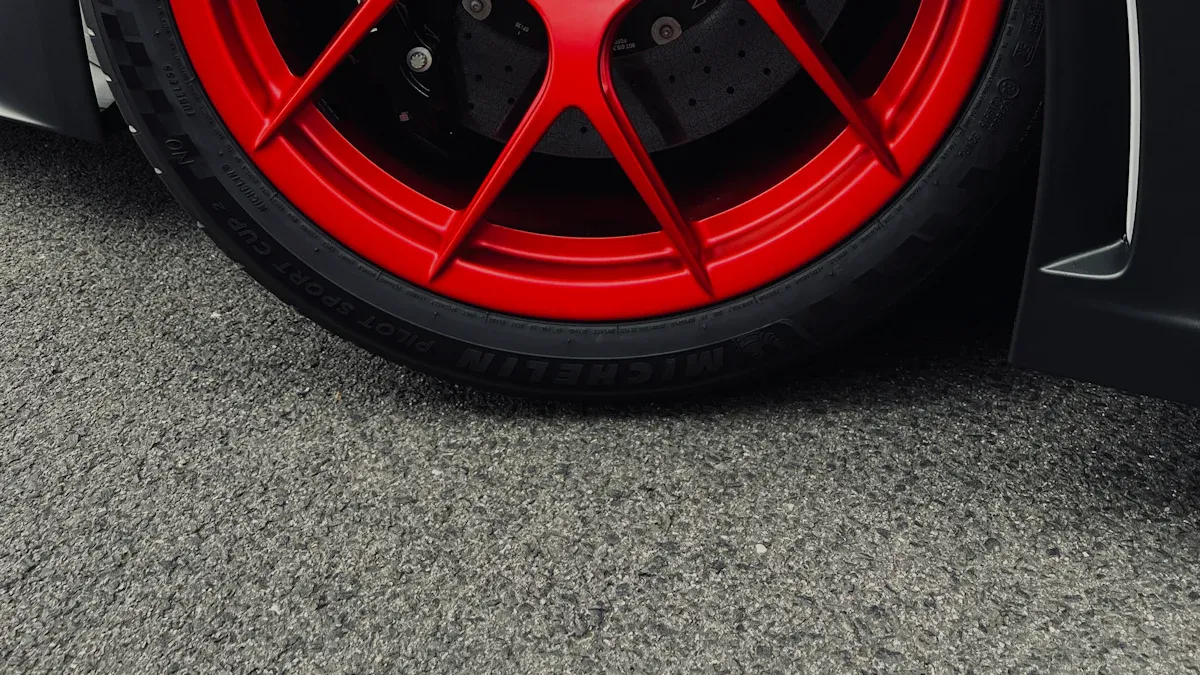
You may wonder what rim balance weights actually do for your car. These small pieces, often made from steel or composite materials, attach to your wheels to help keep your ride smooth. You can find them in different shapes, such as rectangular or curved, and they come coated with materials like zinc or lead-free plastic to prevent rust.
When you drive, your tire-wheel assembly can develop imbalances. These imbalances happen because of small differences in manufacturing, uneven tire wear, or changes after you add new parts. Wheel weights fix these problems by counterbalancing the heavy spots. This process helps you avoid vibrations and keeps your car steady.
When you use wheel balancing, you improve traction, handling, and safety. Properly balanced rims also help your tires last longer and reduce the risk of accidents.
You need to make sure that wheel weights are installed with the right tools. This ensures that the balancing works as it should and your wheels stay in top shape.
Wheel balancing is a key part of keeping your car safe and comfortable. During this process, a technician places your tire-wheel assembly on a special machine. The machine spins the wheel and measures where the heavy spots are. The technician then adds wheel weights to the right places to even out the weight.
Thermal data gives you real-time feedback. It helps you get the most accurate balancing possible. Racing teams, like those in Formula 1, use this method to gain better control and performance. You can benefit from the same technology to improve your daily drive.
Regular wheel balancing keeps your tire-wheel assembly in top condition. You will notice less tire wear, better handling, and a smoother ride.
Wheel balancing, when done right, makes sure your wheels work together perfectly. You get a safer, more enjoyable driving experience every time you hit the road.
You want your tires to last as long as possible. Wheel balancing helps you achieve this by making sure your tires wear evenly. When your wheels are out of balance, you may notice that one part of the tire wears down faster than the rest. This can lead to early tire replacement and extra costs. Balanced tires roll smoothly, which means each part of the tire touches the road evenly. You get better traction and more control, especially when you drive at higher speeds. Even tire wear also means your car stays stable and safe on the road.
Tip: If you see uneven tire wear or feel vibrations in your steering wheel, it is time to check your wheel balancing.
Your car’s suspension system works hard to keep your ride comfortable. Regular wheel balancing reduces the strain on important parts like shocks and struts. When your wheels are balanced, your suspension does not have to work as hard to control the car. This helps prevent early wear and costly repairs. You also protect other parts, such as bearings and bushings, from damage. Balanced wheels improve stability and handling, especially during sharp turns or sudden stops. This means you stay safer and your car lasts longer.
You can save money on gas and enjoy a smoother ride with proper wheel balancing. When your tires are balanced, they roll with less resistance. Studies show that balanced tires can improve fuel economy by up to 2.2%. You also notice less noise and fewer vibrations, which makes driving more comfortable. Balanced wheels help your car handle better and respond quickly to your steering. This boosts your confidence and improves vehicle performance. Using lighter, eco-friendly wheel weights can also help reduce the weight your car carries, making it even more efficient.
Note: Experts recommend checking your wheel balance every 5,000 to 6,000 miles or when you rotate or replace your tires. This keeps your car running at its best and protects your investment.
You may not always see when your wheels need balancing, but you can feel and hear the signs. Your car gives you clues that something is wrong. Pay attention to these common symptoms:
These signs mean your wheels are not spinning evenly. If you notice vibrations or any of these symptoms, you should check your wheels soon. Ignoring these problems can lead to more damage and higher repair costs.
Tip: Always check your tires and listen for new sounds during your regular drives. Early action helps you avoid bigger issues.
You should not wait for problems to get worse. Schedule balancing at the right times to keep your ride smooth and safe. Here are the best times to get your wheels checked:
Professional wheel balancing uses special machines to find and fix even small problems. This service keeps your tires, suspension, and steering in top shape. Regular balancing helps you save money and keeps your vehicle running smoothly.
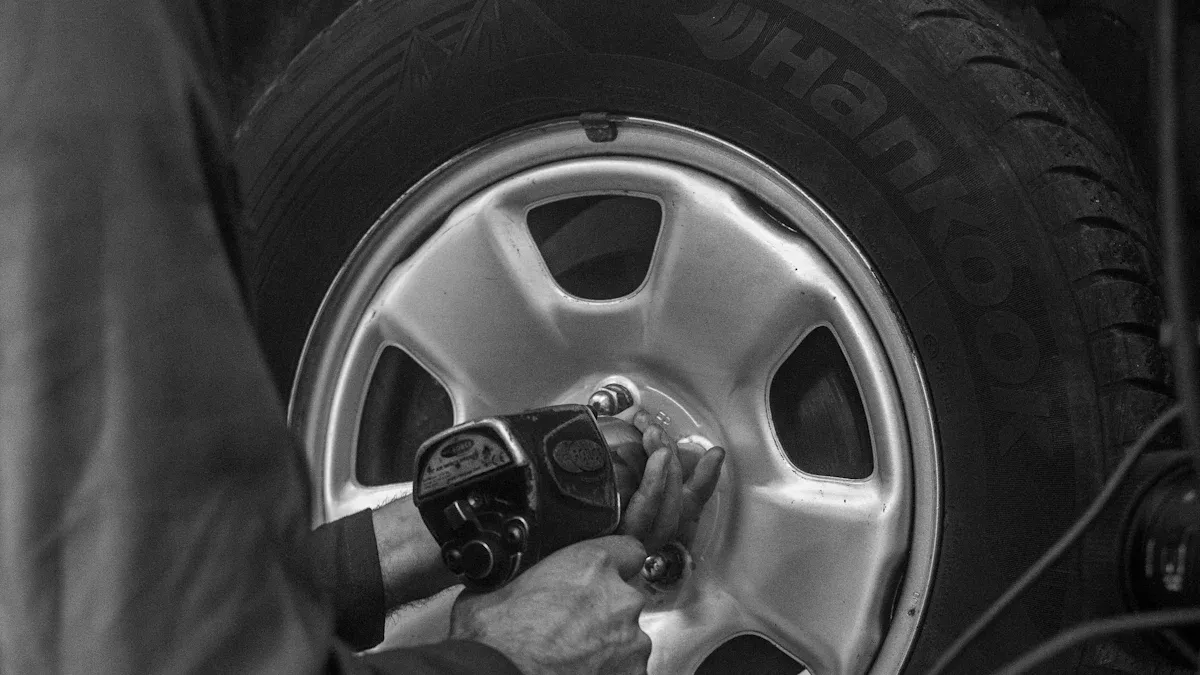
You can choose between clip-on and stick-on rim balance weights for your vehicle. Each type has unique features that affect performance and appearance. Clip-on weights attach to the wheel’s lip. This placement allows you to position the weights farther apart, which improves balance. Many drivers prefer clip-on weights for their sturdiness and better performance in tough driving conditions. Coated steel clip-on weights also help prevent rim damage and support environmental goals.
Stick-on weights offer a different set of benefits. You can use them on wheels without a lip, such as many alloy or stylized wheels. These weights stay hidden, so they keep your wheels looking clean. Stick-on weights allow for precise placement and come in a wide range of sizes. Sometimes, you may need to use more stick-on weights to achieve the same balance because of their shorter moment arm.
Here is a table to help you compare the two types:
| Performance Metric | Clip-On Weights | Stick-On Weights |
|---|---|---|
| Compatibility | Need a wheel lip or flange | Work on flange-less alloy wheels |
| Aesthetics | More visible | Less visible, better for stylized wheels |
| Durability | Sturdier, good for harsh conditions | Less durable |
| Precision & Placement | Easy to adjust | Allow precise placement and more size options |
| Potential Rim Damage | Can scratch aluminum rims | Less likely to damage rims |
| Weight Required | Usually need less weight | May need more weight for the same effect |
Tip: Some drivers use both types—clip-on weights on the inner lip and stick-on weights on the outer side—to get the best balance and appearance.
You need to match your wheel weights to your vehicle type and driving needs. Passenger cars make up the largest segment for wheel weights, but light trucks, SUVs, electric vehicles, and hybrids also require precise balancing. Most drivers use medium or standard weights, while luxury or specialized vehicles may need custom options.
Material choice matters, too. Steel and zinc are popular for their cost and compliance with regulations. Plastic weights are becoming more common for lightweight needs. The rise of electric and hybrid vehicles means you need even more precise balancing.
Here is a table to help you see how different factors affect your choice:
| Segmentation Dimension | Details |
|---|---|
| Vehicle Type | Passenger Cars, SUVs, Light Trucks, Electric Vehicles, Hybrid Vehicles |
| Weight Category | Ultra Light (specialized), Lightweight (up to 50g), Medium (51-100g), Heavy (above 100g) |
| Influencing Factors | Regulatory compliance, Material innovation, Consumer awareness |
| Market Drivers | EV/hybrid growth, Fuel efficiency, Seasonal demand |
You should always check your vehicle’s requirements before choosing wheel weights. If you drive an electric or hybrid vehicle, you may need more precise balancing. For stylized or alloy wheels, stick-on weights often work best. For steel wheels or heavy-duty use, clip-on weights provide extra durability.
You protect your vehicle and improve ride quality when you use wheel weights as part of regular maintenance. Wheel weights help you avoid costly repairs and extend tire life. Research shows that balanced wheels reduce steering component wear by 40% over 60,000 miles. You also save money and boost safety. See the benefits below:
| Benefit | Regular Wheel Balancing | Delayed Maintenance |
|---|---|---|
| Tire Life | 20-50% longer | Early replacement needed |
| Fuel Efficiency | 2-10% better | Increased fuel use |
| Repair Costs | Lower | Higher |
Schedule wheel balancing with quality wheel weights to keep your car running smoothly.
You should balance your wheels every 5,000 to 6,000 miles. You also need to check balance after installing new tires or if you feel vibrations. Regular balancing keeps your ride smooth and helps your tires last longer.
Yes. Unbalanced wheels cause vibrations that wear out your tires, suspension, and steering parts faster. You may also notice poor handling and lower fuel efficiency. Fixing balance early prevents costly repairs.
You can use clip-on weights for steel rims and stick-on weights for alloy or stylized wheels. Each type fits different wheel designs. Stick-on weights stay hidden and work well for custom wheels.
You may feel shaking in the steering wheel or floor. You might hear thumping or buzzing noises. Uneven tire wear is another sign. If you notice these symptoms, schedule a wheel balancing check.
Yes. Electric and hybrid vehicles often need more precise balancing. These vehicles use lighter materials and advanced technology. Proper wheel balancing improves performance and extends tire life for these cars.
 Request a quote