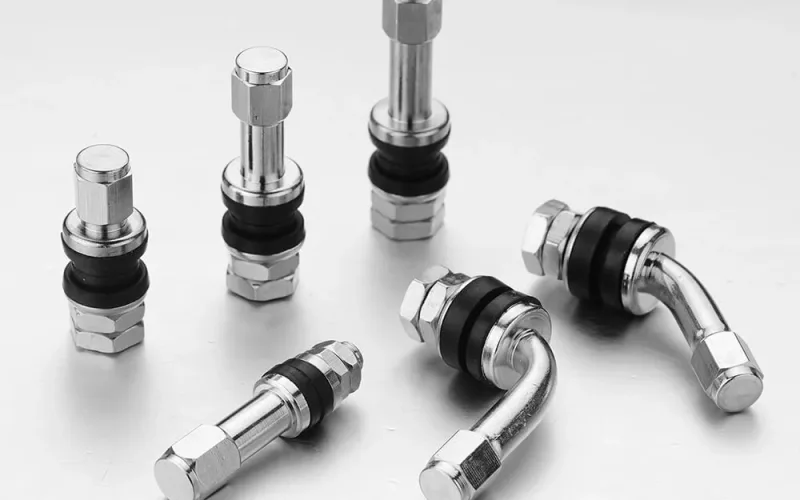
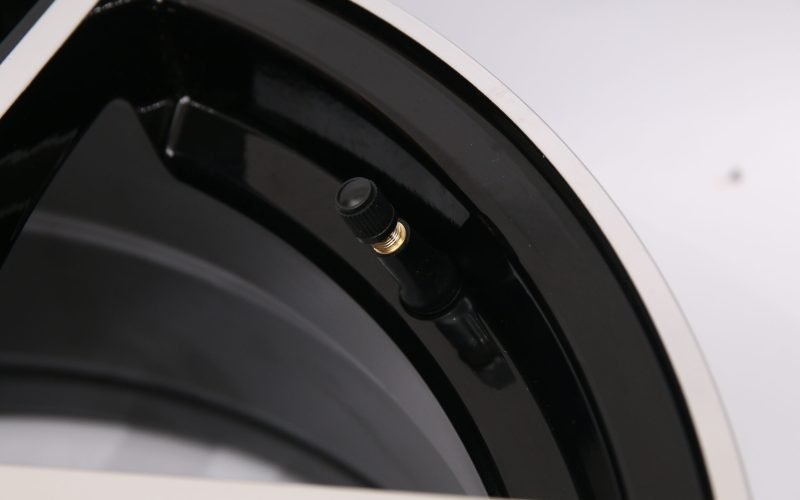
What is the difference between rubber and metal tire valves?
 20Mar
20Mar 

Wheel weights for steel wheels often contain lead, with typical weights ranging from 0.25 to 3.00 ounces per piece.
About half of wheel weights are made of lead wheel weights.
The other half use lead-free materials.
Lead wheel weights help balance wheels, which improves handling and safety. Fortune Lead Clip-On Wheel Weights offer a reliable solution for many vehicle types. Some vehicles use a stick on wheel weight for specific needs.
Most wheel weights have about 95% lead. This helps balance wheels. It also makes cars safer.
Picking the right wheel weight material is important. Zinc or steel can help the environment. They also follow the rules.
Using the right wheel weights helps tires last longer. It also lowers shaking when you drive. This makes the car work better.
Different cars need different wheel weights. Big cars need heavier weights to stay balanced.
Know the rules about lead wheel weights in your area. Many places have limits to keep people and nature safe.

Wheel weights play a crucial role in balancing tires for many vehicles. Most wheel weights come in a variety of sizes to match different vehicle needs. The weight of a single wheel weight can range from 0.25 ounces to 3 ounces. Manufacturers design wheel weights in increments of 0.25 ounces. This allows technicians to select the exact amount needed for each wheel.
Fortune Lead Clip-On Wheel Weights offer a wide selection that fits industry standards. These wheel weights help balance wheels on passenger cars, trucks, and even racing vehicles.Most vehicles need several wheel weights to achieve proper balance. A typical passenger car may use about a quarter pound of wheel weights in total. Larger vehicles, such as trucks, often require heavier wheel weights for each wheel. The variety in weight ranges ensures that every vehicle receives the right amount of balance for safe driving.
Tip: Using the correct wheel weights improves tire life and helps prevent vibration while driving.
Lead wheel weights contain a high percentage of lead. Most wheel weights made from lead have a purity level of about 95.25%. Manufacturers add small amounts of other metals to improve strength and durability. These metals may include antimony or tin. The high percentage of lead gives wheel weights their density and makes them effective for balancing wheels.
Wheel weights with a high lead content provide reliable performance. The density of lead allows wheel weights to remain small while still offering enough mass to balance the wheel. Fortune Lead Clip-On Wheel Weights use this high lead percentage to deliver consistent results for many types of vehicles. The composition of these wheel weights meets industry standards and supports safe, smooth rides.
Wheel weights made from lead remain popular in automotive shops. Their effectiveness and ease of installation make them a preferred choice for balancing wheels. The high lead percentage ensures that wheel weights stay secure and perform well under different driving conditions.
Manufacturers mix other metals with lead to make wheel weights. Two metals often used are antimony and tin. Each metal changes how the wheel weight acts.
Antimony makes lead harder. This helps the wheel weight get stronger. But it can also make it easier to break. Brittle things can snap if pushed too hard.
Tin makes lead harder too. But tin does not make it brittle. Tin helps the wheel weight stay tough and bendy. This makes the product last longer and keeps it easy to shape.
Changing how much antimony and tin are used helps make wheel weights strong and durable. These changes help wheel weights work well in many driving situations.
Note: The right mix of metals helps wheel weights stay on the rim and last a long time.
Wheel weight makeup can change by company and location. Some companies use more antimony for extra strength. Others use more tin for better bending. Local rules and what metals are available also change the mix.
In some places, laws limit which metals can be used. Companies change their recipes to follow these rules. So wheel weights from different places might act differently.
A table can show how the mix can change:
Manufacturer | Lead (%) | Antimony (%) | Tin (%) |
|---|---|---|---|
A | 95.0 | 4.0 | 1.0 |
B | 96.0 | 2.5 | 1.5 |
C | 94.5 | 5.0 | 0.5 |
These changes can affect how wheel weights work and how long they last.
Smelting wheel weights begins with choosing the right material. Lead stands out because it is both dense and easy to shape. When people start smelting, they look for metals that can provide enough weight in a small size. Lead fits this need better than most other metals.
The table below shows why lead is a top choice for smelting wheel weights:
Property | Description |
|---|---|
Density | Lead is the most dense (non-radioactive) common metal. It gives high weight in a small piece. |
Malleability | Lead is very ductile and malleable. It can be shaped and formed easily during smelting. |
Lead’s density means that smelting wheel weights can stay small but still balance a wheel. The malleability of lead helps workers shape it into the right form during smelting. This makes the process of smelting both efficient and cost-effective.
A comparison of materials used for smelting wheel weights:
Material | Density (g/cm³) |
|---|---|
Lead | 11.34 |
Zinc | 7.14 |
Steel | 7.87 |
Lead’s higher density means smelting wheel weights require less material to reach the needed mass. This saves time and resources during smelting.
After smelting, workers turn the lead into clip-on wheel weights. These weights must fit tightly and stay in place. Fortune’s clip-on wheel weights offer features that make installation simple and reliable.
Workers use special pliers to attach the clip-on wheel weights to the rim. This ensures a tight fit.
A rubber mallet helps tap the weights into place without harming the rim or the weights.
Cleaning the wheel with a degreaser before installation helps the weights stick better.
These steps help the smelting wheel weights perform well on the road. The clip-on design keeps the weights secure, even during tough driving. Fortune’s products make the process of smelting, shaping, and installing wheel weights easy for both professionals and car owners.
Tip: Proper smelting and installation of wheel weights can improve tire life and make driving smoother.
Wheel balancing needs are different for each vehicle. Bigger vehicles like trucks and SUVs need heavier wheel weights. Smaller cars use lighter wheel weights. The lead amount in a wheel weight depends on how much weight is needed. Passenger cars often need many small weights. Commercial vehicles may use fewer but heavier weights.
Technicians pick wheel weights based on rim size and driving type. Racing vehicles need very exact wheel balancing for high speeds. Trucks need strong wheel weights for heavy loads. The choice between clip-on and adhesive wheel weights changes the lead content. Adhesive wheel weights are common for alloy rims and custom wheels. These weights usually have less lead or use other materials. The design of adhesive wheel weights makes them easy to place and adjust.
Tip: Picking the right wheel weight keeps tires safe and helps them last longer.
Laws and rules decide how much lead goes into wheel weights. Many places have banned or limited lead wheel weights because of the environment. Lead can hurt people and animals. It can also cause problems if it gets into soil or water.
Region | Regulation Description |
|---|---|
United States | Some states, like California, Maine, and Minnesota, have banned lead wheel weights. Minnesota’s law says old lead weights must be recycled by January 2016. |
Europe | Lead wheel weights have not been allowed since 2005. |
New Jersey wants to ban lead or mercury wheel weights in all cars.
States like California, Maine, Vermont, Illinois, New York, Washington, and Minnesota have banned lead wheel weights.
The EU stopped using lead in wheel weights in 2005.
New rules came because of worries about the environment. Canada is stopping the making and bringing in of lead wheel weights. Canada says 110 tonnes of lead from wheel weights get into the environment every year. New rules say wheel weights can only have up to 0.1 percent lead. This makes people use safer materials for wheel balancing.
Lead is poisonous to people and animals. The World Health Organization says no amount of lead is safe. Because of this, car makers now use more steel and zinc alloy wheel weights. Many new cars use adhesive wheel weights made from safer materials. The EPA says new cars do not use lead wheel weights anymore. This change helps keep the environment safe and makes wheel balancing better.

Many car shops now use zinc and steel wheel weights. These are used instead of lead wheel weights. Zinc wheel weights are good for the environment. They do not rust and do not pollute. Steel wheel weights are strong and last a long time. They do not need much care. Both zinc and steel help lower pollution from cars.
Lead wheel weights used to be very common. Now, they make up about 36% of wheel weight sales. Zinc wheel weights are becoming more popular. This is true in places with strict rules about pollution. Steel wheel weights are liked because they save money and last longer.
The table below shows how much each type costs and how well they last:
Type | Initial Purchase Cost | Long-term Value |
|---|---|---|
Steel | Most cost-effective | Excellent durability and low maintenance needs |
Zinc | Pricier | Environmental benefits and corrosion resistance |
Lead | Varies by region | Potential additional costs due to regulations |
Each wheel weight material has good and bad points. Lead wheel weights balance tires well. This is because they are heavy and easy to shape. But lead can hurt the environment and people. If lead wheel weights fall off, they break into dust. This dust can get into the ground and water. It can harm fish, animals, and people.
Zinc and steel wheel weights are safer for the environment. They help shops follow green rules. Zinc wheel weights do not rust and are better for nature. Steel wheel weights last longer and cost less to keep up. Some places, like California and Washington, have banned lead wheel weights. These laws help people use zinc and steel instead.
In the last ten years, companies have stopped using lead wheel weights. This is because of new rules and worries about pollution. Zinc and steel wheel weights cost more than lead ones. They usually cost 15-30% more. But they help keep roads and towns cleaner and safer.
Tip: Picking zinc or steel wheel weights helps keep air and water clean for everyone.
Most wheel weights have a lot of lead. They usually have more than 94% lead. A little antimony, tin, and arsenic make them stronger. These metals help wheel weights last longer.
The material you pick changes how the car drives. It can also change how much gas the car uses. The right material helps meet safety rules.
People should think about what the wheel weight is made of. They should also think about the environment. It is important to check if the wheel weight is easy to use. Make sure it fits the wheel. Fortune sells lead clip-on wheel weights that work well. Zinc and steel wheel weights are better for the planet.
Picking the best wheel weight keeps cars safe and follows the rules.
 Request a quote