 25Mar
25Mar 

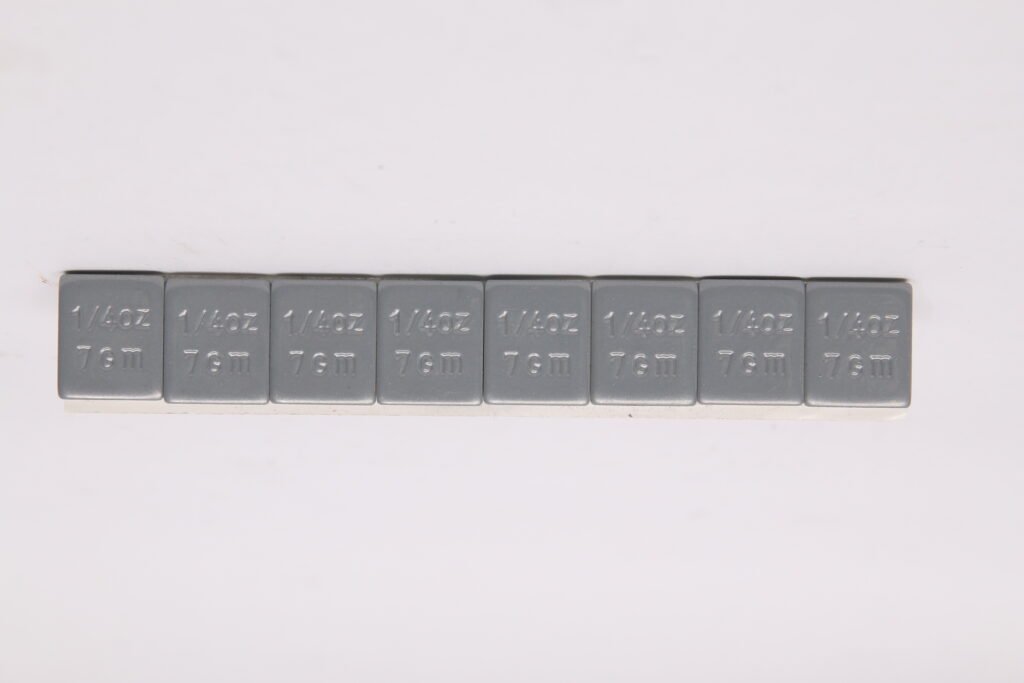
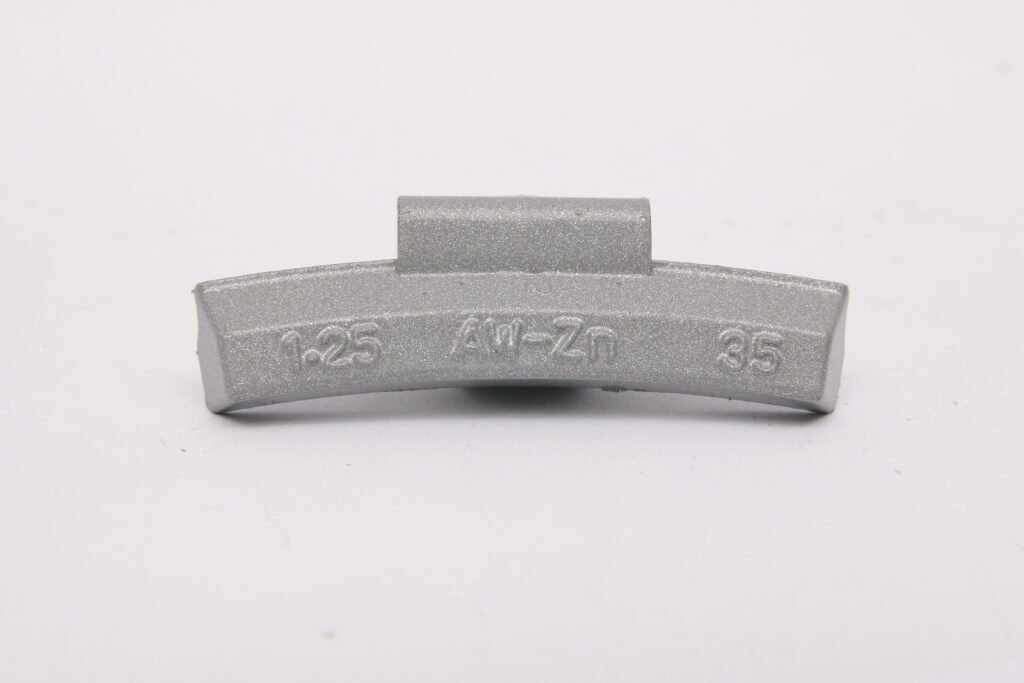
On most vehicles, a single wheel balance weight typically contains between 200 and 250 grams of lead. This quantity is significant, as lead has environmental implications and is subject to strict regulatory controls in many regions. However, not all wheel balance weights contain lead. Fortune offers both lead-based and lead-free options—the latter including weights made of zinc and steel—allowing you to select the product best suited to your specific needs and local regulations.
Key Takeaways
- Most wheel weights contain 200–250g of lead, depending on tire size and vehicle type
- Larger vehicles (trucks, SUVs) require heavier balancing weights for stability
- Lead is effective for balancing but poses environmental and health risks
- Many regions enforce strict regulations limiting or banning lead content
- Zinc and steel are widely used lead-free alternatives with similar performance
- Recycling wheel weights helps reduce pollution and recover materials
- Choosing lead-free options ensures regulatory compliance and sustainability
Lead Content in Wheel Weights
Typical Weight Range
When observing wheel weights, you might wonder exactly how much lead they contain. Most vehicle wheel weights contain between 200 and 250 grams of lead. This lead helps balance the tires and ensures a smooth ride. If you were to tally up all the vehicles currently on the road, you would find that the global total of lead used solely for this purpose amounts to approximately 65,000 tons. Each year, manufacturers produce about 28,000 tons of lead to manufacture new wheel weights. These figures demonstrate just how prevalent lead wheel weights are within the automotive industry.
Did you know?
Even a small piece of lead can have a significant impact on a car’s handling performance. That is why the lead content in every wheel weight is so important.
Factors Affecting Lead Amount
Numerous factors influence the lead content found in wheel weights. Tire size is one such factor; larger tires require heavier weights to maintain balance. Vehicle type is also significant; trucks and SUVs typically utilize heavier wheel weights than small passenger cars. The design of the wheel rim and the method of tire installation also impact the required lead content.
Laws and regulations play a crucial role as well. For instance, California has enacted strict regulations prohibiting the use of any wheel weights containing more than 0.1% lead within the state. Due to these legal restrictions, many companies now offer lead-free alternatives. You can find wheel weights made from materials such as zinc or steel, which are more environmentally friendly.
When you choose a wheel weight, think about these factors. You can pick the best option for your car and your local laws.
Lead Use in Wheel Weights
Amount per Vehicle
You may be wondering how much lead your car requires to balance its tires. Most passenger vehicles contain between 200 and 250 grams of lead within their wheel weights. This lead helps maintain tire balance, ensuring a smooth ride. If you drive a larger vehicle—such as a truck or SUV—more lead may be required. The specific amount depends on your tire size and wheel type.
When you visit a tire shop, technicians will check your wheel balance. They add or remove wheel weights to ensure your car drives safely. You may not notice these small components, but they play a crucial role in your driving experience.
Tip: Regularly inspecting your tires helps maintain the good condition of the wheel weights. This can enhance the vehicle’s performance and safety.
Global Lead Consumption
You may not realize just how much lead is used globally in wheel weights. Each year, manufacturers produce approximately 28,000 tons of lead solely for this purpose. Currently, the total amount of lead used in vehicles worldwide stands at approximately 65,000 tons. These staggering figures demonstrate that wheel weights are essential for cars and trucks around the globe.
Many countries are currently seeking ways to reduce the use of lead. Some regions have already enacted regulations restricting or prohibiting the use of lead in wheel weights. If you wish to do your part to protect the environment, you can opt for alternatives such as zinc or steel.
Environmental Impact of Wheel Weights
Lead Loss and Contamination
While driving, small fragments of wheel weights may detach from the vehicle and fall onto roads or parking lots. Rainwater can then wash these fragments into the soil and water. The lead contained in these weights does not remain stationary; instead, it disperses into the environment, causing serious health problems.
Lead is a toxic metal. Exposure to—or inhalation of—lead-containing dust can cause harm to the human body. Children, in particular, face the highest risk. Lead can damage their brains and nervous systems, potentially triggering learning disabilities and hindering growth and development. Adults are also susceptible to illness; lead exposure can lead to heart disease, kidney damage, and even cancer. Wildlife, too, suffers greatly from its effects. Fish and other animals living in waters with excessive lead levels may perish as a result. Urban runoff, for instance, often contains lead concentrations high enough to be lethal to aquatic life.
Note: Even minute amounts of lead can pose serious health risks to both humans and animals. For this reason, many experts recommend that safer materials be selected for the manufacture of wheel weights.
Recycling and Disposal
Recycling used wheel weights helps protect the environment. Many tire shops collect used weights and send them to recycling centers. These centers melt down the metal for use in manufacturing new products. This process prevents lead from entering landfills, thereby avoiding environmental contamination.
Proper disposal is crucial. Never simply throw used wheel weights into a standard trash can; doing so could allow the lead content to leach into the soil and water supply, causing pollution. Be sure to consult your auto mechanic or a local recycling center to learn how to dispose of these weights safely.
You can follow these simple steps:
- Ask your regular tire shop if they offer a wheel weight recycling service.
- Before taking them in for recycling, store your used weights securely in a safe container.
- When replacing wheel weights, prioritize lead-free alternatives—such as those made from zinc or steel.
By making informed choices, you contribute to keeping your community safe and protecting the environment.
Materials in Wheel Weights and Lead-Free Alternatives
Regulations and Bans
You will find that regulations regarding the composition of automotive parts are constantly increasing year after year. Currently, many states have implemented restrictions—or even outright bans—on the lead content found in wheel weights. California, for instance, explicitly prohibits the use of wheel weights containing more than 0.1% lead. Other states have followed suit, enacting similar regulations of their own. These laws are designed to safeguard both public health and the environment from the hazards of lead contamination.
The U.S. Environmental Protection Agency (EPA) has strongly supported this transition toward safer materials. The EPA launched an initiative titled the “National Lead-Free Wheel Weight Initiative.” This program aims to encourage vehicle owners and auto repair shops alike to prioritize the use of lead-free wheel weights. Today, many tire shops have begun using zinc or steel as substitutes for traditional lead materials. These shifts clearly demonstrate the automotive industry’s commitment to safety and its concern for the health of our planet.
Tip: Be sure to ask your repair technician about the specific material used in the wheel weights they install. By choosing lead-free wheel weights, you can play a part in helping to keep your community safe.
Wheel Weight Alternatives
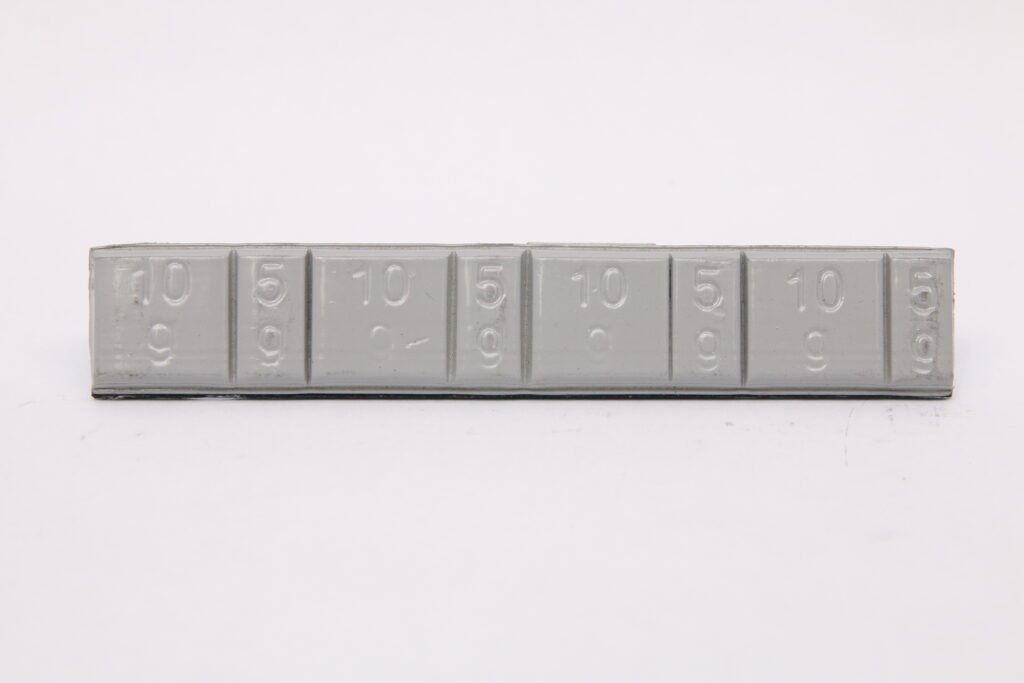
When it comes to wheel balancing, you now have a wider array of options than ever before. Fortune offers a diverse range of wheel weights, available in materials including lead, zinc, and steel. Unlike lead, zinc and steel materials do not pose a threat to the environment; moreover, they are suitable for the vast majority of passenger cars and trucks.
Here are several key reasons why zinc and steel weights have become so popular:
- Zinc and steel do not contaminate soil or water sources.
- They comply with strict regulatory standards established by various states and national authorities.
- They are highly durable and possess excellent rust-resistant properties.
Today’s market is increasingly favoring “lead-free” wheel weights. Many automotive manufacturers and repair shops have already adopted them as their standard choice. You can find suitable clip-on and adhesive-style weights available for virtually every type of wheel rim. Fortune subjects every product to rigorous testing to ensure exceptional performance and long-lasting durability.
If you wish to do your part for environmental protection, consider choosing zinc or steel wheel weights. By avoiding the potential risks associated with lead, you can still enjoy the same outstanding balancing results and ensure the safety of your vehicle.
As you now know, wheel weights often contain anywhere from 200 to 250 grams of lead. Such a significant quantity of lead not only poses potential health risks but also has a negative impact on the environment. Consequently, many regions have now implemented regulations restricting the use of lead. You can, therefore, opt for safer alternative materials such as zinc or steel. Brands like Fortune offer both lead-based and lead-free weights, giving you the freedom to make your own choice. Selecting the right wheel weights is not merely an act of care for your vehicle; it is also a demonstration of responsibility and stewardship toward your community.
FAQ
How do you know if your wheel weights contain lead?
You can check the markings on the wheel weights. Lead weights typically bear the inscription “Pb.” If you are unsure, you can consult your technician. Currently, many repair shops have switched to using zinc or steel weights.
Are lead wheel weights legal everywhere?
No. Some states (such as California) prohibit the use of wheel weights containing more than 0.1% lead. Be sure to consult local laws and regulations before selecting wheel weights for your vehicle.
Why should you consider lead-free wheel weights?
Lead-free wheel weights help protect the environment. Materials such as zinc and steel do not contaminate soil or water sources. Furthermore, utilizing safer materials helps you comply with various strict regulatory requirements.
Tip: The next time you have your tires serviced, consider asking your tire shop about lead-free wheel weight options.
Can you recycle old wheel weights?
Yes. Most tire shops will recycle used wheel weights. By recycling, you help reduce pollution and support the creation of a cleaner environment.
What types of wheel weights does Fortune offer?
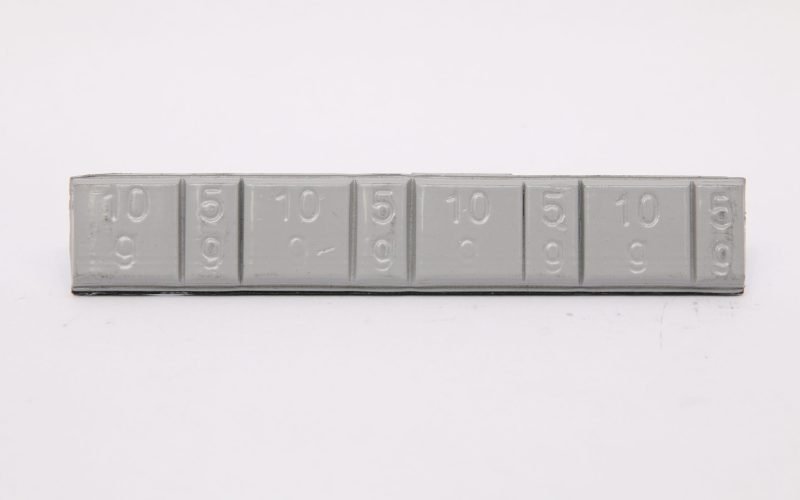
Fortune offers both lead and non-lead wheel weights. You may choose between zinc or steel materials. To accommodate various types of wheel rims, we provide two styles: clip-on and adhesive.
 Request a quote