 08Apr
08Apr 

Steel wheels typically weigh between 20 and 82 pounds (approximately 9 to 37 kilograms), depending on their size and intended application, and proper wheel weight selection is essential to ensure accurate balancing and optimal performance. You may notice that larger wheels designed for trucks tend to be heavier than the smaller wheels used on passenger vehicles. The weight of a wheel affects both the vehicle’s handling performance and the lifespan of its tires. Some people mistakenly believe that only steel wheels require dynamic balancing; however, in reality, all wheels require balancing to prevent uneven tire wear and compromised handling. Fortune Wheel Weights help you maintain wheel balance, thereby ensuring a smoother and safer driving experience.
Key Takeaways
- Steel wheels generally weigh between 20 and 82 pounds, depending on size and application.
- Choosing the right wheel weight helps improve handling, fuel efficiency, and tire life.
- Properly matched wheels also contribute to safer and more stable driving performance.
- All wheels require dynamic balancing to prevent uneven tire wear and ensure a smooth ride.
- Lead-free wheel weights are a safer, more environmentally friendly option.
Steel wheels weight by size
15-inch steel wheels
On passenger cars and light trucks, 15-inch steel wheels are a common sight. The weight of these wheels varies significantly depending on the specific vehicle model. For passenger cars, 15-inch steel wheels typically weigh between 15 and 25 pounds; however, the wheels used on light trucks are heavier—sometimes weighing as much as 100 pounds.
According to the manufacturer’s technical specifications, a common 15×8 “Soft 8” steel wheel weighs approximately 27 pounds. This weight helps illustrate how steel wheels impact a vehicle’s handling performance and fuel economy.
Tip: Heavier wheels can make your vehicle feel more planted, but they may also reduce fuel economy.
17-inch and 18-inch steel wheels
On larger passenger vehicles and certain SUVs, you will encounter 17-inch and 18-inch steel wheels. Compared to alloy wheels of the same size, these steel wheels are heavier. Steel wheels within this size range typically weigh between 30 and 40 pounds. In contrast, alloy wheels are lighter, which helps enhance the vehicle’s handling performance and fuel economy.
If you desire a smoother ride and improved fuel economy, lighter wheels can be beneficial. While steel wheels offer excellent strength and durability, you may notice a difference in the vehicle’s driving dynamics.
22.5-inch steel wheels
22.5-inch steel wheels are primarily found on heavy-duty trucks and buses. Both the dimensions and weight of these wheels far exceed those used on passenger vehicles. A typical 22.5-inch steel wheel weighs between 68 and 82 pounds. It is precisely this additional weight that provides trucks with the strength required to carry heavy loads. When driving a vehicle equipped with such wheels, you benefit from exceptional stability and durability; however, this may also result in increased fuel consumption.
Note: Selecting the appropriate wheel size and weight helps you achieve an ideal balance between vehicle performance, safety, and fuel efficiency.Factors affecting steel wheels weight
Size and width
It is not difficult to see that a wheel’s size and width have a significant impact on its weight. Larger wheels require more material to produce, resulting in increased weight; similarly, wider wheels add extra weight to the vehicle due to their larger surface area. When you opt for larger or wider steel wheels, you are effectively increasing the vehicle’s unsprung mass. Reducing unsprung mass helps the suspension system respond more rapidly to road bumps and irregularities, thereby enhancing ride smoothness and improving tire grip on the road surface.
Tip: If you are seeking superior handling performance and ride comfort, it is recommended—provided they meet your vehicle’s specific requirements—that you prioritize selecting lighter-weight wheels whenever possible.
Design and material density
Wheel design has a significant impact on weight. Some wheels feature robust spokes or solid central structures, while others employ lighter, more slender designs. The manufacturing method determines the quantity of steel utilized in a wheel. Steel is approximately 2.5 times denser than aluminum; consequently, for wheels of identical dimensions, a steel wheel will be heavier than an alloy wheel. While heavier wheels can lend a vehicle a greater sense of stability, they simultaneously impose a heavier burden on the suspension and braking systems. Reducing rotational mass helps alleviate the load placed on wheel bearings and brake components, thereby extending their service life.
Intended use (passenger, truck, trailer)
The intended application of the wheel is equally critical. Compared to wheels for passenger vehicles, wheels for trucks and trailers must be capable of withstanding significantly greater loads and stresses. Heavy-duty wheels are specifically engineered for trucks and trailers, utilizing more robust materials and thicker structural designs to endure demanding operating environments. Medium-duty wheels are suitable for lighter-weight vehicles where strength requirements are relatively lower. Conversely, Severe Service wheels are purpose-built to handle extreme operating conditions, such as off-road driving or heavy construction work.
When selecting steel wheels, it is essential to carefully consider the actual intended use of your vehicle. Choosing the appropriate wheels will help you achieve the optimal balance among safety, structural strength, and overall performance.
Steel vs. Alloy Wheel Weight Comparison

Weight comparison
You might be wondering: Are steel wheels heavier than alloy wheels? The answer is yes—and the difference in weight is significant. Typically, a steel wheel of the same size weighs approximately 30 pounds more than an aluminum alloy wheel. Please refer to the table below to view their average weights:
| Wheel Type | Average Weight (lbs) | Weight Difference (lbs) |
|---|---|---|
| Steel | 78 | 30 |
| Aluminum | 47 | – |
When comparing wheels of identical dimensions, steel wheels weigh approximately two and a half times as much as aluminum alloy wheels. This additional weight alters the vehicle’s driving feel and handling characteristics.
Performance impact
Wheel weight impacts a vehicle’s handling, ride comfort, and fuel economy. Lighter wheels facilitate a more responsive suspension system; you will distinctly notice sharper steering feel and greater vehicle controllability. Conversely, heavier wheels can make the vehicle feel sluggish and ponderous, while diminishing the sense of a tight connection between the body and the road surface. The table below illustrates how wheel weight influences various aspects of the driving experience:
| Aspect | Effect of Lighter Wheels | Effect of Heavier Wheels |
|---|---|---|
| Suspension Response | Enhanced due to a reduction in unsprung mass. | Obstructed, resulting in a sluggish response. |
| Steering Feel | More decisive, more direct. | The response is sluggish and feels disconnected. |
| Bump Compliance | The effect is superior, as the suspension system can easily control the movement of the wheels. | Its performance is relatively poor, placing higher demands on the suspension system. |
| Overall Ride Quality | More comfortable, more responsive. | I feel heavy and weary. |
- In a test involving the BMW 3 Series, lightweight wheels made the vehicle feel agile and nimble.
- Conversely, heavy wheels made the vehicle feel sluggish and ponderous—as if it were wearing a pair of hiking boots rather than running shoes.
You will also notice a change in fuel consumption. According to the U.S. Environmental Protection Agency (EPA), reducing wheel weight by 10% can help save up to 2% on fuel. Lighter wheels not only help you save fuel but also make the vehicle easier to handle. However, lighter wheels may also result in increased noise and road vibrations being transmitted into the cabin. Therefore, when selecting wheels, you need to strike a balance between performance and comfort.
Why wheel weight matters
Vehicle performance
You may not realize just how significant an impact wheel weight can have on your vehicle’s driving experience. Lighter wheels facilitate quicker acceleration and sharper braking, while also making your steering feel more responsive and direct. By upgrading to lightweight wheels, your vehicle will exhibit superior handling during cornering and recover traction more rapidly on uneven surfaces. In contrast, heavy wheels place a greater load on the suspension system—potentially compromising ride smoothness and accelerating component wear.
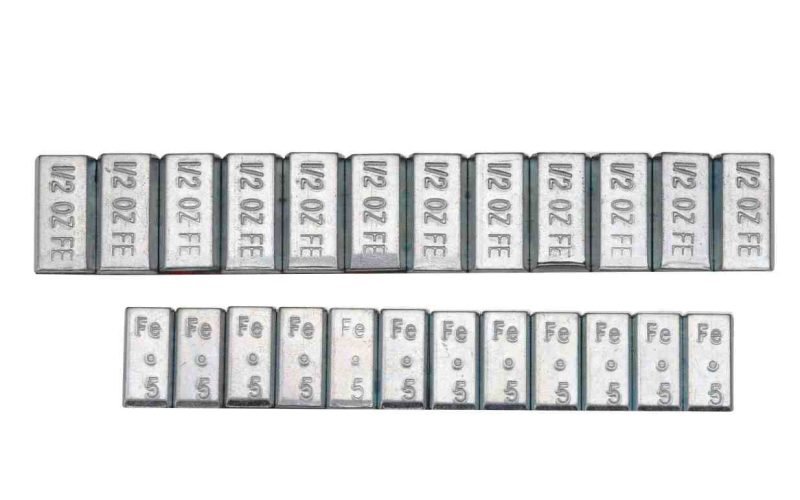
Fortune Wheel Weights help you precisely balance your wheels, ensuring your vehicle delivers optimal performance on every drive.
Fuel efficiency
The weight of a vehicle’s wheels also impacts its fuel consumption. The heavier the wheels, the greater the effort required from the engine, resulting in increased fuel consumption. Conversely, switching to lighter wheels reduces the energy needed to set the vehicle in motion. Over the long term, this not only saves you money on fuel costs but also contributes to environmental protection by reducing exhaust emissions.
Keeping your wheels balanced with Fortune Wheel Weights will help your vehicle operate more efficiently.
Tire life and safety
Wheel weights play a crucial role in both tire longevity and vehicle safety. Wheels that are excessively heavy or unbalanced can lead to uneven tire wear; this not only accelerates tire aging and deterioration but may also trigger hazardous situations such as tire blowouts or loss of vehicle control. Furthermore, if tires are subjected to prolonged overloading, their internal temperatures can rise sharply, leading to structural damage and severely compromising driving safety.
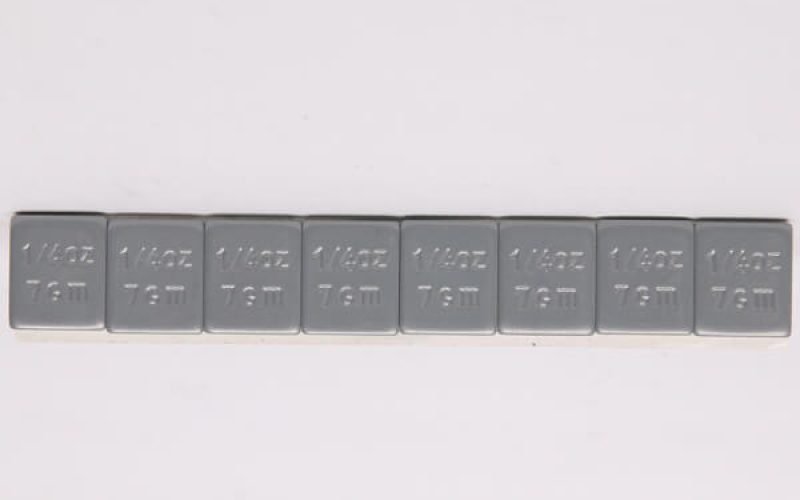
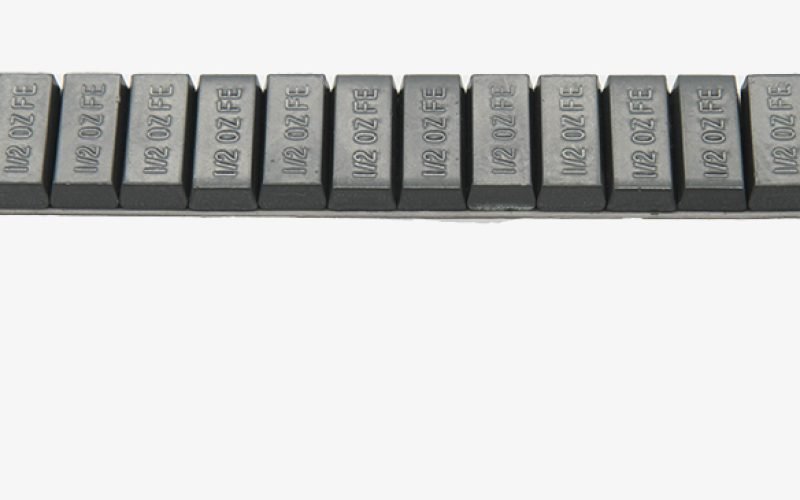
Selecting appropriate wheel weights is a vital measure for protecting tires and ensuring driving safety. Fortune offers a variety of lead-free wheel weight solutions; these products are not only more environmentally friendly but also beneficial to your personal health. Lead-free wheel weights help reduce environmental pollution and comply with various stringent safety regulations. By choosing steel wheels fitted with Fortune’s lead-free weights, you demonstrate that—while prioritizing your own driving safety—you also care deeply for the planet we all share.
How to find your steel wheels weight
Manufacturer specs
You can determine the weight of steel wheels by consulting the manufacturer’s specifications. Most wheel manufacturers list weight information in their product documentation or on their official websites. Additionally, you may try looking for a label on the inner side of the wheel or consulting your vehicle’s owner’s manual. Having this information at hand helps you select the appropriate wheels for your vehicle—whether it is a passenger car or a truck. If you are unable to locate the relevant specifications, you can contact the manufacturer or a local dealer, who will be able to provide you with the precise data you need.
Tip: It is crucial to ensure that you select wheels with the correct weight specifications for your vehicle. Doing so helps ensure both your driving safety and a smooth ride.
Weighing methods
If you wish to determine the exact weight of a wheel, you can weigh it yourself. First, remove the wheel from the vehicle, then use a standard bathroom scale or an electronic scale to take a measurement. Place the wheel on the scale and record the reading. For greater accuracy, it is recommended that you first weigh yourself, then weigh yourself again while holding the wheel; finally, calculate the difference between the two readings to determine the net weight of the wheel.
Professional service providers can also offer assistance. They utilize specialized equipment to detect any imbalances in the wheels. These professional technicians follow established procedures to precisely position balance weights at designated locations. Modern wheel balancing machines are equipped with high-sensitivity sensors capable of accurately calculating both the required weight of the balance weights and their specific installation points. This comprehensive process is designed to ensure that your wheels remain balanced, thereby guaranteeing optimal driving performance for your vehicle.
Fortune boasts over 25 years of extensive experience in the field of wheel weights and balancing solutions. You can trust Fortune to assist you in maintaining wheel balance and ensuring the smooth operation of your vehicle. The company’s products are suitable for a wide variety of steel wheels and meet the highest industry standards for both safety and performance.
Steel wheels typically weigh between 15 and 82 pounds. Their specific weight depends on their size, design, and intended application. To ensure a smooth and safe ride, wheels must undergo dynamic balancing. When wheels are properly balanced, you will enjoy the following benefits:
- Reduced vibration during driving
- Improved steering control
- Slower tire wear and extended tire lifespan
- Reduced vehicle fuel consumption
Fortune balance weights help maintain wheel balance and stability. The table below illustrates how Fortune enhances your driving experience:
| Impact Area | Benefit |
|---|---|
| Ride Quality | Reduces bumps for a more comfortable ride. |
| Tire Wear | The tires have a longer lifespan before replacement. |
| Suspension | Helps extend the service life of your vehicle. |
Please consult the manufacturer’s specifications or seek expert advice to determine the weight of your wheels. Choose Fortune Wheel Weights to ensure greater safety and enhanced performance for your vehicle.
FAQ
How can I find out the weight of my steel wheels?
Please consult the manufacturer’s specifications or your user manual. You may also use a scale to weigh yourself, or have a professional take a precise measurement.
Why does wheel weight matter for my vehicle?
Proper wheel balancing helps enhance vehicle handling, reduce vibrations, extend tire life, and ensure your driving safety. Well-balanced wheels provide a smoother ride while also saving fuel.
Are steel wheels heavier than alloy wheels?
Yes, steel wheels of the same size are typically about 30 pounds heavier than aluminum alloy wheels. This additional weight may affect the vehicle’s performance and fuel consumption.
Can I add or change wheel weights myself?
You can weigh the wheels yourself at home, or you can have a professional perform dynamic balancing. However, to achieve optimal results, proper dynamic balancing procedures require the use of specialized tools.
What are the advantages of using lead-free wheel weights?
Lead-free wheel weights help protect both the environment and your health. They provide excellent wheel balancing without posing the hazards or contamination associated with lead.
 Request a quote