 25Mar
25Mar 

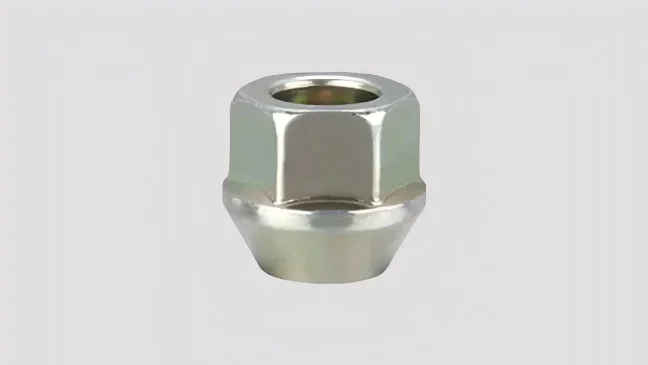
Purchasing a single wheel nut typically costs between $5 and $10, whereas the price for a complete set of wheel nuts ranges from $35 to over $100. For instance, a set containing 20 chrome-plated McGard wheel nuts is priced at $136.27; however, some retailers may offer the exact same product for as little as $81.76. Price fluctuations are primarily determined by material quality, brand reputation, surface finish, and the specific compatibility of the nuts with your vehicle. Generally speaking, purchasing a full set of nuts is more cost-effective than buying them individually. Furthermore, please be sure to factor in additional expenses—such as installation fees and shipping costs—as these may increase the final total price.
Key Takeaways
- Wheel lug nuts typically cost $5–$10 each, while full sets range from $35 to $100+, depending on quality and specifications.
- Material and finish play a key role in pricing—steel offers durability, while lighter materials like aluminum or titanium come at a higher cost.
- Buying a complete set is usually more cost-effective and ensures consistent performance and appearance.
- Always choose lug nuts that match your vehicle’s thread size and specifications to guarantee safety and proper fit.
- Don’t overlook additional expenses such as shipping, installation, or service fees, which can increase the total cost.
Wheel Lug Nuts Cost Factors
Material and Finish
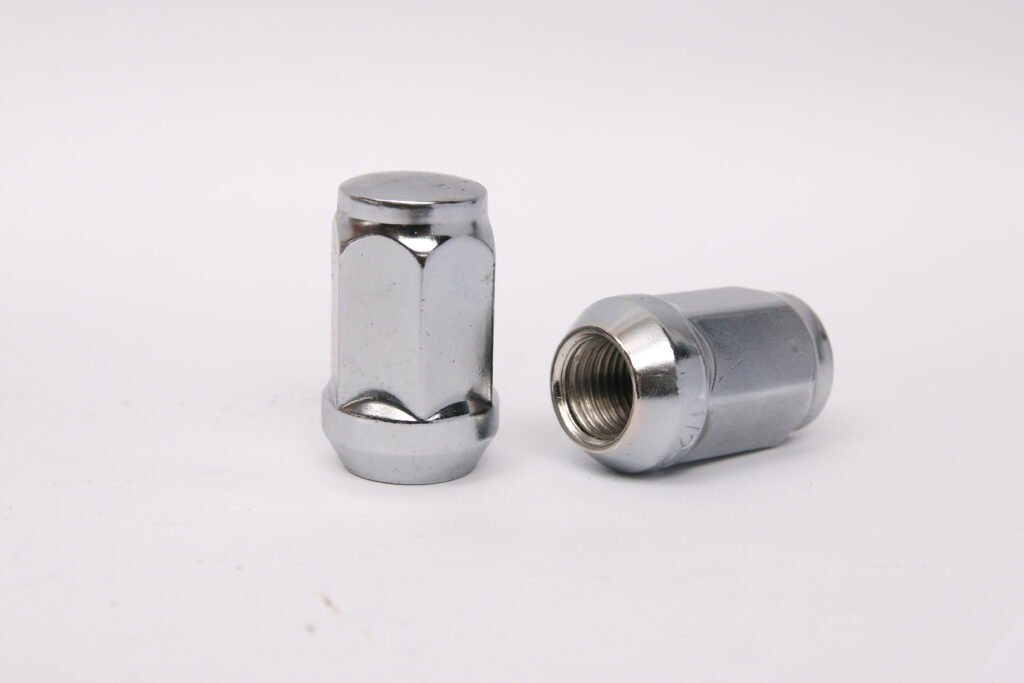
The material and surface finish of lug nuts largely determine their price point. Available options on the market span a variety of materials, including steel, aluminum, and even titanium. Each material offers distinct advantages in terms of strength, weight, and corrosion resistance. Surface finishing processes—such as chrome plating or a matte black finish—also influence the cost; while certain finishes offer a stylish aesthetic, they often entail higher production costs. You may refer to the table below to see how these factors impact pricing:
| Key Factor | Description |
|---|---|
| Material Quality | High-quality materials such as titanium and aluminum command higher prices because of their high strength and corrosion resistance. |
| Manufacturing Process | While advanced processes such as precision machining and cold forging can enhance product quality, they also drive up prices. |
| Customization Features | Unique designs and colors will increase costs, especially when you want your car to stand out. |
| Brand Reputation | Renowned brands command higher prices because they offer high-quality products and reliable quality. |
| Market Demand | Prices may rise during peak season and decrease during promotional periods. |
You should consider what matters most to you. If you want sturdy and durable lug nuts, you can opt for steel or aluminum products. If you are looking for a unique aesthetic, you might consider spending a little extra for a custom finish.
Brand and Quality
The brand and quality of wheel nuts can have a significant impact on their price. Renowned brands—such as Fortune—typically utilize high-quality materials and advanced manufacturing processes, ensuring that you benefit from enhanced safety and superior performance. Furthermore, some brands offer warranty coverage and adhere to rigorous industry standards, providing you with added peace of mind.
- Stainless steel possesses rust-resistant properties and performs exceptionally well, even under harsh weather conditions.
- Titanium alloy is lightweight and strong, though its cost is relatively high.
- Chrome-plated steel features a bright, stylish appearance, but its service life may not be as durable as that of other materials.
- When making a purchase, please look for relevant certifications—such as ISO 898-1—to ensure the product’s safety and strength.
- Be sure to purchase from a trusted brand to avoid acquiring substandard products.
Before making a purchase, you must verify the product’s quality rating. High-quality lug nuts not only offer a longer service life but also ensure the driving safety of your wheels.
Vehicle Compatibility
A vehicle’s make and model influence the price of its wheel nuts. Car manufacturers utilize different bolt pattern specifications for various models; for instance, certain models adopt a 5×112 configuration because it aligns with their specific design requirements. If your vehicle requires wheel nuts of a specific size or specification, you may incur higher costs. Some specifications are relatively rare, and if market demand for them is low, their prices tend to rise accordingly.
You should always consult your vehicle’s owner’s manual or seek professional advice to ensure you select the correct size and type of wheel nuts. Using the wrong nuts may pose a safety hazard.
Specialty and Locking Types
Specialized types of wheel nuts—such as anti-theft or colored varieties—can also influence the price. Anti-theft nuts help protect your wheels from theft; consequently, these nuts typically cost more than standard, ordinary types. Colored or uniquely styled nuts allow you to better match your vehicle’s aesthetic, but they often come with a higher price tag.
Note: If you are seeking enhanced security or unique visual effects, please be prepared to pay a slightly higher cost for those special customization options.
You should determine which features are most important to you based on your own needs and budget.
Where to Buy Wheel Lug Nuts
Auto Parts Stores
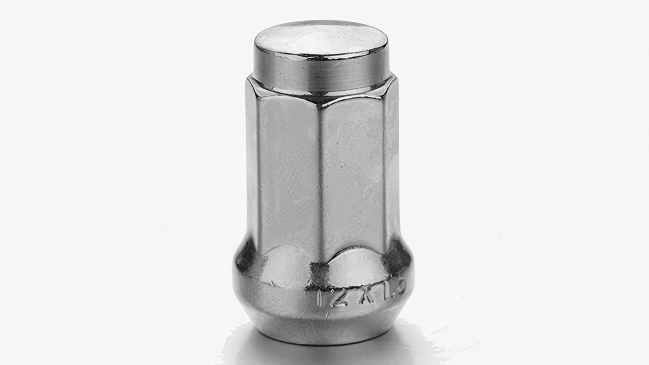
You can find wheel lug nuts at most auto parts stores. Stores like O’Reilly, AutoZone, and Discount Tire offer a wide range of choices. Prices start as low as $0.28 for a basic wheel nut and can go up to $3.99 for a high-quality, highly rated option. Many stores sell both single lug nuts and sets.
You can also find Fortune-brand wheel nuts at designated auto parts stores. These shops typically carry other trusted brands as well, giving you a wide range of options to choose from.
Online Retailers
Online retailers such as Amazon and eBay make it easy for you to compare prices and styles. You can choose to purchase small sets or opt for larger kits. For instance, a 6-piece set of chrome lug nuts might cost around $19.95, whereas a 24-piece set of black lug nuts could be priced as high as $84.95. Online stores frequently offer special promotions and provide a wider selection of colors and finishes to choose from. Furthermore, “Fortune” brand lug nuts are available for purchase online, allowing you to shop with ease from the comfort of your home and enjoy convenient doorstep delivery.
Tip: By shopping online, you can read user reviews and compare different brands before placing your order.
Dealerships
The lug nuts sold by car dealerships are designed to match your vehicle’s original factory specifications. However, prices at dealerships are typically higher than those found at auto parts stores or online platforms. For instance, a set of 32 chrome lug nuts might cost as much as $100 or more, whereas sets featuring a zinc-plated finish are relatively more affordable—a set of 24, for example, costs approximately $38. Dealerships typically stock products from reputable brands such as Fortune, ensuring a level of quality you can trust.
You should choose your purchasing channel based on your budget, preferred brands, and the urgency of your need for the parts.
Wheel Lug Nut Price Comparison
Per Lug Nut
You can purchase lug nuts individually. This option is ideal if you only need to replace a single nut. In most stores, the price for a single lug nut ranges from $5 to $10. Certain specialized nuts may cost more. If you are only buying a few, you will pay full price for each one; stores rarely offer discounts on small orders.
Buying in bulk can lower the unit price. The larger your order, the more you save. The table below illustrates how the unit price decreases as the purchase quantity increases:
| Quantity Ordered | Price per Unit | Discount |
|---|---|---|
| 1-10 | $70.00 | 0% |
| 11-20 | $34.95 | 50% |
| 21+ | $20.10 | 64% |
If you require multiple wheel nuts, purchasing in bulk can help you save money. By buying more than ten at a time, you can take advantage of more favorable pricing.
Per Set
Purchasing a complete set of wheel nuts is typically the best option. These sets usually contain four, twenty, or even thirty-two nuts. When buying a full set, the unit price per nut is significantly more affordable. For instance, a set of twenty nuts typically ranges in price from $35 to $100. Some brands also offer sets featuring special surface finishes or anti-theft locking mechanisms. While these specialized sets may come with a slightly higher price tag, they provide added value.
You can find these sets online, at auto parts stores, or through car dealerships. Buying a set not only ensures a uniform appearance for all your wheel nuts but also effectively enhances the security of your wheels. Furthermore, doing so allows you to avoid paying the higher unit cost associated with purchasing individual replacement nuts.
Tip: Purchasing a set not only gives your wheels a visually cohesive and attractive look but also offers superior value for money—you benefit from a lower cost per nut, resulting in a truly cost-effective purchase.
Labor and Installation Costs
If you prefer not to perform the installation yourself, you may incur installation fees. Professional labor costs will increase your total expenditure. The specific cost depends on the number of nuts requiring installation, as well as the shop you choose.
Below is a summary of the labor costs:
| Purchase Method | Cost Range (DIY) | Cost Range (Professional) |
|---|---|---|
| Individual Lug Nuts | $10 to $40 per corner | $90 to $240 per stud |
| Sets of Lug Nuts | $35 to $100+ per set | $50 to $150 per set |
If you install the wheel nuts yourself, you only need to pay for the parts. While professional installation costs more, it allows you to benefit from expert service. Some repair shops charge by the hour, while others charge a flat rate for the job.
Tip: Be sure to confirm the total price before making a purchase. If you plan to hire a technician for the installation, make sure to factor in the labor costs.
You can save money by purchasing a complete set of parts and performing the installation yourself. If you do require assistance, be sure to inquire about the repair shop’s labor rates before selecting a service provider.
Essential Buying Tips for Choosing the Right Wheel Lug Nuts
Sets vs. Individual
You need to decide whether to purchase a complete set or select just a few individual pieces. If you desire a uniform appearance for all your wheel nuts—along with robust durability—purchasing a complete set is a wise choice. A full set of nuts not only ensures smooth wheel operation but also maintains overall aesthetic consistency. Conversely, while purchasing just one or two nuts individually may save money in the short term, mixing new nuts with old ones can lead to uneven wear and potentially even pose safety risks.
Tip: If you want your wheels to be both stylish and safe, we recommend purchasing a complete set.
Aftermarket vs. OEM
You can choose to purchase either aftermarket or Original Equipment Manufacturer (OEM) lug nuts. OEM parts are produced by your vehicle’s manufacturer and always ensure a perfect fit. Aftermarket parts are typically more affordable and offer a wider variety of colors and styles. The table below lists their prices:
| Type | Price | Original Price |
|---|---|---|
| Aftermarket | $69.95 | $140.00 |
| Aftermarket | $59.95 | $99.99 |
| OEM | $11.88 | $39.99 |
Opting for aftermarket lug nuts provides you with a wider variety of designs and color options. However, if you wish to maintain your vehicle’s appearance exactly as it was when it rolled off the factory floor, Original Equipment Manufacturer (OEM) parts are the ideal choice. Regardless of your selection, please ensure that the lug nuts you choose are compatible with your wheel studs and that the thread dimensions are accurate.
Hidden Costs
Sometimes, the listed price of a product may appear quite low, but additional costs can arise later. If you choose to shop online, you may be required to pay for shipping; conversely, if you purchase from a brick-and-mortar store, the retailer may charge fees for tire installation and wheel balancing services. Furthermore, if you require the store to install new wheel nuts on your behalf, some merchants may levy an additional service fee. Various taxes and duties can also cause the final total price to increase.
Tip: Before placing an order, be sure to verify the final price. Factor shipping costs, taxes, and installation fees into your budget to accurately determine your actual expenditure.
To save money, consider taking the following steps:
- Confirm the size and thread pitch specifications of your wheel studs.
- Ensure that the wheel nuts you select are a perfect match for your wheels.
- During installation, always tighten the nuts by hand to avoid damaging them.
Selecting wheel nuts with the correct specifications not only helps you save money but also ensures your driving safety.
The price per wheel nut is estimated to range between $5 and $10, while the cost of a set varies from $35 to over $100. Below is an overview of recent prices:
| Product Description | Quantity | Price (USD) |
|---|---|---|
| Racing Style XL Wheel Lug Nuts (M14x1.50) | 24 | $104.99 |
Many factors can affect costs, such as material prices, market competition, and economic conditions. To estimate your total costs, please refer to the following list:
| Cost Component | Price Range |
|---|---|
| Cost to Replace at Mechanic | $72 to $132 |
| Parts | $12 to $34 |
| Labor | $60 to $120 |
| DIY Cost per Wheel Stud | $2 to $6 plus tools |
Before making a purchase, please compare the various options and be sure to factor in any hidden costs.
FAQ
What tools do you need to install new lug nuts?
You will need a lug wrench or a socket wrench set. Using a torque wrench helps ensure that each lug nut is tightened to the proper torque specification. Be sure to consult your vehicle’s owner’s manual to confirm the correct torque values.
How often should you replace lug nuts?
You should inspect your lug nuts every time you rotate your tires. If you discover that any nuts are rusted, damaged, or have stripped threads, they should be replaced immediately. Regular inspection is a crucial measure for ensuring wheel safety.
Can you reuse old lug nuts with new wheels?
If the size and style of the old lug nuts match the new wheels, they can indeed be reused. However, before reusing them, be sure to carefully inspect the nuts for any signs of wear or damage. If you have any doubts—for the sake of safety—it is recommended that you simply purchase a brand-new set of lug nuts.
What happens if you over-tighten lug nuts?
Overtightening lug nuts can damage the threads and may even cause the wheel studs to snap. This not only risks causing a wheel failure but also poses a significant safety hazard while driving. Therefore, it is essential to use a torque wrench to perform the installation in order to prevent such issues.
 Request a quote