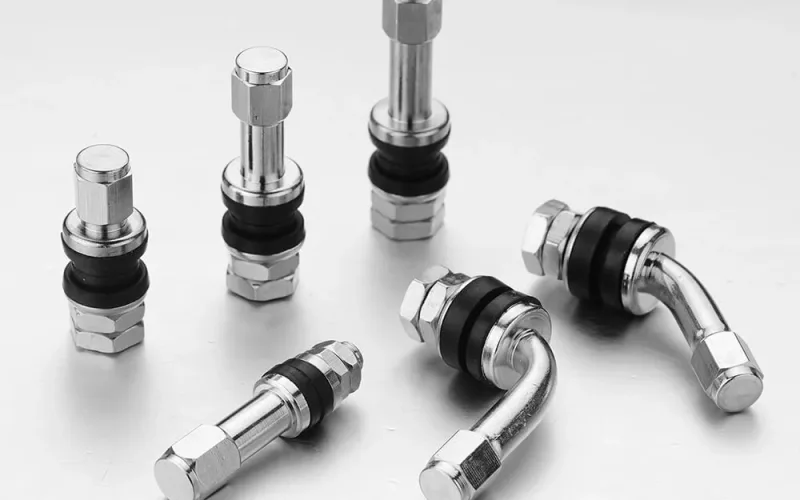
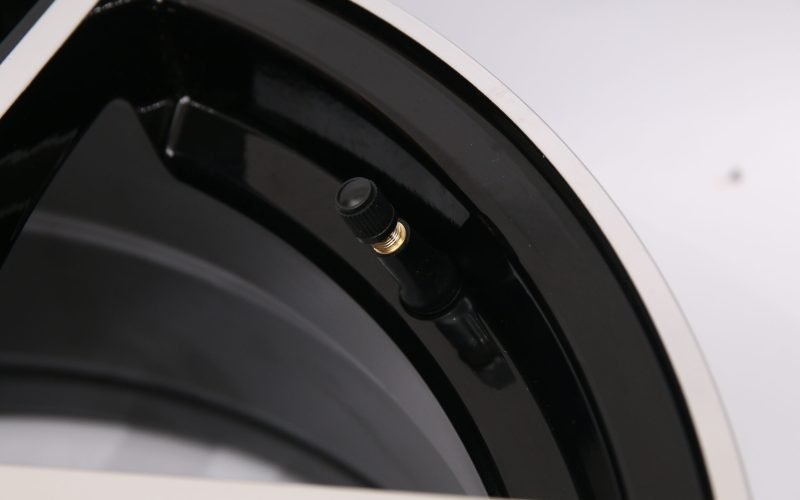
What is the difference between rubber and metal tire valves?
 20Mar
20Mar 


Have you ever noticed your drum sound changing during a gig? You tune your kit, but the tension rods still loosen up. That’s where lug locks come in. These small devices keep your drums perfectly in tune, even when you play hard. You save time tuning and get a consistent sound every show. With lug locks, you step on stage with confidence and know your drums will sound great.
You might wonder why your drums lose their tuning so quickly. Several things can make this happen. When you play hard, the vibration from each hit can loosen the tension rods. Changes in temperature or humidity can also affect the drum heads and hardware. If you set up your kit in a hot club or a cold outdoor stage, the metal parts can expand or contract. This movement makes the rods slip and your drums go out of tune.
Here are some common reasons your drums detune:
You can fix these problems with lug locks. They keep the tension rods from moving, so your drums stay in tune no matter how hard you play.
When your drums detune, you hear the difference right away. The pitch drops, and your snare or toms sound dull. You lose the crisp attack that makes your playing stand out. The drum’s resonance changes, so the sound doesn’t last as long. The tone gets muddy, and the decay feels off. If you play with a band, detuned drums can mess up the whole mix.
Take a look at how detuning affects your drum sound:
| Acoustic Consequence | Description |
|---|---|
| Pitch | The tension changes, so the drum sounds higher or lower than you want. |
| Resonance | The drum doesn’t ring out as long, making your fills sound flat. |
| Attack | The first hit loses its punch, so your groove feels weak. |
| Decay | The sound fades too fast or too slow, which can throw off your timing. |
| Tone | The overall sound gets muddy or harsh, making your kit less musical. |
You want your drums to sound great every time you play. Keeping them in tune helps you deliver your best performance, and lug locks make that possible.
You might wonder what makes lug locks so effective. These small devices use a simple but smart design. They fit right over the tension rods on your drum. When you put them in place, they stop the rods from turning, even when you play hard. This keeps your drum head tight and your sound steady.
Here’s a quick look at how the basic mechanism works:
| Feature | Description |
|---|---|
| Lug Definition | Plates with holes designed to fit clevis pins for load transmission. |
| Functionality | Allows rotation between components and provides quick installation. |
| Common Applications | Used in strongbacks, connections between actuators, and door hinges. |
| Advantages | Enables load transmission with rotation and simple installation. |
Lug locks use heavy-duty steel or other strong materials. This makes them tough enough to handle the force from your playing. Some brands, like McGard, use special steel that goes through hardening and tempering. This process gives the lock extra strength and helps it last longer. You can trust these materials to keep your drums safe, even if you play outside or move your kit a lot. A good lug lock stands up to weather, sweat, and lots of gigs without wearing out.
Tip: Choose lug locks made from high-quality steel for the best durability. They resist tampering and last much longer than lightweight options.
When you play your drums, the tension rods can start to loosen. This happens because the vibration from each hit shakes the rods. Over time, your drum goes out of tune. Lug locks fix this problem by holding the tension rods in place. You just snap them onto the rods after tuning your drum. They grip the rod head tightly, so it can’t spin or slip.
Some lug locks, like the Tension Lock, have a unique shape that fits perfectly on the rod head. They even let you tune your drum without taking the lock off, thanks to a flexible O-ring. Other models, such as the GIBRALTAR SC-GLL, fit most standard drum lugs and keep your tuning stable through every song. You don’t have to worry about retuning between sets or losing your sound halfway through a show.
With lug locks, you get:
You can count on lug locks to keep your drums sounding sharp and ready for every performance.
You want the best gear for your drum kit, right? In 2025, several lug lock brands stand out among professional drummers. These brands get high marks for keeping drums in tune and making your life easier on stage or in the studio. Here are some favorites:
You see these names popping up in drummer forums and reviews all the time. They have earned trust for their reliability and simple design.
When you look for lug locks, you want features that make your drumming easier. The best models offer more than just basic security. Check out this table to see how top lug locks like Lockerz™ compare to standard drum hardware:
| Feature | Best Lug Locks (Lockerz™) | Standard Drum Hardware |
|---|---|---|
| Tension Rod Security | Keeps tension rods securely in place | Tension rods can vibrate loose |
| Tuning Convenience | No need to remove for tuning adjustments | Often requires removal for tuning |
| Durability | Designed to never break | Other devices may break easily |
| Application | Can be used on top and bottom heads | May not be suitable for all applications |
You get peace of mind knowing your drum stays in tune. Drummers like Dave Mch say they spend less time retuning and more time playing. Jake Perrett calls them a “godsend” for keeping sound consistent. AJ Rousell feels confident about head tension and tuning, whether in the studio or on stage. Many users mention that these lug locks last for years without failing.
Tip: Choose lug locks that let you tune your drum without removing them. This saves time and keeps your setup simple.
You probably want to know how these lug locks stack up in price, durability, and installation. Here’s a quick comparison:
| Attribute | Details |
|---|---|
| Price | Most locking lug nuts cost less than $50, with some under $20. |
| Durability | Higher-priced options often resist scratches and wear better. |
| Ease of Installation | Keyed heads make installation quick and easy for most drummers. |
You don’t have to spend a lot to get reliable lug locks. Even affordable models offer strong performance and easy setup. If you want extra durability, you can choose a premium option. Either way, you get a product that helps you play your best.

Ready to keep your drums in tune? Installing lug locks is simple, but you want to do it right for the best results. Here’s a step-by-step guide to help you out:
Gather Your Tools
Grab a socket wrench and a torque wrench. These tools help you tighten everything just right.
Set Your Drum on a Flat Surface
Place your drum on a stable surface. This keeps it from moving while you work.
Tune Your Drum
Adjust the tension rods to your preferred pitch. Make sure each rod feels even.
Install the Lug Locks
Snap a lug lock onto each tension rod head. Press down until you feel it click into place.
Check the Tightness
Use your torque wrench to make sure each rod is tightened to the right setting. For most drums, 100 foot-pounds is a safe bet.
Follow a Star Pattern
Tighten the rods in a star pattern. This helps the drum head stay even and prevents warping.
Double-Check Everything
Give each lug lock a quick check. Make sure they’re all secure before you start playing.
Tip: Always keep a record of your lug lock key code if your model uses one. Losing it can make removal tough later on.
You want your lug locks to last and work well every time you play. Here are some tips to help you get the most out of them:
Proper installation and care help your lug locks perform their best for years. You’ll spend less time tuning and more time making music.
You want your lug locks to work perfectly every time you play. Regular maintenance helps you avoid problems and keeps your drum sound steady. Here’s a simple routine you can follow to keep your lug locks in top shape:
Realign the Locks
Check the position of each lock. Adjust the strike plate if you notice any sticking or rough movement. Widen the hole in the drum hardware if the lock doesn’t fit smoothly.
Unblock the Lock
Dust and debris can build up inside the lock. Use a small brush or a blast of compressed air to clear out any dirt. If the lock feels stiff, add a drop of lubricant to the moving parts.
Dissolve Rust
Rust can slow down your lock or make it hard to use. Treat any rusty spots with WD-40 or a vinegar-water mix. Wipe away the residue and let the lock dry before reinstalling.
Prevent Freeze
Cold weather can freeze your locks. If you play outside in winter, use rubbing alcohol to thaw any frozen parts. Avoid hot water, which can damage the lock or drum hardware.
Tip: Clean and check your lug locks before every gig. This habit helps you catch problems early and keeps your drum kit ready for action.
You might wonder if these routines really make a difference. Many drummers share their experiences with lug locks, and their stories show how reliable these devices can be:
Note: When you take care of your lug locks, you get more peace of mind and better sound. You spend less time fixing problems and more time enjoying your music.
You want your drums to sound great every time you play. Lug locks give you reliable tuning and let you focus on your music. Drummers like Chris Tyrrell and Bobby Rondinelli say they play for hours without retuning. You can save time and avoid on-stage adjustments. Try these steps for best results:
| Feature | Benefit |
|---|---|
| Consistent Tuning | No bolt loosening |
| Clean Sound | No fluttering or distortion |
| Time Savings | More time playing |
You want to check your lug locks before every gig or practice. Quick inspections help you catch problems early. If you play hard or travel often, look at them more often. Staying ahead keeps your drums sounding great.
Most lug locks fit standard tension rods. You should check your drum’s rod size before buying. Some brands offer universal designs. If you use custom hardware, look for adjustable models.
Lug locks keep your drum in tune. You hear a steady pitch and clear tone. They do not change the natural sound of your drum. You get more consistency without losing your drum’s character.
You can install lug locks in minutes. Snap them onto each tension rod after tuning. No special tools needed. If you follow the instructions, you get a secure fit every time.
Tip: Choose lug locks made from hardened steel or high-quality plastic. These materials resist wear and last longer. You get better protection for your drum hardware and more reliable performance.
 Request a quote