What is the difference between rubber and metal tire valves?
 20Mar
20Mar 

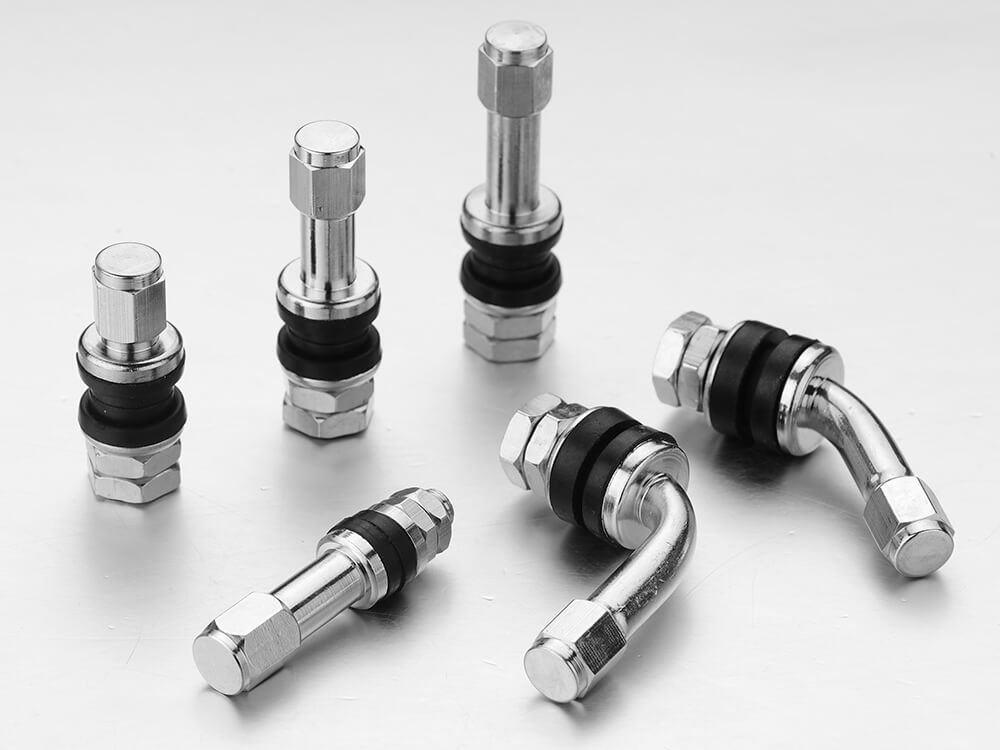
Tire valves are small components, but they play a critical role in maintaining sealed inflation systems in modern wheels. Whether equipped with standard rubber stems, protective tire valve caps, or integrated TPMS valve stem assemblies, every valve must withstand pressure cycles, temperature variation, and environmental exposure. Under normal operating conditions, rubber snap-in valves typically last around 4–5 years, while metal clamp-in valves can remain serviceable for 5–8 years or longer depending on environment and maintenance. Understanding material behavior and service conditions helps determine when replacement is necessary.
A tire valve controls airflow into and out of the tire chamber. It consists of:
The valve maintains inflation pressure by sealing under internal air load. Even minor leakage at the stem or core can gradually reduce pressure, affecting handling stability, braking efficiency, and tire wear patterns.
In modern vehicles equipped with TPMS systems, the valve stem may also house a pressure sensor. In these cases, the integrity of the tpms valve stem becomes even more critical, as both sealing performance and sensor stability must be maintained.
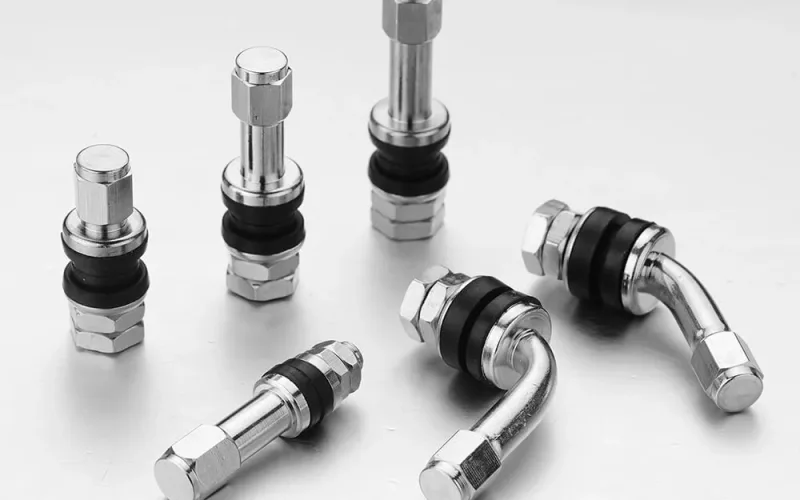
Valve stems are generally categorized into rubber snap-in types and metal clamp-in types. Each material offers different durability characteristics.
| Feature | Metal Valve Stems | Rubber Valve Stems |
|---|---|---|
| Material | Brass / Aluminum body | EPDM synthetic rubber |
| Durability | High structural strength | Flexible but ages faster |
| Installation | Clamp-in design | Snap-in design |
| Corrosion Resistance | Good when coated, may oxidize | Not prone to rust |
| Service Life | 5–8 years or more | 4–5 years typical |
| Pressure Resistance | Suitable for high-speed and high-pressure applications | Standard passenger use |
Rubber stems rely on elasticity to seal against the rim. Over time, UV exposure and heat cycles reduce flexibility, increasing cracking risk. Metal stems resist aging but may require periodic inspection for corrosion around the base.
At Fortune, valve bodies are produced using EPDM compounds selected for ozone and heat resistance, while brass and aluminum components are precision-machined to ensure stable thread tolerance and sealing performance.
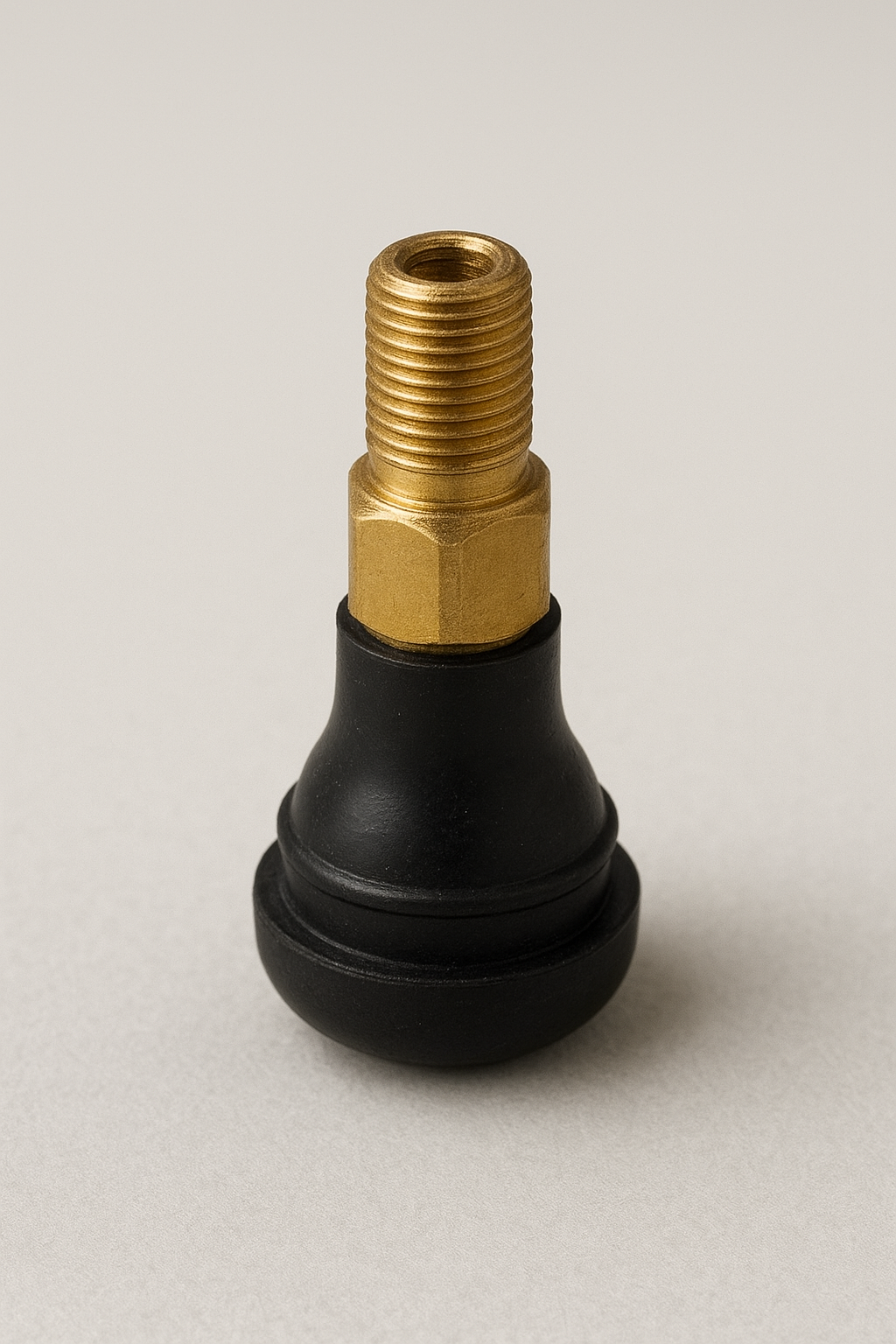
Rubber snap-in valves typically remain reliable for approximately 4 to 6 years. Their service life depends heavily on:
Cracking near the base or around the flex point is the most common failure mode. Many tire professionals recommend replacing rubber stems whenever new tires are installed to prevent sudden air loss.
Metal clamp-in valves generally last longer than rubber versions. Under normal road use, service life can extend to 5–8 years. These stems maintain structural integrity better under high centrifugal force and elevated speeds.
However, corrosion between the valve body and wheel surface can develop if moisture or salt accumulates. Periodic inspection and correct torque installation help prevent sealing failures.
Metal stems are commonly used in high-speed, performance, and heavy-duty applications, where pressure retention must remain stable under load.
Several external factors influence valve lifespan:
Routine inspection reduces unexpected pressure loss and extends operational life.

Visual inspection can reveal early failure indicators:
Any visible structural damage warrants replacement.
Gradual pressure loss often points to valve core leakage or stem fatigue. Common diagnostic methods include:
A consistent loss exceeding 1–3 psi per month may indicate a sealing issue.
Even without visible damage, valves degrade over time. If stems exceed five years of service, preventive replacement during tire change is recommended, especially in vehicles exposed to harsh climates.
Best practice suggests:
Preventive replacement avoids unexpected deflation and supports consistent tire pressure stability.
Professional tire mounting provides optimal conditions for valve replacement. Proper seating, correct torque for clamp-in stems, and leak testing ensure sealing reliability.
Fortune manufactures tire valves that meet international automotive quality standards, including ISO-certified production systems and controlled leak testing before shipment. Each valve is pressure-checked to confirm air retention performance prior to packaging.
Regular maintenance extends service life:
| Best Practice | Purpose |
|---|---|
| Monthly pressure checks | Detect slow leaks early |
| Visual inspection | Identify cracks or corrosion |
| Use quality tire valve caps | Prevent contamination |
| Proper torque installation | Maintain sealing integrity |
| Replace aging stems | Avoid sudden failure |
Valve caps, though often overlooked, provide secondary protection against dust and moisture intrusion. Without caps, the valve core is exposed to environmental contamination that can accelerate leakage.
Tire valves generally last 4–5 years in rubber configurations and 5–8 years or longer in metal designs. Lifespan depends on material composition, climate exposure, installation quality, and maintenance frequency.
Worn or aging valves can cause gradual air loss, reduced handling stability, and accelerated tire wear. Routine inspection and replacement during tire service prevent pressure-related performance issues.
From a manufacturing perspective, controlled material selection, precision machining, and rigorous leak testing are critical to long-term valve reliability. Fortune produces EPDM rubber and metal tire valves designed for stable sealing performance under varying temperature, load, and environmental conditions.
Maintaining valve integrity ensures consistent tire pressure, improved safety margins, and predictable vehicle handling throughout the service life of the tire system.
Drivers should check tire valve stems at least once a month. Regular checks help spot cracks, leaks, or other problems early. This keeps tires safe and helps prevent unexpected air loss.
Yes, a faulty tire valve can lead to tire pressure issues. Air may escape slowly, making it hard to keep the correct pressure. Checking valves helps avoid this problem.
Apply soapy water to the valve stem. If bubbles appear, air is leaking from the valve. Replace the valve if a leak is found.
Metal tire valves usually last longer than rubber ones. They resist wear and weather better. Many drivers choose metal valves for heavy use or tough conditions.
Most experts recommend replacing valve stems with every tire change. New stems help prevent leaks and keep tires working well.
 Request a quote