 12Mar
12Mar 

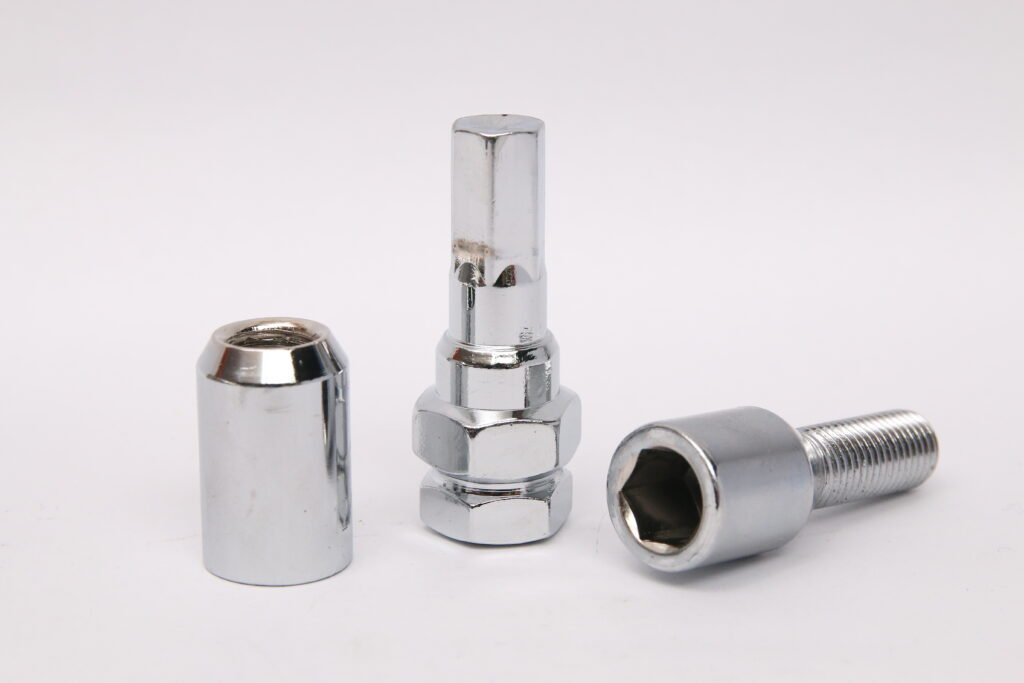
Selecting the right lug nuts means you need to check thread size, pitch, seat type, and length. The right lug nut keeps your car safe and working well. Studies say almost half of wheel separations happen because the wheel nuts are loose. Good nuts hold wheels tight, stop them from moving, and keep them straight. You can look in the car manual, use a wheel nut gauge, or check your wheels for size marks. Fortune Lug Nuts offers high-quality wheel nuts suitable for a wide range of car models. If you are not sure what fits, follow steps or ask an expert for help.
Key Takeaways
- Always look in your vehicle’s owner’s manual first. This will tell you the right lug nut size, thread pitch, and seat type. Check this before you buy anything.
- If you do not have the manual, use a wheel nut gauge or caliper. These tools help you measure thread size and pitch.
- You can also use online lookup tools. Just type in your car’s make, model, and year. This helps you find the right lug nut fast.
- Check your wheel nuts often. Look for rust, damage, or strange noises. This helps keep you safe when you drive.
- Change all your lug nuts at the same time. This keeps the pressure even and the fit secure. Always follow the torque rules in your manual.
Finding the Correct wheel nut for Your Vehicle
To pick the right lug nut, you need to know the details. Using the correct lug nuts keeps your car safe. It also stops problems when you drive. Experts say there are a few ways to find the right lug nut. The table below shows the main ways:
| Method | Description |
|---|---|
| Check Owner’s Manual | Has details like thread size, pitch, and seat type. |
| Use a Lug Nut Gauge | Use a gauge or caliper to measure thread size and pitch. |
| Online Lookup Tools | Type in your car’s info on websites to get the right size. |
| Consult a Professional | Ask a mechanic or wheel expert for help and advice. |
Checking the Vehicle Manual
The owner’s manual gives the best info about wheel nut details. Most manuals tell you the lug nut size, thread pitch, and seat type. They also show how tight to make the nuts, usually between 110 N⋅m and 120 N⋅m. These numbers change with the car, rim, and wheel style. The manual helps you check if the lug nuts fit the wheel seat and match the right size and thread pitch. Reading the manual helps you avoid mistakes and keeps the wheels safe.
Tip: Always look at the manual before you buy new lug nuts. The manual tells you the exact size and type for your car.
Using a wheel nut Gauge or Caliper
A wheel nut gauge or caliper checks the size and thread pitch of the wheel nut. This tool helps if you do not have the manual or if it is not clear. The gauge goes over the threads and shows the size. Calipers check the stud’s width. After you measure, compare your results with the maker’s info or online charts. Using a gauge makes sure the lug nuts fit and are not too loose or tight.
- Use a gauge to check the thread size.
- Use a caliper to check the thread pitch.
- Look at the nut’s shape to find the seat type.
Online Lookup Tools
Online lookup tools help you find wheel nut details fast. Sites like Wheel-Size.com have lots of info for many cars. You type in your car’s make, model, and year to see the right lug nut size, bolt pattern, and seat type. Dorman Products also has good wheel hardware info that mechanics trust. These tools help you match the right lug nuts to your wheels without guessing.
Note: Online lookup tools save time and help you avoid mistakes. They help you find the right lug nut for your car fast.
Using the right lug nut for your car keeps the wheels safe and stops accidents. Always use the correct lug nuts and ask an expert if you are not sure.
Wheel hub nut thread size and pitch
Identifying Thread Size
Thread size tells how wide and thick the threads are on a wheel nut. Each vehicle has its own specifications for thread size. People can find this information in the owner’s manual or by measuring with a core gauge. The most common thread sizes in passenger vehicles include 3/16″ (4.75mm) and 1/4″ (6mm). Many European and Asian cars use metric sizes like 4.75mm, 6mm, and 8mm. The table below shows some standard thread sizes and where they are used:
| Size | Measurement | Application |
|---|---|---|
| 3/16″ | 4.75mm | Most common in passenger vehicles |
| 1/4″ | 6mm | Trucks and larger vehicles |
| Metric Sizes | 4.75mm, 6mm, 8mm | European and some Asian vehicles |
Tip: Always match the thread size to your vehicle’s wheel studs to avoid damage.
Understanding Thread Pitch
Thread pitch means the distance between each thread on the nut. This measurement is important for a proper fit. If the pitch does not match, the nut will not turn smoothly or hold the wheel tight. Most modern wheels use either coarse or fine thread pitch. The table below shows common thread pitches:
| Thread Type | Example | Pitch Measurement |
|---|---|---|
| Coarse | 1/2-13 | 13 threads per inch (UNC) |
| Fine | 1/2-20 | 20 threads per inch (UNF) |
| ISO Metric | M10 | 1.5 mm (coarse), 1.25 mm (fine) |
- The thread size and pitch must match the wheel studs.
- Even a small mismatch can cause cross-threading or bolt failure.
- Proper threads help spread the load across the wheel assembly.
Common wheel nut Sizes
Wheel nut sizes can change based on the type of vehicle and wheels. The most common sizes in the automotive industry are 17 mm, 19 mm, and 21 mm. Some less common sizes include 22 mm, 23 mm, 11⁄16 inch, and 13⁄16 inch. The list below shows popular wheel nut sizes:
- 12mm x 1.25
- 12mm x 1.5
- 14mm x 1.5
- 7/16″
- 1/2″
Note: Always check the specifications for your vehicle before buying new nuts. When unsure, compare with the original nuts or ask a professional.
Wheel Nut Seat Types
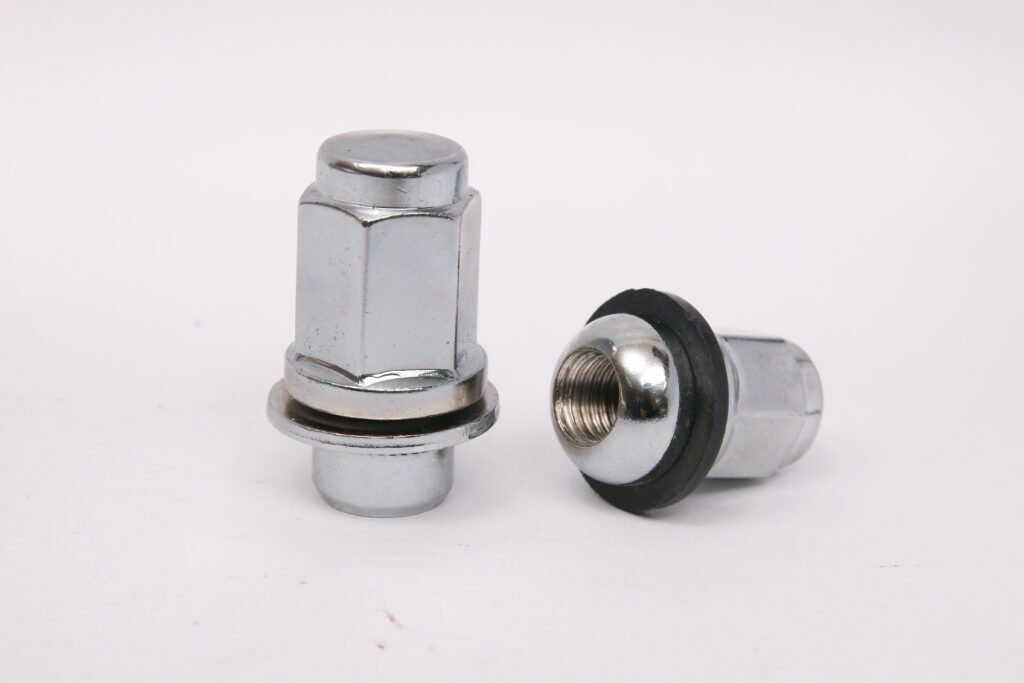
Picking the right seat type for a wheel nut is very important. The seat type is the shape where the nut touches the wheel. If you use the wrong seat type, the nut may not fit right. This can make the wheels loose or even cause damage. Fortune Lug Nuts have many seat types for different cars and uses. Each seat type has its own job and fits certain wheel shapes.
Conical (Acorn) Seat
Conical seat nuts are also called acorn nuts. They have a cone-shaped base with a 60-degree angle. This shape helps center the nut in the wheel hole. It also spreads the force evenly. Most cars and fast vehicles with alloy wheels use this type. The conical seat helps the nut center itself. This makes putting on the nut easier and safer. Many custom wheels and race cars use this seat type for a tight fit. Always check if your wheels have a 60-degree tapered hole before picking lug nuts.
Ball (Spherical) Seat
Ball seat nuts have a round, dome-shaped base. This shape lets the nut move a little and line up better. This is helpful when there is a lot of stress. Many European cars use ball seat nuts, especially with fancy alloy wheels or special suspensions. The ball seat lowers stress on the wheel bolts and spreads the load. Wheels with dome-shaped holes need this seat type to fit right. Using the correct ball seat nut stops uneven wear and keeps wheels safe.
Flat Seat
Flat seat nuts have a flat surface that sits right on the wheel. These nuts often use a washer to spread out the force. Flat seat nuts are found in old cars, big trucks, and machines. The flat seat works well with shallow holes and locking nuts. If a wheel has a flat spot for the nut, only a flat seat nut will fit right and be safe. Always match the seat type to the wheel shape to stop problems.
Tip: Using the right seat type for your wheel keeps it lined up, fits tight, and lasts longer. Fortune Lug Nuts have all three seat types for your car.
wheel nut Length & Fit
Standard vs. Extended wheel nut
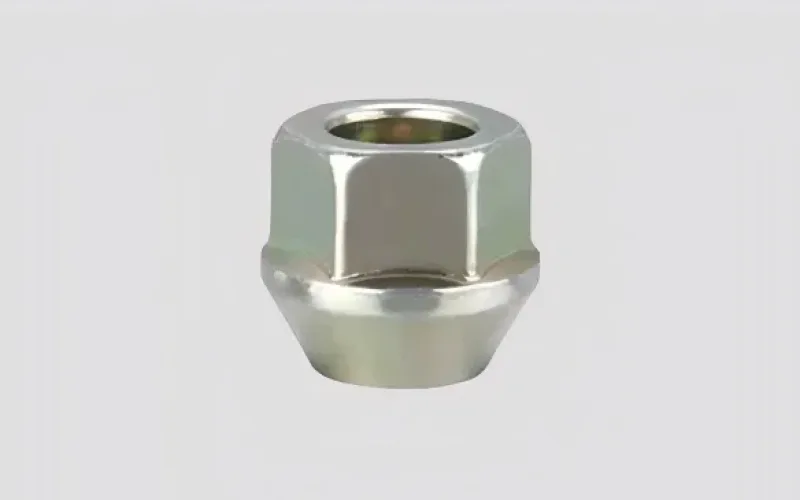
Wheel nut length affects how well the nut holds the wheel. Standard nuts work for most factory wheels. They have enough threads to grip the stud and keep the wheel secure. Extended nuts have a longer body. They give extra thread engagement. People use them with thick or aftermarket wheels. Extended nuts also help when the wheel has a deep mounting surface. The extra length makes it easier to reach the threads. Some drivers choose extended nuts for style or to match custom wheels.
Tip: Always check the size of the brand-new wheels before picking standard or extended nuts. The right lug nuts will match the wheel and the stud length.
Ensuring Proper Fit & Clearance
Proper fit keeps the wheels safe. The nut must sit flat against the wheel seat. If the nut does not fit, the wheel can move or come loose. Mechanics always check for enough clearance between the nut and the wheel. They make sure the nut does not stick out too far or sit too deep. This helps the nut hold the wheel tight. When using aftermarket wheels, people must check the fit and clearance. They look at the nut type, the seat shape, and the wheel design.
- The nut must match the wheel seat.
- The nut should not touch the brake parts.
- The nut must have enough threads to meet torque specifications.
Drivers should always use a torque wrench to tighten the nuts. They follow the vehicle’s torque specifications. This step stops over-tightening or under-tightening. Good fit and the right torque keep the wheels safe on the road.
Note: Mechanics say that checking fit and clearance is important for safety and performance. They always test the nuts with the wheels before driving.
Choosing the Right wheel nut Material & Finish
Steel, Aluminum, and Specialty Materials
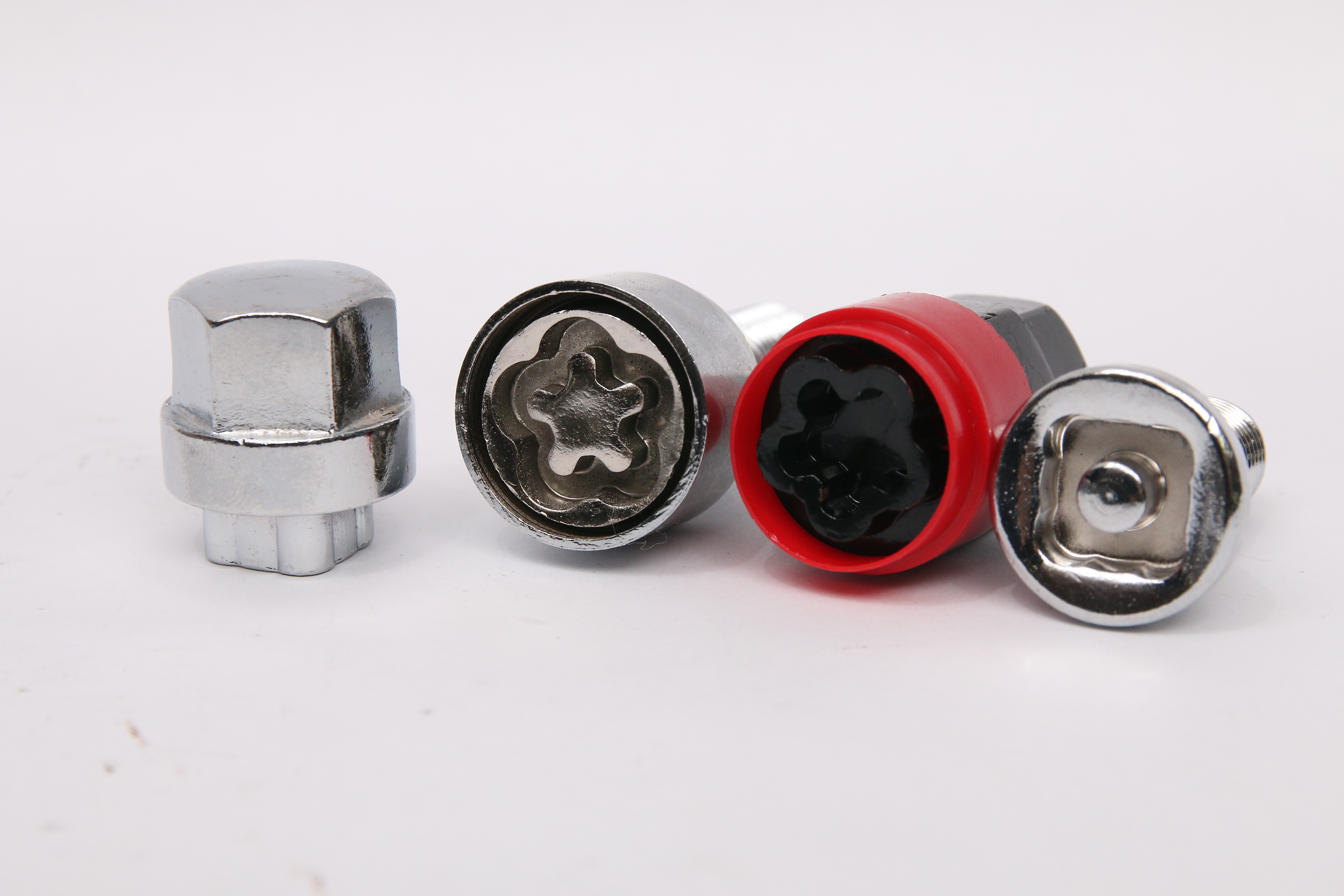
The material of a wheel nut changes how strong and tough it is. It also affects how well it fits the wheel. High-strength steel is very tough and can handle a lot of force. Trucks and heavy vehicles use steel nuts because they last long and do not wear out fast. Chrome-plated carbon steel looks shiny and helps stop rust. But if the chrome chips, rust can start. Titanium is strong but light. Racing teams like titanium for fast cars. Aluminum alloy nuts are lighter than steel. They are good for sports cars and custom wheels. Stainless steel does not rust and needs less care. It is a smart choice for places with bad weather.
| Material | Strength and Durability |
|---|---|
| High-Strength Steel | Very strong, heat-treated, and good for heavy loads. It works well with high torque and lasts a long time. |
| Chrome-Plated Carbon Steel | Strong and shiny, with a chrome layer to stop rust. If the chrome gets damaged, rust can happen. Many people like it for looks and performance. |
| Titanium | Very strong and light. It is great for race cars but costs more. |
| Aluminium Alloy | Light and strong enough for most cars. It can scratch, so it is often coated to last longer and look better. |
| Stainless Steel | Does not rust, is strong, and is good for tough places. It does not need much care. |
The table below shows how steel and aluminum nuts compare:
| Material | Strength | Corrosion Resistance | Weight | Best Use Case |
|---|---|---|---|---|
| High-Strength Steel | Very High | Moderate (better with coatings) | Heavy | Used in most cars, trucks, and factory wheels |
| Aluminium Alloy | Medium to High | Good (if coated) | Light | Used in sports cars, custom wheels, and cars that need to be light |
Corrosion Resistance & Aesthetics
The finish on a wheel nut keeps it from rusting and makes it look nice. Chrome plating is shiny and helps stop rust if it does not chip. Black chrome looks modern and protects the nut too. Stainless steel is bright and does not rust, even in snow or rain. Painted or anodized nuts come in many colors and help stop rust. Powder coating makes a thick, hard layer that stops chips and scratches. Zinc finishes also help stop rust and make nuts last longer.
Tip: Pick a finish that matches your wheels and where you drive. In snowy or beach areas, stainless steel or powder-coated nuts work best. For show cars, chrome or black chrome looks shiny and cool.
Picking the right material and finish keeps wheels safe and looking good. The right nuts hold tight, do not rust, and match your car’s style.
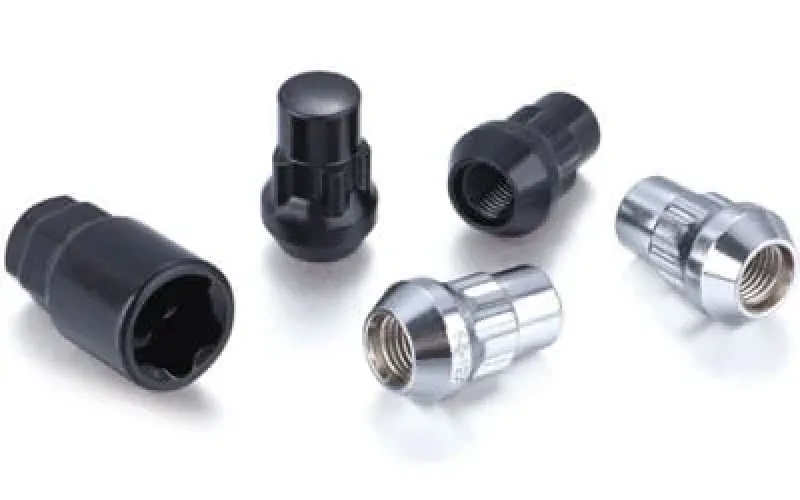
Picking the right lug nuts keeps your wheels and everyone safe. Drivers should do a few things to make sure they choose well. First, look in the manual for wheel nut details. Next, find out what kind of wheels you have. Then, measure how much the stud sticks out. Pick a strong material and a finish you like. Think about using locking nuts for extra safety. Check for any marks that show the nuts meet rules. Fortune Lug Nuts have good choices for all kinds of cars. If you are not sure, ask a pro to help you pick the best nuts.
FAQ
What happens if someone uses the wrong wheel nut size?
The wrong size can cause the wheel to become loose or fall off. This mistake can damage the vehicle and create safety risks. Always check the correct size before installing new nuts.
How often should a driver check wheel nuts?
A driver should check them every time they rotate the tires or after driving on rough roads. Regular checks help keep the wheels secure and prevent accidents.
Can old or rusty nuts be reused?
Old or rusty nuts should not be reused. Rust weakens the metal and can cause the nuts to break. New nuts provide better safety and performance.
Do all wheels need the same type of nut?
Not all wheels use the same type. Some need conical, ball, or flat seat nuts. Always match the nut type to the wheel design for a proper fit.
How tight should wheel nuts be?
Wheel nuts should be tightened to the torque listed in the vehicle manual. Using a torque wrench helps apply the correct force and keeps the wheels safe.


 Request a quote