 04Feb
04Feb 


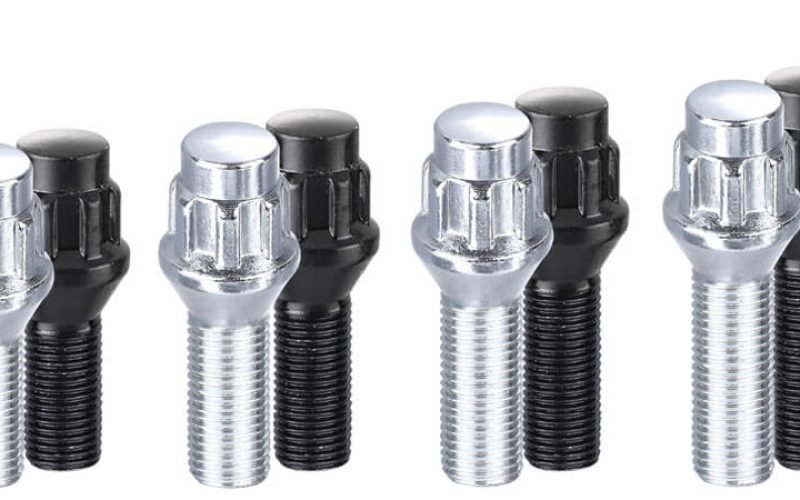
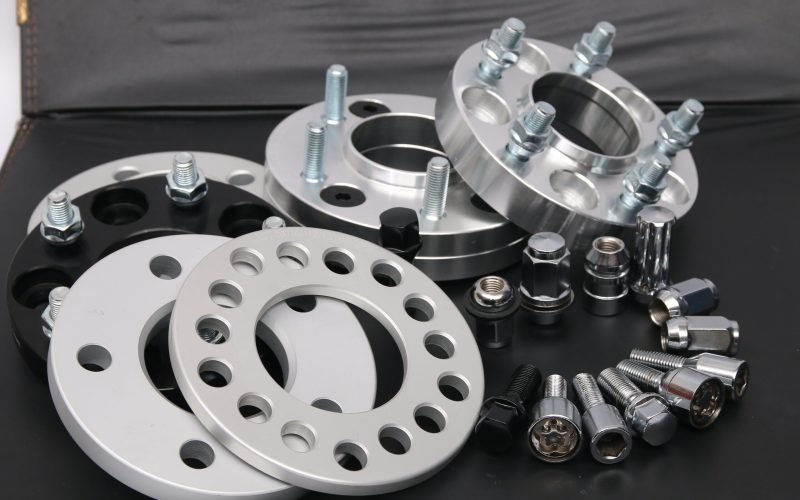
Protect your valuable wheels and tires from theft. You can stop criminals in their tracks with a simple, powerful solution. Secure lug nuts are your first line of defense. These special locking wheel nuts replace one standard lug nut on each of your wheels. They require a unique key for removal, making them impossible for thieves with standard tools to defeat.
The average financial loss for wheel theft claims is approximately $3,800. Effective wheel locks offer an affordable way to prevent this significant expense and gain valuable peace of mind.
Why You Need Secure Lug Nuts
You might think your wheels are safe, but the reality is different. This is why you need secure lug nuts. They are a simple and effective investment to protect your property from a costly and frustrating crime.
The Rising Threat of Wheel Theft
Wheel theft is a growing problem you cannot ignore. Major metro areas across the United States have seen this crime increase by over 30%, with similar spikes reported in Canada and Europe. Thieves often target popular vehicles because their wheels and tires have a high resale value. Your car could be a prime target for theft if you drive one of these commonly affected models:
- Honda Accord
- Honda Civic
- Chevrolet 1500 P/U Tahoe Suburban
- Toyota Camry
- Ford F Series
- Dodge RAM Series
- Chevrolet Corvette
- Dodge Charger
- Toyota Corolla
- Toyota Tacoma / 4-Runner
How Wheel Locks Deter Thieves
You can fight back against this threat. Locking wheel nuts provide a powerful defense by making a thief’s job significantly harder. These anti-theft lug nuts feature a unique groove pattern on their tip. Only a special key with the exact matching pattern can engage and remove them. Thieves rely on standard tools, and your wheel locks make those tools completely useless.
The Philadelphia Police Department is the only law enforcement agency Brooks has heard of requiring a waiver for wheel locks, devices that he said been “relatively effective” for decades at delaying or stopping car thefts.
This non-universal design is the core of their effectiveness. The added difficulty and time required to defeat wheel locks encourage criminals to abandon the attempt and search for an easier target. By installing a set of locking wheel nuts, you create a strong visual and physical deterrent that keeps your valuable wheels securely on your vehicle.
Choosing the Right Locking Wheel Nuts
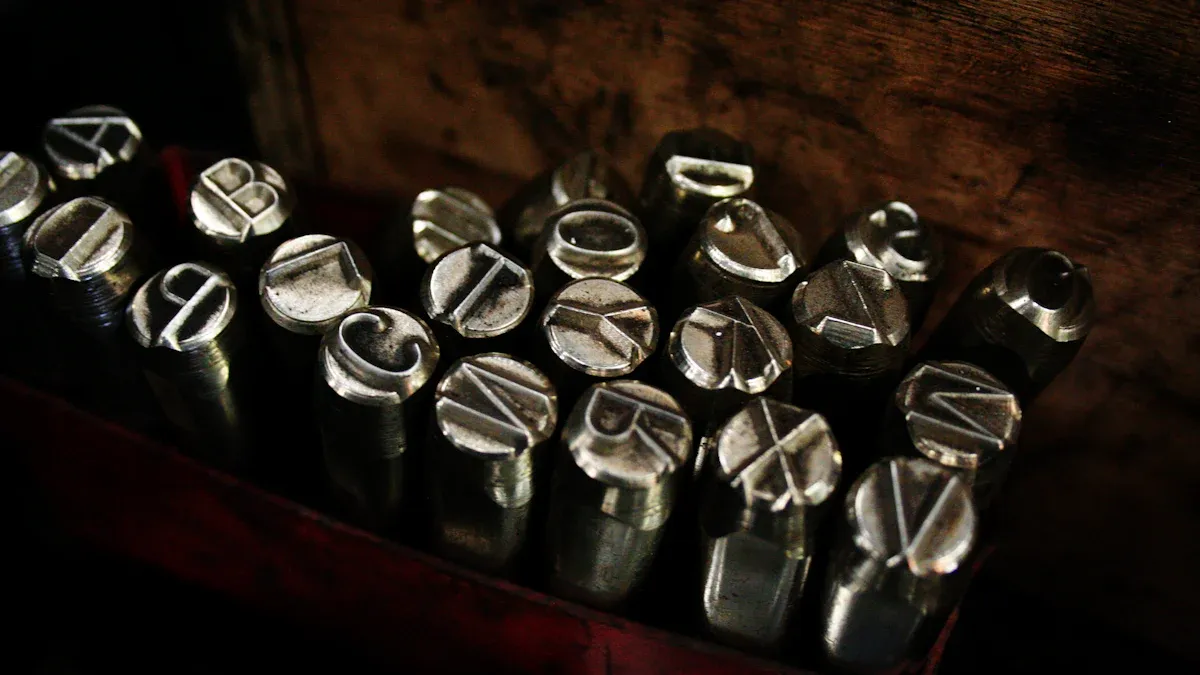
Selecting the right set of locking wheel nuts is the most important step you can take to guarantee your wheels stay on your vehicle. Not all locks are created equal. You need to match the right type, size, and quality to your specific car for maximum protection and safety. This guide will help you make the perfect choice.
Types of Wheel Locks Explained
You will find several designs of wheel locks on the market, but they all operate on a core principle: a unique pattern that requires a matching key. However, some designs offer far greater security than others.
- Keyed Hex and Spline Drive: These are common types that use unique indentations or external spline patterns. They are effective against thieves with basic tools.
- Internal Key Patterns: These locks feature complex, computer-generated patterns inside the nut, making them very difficult to grip or duplicate.
- Rotating Collar Locks: For superior security, you should choose a lock with a free-spinning collar. This design features a security sleeve that surrounds the nut. If a thief tries to force it off with pliers or a wrench, the collar just spins freely. This simple but brilliant feature prevents them from getting any grip to remove the nut.
Match the Nut to Your Vehicle
You must install wheel locks that are a perfect match for your vehicle. Using the wrong size or type is not just ineffective—it’s dangerous. An improper fit can damage your wheels or, even worse, cause a wheel to come loose while you are driving. You need to confirm two key specifications: thread size and seat type.
1. Find Your Thread Size
The “size” of a lug nut includes its thread diameter and pitch. For example, a 12mmx1.25 nut has a 12mm diameter with 1.25mm of space between threads. You can find this information by:
- Checking your vehicle’s owner’s manual.
- Using an online database like Wheel-Size.com, which lists the correct “Thread Size” for your vehicle’s make, model, and year.
- Taking an existing lug nut to an auto parts or hardware store to match it.
2. Identify Your Seat Type The “seat” is where the lug nut touches the wheel. Using the wrong seat type creates improper contact, which can lead to the nut loosening over time. The three main types are Conical, Ball, and Shank.
| Seat Type | Common Angle | Typical Applications | Visual Identifier |
|---|---|---|---|
| Conical (Acorn) | 60° | Most aftermarket wheels | Tapered cone shape |
| Ball (Radius) | R13/R14 | Many European cars (VW, BMW, Audi) | Rounded, bowl-shaped end |
| Shank/Mag | Flat with washer | Some older Japanese/US cars | Cylindrical shank with a flat washer |
Pro Tip: Always confirm the seat type required by your specific wheels, not just your car model. Aftermarket wheels often use a different seat than the original factory wheels. Contact the wheel manufacturer if you are unsure.
What to Look for in Quality Brands
Once you know your required specifications, you can focus on quality. A cheap, poorly made lock can rust, strip, or even break, leaving you with a bigger problem. You should invest in a brand known for security and durability.
Look for secure lug nuts made from high-quality materials. The best locking wheel nuts are machined from hardened steel, which makes them incredibly tough to drill or cut. They also feature advanced plating processes, such as multiple layers of nickel and a final layer of chrome. This superior finish not only looks great but also provides essential protection against rust and corrosion.
When you shop, you will see a few brands consistently recommended by experts for their proven performance.
| Rating | Brand | Key Features |
|---|---|---|
| Best Overall | Gorilla Automotive | Heavy-duty steel construction and spinning collar feature |
| Best Value | McGard | Budget-friendly without sacrificing quality |
| Best for Trucks | McGard | Specifically designed for the demands of larger vehicles |
By choosing a reputable brand, you get the peace of mind that your investment is protected by a product engineered to last and to stop thieves cold.
How to Install and Maintain Your Wheel Locks
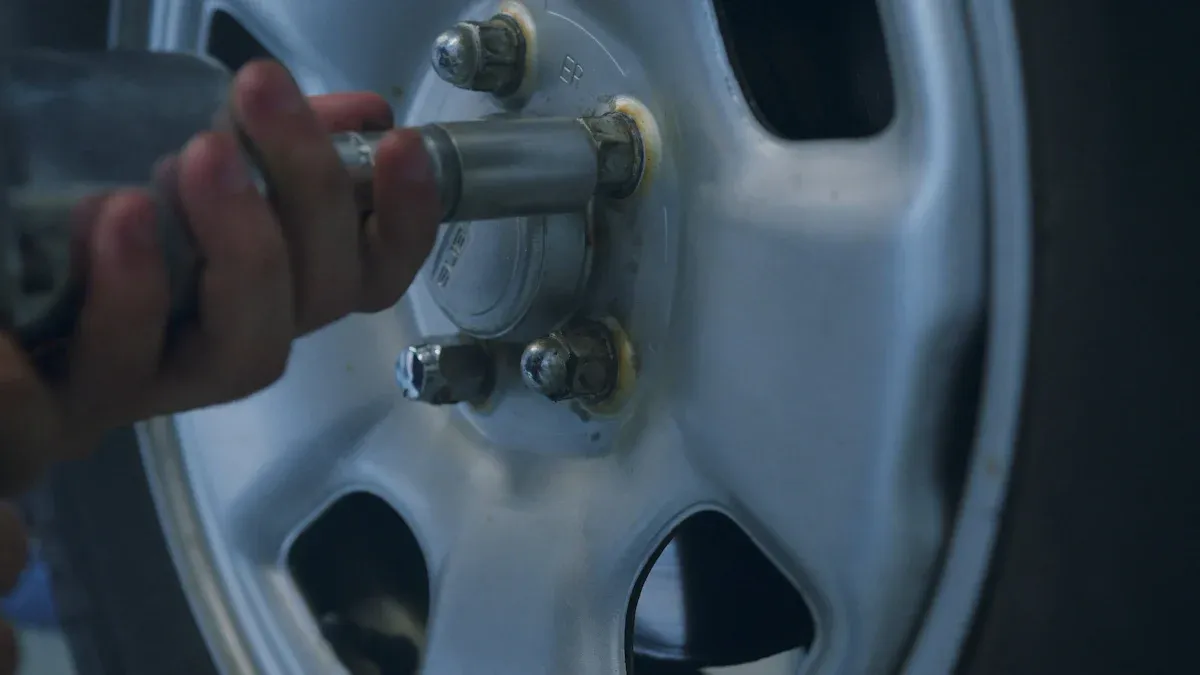
You have chosen the perfect locking wheel nuts for your vehicle. Now, you must install and maintain them correctly. Proper installation ensures your locks provide maximum security and do not damage your wheels. Following a few simple maintenance steps will guarantee your investment protects your vehicle for years to come.
A Step-by-Step Installation Guide
You can easily install your new wheel locks at home with the right tools and a little care. Following these steps ensures a secure fit and protects your wheels from damage.
1. Gather Your Tools Before you begin, make sure you have everything you need. Using the correct equipment is essential for a safe and successful installation. You will need:
- Your new set of wheel locks and the matching key.
- A lug wrench to remove your old lug nuts.
- A calibrated torque wrench and a socket that fits your key.
Important Note: Never use an impact gun or air wrench to install your locking wheel nuts. The excessive force can damage the lock, the key, and your wheel studs, compromising their security. Always tighten by hand.
2. Prepare Your Vehicle Park your car on a flat, level surface. Engage the parking brake firmly. For extra safety, place wheel chocks behind the tires you are not working on to prevent any movement.
3. Install One Lock Per Wheel Work on one wheel at a time. Use your lug wrench to loosen one standard lug nut. Then, remove it completely by hand. Take one of your new secure lug nuts and thread it on by hand until it is snug. This prevents cross-threading and ensures it is seated correctly. Repeat this process for each wheel.
4. Tighten in a Star Pattern With all the locks hand-tightened, you can now secure them. Use your torque wrench and key to tighten the lock on each wheel. You should always tighten lug nuts in a star pattern to ensure the wheel is mounted evenly against the hub. For a five-lug wheel, this means you tighten every other nut until you are back where you started. This even pressure is critical for safety.
5. Torque to Manufacturer Specifications The final and most important step is to tighten your locks to the correct torque value. Wheel locks are a type of lug nut, so you should use the same torque specifications recommended for your vehicle’s standard lug nuts. You can find this information in your owner’s manual. Over-tightening can damage the wheel and stud, while under-tightening can cause the wheel to become loose.
Use this chart as a general guide to find the correct torque range for your vehicle type.
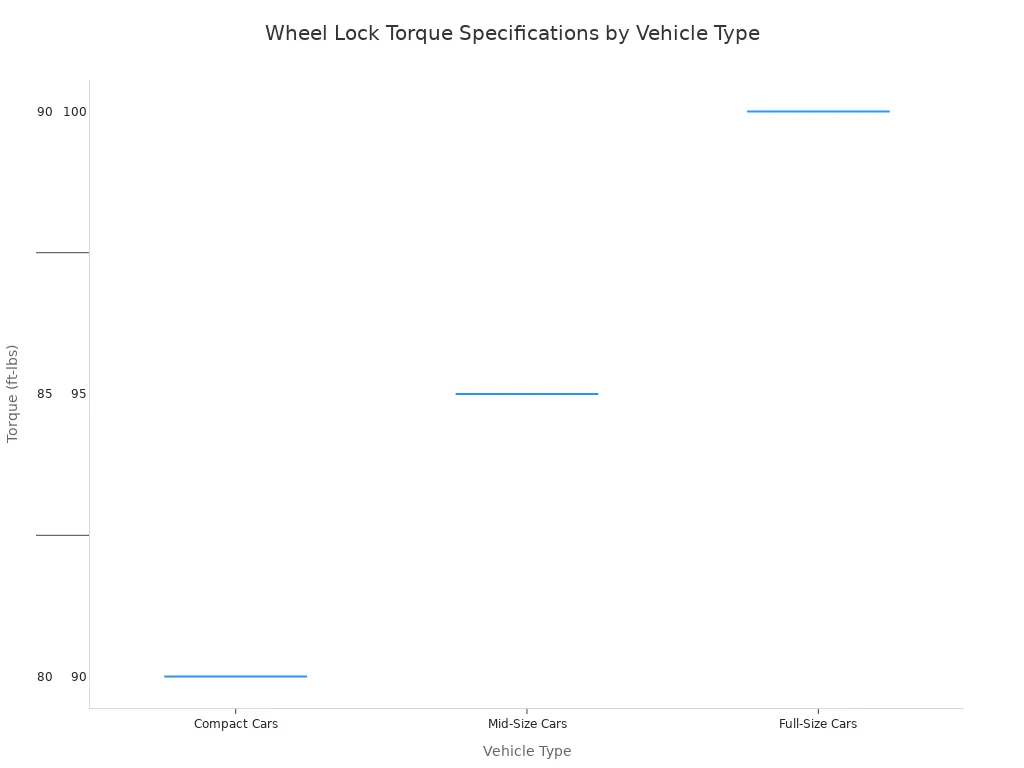
| Vehicle Type | Torque Range (ft-lbs) |
|---|---|
| Compact Cars | 80–90 |
| Mid-Size Cars | 90–100 |
| Full-Size Cars | 100–110 |
| Small SUVs & Crossovers | 95–105 |
| Mid-Size SUVs | 100–120 |
| Full-Size SUVs/Trucks | 120–150 |
Key Do’s and Don’ts for Longevity
Your wheel locks work hard to protect your vehicle. You can keep them in top condition with some simple care. Follow these best practices to ensure they last a lifetime.
✅ DO:
- Re-Torque After 50 Miles: After driving about 50 miles, you must re-check the torque on your new locks. Wheels can settle after installation, especially aftermarket wheels, and this step ensures your locks remain tight and secure.
- Clean Them Regularly: Use a mild soap and water solution to clean your locks when you wash your car. This removes corrosive brake dust and road grime.
- Protect from Corrosion: After cleaning, wipe a light oil or apply a small amount of petroleum jelly over the locks. This creates a barrier against moisture and salt, preventing rust.
❌ DON’T:
- Don’t Use an Impact Wrench: We will say it again—never use an impact wrench. It is the fastest way to strip the key pattern or break the lock.
- Don’t Use WD-40: Avoid spraying your locks with penetrating oils like WD-40. Some users report that it can soften the metal over time and may ruin the hardware. Stick to protective oils or grease.
- Don’t Forget About Them: Inspect your locks periodically. Check for any signs of damage or corrosion so you can address issues before they become a problem.
Storing Your Key Safely
Your wheel lock key is the only thing that stands between you and a costly tire change. Losing it can turn a simple flat tire into a major headache. You need to store your key in a place that is both secure and easily accessible.
Pro Tip: Your wheel lock set comes with a unique code. Take a picture of this code with your phone and email it to yourself. You can also write it down and store it with your vehicle’s title. If you ever lose your key, this code is the only way to order a perfect replacement from the manufacturer.
Here are the best places to keep your key so you always have it when you need it:
- Glove Compartment: This is the most common and convenient spot.
- Center Console: Another easily accessible location that keeps the key out of sight.
- Dedicated Storage Pouch: Many brands offer a small pouch specifically for the key. This protects it from damage and makes it easy to find among other items.
- With Your Spare Tire Tools: Storing the key with the jack and lug wrench ensures all your tire-changing tools are in one place.
By storing your key wisely, you ensure that you, and only you, can remove your wheels when needed.
What to Do If You Lose Your Key
Losing your wheel lock key can feel like a disaster, especially if you have a flat tire. Do not panic. You have clear options to solve this problem and get back on the road. Your first step depends on whether you saved your key’s unique registration code.
Ordering a Replacement with Your Code
You were smart to save your key’s registration code. This code is your direct path to getting a new key from the manufacturer. The process is simple and ensures you receive an exact match for your specific wheel locks. You can get your replacement quickly by following these steps:
- Visit the Manufacturer’s Website: Go to the customer service or parts section of your lock brand’s website (e.g., cs.mcgard.com for McGard).
- Enter Your Registration Number: Find the field to enter your wheel lock key registration number. This is the code from the sticker that came with your set.
- Add the Key to Your Cart: Select the quantity of keys you need and add them to your online shopping cart.
- Complete the Checkout: Proceed to checkout and pay with a major credit card.
Most manufacturers, like McGard, also allow you to order by phone. You can call their customer service line with your registration code and credit card information ready. This ensures you can order a new key even without internet access.
Professional Removal Options
You may have lost your key and the registration code. In this situation, you need professional help. Do not try to force the locks off yourself. You will likely damage your expensive wheels. Instead, you should take your vehicle to a trusted expert.
Your best options are:
- Your Local Tire Shop: Most tire service centers have experienced technicians and specialized tools designed to remove locking wheel nuts without the key.
- A Car Dealership: The service department at your vehicle’s dealership is also equipped to handle this task, especially for factory-installed locks.
Technicians use special removal sockets that grip the outside of the lock or bite into the metal to turn it. This process will destroy the lock, but it will save your wheel from damage. You will need to purchase a new set of wheel locks to protect your vehicle moving forward.
You can stop wheel theft before it happens. Investing in a quality set of secure lug nuts is a small price for major protection. You gain significant peace of mind by choosing the correct locking wheel nuts and following the best practices for installation. This simple step protects you from the high cost and frustration of theft.
- Wheel locks are an affordable, one-time purchase.
- They prevent the expensive cost of replacing stolen wheels.
- Your insurance company may offer discounts for this added security.
Protect your vehicle today. Select a reliable set of wheel locks and keep your property safe.
FAQ
Are wheel locks really effective against theft?
Yes, they are highly effective. 🛡️ Wheel locks make your vehicle a difficult target. Thieves look for easy opportunities and will almost always move on to a car without them. You create a powerful deterrent that sends criminals looking elsewhere.
Can I use two locking nuts on one wheel for more security?
You can, but it is not necessary. One high-quality locking nut per wheel provides excellent protection. It completely stops thieves who use standard tools. Using more than one offers little extra benefit and complicates tire changes for you.
Will wheel locks affect my car’s balance?
No. You will not have balance issues. Reputable manufacturers design their locking nuts to match the weight and dimensions of your vehicle’s original lug nuts. This ensures your wheels remain perfectly balanced for a smooth, safe ride.
Do I need a professional to install my wheel locks?
You can easily install them yourself. The process is the same as changing a standard lug nut. You just need a torque wrench to tighten the lock to your car’s specifications. This saves you time and money on professional installation.
 Request a quote