What is the difference between rubber and metal tire valves?
 20Mar
20Mar 


You must select the right tire bolts and nuts for your vehicle’s safety. To do this, you need to match four critical specifications to your wheel and vehicle: thread size, seat type, length, and material grade. Using the wrong nut or bolt can cause your wheel to vibrate, damage the stud, or even detach. Incorrect fasteners are a serious issue, contributing to thousands of problems annually.
- 7,500-11,000 wheel fixing defects
- 150-400 wheel detachments
- 3-7 fatal accidents
Always verify these details, especially when installing aftermarket wheels, to ensure a secure fit for your wheels and bolts.
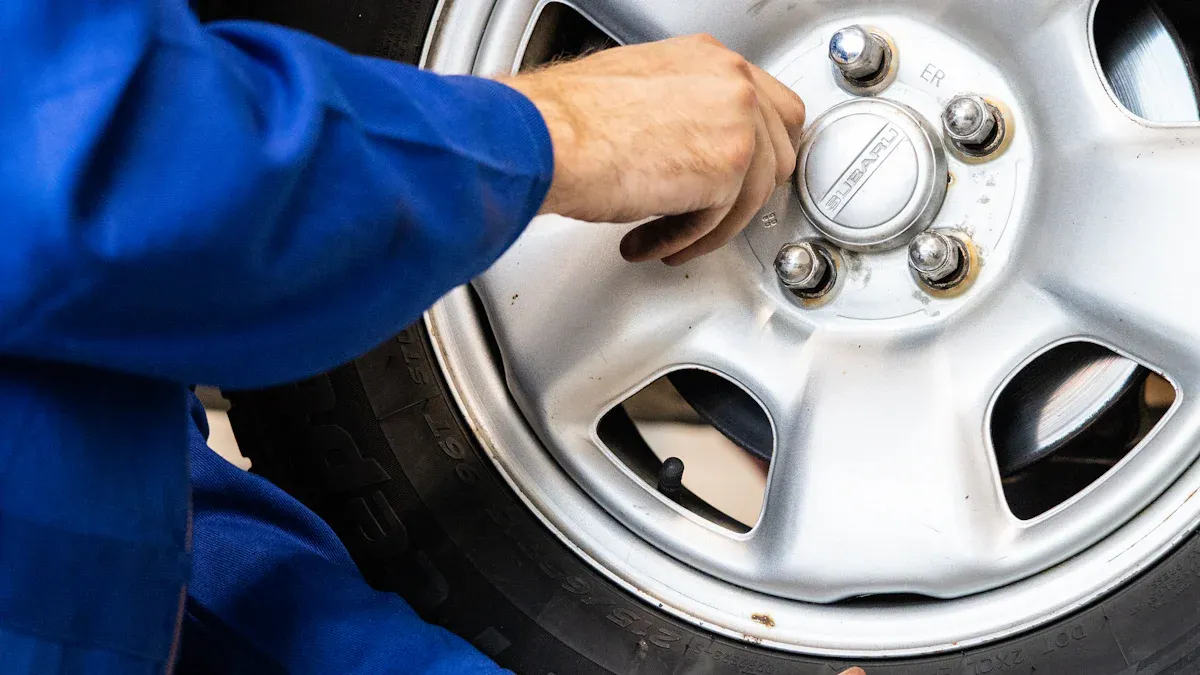
Before you can choose the right hardware, you must first identify what your vehicle uses. Your car will have one of two systems: lug bolts or lug nuts. Each system secures the wheel differently, and understanding which one you have is the essential first step.
A lug bolt is a single piece of hardware that looks like a large screw. You secure your wheel by passing the bolt through the wheel’s lug holes and threading it directly into the vehicle’s hub. This design requires careful alignment during installation.
Note: The table below highlights the key differences between a lug bolt and a lug nut system.
| Feature | Lug Bolt | Lug Nut |
|---|---|---|
| Primary Function | Secures wheel to hub by threading into the hub. | Secures wheel to hub by threading onto a fixed stud. |
| Components | Requires a lug bolt and a threaded hub. | Requires a lug nut, stud, and a hole in the hub. |
| Installation | Requires perfect alignment; can be more difficult. | Easier to install as the wheel hangs on fixed studs. |
| Application | Common in European vehicles and heavy-duty trucks. | Common in Japanese, American, and most small vehicles. |
A lug nut is a fastener that threads onto a wheel stud. The stud is a threaded rod that is permanently fixed to your vehicle’s hub and pokes out through the holes in the wheel. This is the most common system on cars today.
Using a lug nut involves a few key steps:
Your vehicle’s country of origin often hints at which fastener type it uses. German manufacturers have long preferred the lug bolt design. If you drive a BMW, Mercedes, or Volkswagen, you will likely find your car uses lug bolts. In contrast, most other new vehicles from American and Japanese automakers leave the factory with a wheel stud and lug nuts system. Knowing this general rule can help you quickly identify which tire bolts and nuts your vehicle needs.
Once you know whether your vehicle uses lug bolts or lug nuts, you must confirm four specifications. Getting any of these wrong can compromise your safety on the road. Let’s break down each one so you can choose your hardware with confidence.
The first specification you need to identify is the thread size and pitch. This ensures the fastener can properly screw onto your stud or into your hub.
Common Thread Sizes You will often see thread sizes written like
M12x1.5or1/2"-20.
- The first number (
M12or1/2") is the diameter.- The second number (
1.5or20) is the pitch.
How you measure pitch depends on the system:
1.5 pitch means the threads are 1.5mm apart.20 TPI means there are 20 threads in one inch of length.A mismatched thread pitch is a major safety risk. Forcing a nut or bolt with the wrong pitch can damage the threads, prevent proper tightening, or cause the fastener to lock up and break. You can measure pitch using a thread pitch gauge, which has marked leaves that you match to your fastener’s threads for an accurate reading. This is the most reliable method for finding the correct pitch.
The “seat” is the area where the lug fastener makes contact with the wheel. You must match the seat of the nut or bolt to the seat design of your wheel’s lug hole. This perfect match is what centers the wheel and creates a secure connection. Using the wrong seat type will prevent the lug fastener from seating correctly, leading to dangerous vibrations and potential wheel detachment.
Here are the three most common seat types:
| Seat Type | Description | Common Use |
|---|---|---|
| Conical (Tapered) | Has a cone-shaped seat, usually with a 60-degree taper. This design self-centers the wheel as you tighten the lug nut. | The most common style for both original and aftermarket wheels. |
| Ball (Radius) | Features a rounded, spherical seat. It looks similar to a conical nut but is curved instead of straight. | Often found on European vehicles like Volkswagen and some Honda models. |
| Mag (Flat) | Uses a flat washer to clamp the wheel against the hub. The lug nut itself has a flat bottom and an extended shank. | Less common today but was popular on early aluminum wheels. |
Always check the lug holes on your wheel to determine which seat type you need. A conical nut will not sit securely in a ball seat wheel, and vice versa.
The length of your tire bolts and nuts is just as important as the other specifications. A fastener that is too short will not have enough thread engagement, while one that is too long can cause damage to components behind the hub.
For a Lug Nut System: You need to ensure the nut threads onto the stud far enough for a safe grip. This is called “thread engagement.” The goal is to have enough threads engaged so that the stud would fail before the threads on the nut strip. A good rule of thumb is:
For a Lug Bolt System: The shank is the threaded part of the lug bolt. To find the right length, you need to account for the thickness of your wheel. You can measure this with a few simple steps:
If your measurement is less than this, you need a longer lug bolt. For example, if only 10mm of your 40mm bolt is exposed, you need a new bolt that is at least 47mm long (30mm in the wheel + 17mm exposed).
The final specification you must consider is the material and grade of your fasteners. This detail determines the fastener’s strength and its ability to handle the immense forces your vehicle experiences. Choosing a fastener made from the right material with a proper strength grade is essential for keeping your wheel securely attached.
The grade of a bolt or nut tells you its tensile strength. Tensile strength is the maximum amount of stress a material can withstand before it breaks. You can often identify a fastener’s grade by looking for markings on its head. These markings are a universal code for strength.
Quick Tip: Higher grade numbers mean stronger fasteners. For automotive wheel applications, you should always use high-strength hardware.
The two most common grading systems are SAE (for Imperial fasteners) and Metric. The table below shows the standard grades you should look for.
| Fastener System | Common Grade | Head Marking | Minimum Tensile Strength |
|---|---|---|---|
| US (SAE) | Grade 8 | 6 evenly spaced radial lines | 150,000 PSI |
| Metric (ISO) | Class 10.9 | Stamped with “10.9” | 1,040 MPa (approx. 150,000 PSI) |
Metric grade markings, like 10.9, give you specific information. The first number (10) multiplied by 100 gives you the approximate tensile strength in megapascals (MPa). The second number (9) tells you the material’s yield strength. This means the fastener can handle 90% of its maximum tensile strength before it starts to permanently stretch or deform. A low-grade nut or bolt can stretch under load, causing it to lose its clamping force and work itself loose.
Quality manufacturing is just as important as the grade itself. Reputable manufacturers use certified, high-quality steel and perform rigorous testing on every batch. This ensures each nut meets strict safety and performance standards. Never choose a fastener based on price alone, as inferior materials can lead to catastrophic failure on the road.
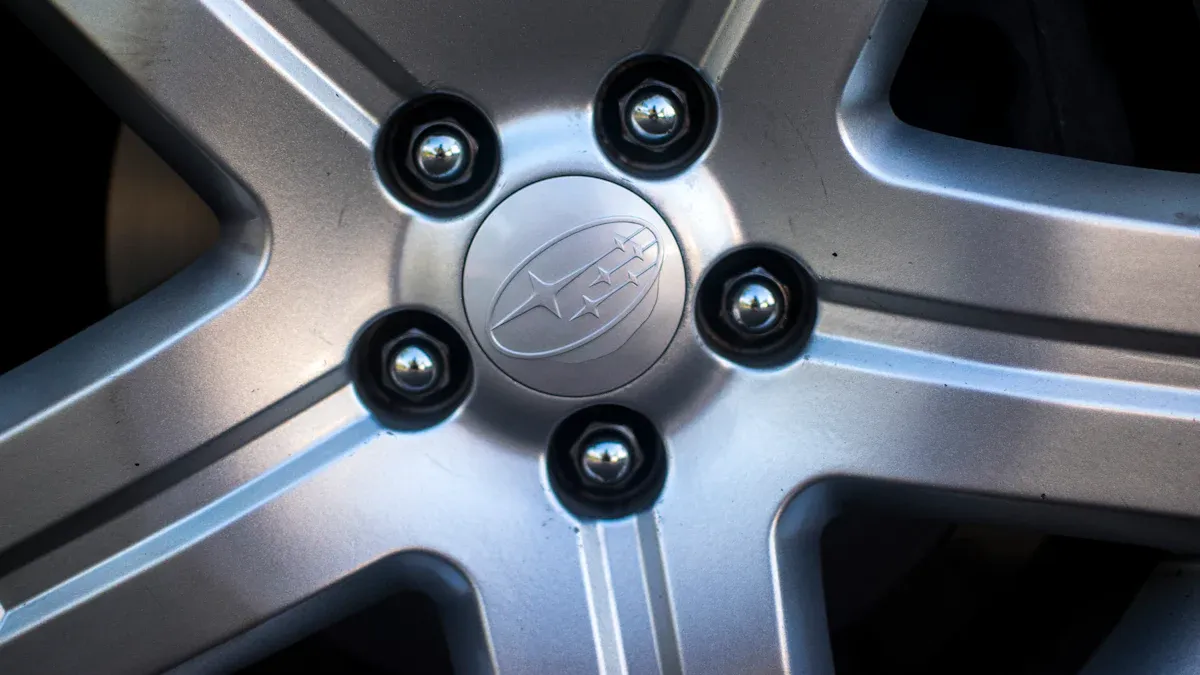
You learned that the seat is where the fastener meets the wheel. Now, let’s explore the three main seat types in more detail. A correct match ensures your wheel is centered and secure. An incorrect match creates a dangerous point of failure.
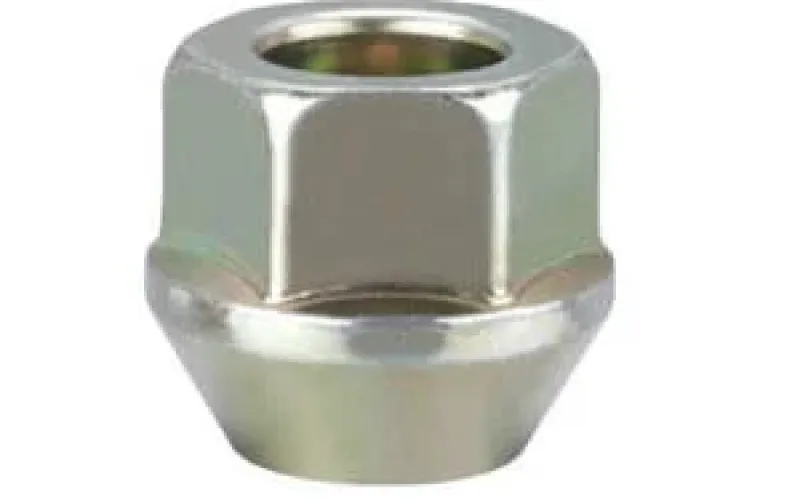
The conical seat is the most common design you will encounter. This lug nut has a cone-shaped bottom. This design is an industry standard for most aftermarket wheels. Its shape helps center the wheel on the hub as you tighten the lug. This self-centering action provides a secure and evenly distributed clamping force.
The angle of the taper is very important. A 60-degree taper is standard for most applications. You might also see a 45-degree taper, which offers a wider contact surface. This 45-degree design is often used in high-stress environments like NASCAR and circle-track racing.
You must match the angle of the nut to the angle of the lug hole in your wheel. A mismatch will create a tiny contact point, concentrating all the force in one small area. This can damage the nut and the wheel.
A ball seat lug fastener has a rounded, spherical bottom. It looks different from the straight-sided conical nut. You must use this type of nut if your wheel’s lug holes are also curved. This design is common on original equipment manufacturer (OEM) wheels from specific brands.
For example, Honda has used a single type of ball seat lug nut on its factory wheels for over 20 years. Many German automakers also use this design, but with different radius sizes.
It is impossible to safely use a conical nut on a ball seat wheel, or vice versa. The shapes do not match, and the fastener will not sit securely.
The mag seat lug fastener is less common today but is still important to recognize. This style features a flat bottom and a separate, thick washer. The lug nut has a long shank that passes through the wheel. The flat washer sits between the nut and the wheel surface. This design clamps the wheel to the hub by applying pressure evenly across the flat surface.
Note: The washer is not optional. It is a critical part of the mag seat system. Without the washer, the nut cannot apply the correct clamping force and will damage the wheel’s surface.
You will typically find this type of lug on older aluminum or “mag” wheels. Always ensure the shank length is correct for your application. A shank that is too short or too long will prevent a secure fit.
You must think of the lug fastener and the wheel as a perfectly matched pair. The seat is where these two parts meet to create a secure connection. Getting this match wrong is not a minor mistake; it is a direct path to catastrophic failure. There is no room for error when it comes to seat type.
The entire purpose of the seat is to maximize the contact area between the lug nut and the wheel. This large contact area distributes the immense clamping force evenly. A correct match centers the wheel perfectly and locks it firmly against the hub. A mismatched seat does the exact opposite. It creates a tiny, high-pressure contact point.
Imagine trying to tighten a screw with the wrong-sized screwdriver. You can’t get a good grip, and you end up stripping the screw head. A mismatched lug seat is far more dangerous. The lug nut will either fail to tighten or will quickly vibrate loose.
This incorrect contact directly leads to a severe loss of clamping force. For instance, some specialty applications use 90-degree cone nuts. If you mistakenly install one of these in a standard 60-degree cone seat wheel, the incompatibility prevents proper engagement. The nut only touches the wheel on a very thin edge. This tiny contact point cannot secure the wheel, and it will damage both the lug fastener and the expensive wheel itself. This damage, combined with road vibrations, causes the nut to loosen, which can lead to a wheel detachment while you are driving. Always verify that your lug fastener seat is an exact match for your wheels.
Finding the right specs for your tire bolts and nuts is simple. You can use one of three reliable methods to get the correct information for your vehicle and wheel.
Your vehicle’s owner’s manual is the most trustworthy source for fastener specifications. You should check this book first. Most manufacturers include this information in a dedicated section.
Where to Look in Your Manual:
- Check the index for “Specifications” or “Wheel.”
- Look in the section that explains how to change a flat tire.
- For many Toyota and Nissan vehicles, you will find the torque figure in a chapter called “Specifications.”
This is the best place to confirm the original equipment details for your car’s bolts or nuts.
If you cannot find your manual, you can measure an existing fastener. You will need a few tools to get an accurate reading for a lug bolt or nut.
Measuring an old part ensures your new hardware will be a perfect match.
Online databases offer another great way to find specifications. Many websites provide detailed wheel and fastener information. You simply enter your vehicle’s year, make, and model. For example, RideStyler’s FitGuide acts as a command center for wheel-related data, providing OE tire sizes and torque specs. Other global fitment databases can tell you if your car uses a lug bolt or a different fastener. These resources make it easy to find the correct parts for your specific wheel.
When you upgrade to aftermarket wheels, you often need new hardware. Selecting the proper lug nuts is crucial because the fasteners from your original wheels might not be safe to reuse. You must account for differences in seat design, length, and other specifications.
Your vehicle’s original lug nuts are made specifically for its factory wheels. Aftermarket wheels often have different designs, which can make your old hardware incompatible and unsafe.
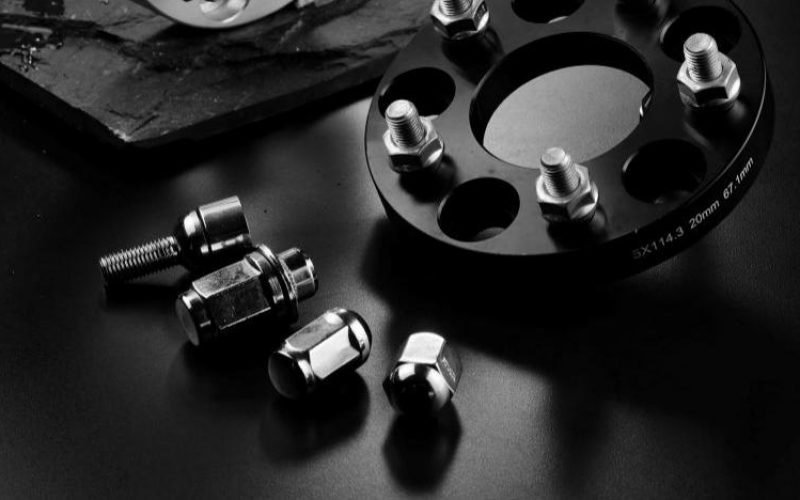
Wheel spacers push your wheels outward for a wider stance. This added thickness means your existing studs or bolts will be too short. You must use longer fasteners to ensure a safe connection.
Calculating New Fastener Length You can find the correct length with a simple formula. Just add the spacer’s thickness to your original lug bolt’s length. For example, if your stock bolt is 27mm long and you add a 15mm spacer, you will need a new bolt that is 42mm long (27mm + 15mm = 42mm).
You should never guess which lug fastener seat your new wheel requires. An incorrect match between the nut and the wheel creates a dangerous situation. The best way to confirm the correct seat design is to get the information directly from the wheel manufacturer. This step ensures you purchase the right hardware for a secure installation. Contacting the manufacturer removes all doubt and helps you choose the correct lug nut for your specific application.
You must also consider the material and grade of your wheel lug nuts. This choice determines the fastener’s strength and its ability to handle the immense forces your wheel experiences. Using a high-quality lug with the proper strength grade is essential for keeping your wheel securely attached.
Most high-quality lug fasteners are made from carbon steel and heat-treated for strength. You should always look for a metric Class 10.9 or an SAE Grade 8 nut. These grades offer a minimum tensile strength of around 150,000 PSI, making them strong enough for nearly all passenger vehicle applications. While these are excellent choices, you should know that Metric Class 12.9 is the strongest grade available, with SAE Grade 8 following closely behind in terms of strength. A strong lug is a safe lug.
For racing or high-performance driving, you might consider specialty materials like titanium. A titanium lug nut offers several advantages and some notable drawbacks.
Titanium Lug Nuts: Pros and Cons
- Benefits: Titanium is about 40% lighter than steel. This weight reduction can improve handling and acceleration. It also offers superior strength and resistance to heat and rust.
- Drawbacks: This material is very expensive. A single set can cost hundreds of dollars. You also need special tools for installation and must use an anti-seize lubricant to prevent the nut from seizing to the wheel stud.
The material grade only tells part of the story. The quality of the manufacturing process is equally critical. Reputable manufacturers, qualified with certificates like ISO9001, use premium materials and adhere to strict quality control.
At Fortune Auto Parts, we never use inferior materials. We built a professional team to monitor each production process. Our products undergo rigorous inspections, with some items being 470% tested before shipment. This commitment ensures every lug nut you install provides the safety and reliability you depend on. A well-made nut from a trusted source gives you peace of mind on the road.
Choosing the right hardware is only half the battle. You must also avoid common installation mistakes to ensure your safety on the road. A small error can lead to a big problem.
You must match the lug fastener’s seat to the seat in your wheel. Using a conical lug nut on a wheel designed for a ball seat creates a tiny, unstable contact point. This mismatch prevents the fastener from securing the wheel correctly. Vibrations will quickly loosen the nut, which can damage your wheel and lead to a dangerous failure.
The length of your fastener is critical for a secure connection.
Proper torque is essential for safety. You must tighten each lug fastener to the manufacturer’s recommended value. You can find this information in your vehicle’s wheel torque specs. Both over-tightening and under-tightening create serious risks.
Warning: Incorrect torque compromises your wheel’s security.
| Issue | Over-Torqued Lug Nuts | Under-Torqued Lug Nuts |
|---|---|---|
| Clamping Force | Excessive clamping force. | Insufficient clamping force. |
| Wheel Security | Can cause stripped threads, damaged studs, distorted brake rotors, and cracked wheels. | Can cause the lug nuts to loosen, leading to wheel vibration and potential detachment. |
| Safety Implications | Compromises the integrity of wheel components, risking catastrophic failure. | Poses a severe safety risk, as the wheel can detach from the vehicle. |
Always use a calibrated torque wrench to achieve the correct tightness. This simple step is one of the most important for your vehicle’s safety.
You might think reusing old wheel fasteners is a good way to save money. However, you should never reuse hardware that is worn, damaged, or rusted. A fastener’s condition is just as important as its specifications. Using a compromised bolt or nut creates a serious safety hazard that can lead to wheel failure. You must inspect every fastener before installation and replace any that show signs of damage.
It is critical to understand why old hardware is unsafe. A damaged lug fastener will not provide the clamping force needed to keep your wheel secure.
Warning Signs: When to Replace Your Fasteners ⚠️ Always discard and replace fasteners if you see any of these issues:
- Permanent Stretching: Some vehicles use single-use ‘stretch’ bolts. Manufacturers design these bolts to stretch permanently during the first installation. This stretching action creates a very precise clamping force. Once stretched, the bolt is weaker and cannot be safely reused.
- Rust or Corrosion: Rust is more than just a cosmetic issue. It is a chemical process that eats away at the metal, making the fastener weaker. A rusted lug nut also has a rough surface. This roughness can give you a false torque reading, meaning the wheel is not as tight as you think. Pits from corrosion create weak spots where cracks can form.
- Damaged Threads: You must inspect the threads on each lug bolt or nut. Any damage, such as stripped, flattened, or galled (torn) threads, means the fastener is compromised. A lug with damaged threads cannot be torqued correctly and may break or slip under load.
Your safety depends on the integrity of these small but vital components. Never take a chance with old or damaged hardware. Always invest in new, high-quality fasteners to ensure your wheels stay firmly attached to your vehicle.
Choosing the right tire bolts and nuts is a critical task for your vehicle’s safety. You must always match the thread, seat, length, and grade to your wheels. These small bolts and nuts are giants for vehicle performance, securing your wheels against intense forces. Correct selection is only the first step. Proper installation and torque are equally vital for safety. An incorrect choice or poor installation can lead to dangerous vibrations or wheel detachment. When in doubt, always ask a professional mechanic for help.
You should not swap lug nuts between different vehicles. Cars use unique specifications for thread size, pitch, and seat type. Using the wrong nut creates an unsafe fit. Always purchase new hardware that perfectly matches your specific vehicle and wheels for guaranteed safety.
You must re-check your lug nut torque after driving the first 25-50 miles on newly installed wheels. This ensures they are properly seated. After that, you should check the torque every time you perform a tire rotation, which is typically every 5,000 to 7,500 miles.
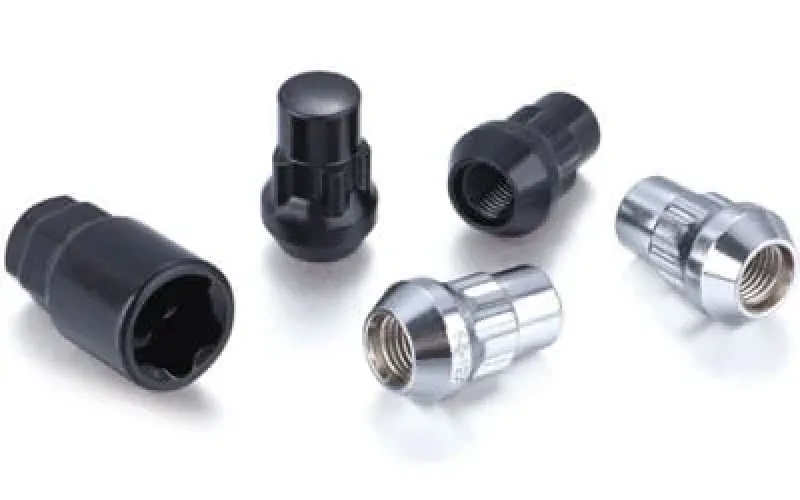
Yes, colorful lug nuts can be safe if they are made correctly. The color is just a coating. Your priority should be the nut’s material and strength grade. Always choose high-quality steel nuts (Class 10.9 / Grade 8) from a trusted manufacturer to ensure they are strong enough.
Using the wrong seat type is extremely dangerous. The nut will not make proper contact with the wheel. This mismatch prevents the nut from securing the wheel correctly.
Safety Alert ⚠️ Vibrations will quickly loosen the nut. This can damage your wheel and may lead to the wheel detaching from your vehicle while you are driving.
 Request a quote