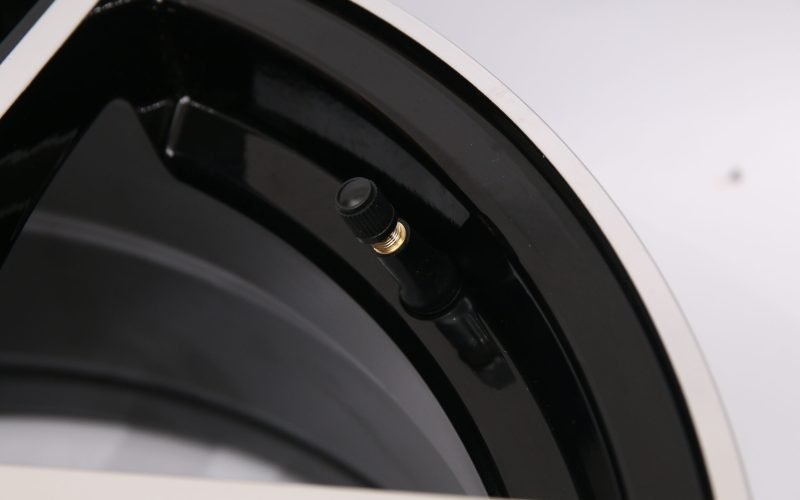
What is the difference between rubber and metal tire valves?
 20Mar
20Mar 

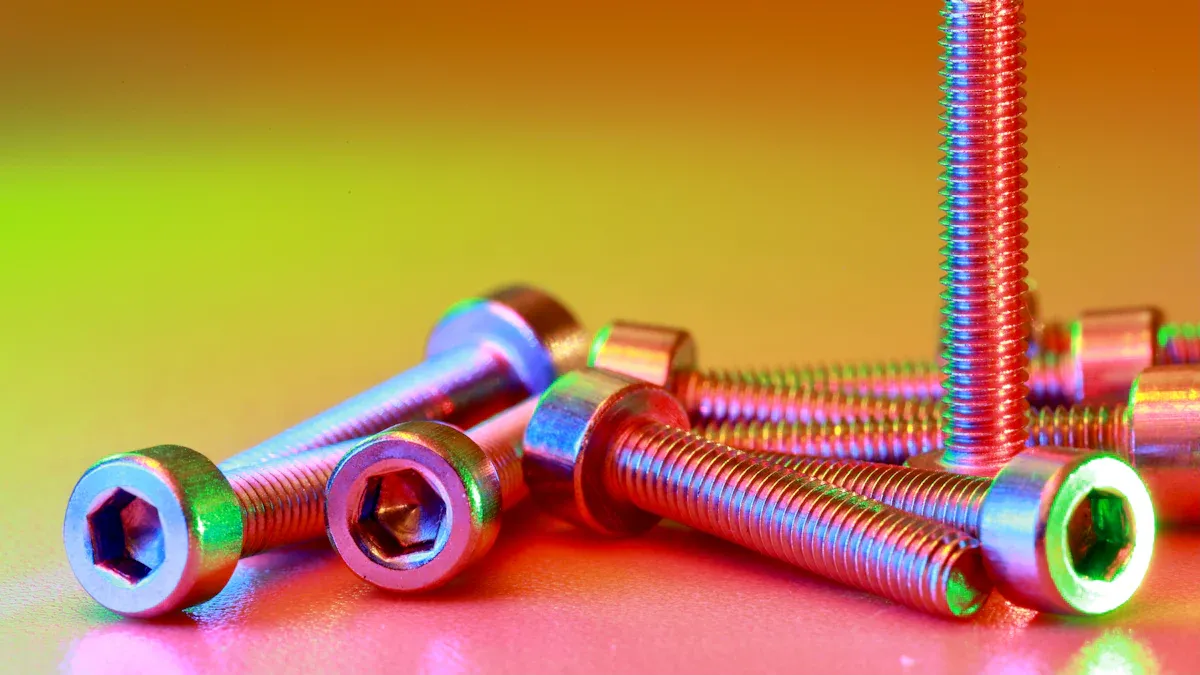
You protect your car’s appearance and safety by choosing the right tools. When you select a wheel lug nut socket, several key features are essential for getting the job done right without causing damage.
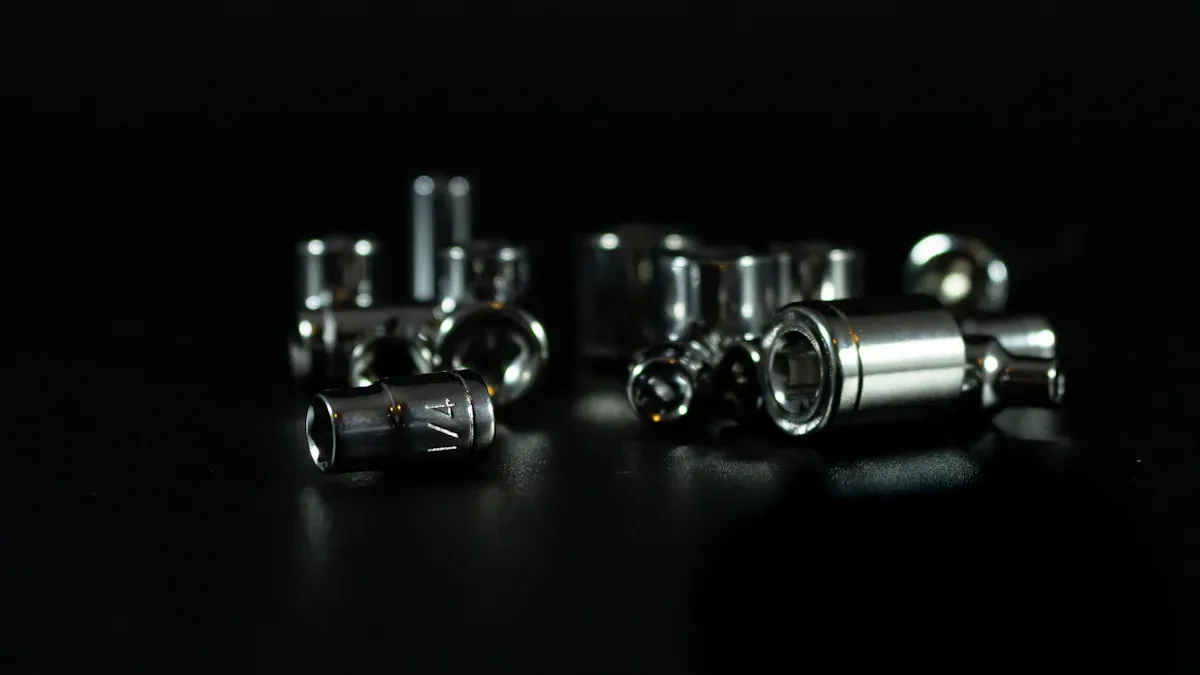
The material of your lug nut socket determines its strength and lifespan. You need a tool that can withstand intense force and resist environmental damage. Choosing the right material and finish is an investment in a tool that will perform reliably for years.
When you use an impact wrench, you need a socket that can handle the job. Chromium-molybdenum (Cr-Mo) steel is the industry standard for impact tools for a reason. It is specifically engineered to absorb the sudden, high-torque forces of an impact wrench without cracking. While standard Chrome Vanadium (Cr-V) steel is hard, it is also more brittle. This makes it unsuitable for impact use, where it can shatter under pressure.
The key difference lies in how each material handles stress.
| Characteristic | Chrome Molybdenum (Cr-Mo) | Chrome Vanadium (Cr-V) |
|---|---|---|
| Designed For | High torque and repeated impacts | Lighter-duty tasks |
| Shock Absorption | Excellent at absorbing shocks | Less effective, more brittle |
| Durability | Ideal for heavy-duty tasks | Can crack under extreme pressure |
The manufacturing process further enhances Cr-Mo steel’s strength. The addition of molybdenum creates a finer internal grain structure. This structure is incredibly tough and helps prevent microscopic cracks from forming and spreading. Specialized heat treatments, like quenching and tempering, complete the process. They give the socket a perfect balance of hardness and flexibility, ensuring it won’t break when you need it most.
A socket’s material provides strength, but its finish provides longevity. A high-quality finish protects the steel from moisture and air, which cause rust and corrosion. A corroded tool is a weak tool, so this protective layer is essential for maintaining the socket’s structural integrity and extending its operational life.
Note: The two most common protective finishes for impact sockets are black oxide and manganese phosphate. Both add a layer of protection, but they have different properties. Black oxide provides a clean, uniform black finish without changing the socket’s dimensions, while phosphate coatings are thicker and offer excellent wear resistance.
This protective coating directly translates to long-term value. By preventing rust, the finish ensures your socket remains strong and dependable, reducing the need for frequent replacements and saving you money. A quality finish keeps your tool in top condition, ready for the next job.

An excellent wheel lug nut socket does more than just remove lug nuts; it protects your wheels from damage. The right design features ensure you can work efficiently without leaving behind ugly scratches or scuffs. A thoughtful design combines protection, accessibility, and performance, making the entire process smoother and safer for your vehicle’s expensive wheels.
Your wheels are a major part of your car’s look. A single slip with a bare metal socket can cause deep scratches on the finish around the lug nut holes. This is where a non-marring protective sleeve becomes invaluable. These sleeves, typically made of a durable plastic, create a soft barrier between the steel socket and your wheel’s delicate surface. This simple feature prevents metal-on-metal contact, protecting your painted, powder-coated, or clear-coated wheels from accidental damage.
Pro Tip: Repairing cosmetic damage like scratches on an alloy wheel can cost anywhere from $50 to over $150. A socket with a protective sleeve is a small investment that prevents these costly and frustrating repairs.
Many modern cars, especially those with aftermarket or performance wheels, feature lug nuts that are deeply recessed into small openings. A standard, thick-walled socket simply won’t fit in these tight spaces. A thin-wall design is specifically engineered to solve this problem. These sockets have slimmer exterior walls, allowing them to slide easily into narrow lug nut wells without scraping against the sides. This ensures you can get a proper, secure grip on the lug nut without damaging the surrounding wheel surface.
When choosing a wheel lug nut socket, the number of points inside the socket matters greatly. You should always choose a 6-point design for this job.
A 12-point socket has thinner walls and makes less contact, increasing the chance of slipping and damaging the lug nut. For heavy-duty work like changing a tire, the 6-point design is the safer and more effective choice.
Using the right size tool is critical for safety and preventing damage. A loose-fitting socket can slip and strip your lug nuts, while one that is too small will not fit at all. You must match your wheel lug nut socket to your vehicle’s specific requirements.
Lug nuts come in two measurement systems: metric (millimeters) and SAE (inches). Most European and Asian cars use metric sizes, while many American cars and trucks use SAE sizes. Knowing which system your vehicle uses is the first step.
For example, many popular car brands use common metric sizes.
| Brand | Typical Socket Size |
|---|---|
| Toyota, Honda, Hyundai | 19mm or 21mm |
| Nissan | 19mm or 21mm |
| BMW, Mercedes, VW | 17mm |
American trucks and cars often use SAE sizes like 13/16″, 7/8″, or 1-1/16″.
How to Find Your Size 🧐
If you are unsure of your car’s lug nut size, you can find it easily.
- Check Your Owner’s Manual: Your vehicle’s manual is the best place to find the correct socket size.
- Measure the Lug Nut: Use a caliper to measure the distance from one flat side of the nut to the opposite flat side.
- Ask a Professional: A local tire shop can identify the correct size for you in seconds.
Many modern wheels have lug nuts that sit deep inside a hole. This is called a recessed design. A standard, shallow socket cannot reach these lug nuts. You need a deep wheel lug nut socket to access them properly. Deep sockets have extra length, allowing them to extend into the wheel’s lug hole and make full contact with the nut. This ensures you can apply torque safely and evenly without the tool slipping off. For wheels with both recessed nuts and narrow openings, a socket with both a deep and thin-wall design is the perfect tool.
Beyond strength and design, certain features make a socket set truly easy to use. High-quality usability features save you time, reduce frustration, and protect your tool investment for the long haul.
You need to find the right socket quickly, especially when you are in the middle of a job. High-visibility size markings are essential for efficiency. Manufacturers use a few different methods to mark their sockets.
Pro Tip 💡
Clear, easy-to-read markings prevent you from grabbing the wrong size. This simple feature saves you from the frustrating trial-and-error process and helps you get the job done faster.
These cases are made from high-strength materials and often feature a double-wall construction, making them incredibly tough. This design protects your sockets from damage if the case is dropped or bumped during transport. Professional reviews often praise brands like DeWalt and Craftsman for their sturdy, well-organized cases.
Inside, a good case has a custom-molded slot for every single socket. This provides several key benefits:
Investing in a set with a robust case protects your tools, improves your workflow, and ensures your sockets will last for years.
Your checklist for the perfect wheel lug nut socket is simple. You need a tool that has:
Investing in a quality set from a reputable manufacturer is an investment in your car’s safety and appearance. Leading brands often back their tools with excellent warranties, a true sign of quality.
| Product Category | Warranty Period |
|---|---|
| Mechanics Hand Tools | Lifetime of the original end-user purchaser |
| Torque Products | 1 year |
| Diagnostics | 2 years |
Don’t risk damaging your wheels or lug nuts; choose the right tool for the job.
You should avoid using regular sockets with an impact wrench. They are typically made from brittle Chrome Vanadium (Cr-V) steel. The high torque from an impact tool can cause them to crack or shatter, creating a safety hazard. Always use impact-rated Cr-Mo sockets for this job.
Using the wrong size socket is dangerous. A loose fit will slip and round off the corners of your lug nuts, making them difficult to remove. It also prevents you from applying the correct torque. This could lead to a wheel coming loose while you are driving.
The plastic sleeve is a non-marring protector. It creates a soft barrier between the steel socket and your wheel. This simple feature prevents the tool from scratching or scuffing the finish around the lug nut holes, saving you from costly cosmetic repairs on your wheels.
Higher-quality sets are a smart investment. They use stronger Cr-Mo steel, include durable storage cases, and often come with a lifetime warranty. These features ensure the tools perform safely and last for many years, offering better long-term value than cheaper, less reliable options.
 Request a quote