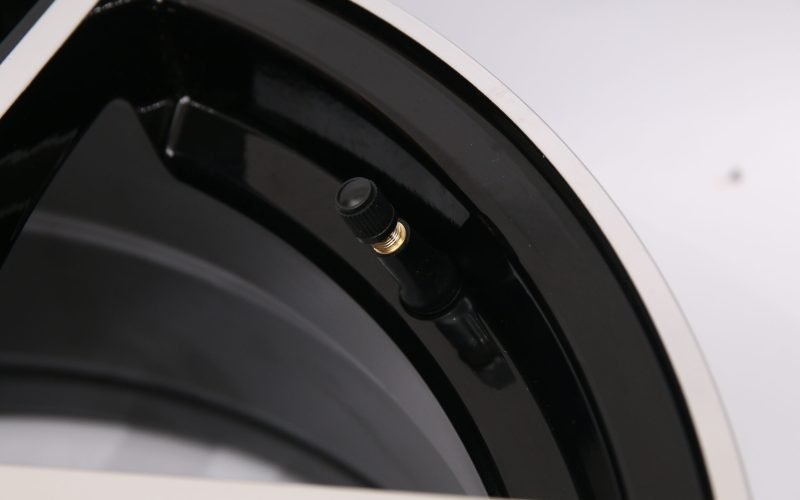
What is the difference between rubber and metal tire valves?
 20Mar
20Mar 

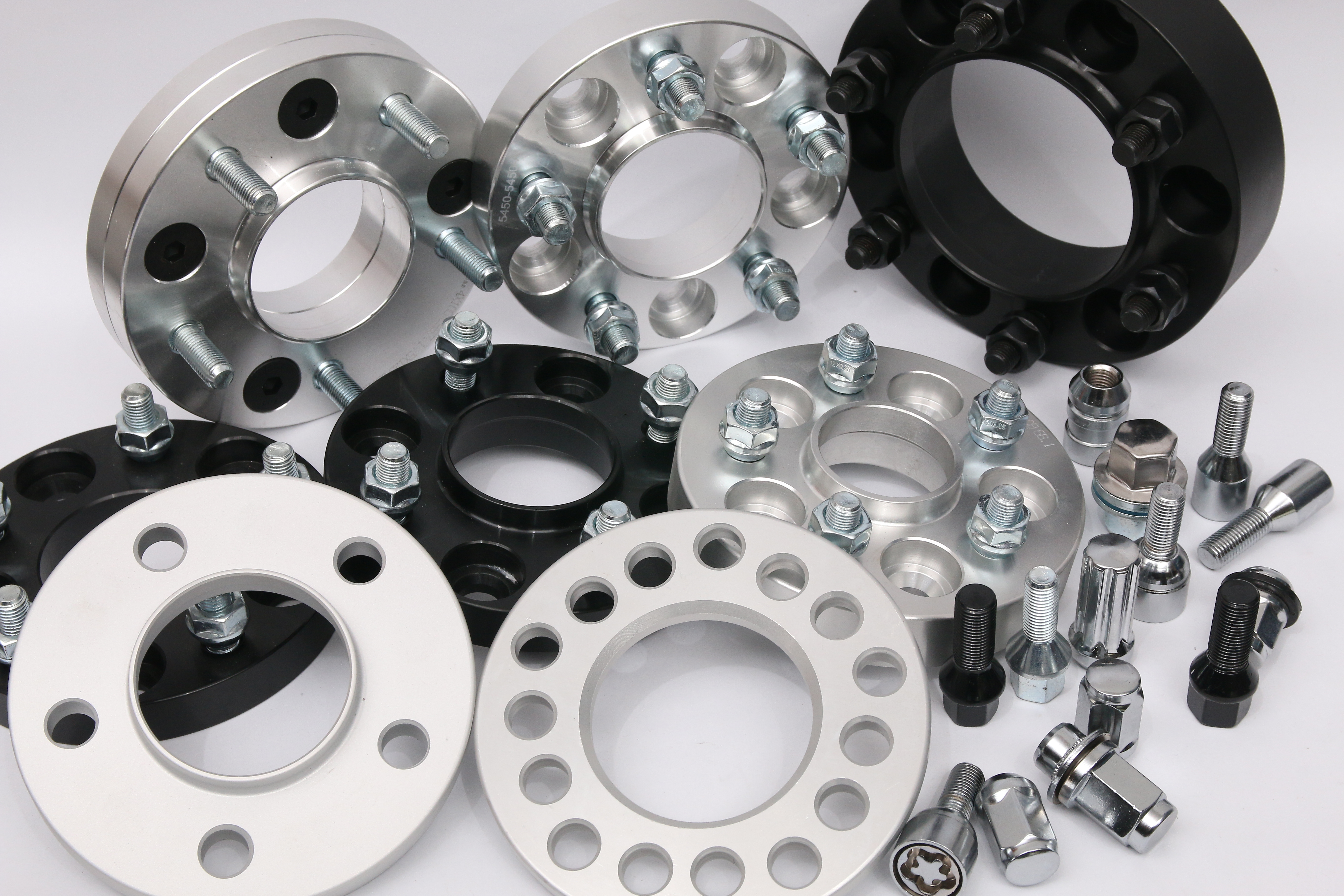
Wheel nut covers prevent rust by forming a barrier that blocks water, dust, and road salt from contacting the metal nuts. This barrier slows down the rusting process. The material and fit also significantly impact their corrosion resistance.
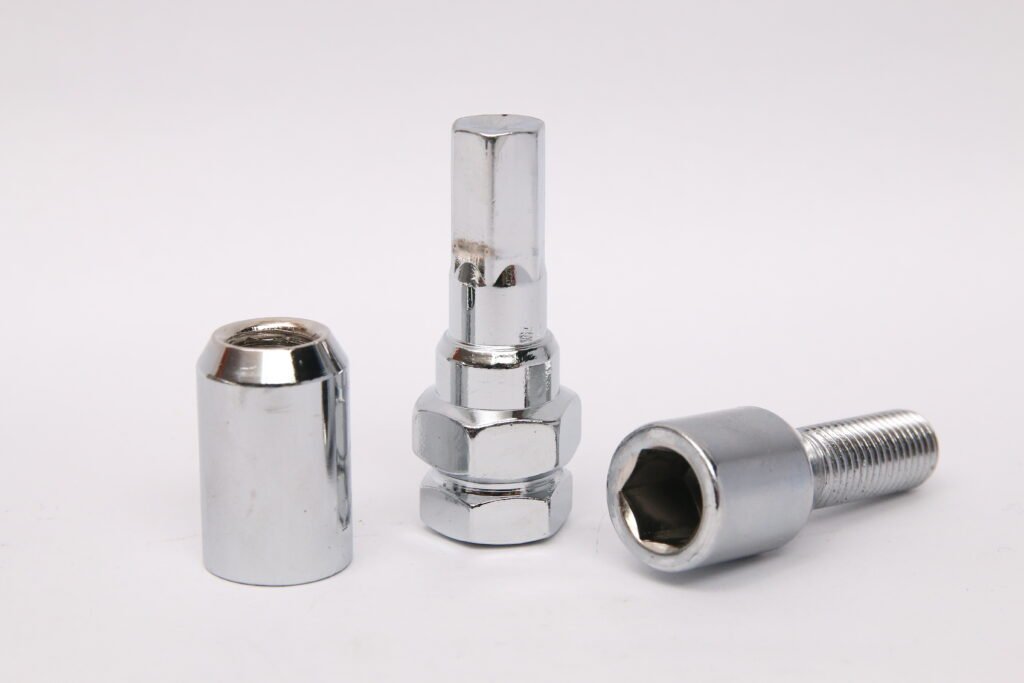
Wheel nut covers play a crucial role in protecting wheel nuts from harmful elements. They act as a barrier, blocking water, dust, and road salt from contacting the metal, thus slowing down the rusting process. When drivers travel on wet or salted roads, wheel nut covers prevent moisture and salt from reaching the nuts. This reduces the likelihood of corrosion and keeps the nuts looking good for longer.
Note: Spare tire covers also protect against sun and harsh weather. They help prevent rubber components from cracking or fading. This shows that wheel covers can provide effective protection for different parts of a car.
Many drivers choose wheel nut covers to protect their wheel nuts from damage. These covers effectively prevent moisture and debris from contacting the metal. As a result, the nuts remain in better condition and last longer.
Manufacturers use different materials to make wheel nut covers. Each material offers unique protective properties. Some common materials include:
Stainless steel wheel nut covers offer excellent corrosion resistance, especially suitable for rainy or snowy regions. Chrome-plated metal covers not only look shiny but also protect the nuts. Plastic wheel nut covers (typically made of ABS) are lightweight and more affordable. They are resistant to fading but may not be as durable as stainless steel under harsh conditions. Drivers should choose the appropriate material based on local climate and driving needs.
There are significant differences between wheel nut covers and standard nut covers. Each type offers different levels of protection and durability.
Owners who want the best protection for their wheels often choose stainless steel or chrome-plated wheel nut covers. These covers help protect the nuts, keeping them in good condition for longer.
Wheel nut covers help keep wheel nuts in good condition. They prevent water, dust, and salt from contacting the metal. Many owners find that their wheel nuts last longer when using covers. Mechanics also often find that nuts with covers have less rust. Drivers who drive in rainy or snowy weather will find nut covers particularly useful. The covers prevent dirt from accumulating on the nuts, making cleaning easier. Regular inspection and cleaning help the nut covers function better. Effective protection is provided when the wheel nut covers fit snugly and do not easily come loose.
Tip: Drivers should check their wheel nut covers after driving on muddy or salted roads. Cleaning the wheel nut covers helps them function properly and prevents rust.
Weather and road conditions affect the protective effectiveness of wheel nut covers. Some areas have high humidity, heavy rainfall, or use de-icing salt in the winter. These factors can accelerate the rusting of metal parts. Temperature changes can also have an impact. When the temperature drops sharply, moisture can accumulate under the wheel nut covers. If the moisture remains, it can lead to rust.
Wheel nut covers help prevent rust, but require regular maintenance. Drivers in areas with harsh climates should clean and inspect their wheel nut covers more frequently.
While wheel nut covers offer many advantages, they also have some limitations. If the covers are not securely installed, water and dirt can accumulate underneath. This accumulated moisture can lead to rust over time. In extreme weather conditions, some covers may crack or loosen. Drivers should choose covers suitable for their local climate and driving habits. Regular maintenance helps prevent problems.
Note: Easily removable covers make cleaning and inspection simple. Drivers should choose covers that can be easily installed and removed without tools.
Wheel nut covers make maintenance more convenient but do not replace regular inspections. People should frequently check the covers and nuts to detect any signs of rust early on.
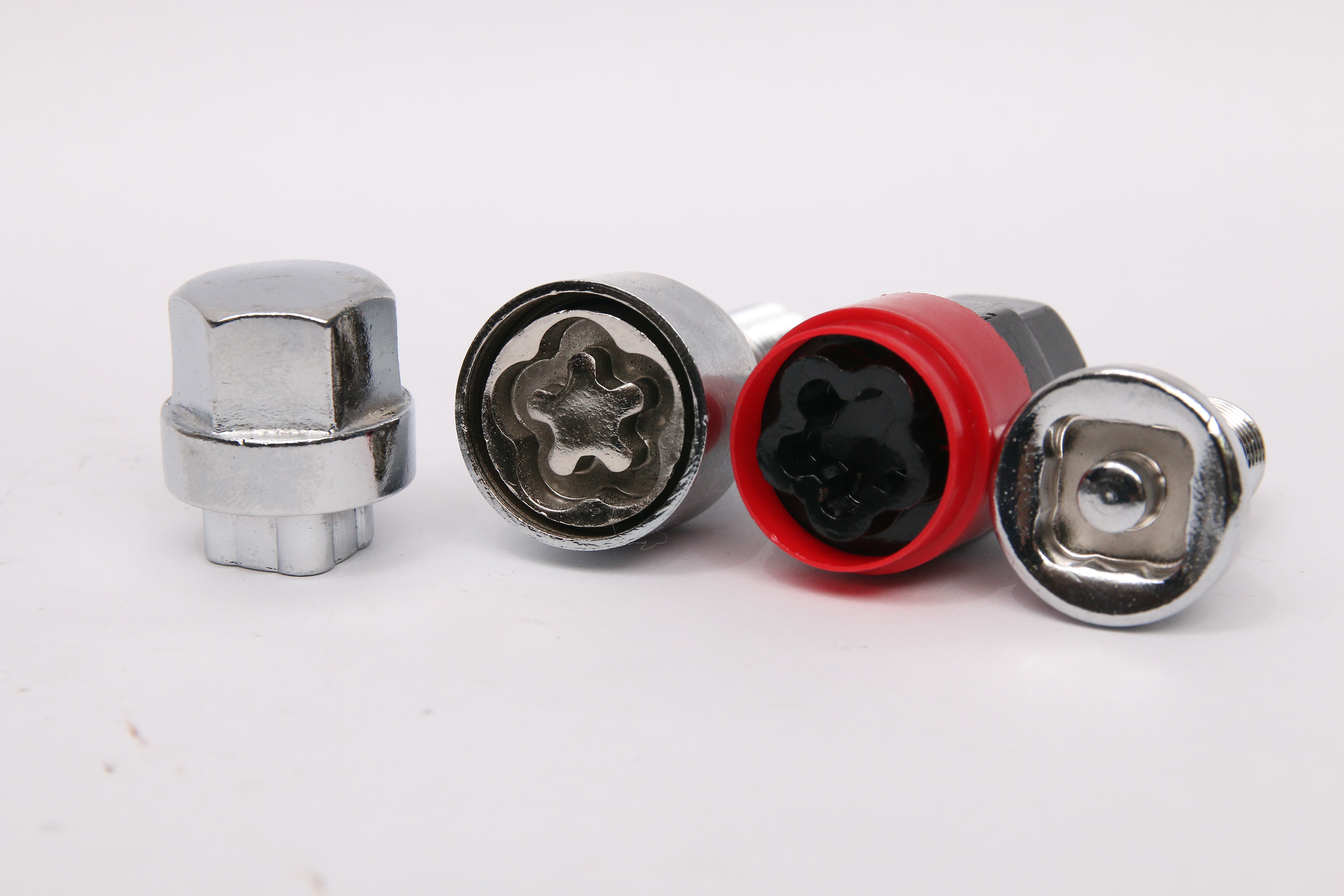
Choosing good wheel nut covers helps prevent rust and keeps the wheels looking good. When choosing covers, people should consider the following:
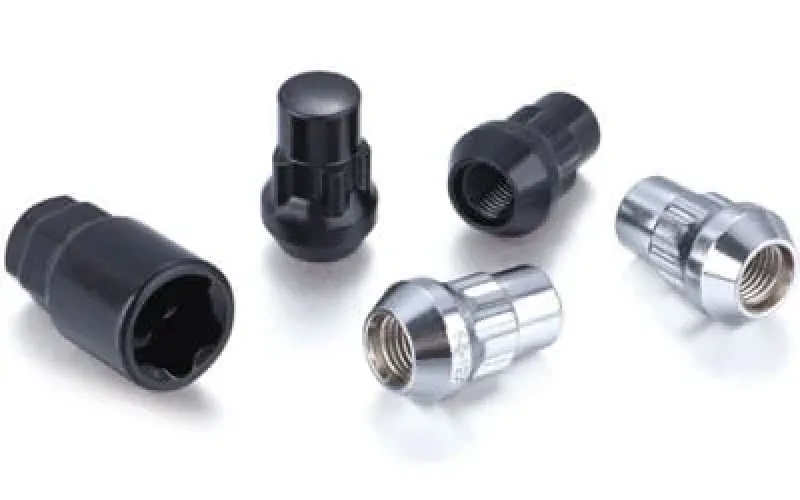
Stainless steel cap-style wheel nut covers offer excellent rust resistance. They are more durable than chrome-plated covers if the chrome plating peels off. Stainless steel is also more environmentally friendly. Fortune is a trusted brand of automotive parts. They manufacture wheel nut covers using robust materials and stringent standards. Many drivers choose Fortune because their products offer rust protection and perform well.
Proper installation of wheel nut covers helps prevent rust. Follow these steps:
Tip: Always ensure each cover is securely installed. If the cover is loose, water and dirt may enter.
Taking care of wheel nut covers helps them work longer. People should do these things:
Note: Regularly checking and cleaning wheel covers helps extend their lifespan and prevent rust.
Wheel nut covers protect wheel nuts from rusting. They prevent water and dirt from contacting the metal. Stainless steel and chrome wheel covers offer excellent protection. If wheel covers are not cleaned regularly, water can accumulate. Drivers should choose sturdy and durable wheel covers for better protection. Regularly inspecting wheel covers is very important. Cleaning and inspecting wheel covers helps them function better. Check wheel covers for cracks, rust, or dirt. These signs indicate that the wheel covers need maintenance. Check if the bolt holes are enlarged. This helps avoid expensive repairs. Good habits help keep your wheels safe and looking good.
Wheel covers and semi-truck wheel nut covers come in various sizes. They are not suitable for all vehicles. Drivers should check the size and shape before purchasing. Some wheel covers are more suitable for passenger cars, while semi-truck wheel nut covers are more suitable for larger vehicles.
Drivers should check wheel covers and semi-truck wheel nut covers monthly. They should check for cracks, loose parts, or dirt. Regular checks help maintain the good condition of wheel covers and semi-truck wheel nut covers and prevent rust.
Wheel covers and semi-truck wheel nut covers protect wheel nuts from rust and damage. They help keep the wheels secure. When wheel covers and semi-truck wheel nut covers are in good condition, they contribute to safe driving and reduce the risk of wheel failure.
Stainless steel and ABS plastic are common materials for making wheel covers and semi-truck wheel nut covers. Stainless steel is corrosion-resistant and has a longer lifespan. ABS plastic is lightweight and affordable. Drivers should choose the appropriate material based on their needs and local climate.
If installed correctly, wheel covers and semi-truck wheel nut covers will not affect wheel balance. Drivers should ensure that the wheel covers and semi-truck wheel nut covers are securely installed. Loose covers may cause noise or vibration, so correct installation is crucial.
 Request a quote