 07Apr
07Apr 
Lead wheel weights are still being produced in some areas. Many countries have begun to phase out or restrict the use of lead weights because they pose health and environmental hazards. The table below lists the measures taken in different regions:
| Jurisdiction | Legal Status of Lead Wheel Weights | Specific Restrictions or Bans |
|---|---|---|
| Canada | Banned federally since 2024 | National ban under CEPA |
| European Union | Banned since 2005 | Regulation 2005/673/EC |
| United States | Nine states have banned or restricted | Various state laws since 2009 |
Some U.S. states, such as California, New York, and Illinois, have enacted regulations that restrict or ban the use of these products. Many workers and drivers are now opting for wheel counterweights made from safer materials.
Key Takeaways
- Lead wheel weights are still used in some regions, but many countries have restricted or phased them out due to health and environmental concerns.
- North America remains a major market for lead weights, while Europe has largely adopted safer alternatives such as zinc.
- In the U.S., nine states have banned lead wheel weights, but there is no nationwide regulation, so rules vary by state.
- Always check local laws before purchasing or using wheel weights.
- Zinc and steel are increasingly preferred as safer, more environmentally friendly options.
- Choosing lead-free wheel weights supports compliance while protecting both human health and the environment.
Where Lead Wheel Weights Are Made

Current Manufacturing Regions
Manufacturers in many places still produce lead wheel weights. North America is the largest market, followed by Europe, while Latin America and the Middle East and Africa have smaller markets. The table below shows sales volume by region:
| Region | Market Size (USD) | Key Characteristics |
|---|---|---|
| North America | 410 million | The automotive industry is mature, the number of cars on the road is high, and the standards for regulating lead use are strict. |
| Europe | 320 million | Focus on sustainable development, EU ban on lead wheel ballast, and innovation in alternative materials. |
| Latin America & MEA | 160 million | Gradual growth, improved economic conditions, and increased car ownership. |
North America is a major producer of lead wheel ballast. This is due to its large car fleet and robust automotive industry. While Europe now uses alternative materials due to strict bans, some factories still produce lead wheel ballast for export or to meet specific customer needs. Economic growth in Latin America, the Middle East, and Africa is slow. More people are buying cars, and the economies are improving.
Reasons for Continued Production
Lead wheel weights are still produced in some places for a variety of reasons. The main reasons are listed in the table below:
| Factor | Description |
|---|---|
| Historical Use | Due to its properties, lead has always been a major component, leading to the continued production of lead in certain regions. |
| Regulatory Compliance Challenges | Some states have banned the use of lead wheel ballast, but challenges remain regarding compliance and alternatives. |
| Presence of Manufacturers | Despite the regulations, the remaining manufacturers and importers continue to produce lead wheel counterweights. |
Capital is crucial. Tariffs make importing raw materials expensive. Therefore, some companies choose to produce wheel weights locally to save costs. This helps them avoid extra expenses and comply with local regulations. In the Americas, strict laws and numerous car factories encourage companies to use safer materials. However, some companies still produce lead wheel weights. They do this because consumers need them, and lead weights are cheaper than other options.
Note: The manufacture of lead wheel counterweights depends on local laws, funding, and whether there are factories capable of supplying the materials needed.
Lead Wheel Weight Regulations in 2026
United States Laws and State Bans
The U.S. federal government has not banned the use of leaded wheel ballast. The Environmental Protection Agency (EPA) has decided not to issue regulations in this regard until 2026. The EPA states that the risks of leaded wheel ballast to children are not as high as experts previously believed. Therefore, there are currently no uniform national regulations.
Some states have enacted their own laws. Nine states have banned the use of leaded wheel ballast. These states aim to protect the public and the environment from lead. Most new cars in the U.S. use lead-free wheel ballast. Automakers and tire shops must comply with these bans or face penalties. Some places still allow the use of leaded wheel ballast, while others prohibit it.
Note: Because there is no federal ban, state regulations vary. Car owners and repair shops should consult local laws and regulations before purchasing or using wheel ballast.
International Restrictions
Many countries have enacted stricter regulations than the United States. The European Union banned lead wheel weights in 2005. Canada banned lead wheel weights in 2024. China will stop using lead in wheel weights in 2025. These bans have prompted companies to use safer materials, such as zinc and composite materials.
International organizations have called on countries to stop using lead in automotive parts. As a result of these regulations, most new cars in Europe, Canada, and China use lead-free wheel weights. These regulations help protect humans and animals from lead contamination.
Industry Compliance
To comply with the new regulations, the automotive industry has undergone significant changes. Most major automakers now use only lead-free wheel ballast. The use of safer materials has transformed how automotive parts are manufactured and sold. The table below illustrates the industry’s response:
| Aspect | Details |
|---|---|
| Transition to lead-free | Major global markets have completed the transition to lead-free weights. |
| Cost implications | Cost of lead blocks: $0.02-$0.05/gram; Cost of zinc blocks: $0.08-$0.12/gram; Cost of composite materials: $0.15-$0.30/gram. |
| R&D investment | Investment in composite materials grows by 15% annually. |
| Supply chain challenges | The issues include supply chain disruptions, cost impacts, and compatibility with existing equipment. |
| OEM market | Major automakers use 100% lead-free standards. |
| Aftermarket penetration | Developed countries: 80% of products are lead-free; Developing countries: 30-50% of products still contain lead. |
Tip: Those purchasing or installing wheel weights should choose products that comply with local and international regulations. This helps protect everyone’s health and the environment.
Environmental and Health Risks of Lead Wheel Weights
Lead Contamination
Lead wheel ballasts on vehicles often detach and scatter on the road. Rainwater and vehicles grind these ballasts into powder. This powder flows into the soil and water sources with rainwater, causing lead pollution. The amount of lead released each year is enormous. The table below shows how much lead enters the environment through wheel ballasts:
| Source | Estimated Annual Lead Release |
|---|---|
| EPA | The wheel hub weights for cars and light trucks weigh up to 50 million pounds (22,680 metric tons). |
In New Jersey alone, approximately 39 tons of lead from wheel ballast ends up on roads each year. In 2003, about 2,000 tons of lead were lost to the U.S. through wheel ballast. These figures demonstrate that leaded wheel ballast is one of the leading sources of lead pollution.
While there are other sources of lead pollution, lead emissions from automobiles remain one of the largest. Lead-acid batteries in vehicles also exacerbate the problem. The automotive industry generates over 300 million pounds of lead pollution annually, primarily from batteries and other automotive components.
Human and Wildlife Impact
Lead is toxic to both humans and animals. Anyone exposed to lead dust when it enters the air, soil, or water will be harmed. Children face the highest risk because their bodies absorb lead more readily. Even small amounts of lead can cause learning disabilities, decreased IQ, and behavioral problems.
Wildlife is also affected by lead contamination. Birds and small animals may ingest lead, which can cause illness or even death. When lead flows into rivers and lakes, fish and other aquatic life are also harmed.
Note: The U.S. Environmental Protection Agency (EPA) is still investigating the health risks of lead wheel ballast. Safer alternatives, such as lead-free wheel ballast, could help reduce harm to humans and the environment.
Modern Alternatives to Lead Wheel Weights

Common Materials (Steel, Zinc, Composite)
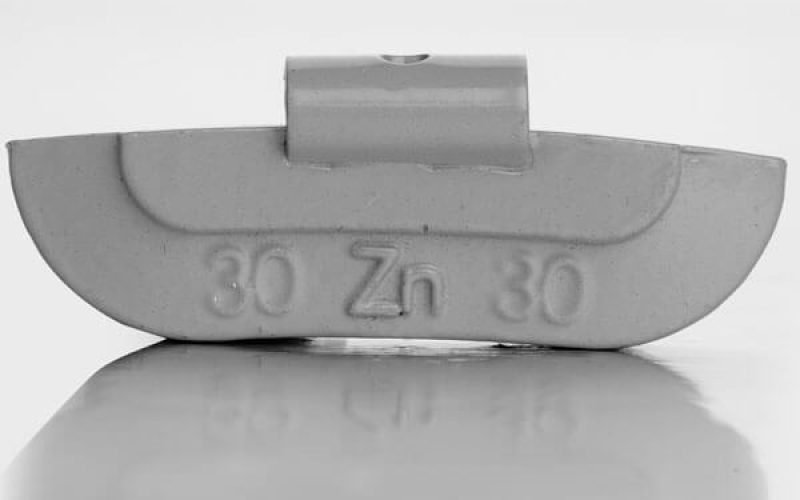
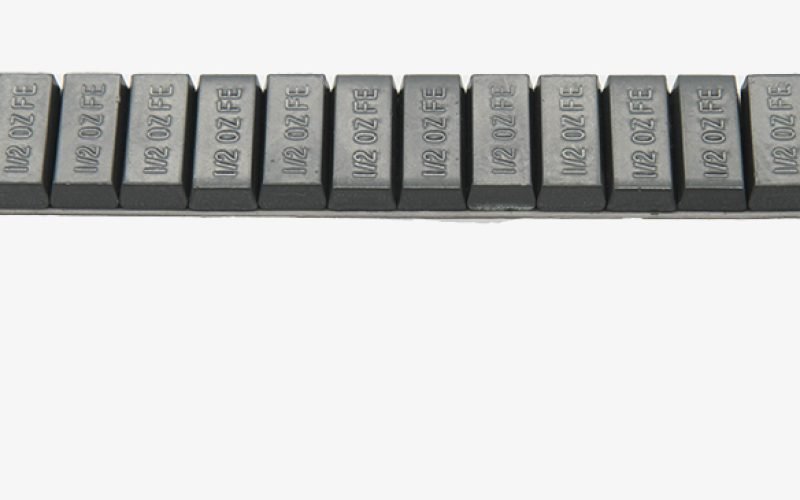
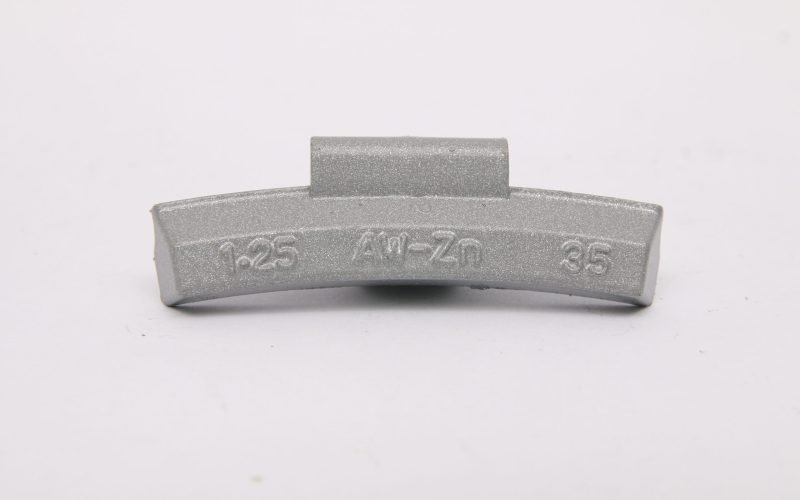
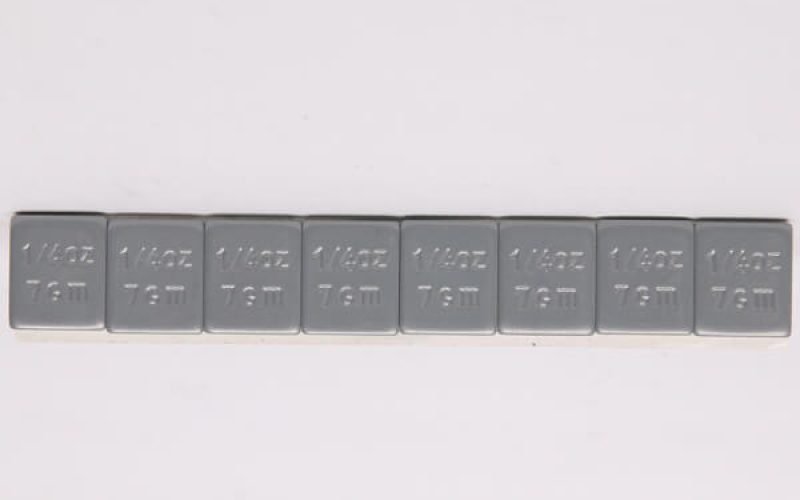
Many companies are now opting for safer wheel ballast materials. Zinc and steel are the most common choices. Zinc is safe and reliable, contributing to tire balance. Steel is strong and durable, commonly used in trucks and large vehicles. Composite materials are also gaining popularity. They are lightweight and environmentally friendly. Lead is still used, but its usage has decreased due to new regulations.
- Lead: Accounts for approximately 36% of the market share, but this is declining.
- Zinc: Increasingly used due to its safety and good performance.
- Steel: Commonly used in large vehicles due to its strength and low cost.
- Composite materials: A newer option, favored for their lightweight and environmental friendliness.
Fortune sells both leaded and lead-free wheel ballast. The company’s products are made from steel and zinc. These products meet local and international standards. Fortune adheres to strict regulations to ensure the safety of people and the environment.
Performance and Cost Comparison
Each material has its advantages. Zinc alloy wheels are lightweight and safe, helping to reduce pollution. Steel wheels are strong and durable, and can be recycled, saving energy and reducing waste. Composite material wheels are lightweight and rust-free, suitable for a variety of vehicle models.
Choosing the right wheel weights is crucial for both safety and legal compliance. Many places have strict regulations regarding leaded products. Using lead-free wheel weights helps avoid fines and ensures people’s safety. Fortune products meet ISO 9001 standards and comply with all relevant laws and regulations. This gives car owners and repair shops peace of mind.
Tip: Choosing the right wheel weights not only protects people’s health but also the environment and helps you comply with the law.
Lead wheel weights are now used less frequently. This is because regulations are stricter, and people are more inclined to choose safer products. Many people are opting for wheel weights made of zinc, steel, or composite materials. These choices help protect people’s health and the environment. Organizations focused on nature and new regulations are driving businesses to use higher-quality materials. Fortune is a trusted brand. They sell high-quality wheel weights that are safe, reliable, and compliant with relevant regulations.
- New regulations and the need to protect the planet are driving the use of lead-free wheel weights.
- Zinc and steel are rust-resistant, helping to reduce pollution.
- Fortune provides safe and legal products for drivers and workers.
FAQ
What are wheel weights used for?
Wheel counterweights help balance the tires, prevent vibration, and make driving smoother. Balanced tires have a longer lifespan and ensure vehicle safety.
Are lead wheel weights legal everywhere?
No. Many countries and some U.S. states have banned or restricted the use of lead wheel ballast. Drivers should check local laws before purchasing or using them.
What materials can replace lead in wheel weights?
Common alternatives include zinc, steel, and composite materials. These materials perform well and do not harm the environment.
Does Fortune offer lead-free wheel weights?
Yes. Fortune supplies both leaded and lead-free wheel weights. Their lead-free products comply with safety and environmental regulations.

 Request a quote