 16Mar
16Mar 


Yes, adhesive wheel weights are effective for balancing tires and reducing wheel vibration. Many new cars now come equipped with adhesive wheel weights because they provide a clean appearance and work well with alloy and high-end wheels. Many new cars now come equipped with adhesive wheel balancers because they have a clean look and work even better with alloy and high-end wheels. After balancing your wheels, you may notice better handling and a smoother ride. Studies have shown that reducing steering wheel vibration helps improve driving confidence. For best results, be sure to clean the wheel surface before applying the balancers.
Key Takeaways
- Adhesive wheel weights are effective for balancing wheels and reducing vibration.
- Adhesive wheel weights help improve ride comfort, handling, and overall driving smoothness.
- Compared with clip-on weights, adhesive wheel weights offer a cleaner look and are especially suitable for alloy wheels.
- Cleaning the wheel surface before installation is essential for strong adhesion and long-lasting performance.
- Regular inspection helps ensure adhesive wheel weights stay secure and keep the wheels properly balanced.
What Are Adhesive Wheel Weights?

Definition and Materials
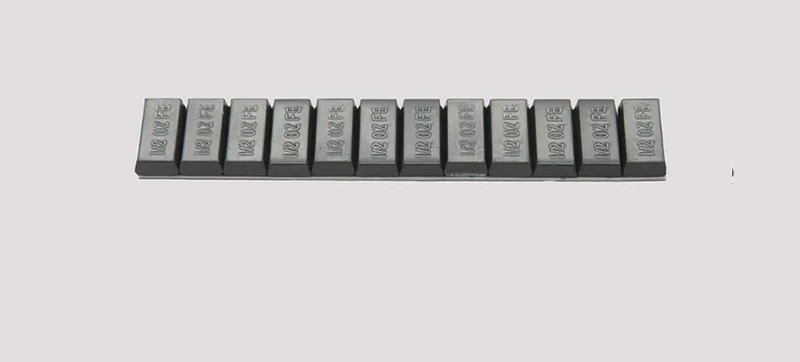
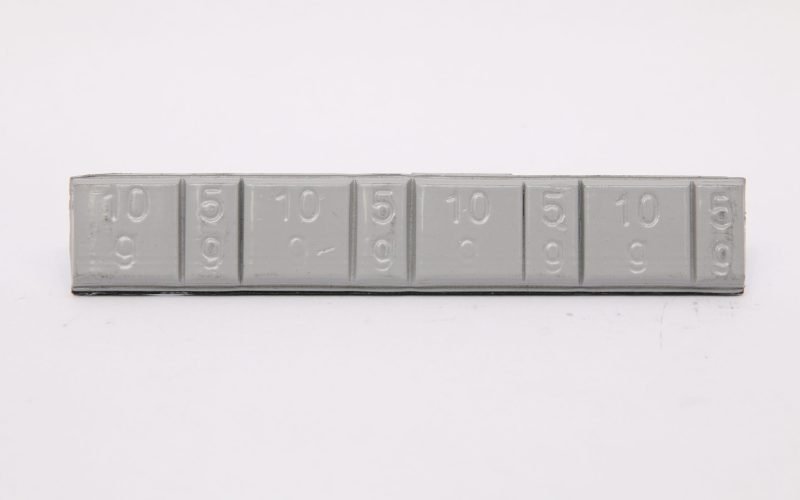
Adhesive wheel weights help balance car wheels. They are attached to the inside of the wheel rim. They reduce vibrations and make the ride smoother. Most adhesive wheel rim weights are very thin and flat, so they are almost invisible.
Manufacturers use different materials to make these weights. Each material has its own advantages. You can see the main types in the table below:
| Material | Density | Corrosion Resistance | Environmental Impact | Cost | Best Application |
|---|---|---|---|---|---|
| Lead | Very High | Good | Poor (Toxic) | Low to Medium | General use (non-regulated areas) |
| Zinc | High | Excellent | Good (Eco-friendly) | Medium | Winter climates, coastal regions |
| Steel | Medium | Fair (unless coated) | Good | Low | Budget repairs, light vehicles |
| Vinyl Coated | Varies | Very Good | Good | Medium to High | Luxury vehicles, alloy wheels |
| Copper | Exceptional | Excellent | Good | High | Marine, performance, specialty use |
How Adhesive Wheel Weights Work
Adhesive wheel weights have strong adhesive on the back. Simply peel off the adhesive and press the weight onto a clean rim. The adhesive will hold the weight firmly in place, even on bumpy roads or in bad weather.
Here are some reasons why adhesive wheel weights perform so well:
- The adhesive side prevents the weight from shifting.
- They function properly in extremely cold or hot weather.
- Water or salt cannot damage the adhesive.
- You can easily remove and reinstall the weight if needed.
These weights are hidden behind the spokes, making your rims look cleaner. They also prevent scratches that can occur with clip-on weights. Using adhesive wheel weights helps improve vehicle handling and maintain the aesthetics of your rims.
Adhesive Wheel Weights vs. Clip-On Weights
Key Differences
Adhesive-on wheel ballast and clip-on wheel ballast are different. Their installation methods affect the wheel’s appearance and performance. The table below provides a comparison:
| Feature | Adhesive Wheel Weights | Clip-On Wheel Weights |
|---|---|---|
| Installation Method | Coated on the inside of the wheel | Installed on the outer edge of the wheel |
| Aesthetic Influence | The appearance is simpler and less conspicuous | More noticeable, which may affect the appearance of the wheels |
| Performance Characteristics | Provides higher accuracy and flexibility | Installation is easier, but it may not be suitable for all wheel rims |
| Compatibility | Suitable for all types of wheels, including alloy wheels | This may not be applicable to all types of wheels |
| Ease of Use | Easy to use, with built-in adhesive | Additional tools may be required during installation |
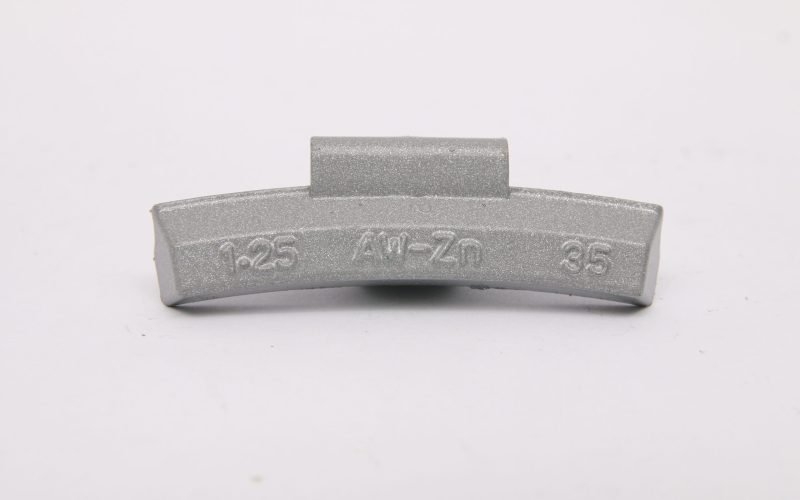
Clamp-on counterweights are attached to the rim with clips and can be secured by gently tapping with a hammer. Adhesive counterweights require cleaning the rim before pasting, and sometimes metal tape is used to enhance adhesion. Different types of counterweights make wheel balancing easier or more difficult, depending on the type of counterweight.
Advantages of Adhesive Wheel Weights
Adhesive wheel weights offer numerous advantages. They enhance the appearance of wheels while ensuring excellent performance. Here are a few reasons to choose them:
- They are concealed behind the wheel, resulting in a smooth and streamlined rim appearance.
- There are no metal clips that detract from the wheel’s style.
- The wheel’s clean and professional appearance is widely appreciated.
- They fit perfectly with custom wheels without compromising their design aesthetics.
Adhesive wheel weights are suitable for various wheel types, such as alloy wheels and high-end wheels. You can place them anywhere you need for perfect balance. This helps improve vehicle handling and provides a smoother ride.
Drawbacks and Limitations
Before choosing adhesive wheel weights, you need to know the following.
These weights may be slightly more expensive. The rims must be thoroughly cleaned before applying. Skipping the cleaning step may result in the weights not adhering properly. Exposure to sunlight for an extended period may damage the vinyl outer layer.
You should ensure the weights remain stable in harsh weather conditions. Sometimes, adhesive rim weights may lose their stickiness in high or low temperatures. In hot weather, the adhesive may soften and detach; in cold weather, it may harden and become loose. Wet surfaces and chemicals can also weaken adhesion. Clip-on weights generally have a longer lifespan, but may rust if not properly treated.
Performance Benefits of Adhesive Wheel Weights
Improved Balance and Handling
You want your car to ride smoothly without wobbling. If your wheels aren’t dynamically balanced, you might feel vibrations in the steering wheel or seat. This is because minute weight differences between the tires and wheels cause vibrations. Adhesive wheel weights solve this problem by ensuring each wheel rotates evenly.
- Tires and wheels may be unbalanced at the factory. This imbalance causes vehicle vibrations.
- Using adhesive wheel balancers helps eliminate these vibrations, making your ride smoother.
- Well-balanced wheels improve vehicle performance and enhance driving comfort.
- You’ll have better control over your vehicle, even on wet or bumpy surfaces.
- Well-balanced wheels make braking and steering easier.
When the wheels are balanced, the vehicle runs more smoothly. You’ll feel safer driving, and passengers will feel more comfortable.
Tip: If the steering wheel vibrates, check the tire balance.
Enhanced Fuel Efficiency
Wheel balancing helps save fuel. Unbalanced wheels cause uneven tire wear. This increases the vehicle’s load, leading to increased fuel consumption. Adhesive wheel weights help ensure even tire wear, thus improving vehicle performance.
- Unbalanced wheels cause vehicle vibration and uneven tire wear.
- Uneven tire wear not only wastes fuel but also accelerates tire aging.
- Wheel balancing effectively solves these problems, thus reducing fuel consumption.
- Adhesive wheel weights are a neat and precise method for balancing wheels, which is especially important for new cars.
Today, more and more people want cars that are both safe and fuel-efficient. This is why more and more people are using adhesive wheel weights. These weights also protect the rims and maintain wheel balance, saving you money.
Aesthetic and Compatibility with Alloy Wheels
You want your car to look outstanding, especially if you’re equipped with alloy or custom wheels. Adhesive wheel weights are extremely thin and can be hidden behind the wheel spokes. This keeps your wheels looking clean, sharp, and stylish.
- These weight plates are suitable for a variety of wheels, including alloy and high-end wheels.
- You can precisely place them where needed for perfect balance without compromising the wheel’s appearance.
- They don’t use metal clips, so they won’t scratch or damage your wheels.
However, there are a few things to note:
| Issue Type | Description |
|---|---|
| Aesthetic and corrosion concerns | Using different types of balance weights can cause water to accumulate and lead to rust, especially for alloy wheels. |
| Adhesive failure | If the wheels are not dynamically balanced, vibrations may weaken the bonded areas, causing the balance weights to fall off. |
| Potential for paint damage | Improper removal of the balance weights may scrape off the clear coat or leave sticky residue, especially on painted or shiny alloy wheels. |
Note: Before installing adhesive wheel weights, be sure to clean the wheel rim. This will ensure the weights adhere better and maintain the rim’s appearance.
Adhesive wheel weight plates offer both style and performance enhancement. They provide a smooth ride, save fuel, and give your wheels a dazzling shine.
Practical Tips for Using Adhesive Wheel Weights
Installation and Cleaning Tips
Before installing adhesive wheel weights, you need to pre-treat your wheel rim. A clean rim helps the weights adhere better and extends their lifespan. Follow these steps for best results:
- Clean the rim surface with a mild detergent and water. Remove dirt and grease.
- Thoroughly dry the area. Moisture can weaken the adhesion.
- Inspect the rim for damage or roughness. Ensure the surface is smooth.
Skipping the cleaning step may result in the weights not adhering firmly. See the table below for common causes of poor adhesion and solutions:
| Causes | Solutions |
|---|---|
| The surface of the wheel is dirty | Thoroughly clean the wheel surface |
| Poor bonding quality | Use high-quality adhesive products |
| Improper installation | Please follow the correct installation steps |
Tip: If you use a dynamic balancing machine and carefully follow the steps below, you can install the adhesive wheel hub balance weights yourself.
Durability and Weather Resistance
Under normal driving conditions, adhesive wheel weights have a lifespan of approximately 3 to 5 years. Their lifespan depends on the effects of road de-icing salt, high temperatures, and low temperatures. Manufacturers have considered extreme temperatures and slippery road conditions when designing these weights. High-strength tape securely holds the weights in place, but they must be installed on a clean surface. Dirt or oil can weaken the adhesion.
Note: After driving in inclement weather, always check the wheel balance weights. If any balance weights are loose, replace them promptly to maintain wheel balance.
Reapplication and Removal
Please note that adhesive wheel weights are for single use only. Once removed, their adhesive backing will lose its strength. Reuse is unreliable. If you need to remove an old weight, try the following methods:
- Heat the residue with a heat gun or hairdryer.
- Soak a towel in glue remover and keep it moist, then cover the residue.
- Gently scrape off the glue using a plastic razor blade or toothbrush.
- Clean the wheel thoroughly to remove all residual glue.
Denatured alcohol is an ideal cleaner. Avoid using acetone on painted surfaces. For best results, always use brand new adhesive wheel weights when replacing them.
Adhesive wheel balance weights help maintain wheel balance. They provide a smoother ride and are especially suitable for new cars. These weights also enhance the appearance of your vehicle. They reduce rim damage and maintain tire balance. The table below lists the main benefits:
| Benefit | Description |
|---|---|
| Compatibility | Suitable for modern wheels and lightweight design |
| Aesthetic appeal | Keep the wheel rims clean and concealed at all times |
| Reduced rim damage | Protect wheel rims from scratches and dents |
| Durability | Remains sturdy even in extreme weather. |
| Improved tire balance | Make your driving safer and more comfortable. |
| Fuel efficiency | Helps reduce your car’s fuel consumption |
| Enhanced safety | Make your car drive smoothly and handle with ease. |
| Aerodynamic efficiency | Reduce air resistance and improve performance |
Before installing the wheel weights, be sure to clean the wheel rims. If you are unsure of the specific steps, please seek assistance from someone knowledgeable about vehicles.
FAQ
Can you use adhesive wheel weights on all types of wheels?
Most wheels (including alloy and steel wheels) can use adhesive weight plates. Ensure the wheel surface is clean and flat. Some wheels with rough or curved surfaces may not be able to hold weight plates well.
How long do adhesive wheel weights last?
Adhesive wheel counterweights typically last 3 to 5 years. Weather, road de-icing agents, and dust can all affect their lifespan. Please check the counterweights regularly, especially after severe weather.
Do adhesive wheel weights fall off easily?
Cleaning the wheel rim before installation will ensure the adhesive balance blocks stay firmly in place. Dust, oil, or moisture may weaken the adhesion. Please follow the correct installation steps.
How do you remove adhesive wheel weights?
You can use a hairdryer to heat the sticker. Peel it off with a plastic scraper. Remove any remaining adhesive with alcohol. Avoid using strong chemicals on painted rims.

 Request a quote