 04Feb
04Feb 

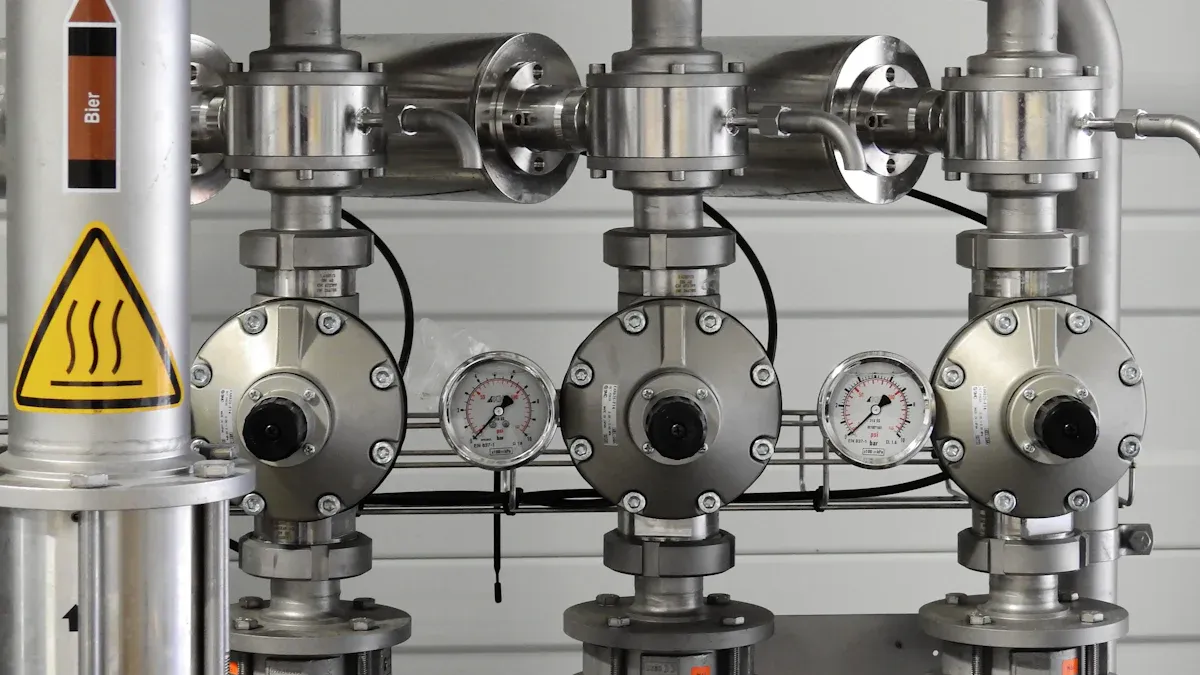
When you look at core valves, you see how they control the movement of liquids or gases in many systems. The valve core sits inside the valve and manages the flow, which is one of the key functions of a valve core. You need to know how different valve core types affect valve functions. Choosing the right valve core helps you improve safety and efficiency. The importance of valves shows up in every part of flow control, from homes to factories.
Different Types of Valve Cores
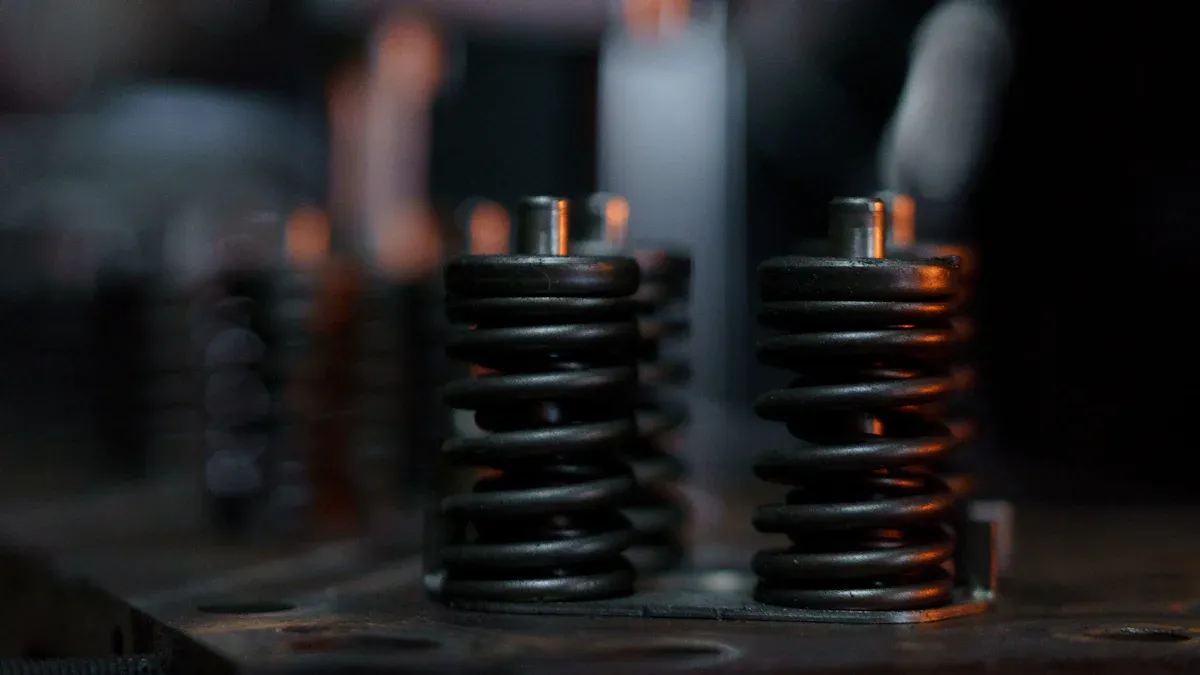
When you look at the different types of valve cores, you see how each design fits a specific purpose. The right choice helps you control flow, pressure, and safety in your system. Here is a table that shows some common valve core types, their features, and where you often find them:
| Valve Type | Distinguishing Features | Common Applications |
|---|---|---|
| Ball Valve | Uses a rotating ball to control flow; handles high-flow; tight sealing. | Oil and gas pipelines, water treatment |
| Globe Valve | Precise flow control with a movable plug; more accurate than ball valves. | HVAC, chemical processing, steam systems |
| Needle Valve | Fine adjustments with a tapered stem; high accuracy in flow control. | Fuel injection, laboratory applications |
| Check Valve | Prevents backflow; operates automatically for one-way flow. | Wastewater management, air conditioning |
| Butterfly Valve | Rotating disk; compact, efficient for large pipes; quick operation. | Food and beverage, power generation |
Ball Valve Core Types
You often choose a ball valve when you need to control high flow with a simple turn. Ball valves use a round ball with a hole through the middle. When you turn the handle, the ball rotates to open or close the flow. This design gives you a tight seal and quick operation.
- Ball valves work well in oil and gas pipelines, water treatment plants, and chemical processing. You can rely on them for their strength and efficiency.
- O-type ball valves have a spherical core that opens quickly and cleans itself. This makes them great for fluids that may carry dirt or debris.
- V-type ball valves use a V-shaped core. This shape cuts through fibrous materials and helps prevent blockages. You often see these in systems where clogging is a risk.
Tip: If you need a valve for high-flow or dirty fluids, a ball valve with an O-type or V-type core can help you avoid problems and keep your system running smoothly.
Gate Valve Core Types
Gate valves give you a way to start or stop flow with a simple up-and-down motion. You use a flat or wedge-shaped gate that moves between two seats. When you lift the gate, fluid flows freely. When you lower it, the flow stops.
You find gate valves in many industries because they handle high pressure and temperature. The material you choose for the core affects how well the valve works. Here is a table that shows some common materials and their impact:
| Material | Advantages | Disadvantages |
|---|---|---|
| Stainless Steel | Durable, resists corrosion, handles high heat | Costs more than other materials |
| Carbon Steel (WCB) | Strong, affordable, works with many fluids | Can rust in some environments |
| Cast Iron | Strong, low cost for non-corrosive fluids | Not for corrosive or high-temperature uses |
| Alloy Steel | Handles high pressure and temperature | Heavy, expensive, needs more maintenance |
| Bronze | Good for marine use, resists corrosion | Higher cost, used in special industries |
| Brass | Resists corrosion, low cost for plumbing | Not for very corrosive environments |
| Copper-Nickel | Great for seawater | Limited by temperature, higher cost |
You see gate valves in oil and gas, chemical plants, water treatment, mining, and marine systems. You pick the material based on what you need—like handling saltwater, high pressure, or chemicals.
Globe Valve Core Types
Globe valves help you control flow with great accuracy. You use a movable plug, called a disc, that presses against a seat. This design lets you make fine adjustments to the flow.
- Globe valves give you precise control, which is important in HVAC, chemical processing, and steam systems.
- You get reliable leak prevention because the disc and seat seal tightly.
- You can use globe valves in many places, from factories to homes.
- Maintenance is easy. You can reach the inside parts quickly, so repairs do not take long.
Note: If you need to adjust flow often or want to prevent leaks, a globe valve gives you the control and safety you need.
You now know the main differences between these common types of valves. Each type has a special design that fits certain jobs. When you understand the different types of valve cores, you can choose the best one for your system.
Check Valve Core Types
You use check valves when you want to control the direction of fluid flow. These valves let fluid move in one direction and stop it from going backward. This feature helps you protect your system by preventing backflow. You find check valves in many industries because they keep water, gas, or chemicals moving safely.
You see several common valve core types in check valves. Each type works in a special way to block reverse flow:
- Swing check valves have a hinged disc. The disc swings open when fluid moves forward. It closes quickly if fluid tries to go backward.
- Ball check valves use a round ball. The ball moves away from the seat when fluid flows forward. It returns to the seat and blocks the flow if fluid reverses.
- Diaphragm check valves use a soft rubber diaphragm. The diaphragm bends to let fluid pass. It seals tightly when fluid tries to move in the wrong direction.
You choose the right check valve core type based on your system’s needs. Swing check valves work well in water and wastewater systems. Ball check valves fit in places with dirty or thick fluids. Diaphragm check valves handle chemicals and gases. You see these types in plumbing, HVAC, and industrial plants. When you select the right core, you improve safety and reliability by preventing backflow.
Tip: Always check the flow direction before installing a check valve. This step helps you avoid leaks and system damage.
Needle Valve Core Types
Needle valves give you precise control over fluid flow. You use them when you need to adjust flow rates very carefully. The core of a needle valve has a long, tapered needle. This needle moves in and out of a small seat, letting you change the flow with tiny movements.
You find needle valves in many laboratory and industrial settings. Here are some typical applications:
- Instrumentation and measurement: You use needle valves in pressure gauges and flow meters. These valves help you get accurate readings.
- Medical and laboratory equipment: Needle valves let you make fine adjustments in medical devices and testing systems.
- Laboratory equipment: You see needle valves in chromatography systems, spectrometers, and gas analyzers. These valves control fluids with high precision.
- Hydraulic and pneumatic systems: Needle valves help you control fluid and gas flow. They keep actuators moving smoothly and accurately.
You pick needle valves when you need accuracy and reliability. These valves work well with gases and liquids. You see them in fuel lines, chemical labs, and control panels. Needle valves belong to the group of common types of valves used for fine flow control.
Note: If you need to measure or adjust flow in small amounts, a needle valve gives you the control you want.
Diaphragm Valve Core Types
Diaphragm valves use a flexible diaphragm to control flow. You see these valves in places where you need chemical resistance and clean operation. The diaphragm moves up and down to open or close the valve. This design keeps fluids away from moving parts, which helps prevent contamination.
You find different types of valve cores in diaphragm valves. Each type fits a special job. Here is a table that shows how these types work and why they resist chemicals:
| Diaphragm Valve Type | Key Features | Chemical Resistance Contribution |
|---|---|---|
| Weir Diaphragm Valves | Regulate and throttle flow, ideal for low flow rates | Enhanced durability and compatibility with various chemicals |
| Sanitary Diaphragm Valves | Engineered for ultra-pure fluid service, FDA-compliant materials | Resists bacterial growth and surface contamination, ensuring integrity in harsh environments |
| Biotech Diaphragm Valves | Precise handling of biological fluids | Ensures contamination-free transfer of sensitive media |
| Process Valves | Regulate, isolate, or throttle fluid flow | Operate reliably in corrosive or abrasive environments |
You use diaphragm valves in chemical plants, food processing, and biotech labs. These valves handle acids, bases, and other harsh fluids. You see them in places where cleanliness and chemical resistance matter most. Diaphragm valves belong to the group of common valve core types that protect your system from damage and contamination.
Callout: Diaphragm valves help you keep your process safe and clean. You can trust them in tough environments.
Plug Valve Core Types
Plug valves use a cylindrical or tapered plug to control the flow of liquids or gases. You often see these valves in pipelines where you need a quick shutoff and reliable sealing. The core of a plug valve rotates inside the valve body, opening or closing the passage as needed.
You can choose from several plug valve core types, each designed for different sealing needs:
- Lubricated Plug Valves: These use a lubricant to reduce friction between the plug and the valve body. You find them in systems that handle dirty or sticky fluids.
- Non-Lubricated Plug Valves: These use a sleeve, often made from PTFE, to create a seal. You use these when you want low maintenance and clean operation.
- Twin Seal Plug Valves: These stand out for their advanced sealing performance. The construction uses stainless steel and high alloys, which lets you handle a wide range of temperatures and pressures. Twin seal plug valves have two packing seals above and below the valve port. This design gives you extra protection against leaks. If one seal fails, the other keeps your system safe.
The type of seal in a plug valve core also matters. Metal-to-metal seals work best for high temperature and pressure. Soft seals, like PTFE or rubber, give you zero leakage in low temperature and pressure situations. You can rely on plug valves in oil and gas, chemical processing, and water treatment plants.
Tip: When you need a valve that can handle tough conditions and provide excellent sealing, consider a twin seal plug valve. The extra seals help prevent leaks, even in demanding environments.
Butterfly Valve Core Types
Butterfly valves use a rotating disk to control flow. You often pick these valves for large diameter pipelines because they offer fast shutoff and take up little space. The core of a butterfly valve sits in the center of the pipe and turns to open or close the passage.
You can choose from different butterfly valve core types, each with unique features:
| Core Type | Design Principle | Advantages |
|---|---|---|
| Double Offset | The stem is offset from the center, which reduces friction and makes the seal last longer. | Lower operating torque, longer seat life, flexible sealing options. |
| Triple Offset | The disk and seat form a conical shape, which means the seal does not rub as it closes. | Metal-to-metal seal, bi-directional zero leakage, ideal for high-temperature and high-pressure applications. |
Double offset butterfly valves work well when you want less wear and longer life. Triple offset butterfly valves give you a tight seal, even in high-stress environments. You see these valves in power plants, water distribution, and chemical processing.
Note: If you need a valve for quick shutoff in a big pipeline, a butterfly valve with a double or triple offset core gives you speed and reliability.
Schrader and Presta Valve Cores
You find Schrader and Presta valve cores in many types of valves used for inflating tires. These two core types look different and work in different ways. You need to know which one fits your application.
- Schrader Core: This core is wider and uses a spring-loaded pin. You see it on car tires, mountain bikes, hybrid bikes, and children’s bikes. Schrader cores handle lower pressure, usually between 20 and 60 psi.
- Presta Core: This core is slimmer and uses a threaded valve stem. You find it on road bikes. Presta cores handle high pressure, often over 100 psi.
Here is a table that shows the main differences:
| Valve Type | Pressure Handling | Typical Application |
|---|---|---|
| Presta | High pressure (over 100 psi) | Road bikes |
| Schrader | Lower pressure (20-60 psi) | Mountain bikes, hybrid bikes, children’s bikes |
You choose a Schrader core when you need a sturdy valve for lower pressure. You pick a Presta core for high-pressure applications, like road bike tires. Both types are common types of valves in the cycling world.
Callout: Always check which valve core your tire uses before you inflate it. Using the wrong pump or adapter can damage the valve.
Applications of Core Valves in Flow Control
Industrial Systems
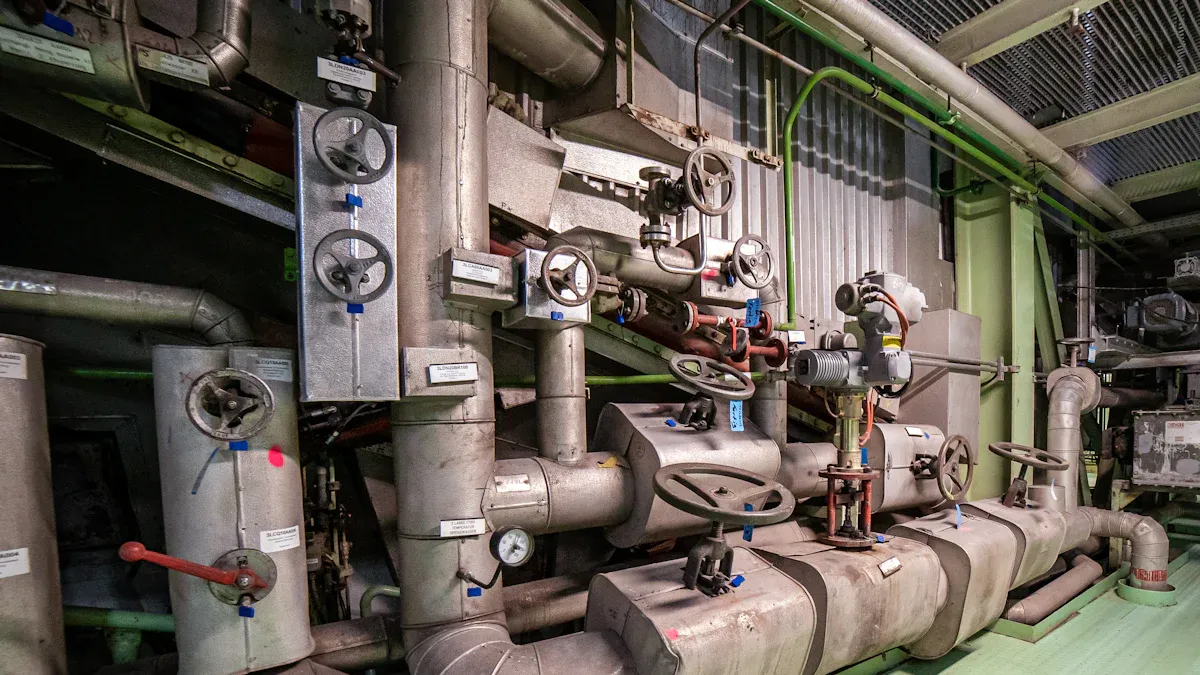
You see core valves play a vital role in many industrial applications. These valves help you manage fluid and gas flow in complex systems. You rely on different valve core types to handle high pressures, temperatures, and corrosive fluids. Here are some of the most common uses:
- In the petrochemical industry, you use core valves to control the flow of chemicals in reactors and pipelines.
- In power plants, you depend on valve cores to manage steam and cooling water, which keeps energy production safe and efficient.
- Water treatment plants use valve cores to regulate water flow, ensuring clean and reliable water for communities.
- Food and pharmaceutical factories need precise flow control to keep fluids sterile and safe during production.
- Renewable energy systems, such as solar or hydrogen plants, use valve cores for fluid control in their processes.
You improve efficiency and safety in these systems by choosing the right valve core. For example, control valves in oil and gas prevent overpressure and keep flow rates steady. In chemical processing, valve cores help you avoid leaks and maintain accurate flow, which protects both workers and equipment. These are key functions of a valve core in industrial systems.
Residential Plumbing
In your home, valve cores help you control water flow in pipes, faucets, and appliances. You use them to turn water on and off, adjust pressure, and prevent leaks. The right valve core type ensures your plumbing works smoothly and safely. You might find ball valves under your sink or check valves in your water heater. Each valve core supports different valve functions, making sure water flows only where you want it.
HVAC Flow Control
You depend on core valves to keep your heating and cooling systems running well. These valves regulate fluid flow and pressure, which helps you maintain the right temperature in your home or building.
- Flow control valves limit water flow in hydronic heating systems, making sure each room gets the right amount of heat.
- Thermostatic expansion valves adjust the flow of refrigerant based on temperature changes, which is crucial for both heating and cooling.
- Globe valves give you precise flow control, letting you fine-tune water or steam flow for better temperature management.
You see that the operation of these valves is sensitive to temperature. They open and close as needed, helping you save energy and stay comfortable. The right valve core type in your HVAC system ensures efficient and reliable performance.
Automotive Valve Core Uses
You see valve cores in many parts of your car. They help you keep your vehicle safe and running well. Tire valves use special cores to hold air inside the tires. When you check the tire pressure, you press on the valve core to let air in or out. Schrader valve cores are common in car tires. They use a spring-loaded pin to seal the air.
Engine systems also rely on valve cores. You find them in fuel injection systems. Needle valve cores control the flow of fuel into the engine. This helps your car run smoothly and use fuel efficiently. Air conditioning systems in cars use valve cores to manage refrigerant flow. These cores keep the system sealed and prevent leaks.
Brake systems need valve cores for hydraulic control. The cores help you keep the right pressure in the brake lines. This makes sure your car stops safely. You also see valve cores in emission control systems. They help manage gases and keep your car within safety standards.
Valve cores have many uses in automotive systems. They help you control air, fuel, and fluids. You depend on them for safety, comfort, and performance every time you drive.
Specialty Applications in Chemical and Food Processing
You need special valve cores in chemical and food processing to keep products safe and clean. These industries demand strict hygiene and precise control. Solenoid valves play a key role in these settings.
- Solenoid valves give you precise control over fluid flow. You use them to manage ingredients and cleaning solutions. This helps you prevent contamination in food processing.
- The quick and accurate operation of solenoid valves is important in high-speed production. You reduce the risk of contamination when you use these valves.
Mixproof valves also protect your products. They create a sterile barrier between different media streams. This stops cross-contamination and keeps food safe.
- Mixproof valves withstand frequent autoclaving. You rely on them for consistent performance in food processing environments.
- These valves help you maintain safety and hygiene, even in tough conditions.
You see valve cores in many industrial applications. They help you meet strict standards for cleanliness and safety. When you choose the right valve core, you protect your products and your customers.
How to Choose the Right Valve Core
Material Compatibility for Valve Cores
When you start valve selection, you need to think about the material. The best valve core material depends on what kind of fluid or gas flow you have. If you work with corrosive fluids, you must look at several factors:
- Alloy composition of the valve core
- Resistance to different types of corrosion
- Operational conditions like temperature and chemical exposure
- Specifics such as pH, chloride concentration, and oxidizing agents
- Presence of crevices in the valve design
You want a valve core that forms a protective oxide layer. Stainless steel, for example, uses chromium-nickel-molybdenum alloys to create a passive film. This film acts as a barrier and keeps corrosive agents away from the metal. You should also check records of corrosion and valve life in similar systems. Good experience in valve material selection helps you avoid problems later.
Tip: Always match the valve core material to your fluid and operating environment for long-lasting performance.
Pressure and Temperature Ratings
Selecting the right valve means you must know the pressure and temperature ratings. These ratings tell you the highest limits your valve core can handle. If you use a valve in high-stress applications, you need to make sure it will not fail. Pressure ratings can change with temperature. For example, a valve that works at high pressure in cool conditions may not handle the same pressure when it gets hot. You must understand how temperature affects pressure ratings. This step is key for safe and reliable valve selection.
Flow Control Requirements
You need to think about how you want to control the flow. Different valve core types help you meet different flow control needs:
- Equal percentage valves give you precise flow control. They work well for throttling.
- Linear valves provide steady control. The valve stroke matches the valve travel, which is good for consistent flow.
- Quick opening valves let you make fast changes. A small movement opens the valve wide, which is useful when you need rapid flow changes.
If you need pressure regulation or want to use a solenoid valve for automatic control, you must match the valve core to your system’s needs. Solenoid and control valves help you manage fluid and gas flow in many settings. By selecting the right valve, you keep your system safe and efficient.
Cost and Budget Considerations
When you choose a valve core for your system, you need to think about cost and budget. The price of a valve depends on its type, how complex it is, and if it needs special features. Simple valves cost less because they use fewer materials and have basic parts. Complex valves, like those with solenoid or automation features, cost more because they need special materials and extra components.
Here is a table to help you compare the costs:
| Valve Type | Construction Cost | Special Requirements | Automation Costs | Total Cost Impact |
|---|---|---|---|---|
| Simple Valves | Lower | Fewer materials | Minimal | Lower |
| Complex Valves | Higher | Specialized materials | Significant | Higher |
| Manual Operation | Lower | Standard components | None | Lower |
| Automatic Operation | Higher | Specialized actuators | Significant | Higher |
If you work on a large project, you must balance your budget with your system’s needs. Manual valves save money but may not offer the control you want. Automatic valves, such as those using a solenoid, give you better control and faster response. However, they increase your costs. You should also consider the cost of pressure regulation. Some systems need precise control, which can raise your budget. Always look for the best valve core material to avoid extra costs from repairs or replacements.
Tip: Plan your budget by thinking about both the initial cost and the long-term savings from reliable and efficient valve cores.
Maintenance and Durability Factors
You want your valve cores to last a long time and work well. To do this, you need to pay attention to several important factors:
- Thermal limits matter. Always use valves within their temperature and pressure ratings. If you go beyond these limits, you risk damaging the valve and shortening its life.
- Material compatibility is key. Choose the best valve core material for your fluid. If the material does not resist the chemicals in your system, the valve may fail early.
- Good maintenance practices help your valves last longer. Check the packing gland, keep air clean for pneumatic actuators, and make sure you lubricate and clean the valves as needed.
- Installation techniques affect how long your valves last. Install valves correctly and avoid common mistakes to get the best performance.
If you use a solenoid valve, you should check the solenoid regularly. Dust or dirt can affect how the solenoid works. Clean and inspect the solenoid to keep your system running smoothly. When you follow these steps, you help your valves handle pressure regulation and keep your system safe.
Note: Regular checks and proper care can prevent most valve problems and help you avoid costly downtime.
Benefits and Drawbacks of Valve Core Types
Ball Valve Core: Pros and Cons
When you choose a ball valve, you get a valve core that is strong and dependable. Ball valves use a simple 90-degree turn to open or close, which makes them easy to use. You often see these in industrial settings because they handle high pressures and temperatures well. The valve core inside gives you a tight seal, so you do not have to worry about leaks.
Pros:
- Quick and easy operation with a simple turn.
- Tight sealing with minimal leakage, which keeps your system safe.
- Long service life because there are fewer moving parts.
- Works with many fluids and comes in different sizes and materials.
- Low pressure drop when fully open, so your system runs efficiently.
Cons:
- Not the best for throttling or precise flow control. If you try to use it this way, the valve core can wear out faster.
- Not suitable for slurry or dirty fluids, as the core can clog or wear down.
- In some high-pressure systems, you may need a different type of valve for better performance.
Tip: Use a ball valve when you need fast shutoff and reliable sealing, but pick another type if you need fine flow control.
Gate Valve Core: Pros and Cons
Gate valves give you a way to start or stop flow with a simple up-and-down motion. The valve core moves between two seats, letting you control large flows with little resistance. You often use gate valves in water, oil, or gas pipelines.
| Gate Valve Type | Reliability Considerations | Maintenance Requirements |
|---|---|---|
| Rising Stem | Good for high viscosity or pressure applications. | Needs regular checks for frequent use. |
| Non-Rising Stem | Works well in high temperatures and with sediment. | Less frequent maintenance, easier to operate. |
Pros:
- Lets you control large flows with low pressure drop.
- Simple design makes it easy to repair and maintain.
- Works well in many industrial systems, including check valve setups.
Cons:
- Not ideal for throttling, as the valve core can wear out.
- Needs more space to operate because of the rising stem.
- Can be slower to open or close compared to a solenoid valve.
Note: Choose a gate valve when you need full open or closed positions, but look for other options if you need fast or precise control.
Globe Valve Core: Pros and Cons
Globe valves help you control flow with accuracy. The valve core moves up and down, pressing against a seat to adjust flow. You often use globe valves in systems where you need to fine-tune flow rates, such as in solenoid or core valves for HVAC and chemical processing.
| Trade-off Aspect | Description |
|---|---|
| Higher pressure drop | Globe valves create more resistance, leading to increased pressure drop. |
| Limited flow capacity | Smaller flow capacity compared to gate or ball valves. |
| Slower to operate | Needs more turns or force to open or close, making operation slower. |
Pros:
- Excellent for precise flow control and throttling.
- Reliable shutoff, which helps prevent leaks.
- Easy to maintain and repair.
Cons:
- Higher pressure drop, which can reduce system efficiency.
- Limited flow capacity, so not ideal for large volumes.
- Slower operation compared to other valve types.
Callout: Use a globe valve when you need accuracy and control, but remember it may slow down your system if you need high flow rates.
Check Valve Core: Pros and Cons
When you use a check valve, you make sure that fluid flows in only one direction. This type of valve core helps you protect your system from backflow. You often see check valves in water, gas, and chemical systems. They work automatically, so you do not need to control them by hand.
Pros:
- Prevents backflow, which keeps your system safe.
- Works without manual control, saving you time.
- Simple design means fewer parts to maintain.
- Handles many types of fluids, including water and chemicals.
Cons:
- May not seal well if debris gets inside the valve core.
- Can cause a pressure drop in your system.
- Sometimes makes noise when closing quickly.
Note: You should always install a check valve in the correct direction. This step helps you avoid leaks and keeps your system running smoothly.
You often use check valves with ball valve and gate valve systems. These combinations help you control flow and prevent problems in pipelines.
Needle Valve Core: Pros and Cons
Needle valves give you very fine control over fluid flow. You use a needle-shaped valve core to adjust the flow in small steps. This makes needle valves perfect for measuring and laboratory work. You also see them in fuel systems and solenoid control setups.
Pros:
- Allows precise flow adjustments.
- Works well for low flow rates.
- Good for measuring and testing equipment.
- Easy to use with solenoid systems for automatic control.
However, needle valve cores have some limits, especially in high-pressure systems. The table below shows these limitations:
| Limitation | Description |
|---|---|
| High flow rate systems | Not suitable for high flow rate systems. |
| Pressure drop | Higher pressure drop compared to straight-through valves. |
| Isolation in large systems | Not typically used for isolation in large systems. |
You should pick a needle valve when you need accuracy, not when you need to move a lot of fluid quickly. If you need to isolate large systems, a ball valve or gate valve works better.
Diaphragm and Plug Valve Core: Pros and Cons
Diaphragm and plug valves help you solve special problems in process industries. You use a diaphragm valve core when you need a clean, leak-free system. Plug valves give you simple control in low-pressure systems. Both types work well with solenoid controls for fast and easy actuation.
Here is a table that shows how these valve core types help you in different applications:
| Valve Type | Key Features | Applications |
|---|---|---|
| Diaphragm Valve | Rapid shutoff, precise actuation, high cycle life, packless design, better drainability, minimizes dead legs | High purity applications, biopharmaceuticals |
| Plug Valve | Straightforward actuation mechanism, utility for low-pressure throttling | Low-pressure applications |
Diaphragm Valve Pros:
- Keeps fluids away from moving parts, which reduces contamination.
- Offers quick shutoff and long service life.
- Works well in high-purity and biopharmaceutical settings.
Plug Valve Pros:
- Simple to operate and maintain.
- Good for low-pressure throttling.
- Works well with solenoid actuators for fast control.
Tip: Choose a diaphragm valve core for clean, sterile systems. Use a plug valve core when you need easy control in low-pressure lines.
Butterfly and Specialty Valve Core: Pros and Cons
When you work with large-scale systems, you often choose butterfly valves for their unique features. Butterfly valve cores use a rotating disk to control flow. You get a compact and lightweight design, which makes installation easier. You can operate these valves quickly, so you save time during maintenance. Butterfly valves also offer cost-effectiveness, which helps you manage your budget.
Here is a table that shows the main advantages and disadvantages of butterfly valves:
| Advantages of Butterfly Valves | Disadvantages of Butterfly Valves |
|---|---|
| Compact and Lightweight Design | Throttling Limitations |
| Cost-Effectiveness | Seal Wear and Tear |
| Quick Operation | Limited High-Pressure Applications |
| Versatility and Flexibility | Susceptibility to Particulates |
| Low Pressure Drop | Restricted Temperature Range |
| Easy Installation and Maintenance | Manual Operation Strain |
| Good Sealing Capabilities | N/A |
You see that butterfly valves work well in systems where space and weight matter. You can use them for water distribution, HVAC, and chemical processing. The low pressure drop helps your system run efficiently. However, you should know that butterfly valves have some limits. Throttling is not always precise, and seals can wear out over time. If you use them in high-pressure or high-temperature settings, you may need to check the valve core more often.
Specialty valve cores, such as solenoid valves, give you extra control in automated systems. You use solenoid valves when you want fast and accurate actuation. These valves respond to electrical signals, so you can manage flow remotely. Solenoid valve cores work well in applications that need quick shutoff or precise dosing. You find them in food processing, chemical plants, and laboratory equipment.
Tip: Choose butterfly valves for easy installation and low maintenance in large pipelines. Use solenoid valves when you need automation and rapid response in your system.
You should always match the valve core type to your system’s needs. This helps you get the best performance and reliability.
You play a key role in keeping your systems safe and efficient when you understand the importance of valves and how each valve core works. The right valve core helps you achieve better flow control and extends the life of your equipment. If you want the best results, consult experts like Fortune. They can guide you in choosing the right core valves for your needs.
Remember: Careful valve core selection protects your system and supports long-term performance.
FAQ
What is the main function of a valve core?
You use a valve core to control the flow of liquids or gases. The core opens or closes the passage inside the valve. This action lets you start, stop, or adjust the flow in your system.
How do you choose the right valve core material?
You should match the valve core material to the fluid or gas in your system. For example, stainless steel resists corrosion from chemicals. Brass works well for water. Always check the compatibility chart for your application.
How often should you inspect or replace valve cores?
You should inspect valve cores during regular maintenance. If you see leaks, corrosion, or wear, replace the core right away. In high-use systems, check every six months for best results.
Can you use the same valve core for different fluids?
No, you cannot use the same valve core for all fluids. Each fluid may react differently with the core material. Always select a valve core designed for the specific fluid or gas in your system.
Why does valve core selection affect system safety?
Valve core selection affects safety because the wrong core can leak or fail. If you pick the right core, you prevent accidents, protect equipment, and keep your system running smoothly.

 Request a quote