What is the difference between rubber and metal tire valves?
 20Mar
20Mar 

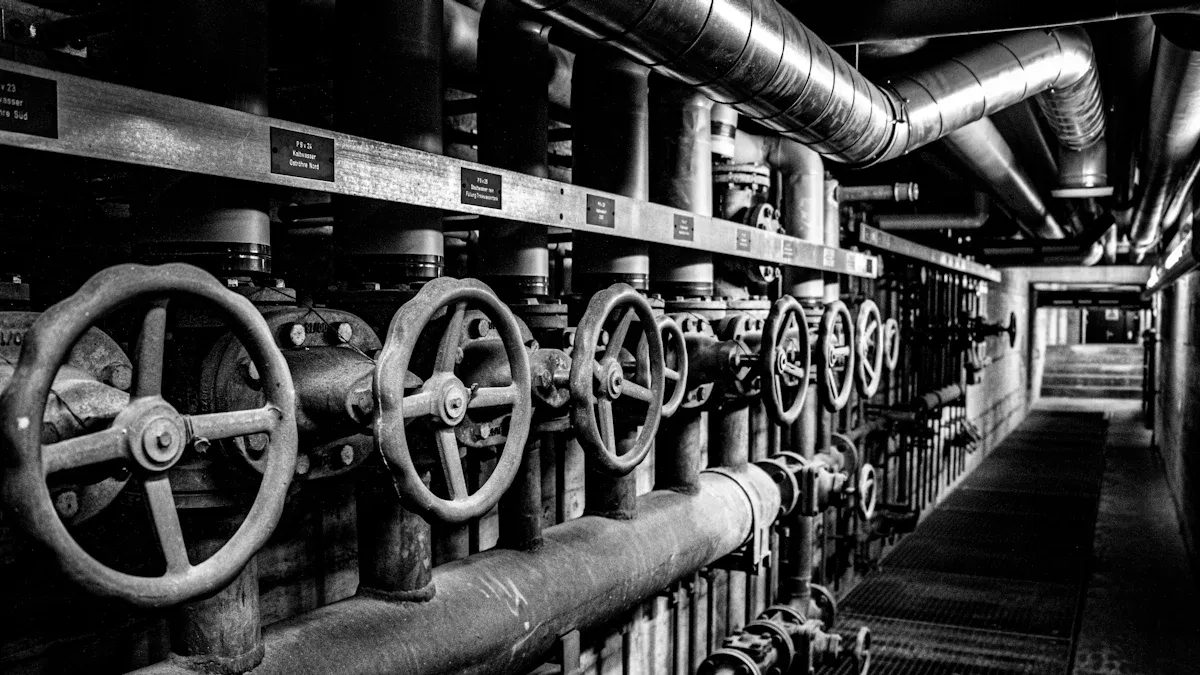
You depend on core valves to keep your systems running smoothly. A high-quality valve gives you precise control over flow and pressure. You can trust control valves to respond quickly and adjust as needed. This reliability helps you avoid leaks and costly downtime. When you choose the right valve, you protect your process and enhance industrial efficiency. A strong valve design supports safety and long-term savings. Every valve in your operation plays a role in keeping equipment safe and efficient.
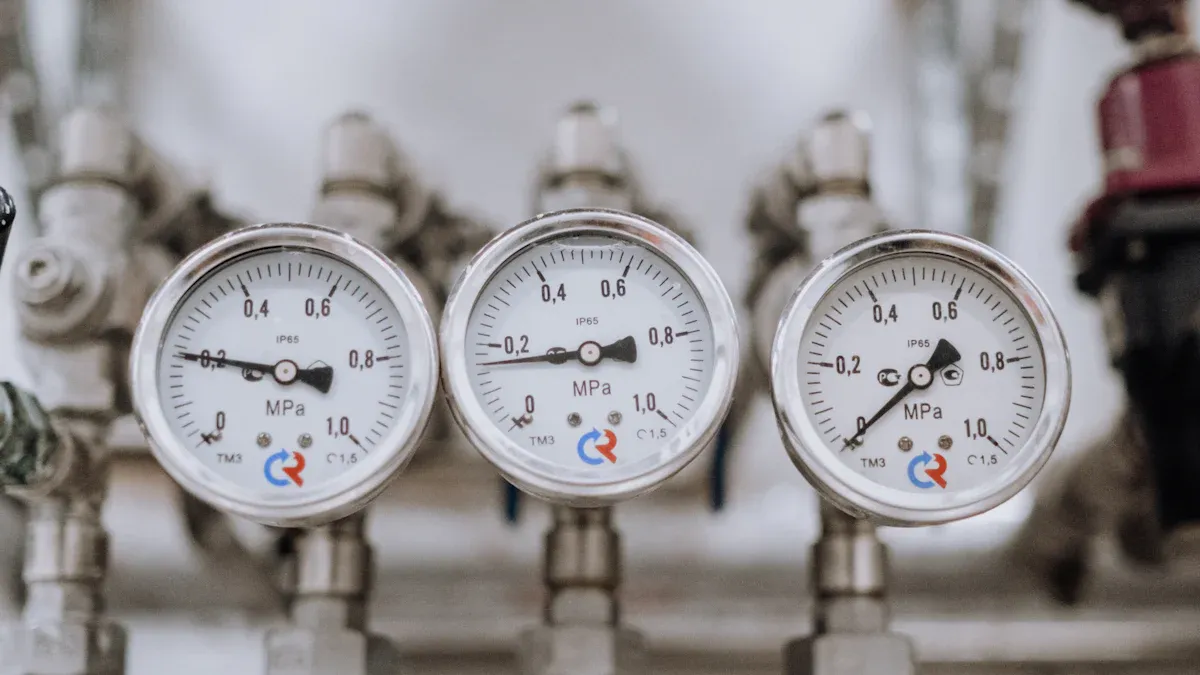
You need accurate flow control to keep your industrial systems safe and efficient. Control valves help you manage fluid flow with precision. You can choose from several types of valve designs, each offering unique benefits for flow regulation. The table below shows common flow regulation mechanisms used in core valves for industrial engineering:
| Type of Valve | Description |
|---|---|
| Globe Valves | Excellent for throttling; they provide precise control of flow through linear motion. |
| Diaphragm Valves | Utilize a flexible disk to create a seal, suitable for various applications. |
| Needle Valves | Offer precise flow control with a tapered plunger, ideal for small pipes and high-temperature applications. |
| Pressure-compensated | Adjust automatically to changes in system pressure, enhancing flow rate control. |
| Flow Regulators | Maintain a steady flow rate despite pressure variations. |
| Bypass Regulators | Allow for flow diversion while maintaining system pressure. |
| Demand-compensated | Adjust flow based on demand, optimizing system efficiency. |
| Variable Flow Valves | Change flow based on pressure or temperature adjustments. |
You often see these valves in industries like oil and gas, water treatment, pharmaceutical manufacturing, and food processing. Control valves use precise control technology to keep fluid flow steady, even when conditions change. This accuracy protects your equipment and ensures product quality.
Fast response time is a key function of control valves. When you need to change fluid flow quickly, high-performance actuators help you get the job done. These actuators move the valve to the right position in seconds. You can adjust the valve opening to match your process needs. This adjustability gives you more control over fluid flow and pressure control.
Tip: Quick response and easy adjustability help you avoid sudden pressure spikes and keep your system running smoothly.
The table below explains how adjustability in control valves improves process optimization in manufacturing plants:
| Evidence Description | Key Findings |
|---|---|
| Optimized spool shows better equal percentage characteristics under the opening range of 50% to 100%. | Improved flow control accuracy in heating networks lacking flow feedback. |
| Controlling the proportion of the slender part in the core opening shape can increase the opening range of the control valve. | Enhances flow control accuracy and reduces energy consumption in practical applications. |
| The optimized valve core has a larger opening variation range. | Higher adjustment accuracy for the same flow rate, leading to more precise flow regulation. |
You can see that precise control technology in control valves leads to better results. You use less energy and get more accurate fluid flow. High-performance actuators make these adjustments possible, giving you the flexibility to meet changing demands.
When you use core valves with advanced precise control technology, you improve your entire process. You can fine-tune fluid flow and pressure control to match your production goals. This level of control helps you reduce waste, save energy, and boost product quality.
Control valves play a big role in process optimization. They help you respond to changes in demand and keep your system stable. You can trust these valves to deliver reliable performance in any industrial setting.
You want your industrial systems to run safely and efficiently. Advanced sealing technologies in control valves help you achieve this goal. These technologies use special packing systems and improved designs to stop leaks before they start. When you use a valve with a low-emission packing system, you keep fluids and gases inside the pipeline. This protects your equipment and the environment.
Some valves, like ORBIT Low-E valves, have passed ISO 15848-1 type testing. These valves reach the highest tightness class rating (AH) at different temperatures. This shows you can trust them to keep your system sealed. In tests, optimized packing stayed leak-free after 1000 cycles of operation. This means you get a valve that works well even after many uses.
In chemical processing plants, advanced sealing technologies do more than just stop leaks. They prevent contamination and keep dangerous chemicals contained. This protects workers from exposure and keeps your manufacturing system safe. You also improve operational efficiency because your system stays intact and reliable.
You spend less time and money on maintenance when you use valves with advanced sealing features. These valves last longer because their seals do not wear out quickly. You do not need to replace parts as often, which means fewer shutdowns and lower costs.
When you choose core valve technology with advanced seals, you make your job easier. You can focus on other tasks instead of worrying about leaks or breakdowns. This helps you keep your plant running smoothly and safely.
Note: Regular inspection is still important, but advanced sealing reduces the need for constant attention.
You can see the benefits of advanced sealing technologies in real-world cases. One gate valve manufacturer improved their product to meet API 6A PR2F and ISO 15848 standards. This new sealing configuration allowed the valve to handle high pressure and control fugitive emissions. Since they made these changes, the company has reported zero field failures.
These examples show that core valves with advanced sealing features deliver reliable results. You can trust them in critical applications where safety and performance matter most. When you use control valves with proven sealing technology, you protect your process, your workers, and your bottom line.
You need to choose the right material for your valve to prevent corrosion. Corrosion can damage your system and cause leaks. Stainless steel stands out because it forms a protective layer that blocks rust and chemical attacks. This makes it a top choice for marine and chemical environments. Inconel offers even higher protection, especially in harsh conditions. Brass and bronze also resist corrosion, but they do not perform as well as stainless steel in saltwater.
Here is a table showing common materials and their corrosion resistance:
| Material | Corrosion Resistance Rating | Notes |
|---|---|---|
| Stainless Steel | High | Great for marine and chemical use |
| Brass | Moderate | Good for general use, not for marine |
| Inconel | Very High | Best for severe environments |
You can see that stainless steel and Inconel help you keep your valve working longer, even when exposed to tough chemicals or saltwater.
You must consider how your valve handles high temperatures and pressure. Some materials work better than others in extreme conditions. Elastomeric materials can handle up to 400°F but may crack if it gets too cold. Valve trim materials can go up to 800°C and still resist corrosion. Stainless steel and carbon steel both perform well under high pressure and temperature, making them popular in many industries.
The table below shows how different materials perform:
| Material Type | Max Service Temperature | Key Characteristics |
|---|---|---|
| Elastomeric Materials | 400°F (230°C) | Hardens at high heat, cracks at low temperatures |
| Valve Trim Materials | Up to 800°C | Good for high heat and corrosion resistance |
| Stainless Steel | High | Handles both high temperature and pressure |
| Carbon Steel | High | Used for high-temperature applications |
When you select the right material, you improve temperature management and keep fluid flow steady, even in demanding settings.
You want your valve to last and save money over time. Some materials cost more at first but give you a longer lifespan. Stainless steel valves may cost more than carbon steel, but they last two to three times longer in chemical plants. Nickel-based alloys have the highest price, but they work best in harsh environments and rarely need replacement. Epoxy-lined check valves can save you thousands by preventing early failure from biofouling.
Here is a comparison of cost and lifespan:
| Material Type | Initial Cost Range | Lifespan Comparison |
|---|---|---|
| Carbon Steel | $500–$2,000 | May fail early in acidic or salty settings |
| Stainless Steel (316L) | $1,500–$4,000 | Lasts 2–3x longer in chemical processing |
| Nickel-based Alloys | $5,000–$12,000 | Longest life in harsh environments |
| Epoxy-lined Check Valves | N/A | Saved $220,000 over 5 years |
Tip: Investing in high-quality core valves with the right material helps you avoid frequent replacements and keeps your system running smoothly.
You encounter several core valve designs in industrial engineering. Ball valves stand out because you can operate them quickly with a simple 90-degree turn. This design gives you a tight seal and works well with fluids that contain solid particles. Ball valves resist wear and provide reliable shut-off, making them ideal for high-pressure environments.
Gate valves use a vertical wedge that moves up and down. When you open a gate valve, fluid flow moves straight through, which minimizes pressure drop. You use gate valves when you need a fully open or closed position. They are not suitable for throttling.
Globe valves have a disc that changes the direction of fluid flow. This design lets you control flow more precisely. You use globe valves for throttling and regulating fluid flow, but they create a higher pressure drop compared to gate valves.
| Feature | Gate Valve | Globe Valve |
|---|---|---|
| Operation | Fully open/close | Throttling and flow control |
| Pressure Drop | Minimal when open | Higher due to flow changes |
| Structure | Vertical gate movement | Angular flow path with disc |
| Flow Direction | Bidirectional | Unidirectional |
| Speed | Slow operation | Moderate speed |
| Cost | Less expensive | More costly |
You select the right valve based on your application needs. Ball valves work best in oil and gas fields because they handle high pressure and temperature. You get quick shut-off and excellent sealing, which reduces leak risks. Globe valves give you better control over fluid flow in chemical processing and water treatment. Gate valves suit applications where you need a straight-through path and minimal pressure loss.
Here are the main types of control valves you use in different industries:
You benefit from these designs because each valve type matches specific performance requirements. For example:
You must consider space and installation when choosing a valve. Some valve types require more room due to their structure. Face-to-face dimensions and wall thickness vary by design and material group.
| Valve Type | Face-to-Face Dimensions Requirement | Wall Thickness Requirement |
|---|---|---|
| Type A | Table 2 and Table 3 requirements | API 594-Table 1 for Group 1 materials |
| Type B | ASME B16.10 long pattern | ASME B16.34 for Group 2 or 3 materials |
You ensure proper installation by following these standards. This helps you maintain system integrity and safety. You save space and reduce installation time when you select the right valve for your system.

You can improve your plant’s efficiency by using control valves with smart monitoring features. These systems use integrated sensors to measure important data like temperature, pressure, and flow rate. You see this information in real time, which helps you make quick decisions. Automated monitoring of valve positions means you do not need as many extra sensors or complex control systems. This reduces costs and makes your setup easier to manage.
You get better control and accuracy because the system uses live data to adjust flow rates and pressure. User-friendly controls make it easy for you to operate these smart devices.
Control valves with built-in diagnostics help you avoid unexpected breakdowns. Predictive maintenance uses data from integrated sensors to find signs of wear or failure before they cause trouble. This approach keeps your system running longer and saves money on repairs.
| Benefit | Description |
|---|---|
| Improved Process Efficiency | You get precise flow control and fast response to changes. |
| Reduced Downtime and Costs | Predictive maintenance lowers the risk of sudden failures and repair costs. |
| Enhanced Safety | Early warnings help you fix issues before they become dangerous. |
| Increased Energy Efficiency | The system optimizes valve operation for better energy use. |
| Better Compliance | Accurate tracking helps you meet safety and quality rules. |
You can trust these smart systems to alert you when maintenance is needed, so you spend less time on emergency repairs.
You can connect control valves to your plant’s automation platform for even more benefits. These valves now come with sensors and self-diagnostic tools that work with your existing systems. Automated valves use positioners and limit switches to make sure everything works as planned. Two-wire control systems, like AS-Interface, give you a flexible and cost-effective way to add smart valves to your setup.
By using smart monitoring and diagnostics, you prepare your operation for the future of automation. You get better performance, lower costs, and a safer workplace.
You want your core valves to last and perform well in every application. Precision engineering plays a big role in making this possible. Manufacturers use advanced materials to improve the reliability and accuracy of each valve. These materials help the valve handle tough environments and demanding operations. You also need to select the right size and material for your valve based on the fluid type and working conditions. Routine inspections and predictive maintenance keep your valve working longer and reduce the chance of failure. In high-temperature or high-pressure processes, you may need to schedule more frequent maintenance to ensure the valve’s longevity.
You depend on strict quality assurance and testing to guarantee that every valve meets industry standards. Manufacturers inspect raw materials to make sure they meet chemical and physical requirements. During production, they use casting, forging, and machining with quality control at every step. Non-destructive testing methods, such as radiographic and ultrasonic testing, help find internal defects before assembly. After assembly, each valve goes through pressure, leak, and functional tests. A final inspection checks that the valve meets all quality standards before packaging.
Manufacturers follow international standards like API SPEC 6D, API 598, and BS EN 12266. These standards set strict rules for design, testing, and performance.
You can lower your total costs by choosing valves made with strong quality controls and thorough testing. Each inspection step helps catch problems early and keeps your valve working longer. The table below shows how different inspection types support quality and reduce lifecycle costs:
| Type of Inspection | Description |
|---|---|
| Source / On-site Supplier Inspection | Checks compliance with drawings before production starts. |
| Receiving Inspection | Confirms materials meet specs and are undamaged. |
| Shop Floor Inspection (In-Process) | Monitors workflow and training to reduce errors. |
| Final Inspection | Verifies the finished valve meets all requirements. |
| First Article Inspection | Tests first samples for design conformity. |
| Returned Material Inspection | Reviews non-conforming materials for rework or repair. |
| Stocked Re-Inspections | Rechecks stock if issues are found. |
| Field Inspections | Assesses valve quality and operation in real-world settings. |
When you invest in valves with strong manufacturing quality, you spend less on repairs and replacements. This approach keeps your systems running smoothly and saves money over the life of your equipment.
You gain unmatched control, reliability, and efficiency when you choose core valves for your industrial systems. Advanced features like precision control technology and sealing systems keep your process safe and stable. Rigorous testing and quality assurance confirm that each valve performs well under tough conditions.
You should check for ISO 9001 certification. This standard confirms that the manufacturer follows strict quality management. API and CE marks also show compliance with industry safety and performance standards.
You should inspect valves every six months. Regular checks help you spot wear, leaks, or corrosion early. Use a checklist to track pressure, temperature, and seal condition.
Tip: Schedule inspections during planned maintenance to avoid unexpected downtime.
Stainless steel resists corrosion best. Inconel offers higher protection for extreme conditions. Brass suits general use but does not perform well in saltwater or chemical plants.
| Material | Corrosion Resistance |
|---|---|
| Stainless Steel | High |
| Inconel | Very High |
| Brass | Moderate |
Smart valves use sensors to monitor performance. You get alerts before problems occur. This predictive maintenance lowers repair costs and reduces downtime.
 Request a quote