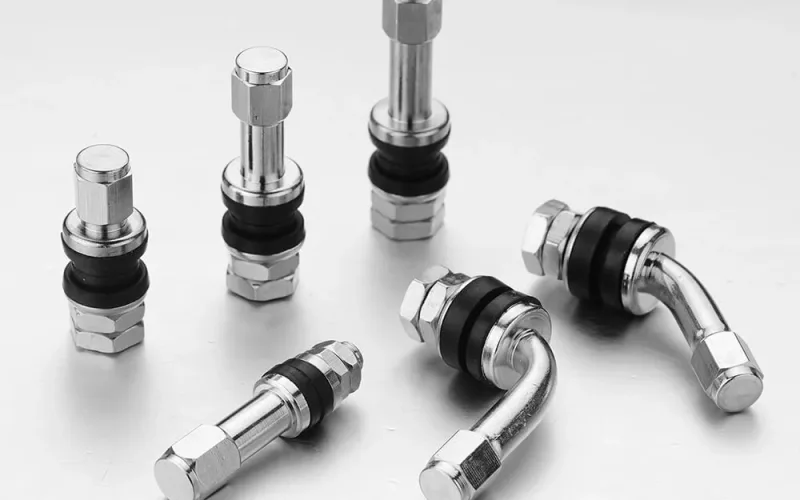
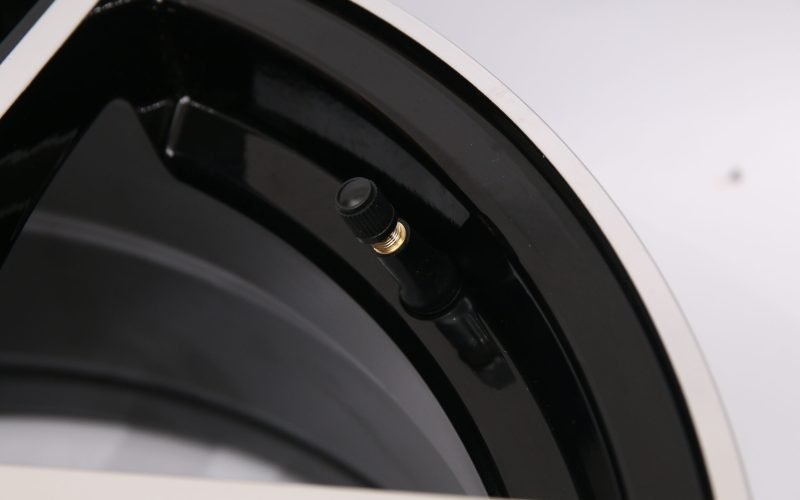
What is the difference between rubber and metal tire valves?
 20Mar
20Mar 

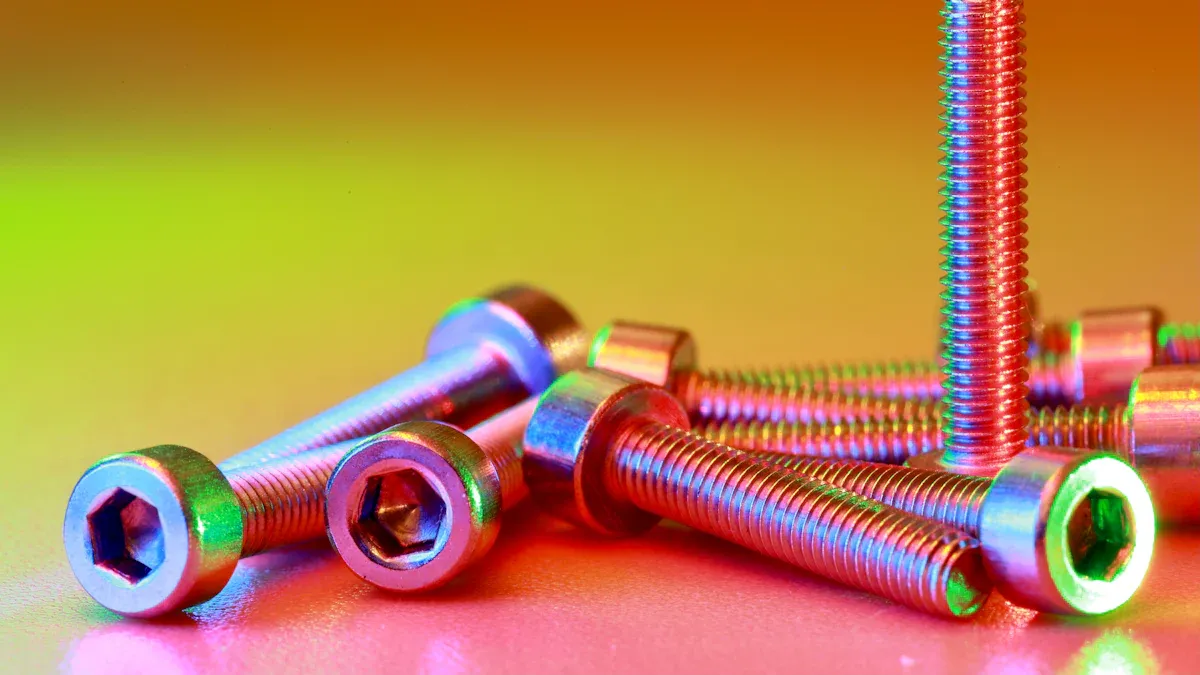
You determine the correct wheel lug nuts for your vehicle using three key factors: seat type, thread size, and the right materials. When you choose lug nuts for aftermarket wheels, matching the seat is critical. Most aftermarket wheels use conical seat lug nuts, while many European models use a ball seat.
Tip: Always check your vehicle’s owner’s manual to confirm the correct size (e.g., 12×1.5).
Getting the right be lug nuts ensures a secure fit for any wheel, including lug nuts for aftermarket rims. These wheel lug nuts are vital for safety.

Choosing the correct wheel lug nuts starts with identifying the seat type your wheels require. The seat is the area where the lug nut makes contact with the wheel. A mismatch here is dangerous and can cause your wheel to loosen. Let’s explore the three main types you will encounter.
You will find the conical seat lug nut most often. It is the standard for most aftermarket wheels and many domestic vehicles, like the Ford Maverick.
Important: People sometimes call these “acorn” nuts because of their shape. This is one of the most common types of wheel lug nuts you will use.
The ball seat lug nut has a distinctively different shape. You must use this type if your wheels are designed for it.
The mag seat is an older style but is still used on certain alloy wheels. Its design is very different from the other two types.
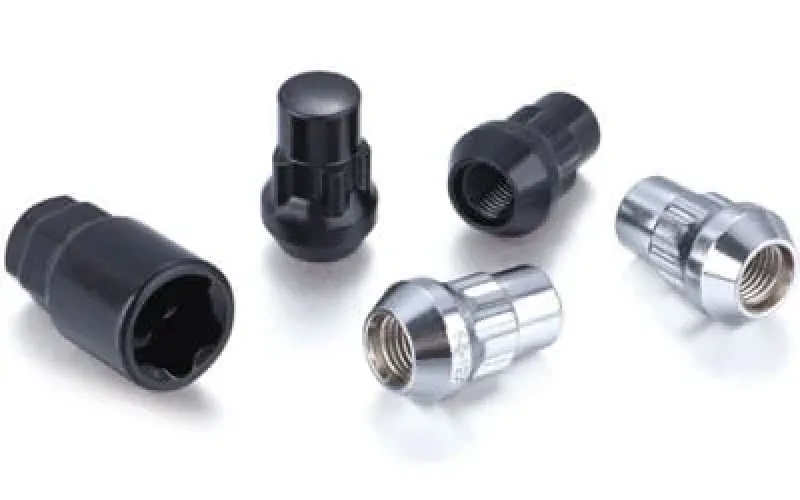
You might need a special type of lug nut for certain aftermarket wheels. Tuner style, or spline drive, wheel lug nuts are designed for a specific purpose. They solve a common problem with modern custom wheels. Many tuner wheels feature very small diameter lug holes for a sleek, clean look. A standard hex lug nut and socket are simply too large to fit inside these narrow openings.
Spline drive lug nuts are the solution. Their unique design makes them different from other types.
Security Bonus: The need for a unique key also adds a layer of security. It makes your wheels much harder for a thief to steal without the matching tool.
Manufacturers often craft these wheel lug nuts from cold-forged steel. This process creates a material that is incredibly strong, even when made smaller and thinner than standard steel nuts. This engineering ensures these compact lug nuts provide a secure clamp for your wheels. These special types are essential if you have wheels with restricted lug hole access.

The materials used for wheel lug nuts directly impact their strength, weight, and durability. Your choice of materials depends on your budget, performance needs, and driving style. Let’s look at the three most common options.
You will find steel lug nuts on most vehicles for a good reason. Steel offers incredible strength and durability at an affordable price. High-quality steel, like ISO Grade 10, has a proof load of 1100 MPa, giving it the toughness to handle daily driving with ease. This strength ensures long-term reliability and performance.
To improve durability and prevent rust, manufacturers apply various coatings. The available finishes for wheel lug nuts give you both protection and style.
You might choose aluminum wheel lug nuts for their light weight and vibrant colors. They are popular in racing and show car circles where reducing weight improves performance. However, you must handle them with care.
| Lug Nut Type | Average Weight (grams) |
|---|---|
| OEM Steel Nut | 75-77 g |
| Aftermarket Steel Nut | 32.3 g |
| Aluminum Nut | 20-23 g |
Note: The safety of aluminum lug nuts depends on proper installation. Aluminum is a softer metal than the steel studs on your car. If you overtighten them, the threads can strip easily. Always use a torque wrench and follow the correct specifications.
Titanium is the ultimate material for wheel lug nuts. It combines the best qualities of steel and aluminum. It offers unmatched strength and durability while being significantly lighter than steel. This makes it the top choice for high-end racing and exotic cars where maximum performance is essential.
| Feature | Titanium Lug Nuts | Steel Lug Nuts |
|---|---|---|
| Weight | ~50% lighter than steel | Standard weight |
| Strength | Exceeds 180,000 PSI | Standard strength |
| Corrosion | Naturally rust-proof | Requires coating |
This premium performance comes at a higher cost. A single titanium nut can cost five to eight times more than a steel one. However, its incredible durability and long service life can make it a worthwhile investment over time.
Choosing the right parts for your vehicle is about more than just looks; it is about safety and proper function. Your lug nuts selection depends on three critical measurements. You must verify the thread size, match the seat type, and ensure enough thread engagement. Getting these details right guarantees total compatibility and a secure connection between your wheel and your vehicle.
The first step in finding the right fit is identifying your vehicle’s thread size and pitch. This measurement looks like 12mm x 1.5.
12mm) is the diameter of the wheel stud.1.5) is the thread pitch, or the distance between threads.You can find this information in your vehicle’s owner’s manual. If you cannot find the manual, you can measure the stud yourself.
Tips for Accurate Measurements:
- Always clean the threads before measuring. Dirt can give you a wrong reading.
- Double-check your measurements to ensure accuracy.
- Use good lighting to see the threads clearly.
To measure the stud, you can use a few simple methods.
Different car manufacturers use different standard sizes. The table below shows some common thread sizes for popular vehicle brands. This information helps you narrow down your search and check for compatibility.
| Category | Brand | Common Lug Nut Size |
|---|---|---|
| American Cars | Ford, Jeep | 1/2″-20 or 14mm x 1.5 |
| Chevrolet | 7/16″-20 or 12mm x 1.5 | |
| Dodge | 9/16″-18 or 14mm x 1.5 | |
| Asian Cars | Toyota, Honda, Hyundai | 12mm x 1.5 |
| Nissan | 12mm x 1.25 | |
| European Cars | BMW | 14mm x 1.25 |
| Mercedes, VW, Volvo | 14mm x 1.5 |
As we discussed earlier, there are several lug nut types, each with a unique seat design. The seat is where the nut contacts the wheel. This point of contact is critical for safety. Using the wrong seat type is extremely dangerous because it creates an improper fit.
Imagine putting a conical (acorn) nut onto a wheel that requires a ball seat. The pointed end of the nut will only make a tiny point of contact inside the rounded wheel opening. This small contact area cannot properly center the wheel or apply the right clamping force. The nut will quickly work itself loose as you drive. This is a failure of compatibility that can lead to your wheel falling off. Seat type compatibility is not optional; it is a fundamental safety requirement.
Proper thread engagement means the lug nut screws far enough onto the wheel stud. This ensures the connection is strong enough to hold your wheel securely. Too little engagement creates a weak point that can fail under stress.
So, how much is enough? Automotive safety standards provide clear guidelines.
You can easily check this when installing new lug nuts. After placing the wheel on the hub, thread a lug nut on by hand. Count how many full 360-degree rotations you can make before it becomes tight. If you cannot get at least six full turns, your studs may be too short for your wheel and nut combination. This indicates a serious compatibility issue that you must address before driving the vehicle. Proper thread engagement compatibility is just as important as the correct thread size and seat type.
After you determine the correct size and seat, you have one more choice: open-end or closed-end lug nuts. The design you need depends entirely on your vehicle’s setup, specifically the length of your wheel studs. Each style serves a distinct purpose for safety and function.
You will likely use closed-end lug nuts for most daily driving situations. This design features a capped end that completely covers the wheel stud. This cap provides significant protection for your vehicle’s hardware.
Pro Tip: For the vast majority of factory and standard aftermarket wheel setups, closed-end be lug nuts are the ideal choice. They protect your studs and keep your wheels looking great.
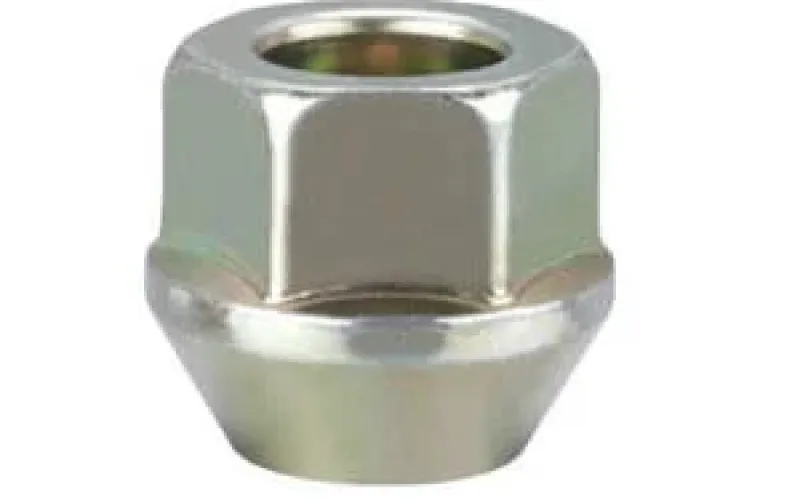
You must use open-end lug nuts in specific scenarios where your wheel studs are longer than usual. These nuts are hollow all the way through, allowing the stud to pass through the top. This design is not a style choice but a functional necessity.
You need this type of nut in these situations:
If your studs, such as long 3-inch studs, extend past the seating surface of the wheel, open-end be lug nuts are your only safe option.
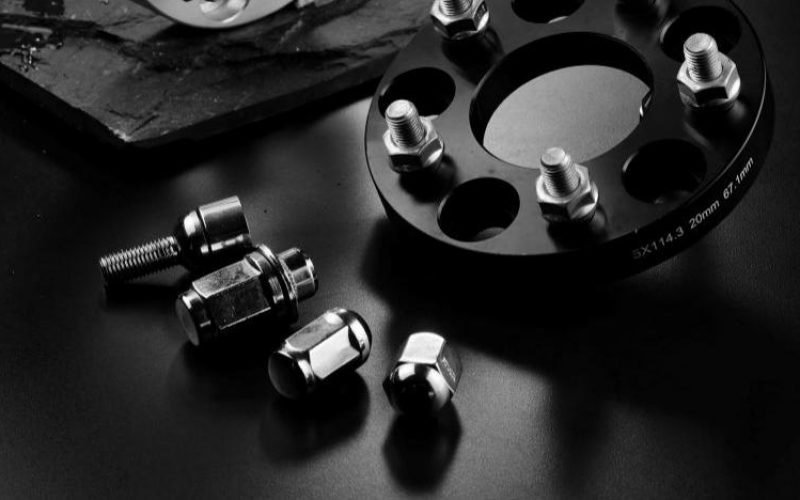
When you upgrade to aftermarket wheels, you might need special types of custom wheel lug nuts. These parts do more than just secure your wheels; they can also add security or solve unique fitment challenges. This guidance for custom wheel lug nuts will help you understand two important options.
You invest a lot in your aftermarket wheels, so you want to protect them. Wheel locks are one of the most effective custom wheel lug nuts for theft prevention. They replace one standard lug nut on each wheel with a lock that requires a special key for removal. This simple change significantly slows down thieves.
| Type of Lock | Effectiveness | Common Vulnerabilities |
|---|---|---|
| Wheel Locks | Slows thieves; requires a unique key. | A determined thief can still bypass them. |
| Steering Wheel Locks | Deters driving; highly visible. | Does not prevent wheel theft or towing. |
While wheel locks are a great deterrent, you should know about their downsides.
These custom wheel lug nuts offer peace of mind for your aftermarket investment.
Proper thread engagement is critical for safety. Sometimes, the design of certain aftermarket wheels leaves your wheel studs too short for standard wheel lug nuts. This is where Extended Thread (ET) custom wheel lug nuts come in. These special lug nuts for aftermarket rims have a longer shank that reaches deeper into the wheel’s lug hole. This design helps you achieve the necessary thread engagement for a secure fit.
Safety Rule: You need at least 1.5 times the stud diameter in thread engagement. For a 14mm stud, this means 21mm of the nut must be threaded onto the stud.
However, these custom wheel lug nuts are not a universal solution. You must only use ET lug nuts if your aftermarket wheels are specifically designed for them. Using them on the wrong aftermarket wheel can cause the nut to bottom out or damage the wheel. Always check with your aftermarket wheel manufacturer to confirm if you need these specific custom wheel lug nuts. Choosing the right parts ensures your aftermarket setup is safe and reliable.
Proper installation is the final, critical step in ensuring your wheels are secure. Using the correct torque and tightening pattern is not just a recommendation; it is essential for your safety on the road. This process guarantees proper wheel mounting and prevents dangerous failures.
Applying the right amount of force, or torque, is crucial. Too much or too little can lead to serious problems. You must use a torque wrench to meet your vehicle manufacturer’s specifications. Using the wrong torque can damage your wheels, studs, and even your brakes.
Warning: Never use an impact wrench for the final tightening. It is impossible to control the exact torque and will likely cause damage.
The consequences of incorrect torque are severe.
| Type of Torque Issue | Consequences on Wheel Studs and Hubs |
|---|---|
| Over-Torquing | Strips threads, warps brake rotors, and makes lug nuts difficult to remove. |
| Under-Torquing | Allows nuts to loosen from vibration, causing wheel wobble and potential wheel loss. |
You must tighten your lug nuts in a specific sequence. This ensures the wheel sits evenly against the hub. A crisscross or star pattern distributes the clamping force equally.
Follow these steps for a safe installation:
Your job is not finished after the initial installation. As you drive, the wheels can settle, causing a slight loss of torque. You must re-check the lug nut torque to prevent them from loosening.
Skipping this step is dangerous. Incorrectly torqued wheels are a leading cause of wheel-off accidents. This simple check provides peace of mind and ensures your wheels remain securely attached.
Your lug nut selection is critical for your vehicle’s safety. You must always confirm three essential checks for your be lug nuts.
Mismatching the seat type is dangerous and will lead to wheel failure. You ensure a secure connection by choosing high-quality be lug nuts from a trusted manufacturer like Fortune Auto Parts. This choice protects your investment and keeps you safe on the road.
You can only reuse old lug nuts if the seat type matches your new wheels. For example, you cannot use ball seat nuts on a wheel that needs a conical seat. An incorrect match is unsafe and will cause the wheel to loosen.
You should re-torque your lug nuts after driving 50-100 miles on new wheels. After that, it is a good practice to check the torque every time you rotate your tires. This simple check ensures your wheels remain secure.
Yes, you must use a torque wrench. It ensures you apply the correct force. An impact wrench can easily over-tighten the nuts, which can damage your studs and wheels. Proper torque is essential when installing new tires.
Using the wrong seat type creates a tiny, unstable contact point. The wheel lug nuts will not hold the wheel securely. Vibrations from driving will cause the nuts to loosen, which can lead to your wheel falling off.
 Request a quote