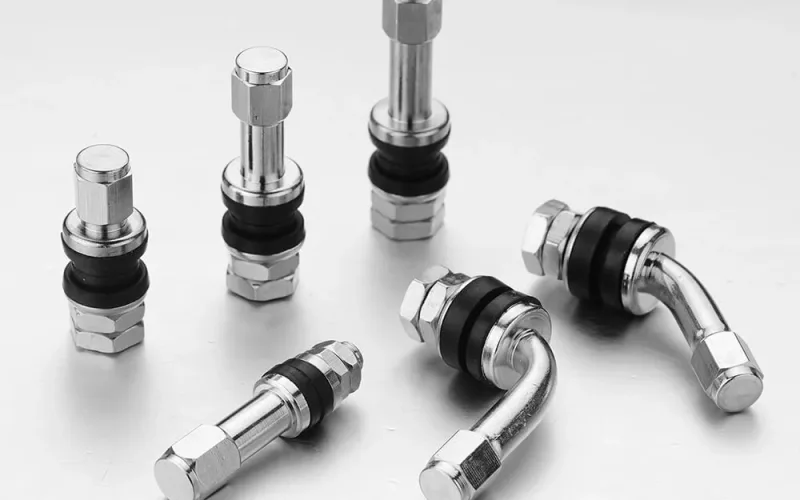
What is the difference between rubber and metal tire valves?
 20Mar
20Mar 

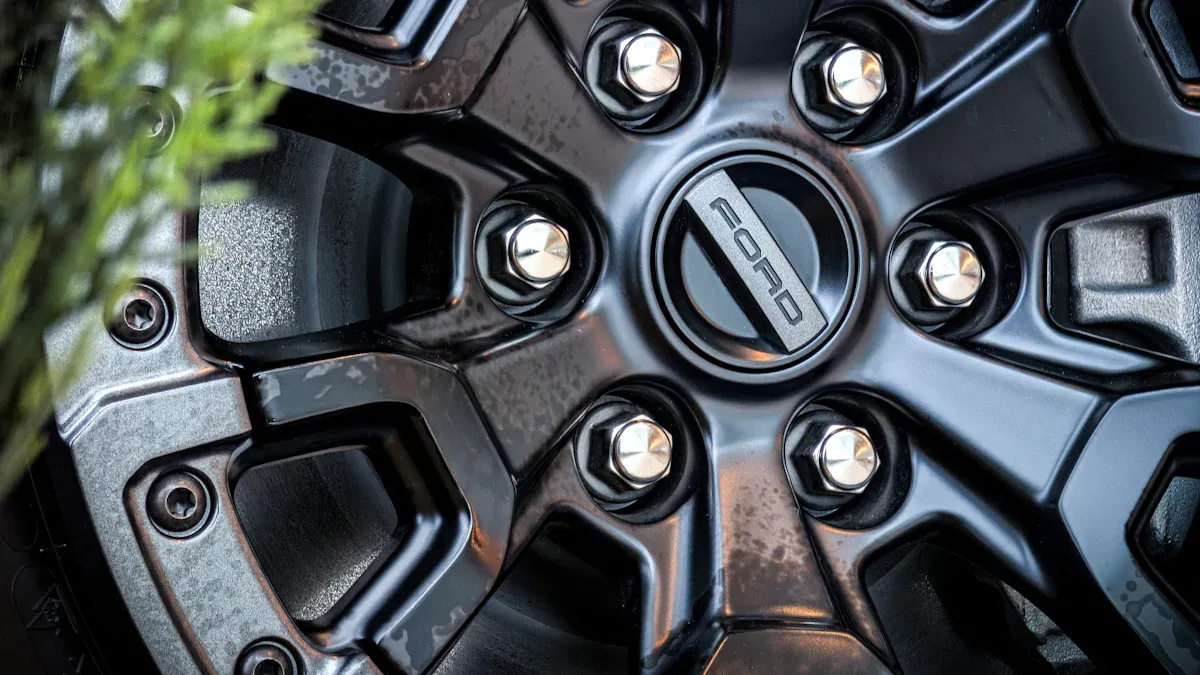
You must choose the right vehicle wheel lug nuts for your vehicle. This requires matching three critical specifications to your wheels: seat type, thread size, and material. Using the wrong wheel lug nuts creates serious risks.
An incorrect match between your wheels and these wheel lug nuts can cause vibration, damage components, or even catastrophic wheel detachment.
Selecting the correct vehicle wheel lug nuts is non-negotiable for your safety.
Before you can choose the right hardware, you need to understand the key features of wheel lug nuts. Each part has a specific job to do for a secure fit.
The lug nut seat is the surface where the lug nut makes direct contact with your wheel. This contact point performs two critical jobs. It centers the wheel perfectly on the hub, and it clamps the wheel firmly in place.
Using the wrong seat type creates improper contact. This can over-stress the hardware and may lead to a catastrophic failure.
You must match the lug nut seat to your wheel’s design. Two common styles include:
You must also match the lug nut’s thread to your vehicle’s wheel studs. This involves two measurements: thread size and thread pitch. Thread size is the outside diameter of the wheel stud. You will see it listed in metric (M12, M14) or standard (1/2″, 9/16″) units.
The thread pitch measures the distance between threads.
A complete measurement looks like M12x1.5 or 1/2"-20. An incorrect pitch will cause the nut to bind and prevent it from tightening correctly.
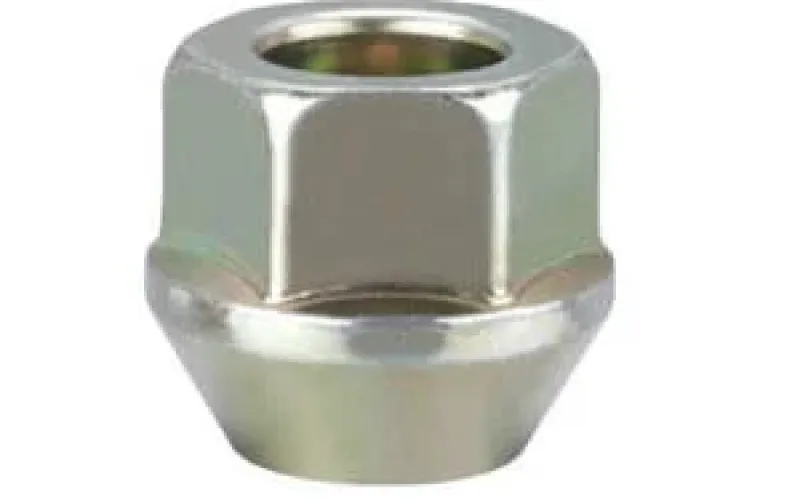
You will also encounter different lug nut types based on their design. Closed-end lug nuts cover the wheel stud completely. This protects the threads from rust and debris. In contrast, open-end lug nuts have a hole through the center. This design is useful if you have extended wheel studs that need to pass through the nut for full thread engagement, a common setup in racing.
The first step in choosing the right hardware is matching the lug seat type to your wheels. The seat is where the lug nut contacts the wheel. A perfect match ensures the clamping force is distributed evenly. This prevents the hardware from loosening over time. There are three main seat types you will encounter.
The conical seat is the most common design you will find. You can identify it by its cone-shaped bottom, which typically has a 60-degree taper. This design is also known as an “acorn” seat because of its shape.
Important Tip: Never use a conical seat lug nut on a wheel designed for a ball or shank seat. The small contact area will create immense pressure, potentially damaging the wheel and leading to failure.
A ball seat lug nut has a rounded or spherical base. It looks noticeably different from the straight taper of a conical seat. This design requires a matching rounded recess in the wheel’s lug hole to function correctly.
You will find this lug seat type primarily on original factory wheels from specific manufacturers. For example, Honda and Acura have consistently used ball seat wheel lug nuts on their OEM wheels for decades. German automakers also favor this design.
| Manufacturer | Common Models | Lug Nut Specification |
|---|---|---|
| Acura | Most ’99-’15 models | M12x1.5, R12 ball seat |
| Honda | ’95-’15 Accord models | M12x1.5, R12 ball seat |
| Honda/Acura | General/Newer Models | M14x1.5, R14 ball seat |
Brands like Audi, Volkswagen, and Mercedes often use R13 (13mm radius) ball seats, while Porsche commonly uses a larger R14 (14mm radius) seat. It is crucial to match the radius of the nut to the wheel.
The shank seat, also called a “mag” seat, is a completely different design. It features a flat base with a washer and a long, straight shank that slides into the lug hole.
Note: The length of the shank is critical. A shank that is too long can bottom out before the wheel is tight. A shank that is too short will not provide proper alignment. Always measure the depth of the lug hole in your wheel to ensure you get the correct shank length.
Figuring out your wheel’s seat type is a critical step. You cannot guess. A mismatch can lead to unsafe driving conditions. Luckily, you can identify the correct seat type with a few simple methods.
The most reliable method is to look directly at the lug holes on your wheels. Remove one lug nut to get a clear view of the surface where the nut makes contact.
Your existing wheel lug nuts can be a great clue, especially if they are original to the wheels. Remove one and look at its base. The shape of the old nut (conical, ball, or shank with a washer) should match the seat in the wheel.
Safety Tip: ⚠️ Use this method with caution. If someone previously installed the wrong hardware, copying their mistake will only continue the problem. Always double-check the nut against the wheel itself.
For factory (OEM) wheels, your vehicle owner’s manual often contains information about the correct hardware specifications. This is a trustworthy source for original equipment. If the information isn’t there, a quick call to your local dealership’s parts department can provide the answer.
If you have aftermarket wheels, the best source of information is the manufacturer. Check their website for product specifications or contact their customer support team. They can tell you exactly which seat type their wheels require.
To make it easier, here is a quick visual guide:
| Seat Type | Visual Identifier |
|---|---|
| Conical (Acorn) | Tapered, cone-shaped bottom. |
| Ball (Radius) | Rounded, spherical bottom. |
| Shank (Mag) | Flat washer with a straight, cylindrical shank. |
Choosing the correct seat type ensures the lug nut makes full contact with the wheel. This proper connection is essential for distributing the clamping force evenly and keeping your wheels securely attached.
After you confirm the seat type, your next task is to find the proper lug nut size. This measurement must perfectly match the wheel studs on your vehicle. Using the wrong size will prevent the wheel lug nuts from threading on correctly, or at all. This step is essential for a secure connection.
Finding your car’s thread size is straightforward. You do not need to guess. The manufacturer provides this information in several accessible places. An incorrect thread pitch will cause the nut to bind and strip the threads, creating a major safety hazard.
You can find the correct specifications using these reliable methods:
Pro Tip: If you cannot find the manual, you can take one of your existing lug nuts to a local auto parts store. They have thread-sizing tools to measure it for you instantly.
Lug nut sizes consist of two numbers: the diameter and the thread pitch. For example, a size of M12x1.5 means the stud has a 12mm diameter with 1.5mm of distance between each thread. You will find that certain sizes are very common for specific car brands.
This table shows some of the most frequent thread sizes you will encounter:
| Thread Size | Common Vehicle Applications |
|---|---|
| 12mm x 1.25 | Often used by Nissan, Subaru, and Infiniti. |
| 12mm x 1.5 | Very common for Honda, Acura, Toyota, and many other imports. |
| 14mm x 1.5 | Typically found on larger vehicles like modern trucks, SUVs, and many Ford, GM, and Chrysler cars. |
| 1/2″ – 20 | A standard size for many classic and modern American vehicles, including Jeeps and some Ford models. |
Proper thread engagement is the most critical factor for keeping your wheels attached to your car. This term refers to how many full turns a lug nut makes onto the wheel stud. Too few turns means the nut does not have enough grip to hold the wheel on securely under the forces of driving.
For safe installation, you must achieve a minimum of 8 full turns of the lug nut. Getting 9 or more turns is even better.
Rule of Thumb: The amount of thread engagement should equal the diameter of the wheel stud. For a common
M12x1.5stud, the math works like this: 12mm (diameter) divided by 1.5mm (pitch) equals 8. This is where the 8-turn minimum comes from.
Insufficient thread engagement can lead to catastrophic failure. The consequences are severe and can happen without warning.
Imagine your own wheel passing you on the highway. Checking for proper thread engagement can save you and others from experiencing such a terrifying event. It ensures the nut has enough grip to handle the stress of acceleration, braking, and turning.
Once you know the correct seat and size, you need to choose a material. The material affects the strength, weight, and appearance of your wheel lug nuts. Each option offers different benefits for your vehicle.
Steel is the most common material for lug nuts, and for good reason. Manufacturers and drivers trust steel because it is strong and affordable. It provides a reliable and safe connection for most daily driving situations. Steel is heavier than other options, but it offers excellent durability.
You can count on steel for several key advantages:
Pro Tip: Steel lug nuts are a practical, all-around choice. They are perfect if you prioritize strength and reliability over saving weight.
You might consider aluminum lug nuts if you want to reduce your vehicle’s weight. Aluminum is much lighter than steel. This weight reduction can lower your car’s unsprung mass, which may lead to slightly better handling and fuel efficiency. They also come in a wide variety of anodized colors, making them popular for show cars. However, aluminum is a softer metal. It cannot handle the same high torque as steel and is more susceptible to damage and stripping if you are not careful during installation.
Titanium offers the best of both worlds. It has an excellent strength-to-weight ratio. When you compare lug nuts of the same size, titanium versions are much lighter than steel but significantly stronger than aluminum. This makes them a premium choice for high-performance and racing applications where every ounce matters. Titanium also has outstanding corrosion resistance. The main drawback is its high cost, which makes it less common for everyday vehicles.
The finish on your lug nuts does more than just add style. It also protects the hardware from rust and corrosion. You have several options, each offering a different balance of appearance and durability.
Chrome Lug Nuts Chrome is a classic choice that gives your wheels a bright, mirror-like shine. This finish is very popular for its clean look and good durability. The manufacturing process involves placing the steel lug nut into a special vat. An electric current is then applied, which plates the nut with a layer of chrome. This creates a hard surface that effectively resists rust.
PVD and Black Finishes Black lug nuts offer a modern, aggressive look. Many high-quality black and colored finishes use a process called PVD (Physical Vapor Deposition). PVD creates a very thin but extremely hard coating that bonds to the metal. This finish is excellent at resisting chips from tools and damage from road salt.
Did You Know? 🤔 PVD finishes are often more environmentally friendly to produce than traditional chrome plating, which can involve toxic substances.
Comparing Durable Finishes When choosing between the two most durable options, you should consider their long-term performance. PVD often holds up better against daily wear and tear.
This table breaks down the key differences between PVD and traditional chrome:
| Feature | PVD Finish | Chrome Finish |
|---|---|---|
| Chip Resistance | Resists chips very well | Can chip or peel over time |
| Road Salt | Handles road salt well | May develop rust spots |
| Shine Retention | Keeps its shine longer | Shine can dull with age |
| Maintenance | Cleans with regular car soap | May need special cleaners |
| Durability | Built to last against scrapes | Durable but less resistant to impacts |
Other Colored Options You can also find lug nuts in a rainbow of colors like red, blue, and gold. These are typically aluminum lug nuts with an anodized finish. While they look great, the finish may not be as durable as chrome or PVD. You must be extra careful during installation to avoid scratching them.
Beyond fit and material, the style of your wheel lug nuts affects both the look of your wheels and their security. You can choose a style that matches your vehicle’s aesthetic while adding a layer of protection.
Standard hex lug nuts are the most common style you will find. They have a hexagonal shape that fits a standard lug wrench or socket. You likely have these on your car right now if it has factory wheels. They are simple, effective, and easy to work with. Their main purpose is to securely fasten your wheel, offering a classic and functional design.
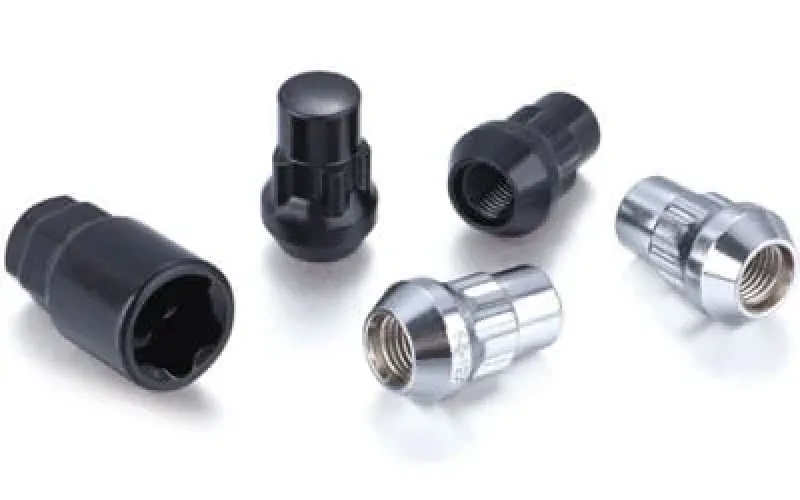
Spline drive lug nuts offer a unique solution for many aftermarket wheels. These nuts have a smaller diameter and use a series of grooves (splines) on the outside instead of a traditional hex shape. You need a special socket or key to install and remove them.
This design provides several key benefits:
For the highest level of security, you should use locking lug nuts. This system typically includes one special locking nut for each wheel, which replaces one of the standard nuts. This single nut has a unique, computer-generated pattern on its head.
You can only remove this locking nut with a corresponding key that comes with the set. Without the key, removing the wheel is extremely difficult, making it a powerful deterrent against theft. This method is a very popular and effective way to protect your valuable wheels and tires.
Extended Thread (ET) lug nuts are a special type of hardware designed to solve a very specific problem: insufficient thread engagement. These nuts look similar to standard acorn seat nuts but feature a small, extended shank at the base. This shank slides into the lug hole of the wheel, allowing the nut to grab more of the wheel stud’s threads. This design provides a safer and more secure connection when standard nuts come up short.
You should only use ET lug nuts in certain situations. They are not a universal upgrade. Their purpose is to restore proper thread engagement, which is critical for safety.
Consider using ET wheel lug nuts when:
Crucial Safety Check: ⚠️ You must verify that your wheels can accept ET lug nuts. The lug bore must have enough clearance for the extended shank. Always check with your wheel manufacturer before installation. Using an ET lug nut on a wheel not designed for it can prevent the nut from seating correctly, leading to a dangerously loose wheel.
Ultimately, ET lug nuts offer peace of mind when your setup results in borderline thread engagement. They provide the extra grip needed to keep your wheels firmly and safely attached to your vehicle.
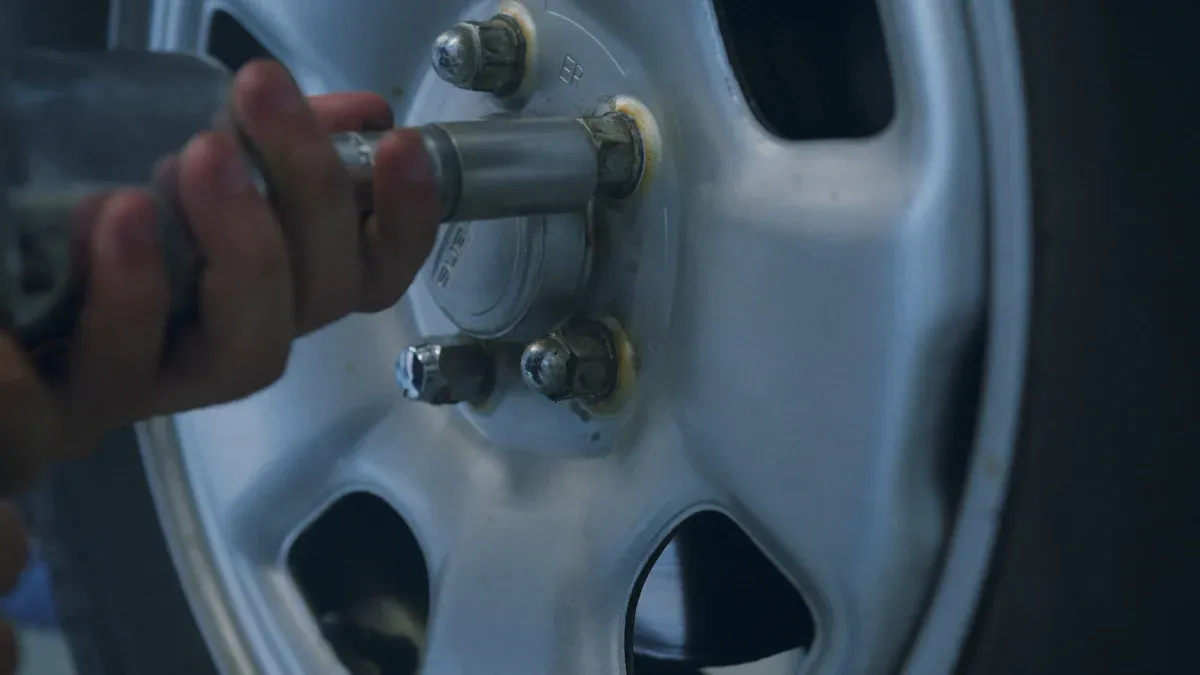
Correctly installing your wheel lug nuts is just as important as choosing the right ones. Proper lug nut installation ensures your wheels are secure and your vehicle is safe to drive. This process requires the right tools and techniques.
You need a few key tools for a safe and successful installation. Having the right equipment prevents damage to your hardware and wheels.
Pro Tip: Keep an extractor socket in your toolbox. It is designed to grip and remove stripped or damaged nuts, which can save you a major headache.
Every vehicle has a specific lug nut torque value recommended by the manufacturer. This value ensures the nuts are tight enough to be secure but not so tight that they damage the wheel stud or wheel.
You can easily find this specification in your vehicle’s owner’s manual, usually in the section covering tires and wheels.
If you cannot find your manual, some general guides provide torque values based on the stud size. However, the manufacturer’s specification is always the most reliable source of information.
You must tighten the lug nuts in a specific sequence. This is called a star or crisscross pattern. This method ensures the wheel mounts evenly against the hub.
Tightening the nuts in a circle can cause the wheel to tilt. This creates uneven pressure, which can lead to false torque readings and damage your components. An improperly seated wheel can also cause dangerous vibrations while you drive.
Think of it like lacing your shoes. You crisscross the laces to apply even pressure so the shoe fits correctly. The same principle applies to your wheels. The star pattern distributes the clamping force uniformly, creating a secure and stable connection. This simple step is critical for a safe installation.
Your work is not finished after you tighten the lug nuts for the first time. The re-torquing step is a crucial final check for your safety. You must re-torque your wheel lug nuts after driving a short distance. This simple action ensures your wheels remain securely fastened for the long haul.
Skipping this step is a major safety risk. Driving causes the wheel to settle, which can make properly torqued nuts become loose.
Why does this happen? The surfaces between your wheel and hub are rarely perfectly clean. Tiny particles can get trapped during installation. Driving your car applies forces that help everything settle into place.
You should re-check the torque on your lug nuts after driving 50 to 100 miles (80 to 160 km). Use your torque wrench and set it to the same manufacturer-specified value. Go around the wheel again using the star pattern. You may find that some of the nuts need another slight turn to get back to the correct torque. This final check confirms that your wheels are truly secure, giving you peace of mind on the road.
Properly removing and maintaining your hardware is just as important as the installation. Following the right procedures protects your components and ensures they function correctly for years to come.
Safe removal prevents damage to your studs and wheels. You should always loosen the lug nuts while your car is still on the ground. This provides stability and is much safer than working on a jacked-up vehicle.
Follow these best practices for a smooth process:
Safety Alert: ⚠️ If a nut is stuck, you can use a rust-penetrating spray. Forcing a stuck nut can strip the threads and create a bigger problem.
Your wheel lug nuts are wear items. You should inspect them every time you rotate your tires. Look for any signs of damage or fatigue. It is time to replace your hardware if you see rounded heads, stripped or damaged threads, or significant rust. A damaged seat on the nut can also prevent it from clamping correctly, creating a serious safety risk.
Keeping your hardware clean helps it last longer and look better. You can clean your lug nuts with the same mild soap and water you use to wash your car. Use a soft brush to remove any brake dust or road grime. Avoid harsh chemicals or abrasive cleaners, as they can damage the finish on your nuts and wheels. Always dry the hardware thoroughly after cleaning to prevent rust from forming. This simple care routine keeps your wheels looking great.
Your safety depends on choosing the correct vehicle wheel lug nuts. You must match the seat type, thread size, and material to your specific wheels. A proper installation is just as critical. Following the correct installation steps for your vehicle wheel lug nuts keeps your vehicle secure.
Final Check ✅: Always use a torque wrench. You must re-torque your wheels after driving 50-100 miles. This final step ensures your vehicle wheel lug nuts remain tight for a safe ride.
Yes, you absolutely need a torque wrench. It ensures you tighten lug nuts to the manufacturer’s exact specification. This prevents damage to your wheels and studs. Over-tightening or under-tightening creates a serious safety risk, so you should never guess the torque.
No, you should never apply grease or anti-seize to wheel studs. Lubricants create a false torque reading. This can lead to over-tightening, which stretches and damages the studs. It can also cause the nuts to loosen over time while you drive.
You can only reuse old lug nuts if their seat type (conical, ball, shank) perfectly matches your new wheels. Always inspect them for rust, damage, or rounded heads. If you see any signs of wear, you should replace them for safety.
You should choose a reputable manufacturer that follows strict quality standards, like ISO9001 certification. High-quality lug nuts are made from superior materials and are tested for strength and durability. This ensures they will perform safely and reliably on your vehicle.
 Request a quote