What is the difference between rubber and metal tire valves?
 20Mar
20Mar 

You may ask which fastener is better for your vehicle. The safest system is always the one your car was designed with. Both lug nuts and car wheel bolts provide equal security when you install them correctly. You must torque them to the manufacturer’s exact specifications for them to work properly.
The real difference between these systems is not about safety. It comes down to your vehicle’s origin, the ease of installation, and specific maintenance procedures.

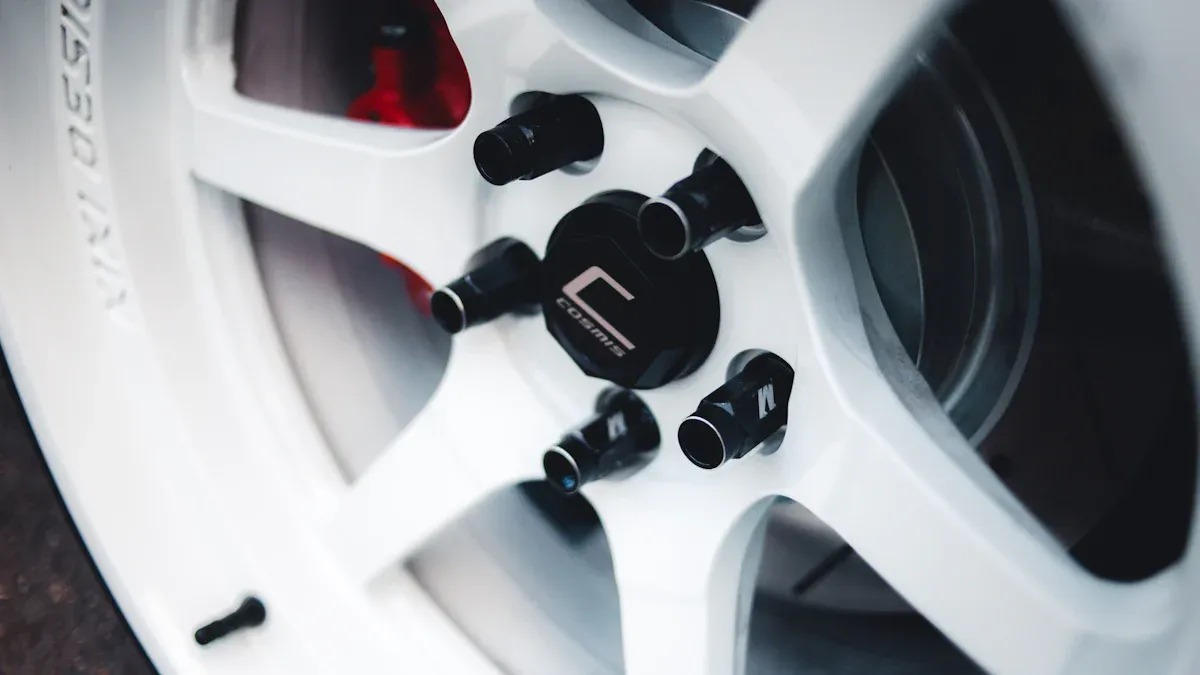
If your car uses lug nuts, you have a two-part system. Your vehicle’s wheel hub has threaded studs permanently pressed into it. The lug nut is a separate fastener that you screw onto these fixed studs to clamp the wheel in place.
Think of the studs as built-in hangers for your wheel. They stick out from the hub, ready to receive the wheel and the nuts. The lug nuts themselves are marvels of manufacturing. Most are made using a high-efficiency process called cold forming, where metal is shaped at room temperature to create a strong, dimensionally accurate part. This process aligns the metal’s grain structure, which enhances its mechanical strength.
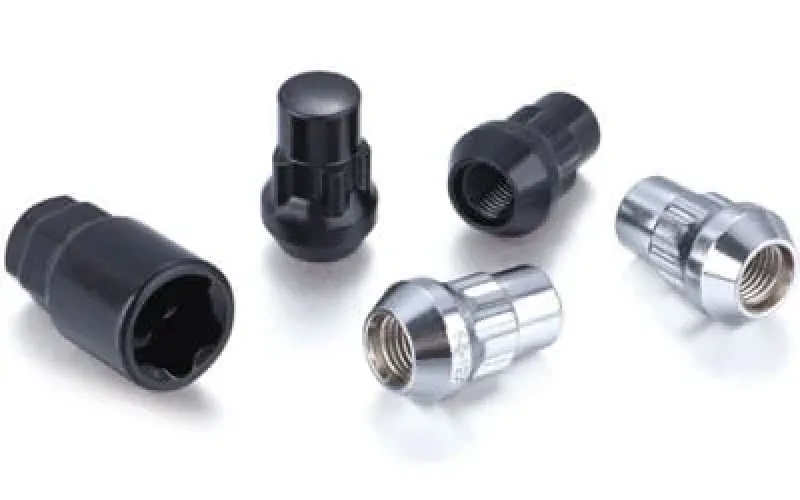
After forming the nut’s shape, manufacturers create the internal threads that allow it to mate securely with the stud. They are made from various materials, each chosen for specific properties:
Automakers in America and Asia often prefer the stud-and-nut system for manufacturing efficiency. Installing studs into the hub assembly is a simple, cost-effective step on the production line. This setup simplifies the final wheel mounting process for factory workers and automated machinery.
You must always use the correct lug nut for your vehicle’s specific studs. Lug nuts are not one-size-fits-all and come in standard metric and SAE sizes. Using the wrong size can prevent the wheel from being secured properly.
| Type | Thread Diameter | Thread Pitch (per mm/inch) |
|---|---|---|
| Metric | 12 mm | 1.25, 1.50 |
| Metric | 14 mm | 1.50 |
| SAE | 7/16 inch | 20 |
| SAE | 1/2 inch | 20 |
For you, the driver, the biggest benefit of lug nuts appears during a tire change. The studs on the hub act as a convenient guide. You can lift the spare tire and hang it on the studs before you even start threading the nuts.
Easy Alignment: This design supports the wheel’s weight for you, so you don’t have to struggle with aligning small bolt holes while holding up a heavy tire. You can use both hands to simply start and tighten the lug nuts.
If your car is from a European brand like BMW, Mercedes-Benz, or Audi, you likely use car wheel bolts. Unlike the two-part nut-and-stud system, a lug bolt is a single fastener. It is a long bolt that passes through the wheel and brake rotor, threading directly into the wheel hub to secure everything in place.
These all-in-one fasteners are engineered for high strength. Manufacturers typically make them from robust carbon or alloy steel. You can identify their strength by a number stamped on the head.
A higher number means the bolt can handle more force before stretching or breaking. This ensures your wheels remain securely attached under demanding driving conditions.
| Class | Minimum Tensile Strength (MPa) |
|---|---|
| 10.9 | 1040 |
| 12.9 | 1220 |
European automakers favor car wheel bolts for several key reasons. First, this system simplifies the manufacturing process. It eliminates the step of pressing studs into the hub, which saves time and reduces costs on the assembly line. Second, engineers believe bolts provide a more consistent and powerful clamping force. This enhances stability, which is crucial for vehicles designed for high-speed travel on roads like the German autobahn. This design also gives engineers more flexibility to fit larger brake systems, a common feature in performance cars.
While bolts offer manufacturing benefits, they present a challenge during a tire change. Without studs to hang the wheel on, you must support the tire’s full weight while perfectly aligning the bolt holes.
This can be a frustrating balancing act. You have to hold a heavy wheel steady with one hand and try to start a bolt with the other.
To solve this problem, you can use a simple and effective tool: a wheel alignment guide. This is a pin that you temporarily screw into one of the bolt holes. It acts like a temporary stud, allowing you to hang the wheel on it. This supports the wheel’s weight and keeps it aligned, freeing both of your hands to easily install the remaining bolts.
While both systems secure your wheels effectively, their designs create important differences in how you handle them. These differences affect everything from changing a flat tire to customizing your vehicle with new wheels.
The most noticeable difference appears when you need to change a tire.
Pro Tip: If your car uses lug bolts, you can buy a wheel hanger tool. This is a small pin that you screw into one bolt hole. It acts as a temporary stud, allowing you to hang the wheel for much easier installation.
Both systems are incredibly strong when properly maintained. However, human error is the most common cause of failure, not the design itself. Research shows that maintenance issues cause about 72% of wheel fastener failures.
Common reasons for failure in both systems include:
While both are durable, the cost of a mistake varies greatly. If you accidentally cross-thread a lug nut, you will likely damage the stud. Replacing a single stud is a relatively simple and inexpensive repair.
However, if you cross-thread one of the car wheel bolts, you damage the threads inside the wheel hub itself. Repairing a damaged hub is a much more complex and expensive job. In some cases, you may need to replace the entire hub assembly, costing you significant time and money.
Changing to aftermarket wheels is another area where the two systems differ.
With a lug nut system, the process is straightforward. You just need to buy new lug nuts that have the correct “seat” for your new wheels. The seat is the area where the nut makes contact with the wheel.
With a lug bolt system, you have more to consider. Aftermarket wheels often have a different thickness than factory wheels, which means your original bolts might be too short or too long. You must ensure your new bolts have:
A popular upgrade for cars with lug bolts is a stud conversion kit. This kit allows you to permanently install studs into your hub, converting your car to a lug nut system. This makes wheel changes much faster, simplifies the use of wheel spacers, and prevents expensive damage to your hub’s bolt holes.

Whether your car uses bolts or nuts, proper installation is the single most important factor for keeping your wheels safely attached. Following these key maintenance steps will ensure your wheel fasteners do their job correctly.
You must tighten your wheel fasteners to the specific torque value listed in your vehicle’s owner’s manual. Guessing or using a standard lug wrench is not enough. A torque wrench is the only tool that guarantees the correct clamping force. Using the wrong amount of force can lead to dangerous situations.
Remember: Both scenarios create a significant safety issue. Always use a calibrated torque wrench for final tightening.
You should never tighten the fasteners in a circle. This can cause the wheel to seat unevenly against the hub, leading to wobbling and loosening. Instead, you must use a star or cross pattern to apply pressure evenly. This ensures the wheel mounts flat and securely.
This method pulls the wheel onto the hub uniformly, creating a stable and secure connection.
Before you install your wheels, take a moment to inspect your lug nuts or bolts. Damaged fasteners cannot provide the necessary clamping force and must be replaced.
Look for signs of wear and tear. If a lug nut does not thread on freely by hand, its threads are likely deformed. A squeaking sound during tightening also signals a problem. If you hear this, you should loosen all the fasteners and inspect the threads for damage before starting over.
Visually checking for a stretched bolt or stud can be difficult. A simple tool like a thread pitch gauge can confirm if a fastener has been stretched and needs replacement. When in doubt, always replace suspicious hardware.
Your job is not finished once you tighten the wheel fasteners. You must perform one final, critical safety check. After driving a short distance, you need to re-torque every lug nut or bolt. This step is not optional. It ensures your wheels remain securely attached for the long haul.
When you drive, several forces act on your newly installed wheel.
This settling process is completely normal. Re-torquing closes any new gaps and restores the proper clamping force, preventing the fasteners from loosening over time.
So, when should you perform this check? Most manufacturers and tire shops recommend re-torquing your wheels after driving between 5 and 100 miles. Many service centers, for instance, advise customers to return after about 50 miles for a complimentary re-torque. This is especially important for new aftermarket wheels, as it confirms they have seated correctly to the hub surface. Some careful drivers even check their wheels multiple times, perhaps at 20 miles and again at 80 miles, just to be certain everything is secure.
To re-torque, wait for the wheels to cool down. Then, use your torque wrench set to the correct specification and check each fastener again using the star pattern. You may find that some fasteners need a slight turn to reach the target torque. This simple five-minute check is one of the most important things you can do for your safety. ✅
Many ideas about wheel fasteners are passed around, but not all of them are true. Let’s clear up a few common myths to help you keep your wheels secure and your vehicle safe.
You might hear that one system is stronger than the other, but this is not true. Both lug nuts and car wheel bolts are designed to be equally strong and safe for the vehicle they come with. Engineers select the right material and size to handle the forces your car will experience. The real key to strength is not the type of fastener but whether you install it correctly. A properly torqued lug nut on a stud is just as secure as a properly torqued bolt in a hub.
This is one of the most dangerous myths. You absolutely need a torque wrench for final tightening. Using an impact wrench to fully tighten your fasteners is a major risk.
If you use a torque wrench on a fastener tightened by an impact gun and it doesn’t move, the fastener is already too tight. Always use an impact wrench only to snug the fasteners, then use a calibrated torque wrench for the final, precise tightening.
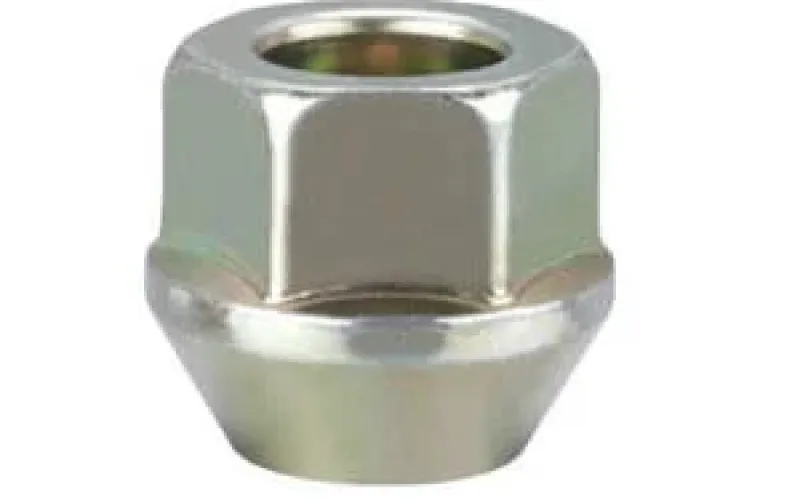
This mistake can lead to serious trouble. Fasteners are not one-size-fits-all. You must use the correct fastener for your specific wheels. The most important part to match is the “seat,” which is where the fastener touches the wheel. Using a conical (cone-shaped) nut on a wheel that needs a ball (rounded) seat creates a tiny contact point. This mismatch prevents the fastener from holding torque correctly and can cause it to loosen as you drive.
Using the wrong bolts is never okay. A ball seat fastener will gouge the metal inside a conical hole, damaging your wheel even if it feels tight.
Always match the seat, thread size, and length to your vehicle and wheel specifications to ensure a safe connection.
The debate over lug nuts versus car wheel bolts is secondary to your maintenance routine. Safety comes from correct installation, not the type of fastener. You should trust the system your car was designed with. Whether you use lug nuts or car wheel bolts, always use high-quality parts and the correct torque.
For total wheel security, you should also perform these regular checks:
Yes, you can switch your car from bolts to nuts. You use a stud conversion kit for this change. This popular upgrade makes tire changes much easier. It also helps protect your wheel hubs from expensive thread damage. Many drivers find it a worthwhile modification.
You should replace a missing fastener immediately. Losing one puts extra stress on the remaining fasteners, increasing the risk of failure. Drive slowly to the nearest auto parts store for a replacement. Make sure the new part matches your car’s specifications. ⚠️
You must re-torque your wheels 50 to 100 miles after any installation. After that, checking the torque during your regular tire rotations is a great safety habit. This simple check ensures your wheels remain secure over thousands of miles and provides peace of mind.
Yes, colored aftermarket nuts can be safe. You must buy them from a trusted, high-quality manufacturer like Hinuos. Quality fasteners use durable materials and coatings that will not fail. Always confirm they match your wheel’s seat type and your car’s thread pitch for a secure fit.
 Request a quote