What is the difference between rubber and metal tire valves?
 20Mar
20Mar 


You rely on car tire nuts to keep your wheels tightly connected to your vehicle. These nuts thread onto studs and clamp your tires in place, playing a key role in vehicle safety. If nuts become loose, wheels can detach and cause accidents.
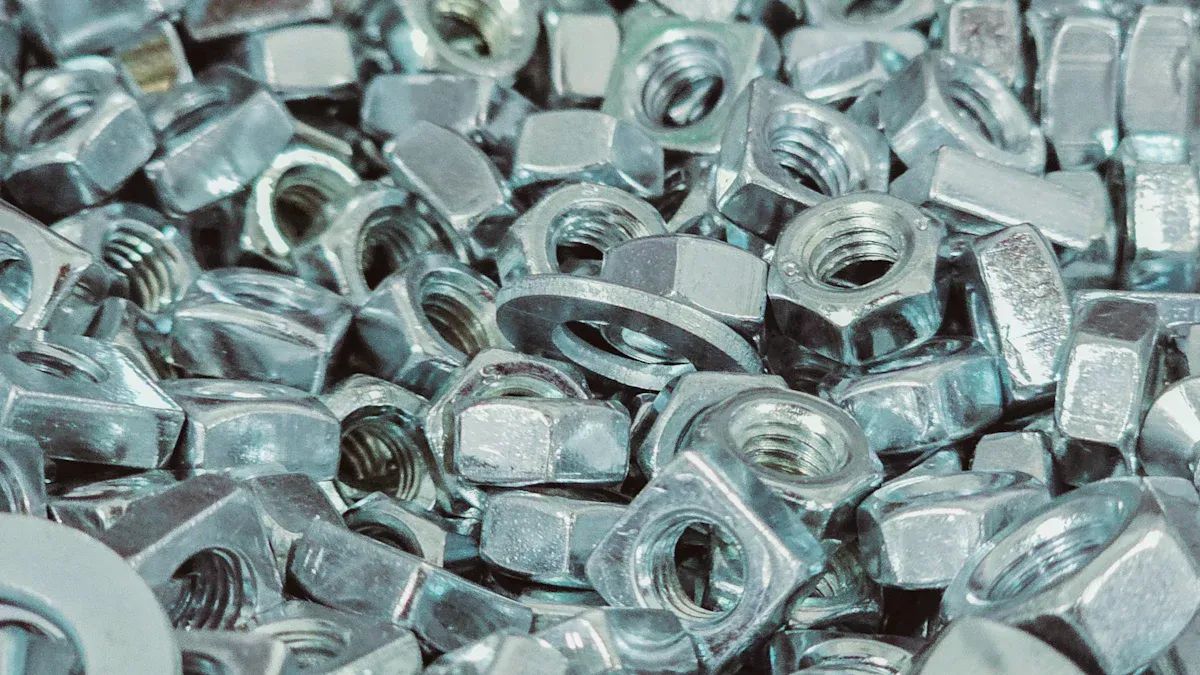
You find car tire nuts on almost every vehicle. These nuts, often called lug nuts, hold your wheels in place. You use them to secure the wheel to the hub, making sure your tires stay attached while you drive. Lug nuts come in different shapes and sizes, but their main job stays the same: keeping your wheels safe and secure.
In bolt-piloted systems, the geometric features of the wheel nuts (usually either spherical or conical) mate with similar features formed at the bolt holes of the wheel so that when the nuts are tightened the nuts force the wheel to assume a position in which the mating surfaces are ‘nested’ and the bolt circle of the wheel coincides with the bolt circle of the hub. In hub-piloted systems, the center hole of the wheel is piloted on the hub itself, requiring that both be machined to very exacting standards and that the diameter of the wheel center hole be only slightly greater than the diameter of the hub.
You rely on lug nuts to keep your wheels aligned with the hub. This alignment helps your car drive smoothly and safely. Lug nuts also help distribute the pressure evenly across the wheel, which protects the wheel and the hub from damage.
Lug nuts play a crucial role in vehicle maintenance by securing tires to the hub of the vehicle. Proper torque application is essential for safety; too much torque can damage components like wheel studs and brake rotors, while too little can lead to loose wheels and potential accidents. Understanding the correct torque specifications is vital for maintaining vehicle safety.
You use lug nuts to attach the wheel to the hub. The nuts thread onto wheel studs, which stick out from the hub. When you tighten the nuts, they clamp the wheel against the hub. This clamping force keeps the wheel from moving or wobbling.
Here is a table that shows how different systems use nuts to attach wheels:
| Mechanism Type | Description |
|---|---|
| Knock-off Wheels | Features a large center hole that slides over a male threaded spindle, secured by a large center nut. |
| Pin-drive System | Uses short dowel pins on the hub face that engage with holes on the wheel center to prevent rotation. |
| Thread Direction | May have left-hand and right-hand threads on opposite sides of the vehicle, critical for loosening. |
| Important Elements | 1. Proper seat style for the wheel. 2. Correct thread size. 3. Proper clamping (torque) value. |
When you install lug nuts, you need to pay attention to several important details:
If you use the right lug nuts and tighten them correctly, you keep your wheels secure. You also protect your car from damage and reduce the risk of accidents. Lug nuts are small parts, but they play a big role in keeping you safe on the road.
When you attach a wheel to your car, you use lug nuts to clamp the wheel tightly against the hub. Each lug nut threads onto a wheel stud. As you tighten the nuts, they pull the wheel toward the hub. This action creates a strong clamping force. The force holds the wheel in place and keeps it from moving or wobbling.
You might wonder, “do lug nuts hold the tire on?” The answer is yes. Lug nuts are the main parts that keep your wheels attached to your vehicle. If you do not tighten them enough, the wheel can become loose. If you tighten them too much, you can damage the studs or the wheel itself. You need to use the correct torque for your vehicle. This ensures the right amount of pressure and keeps your wheels secure.
Tip: Always use a torque wrench when tightening lug nuts. This tool helps you apply the correct amount of force.
Lug nuts and wheel studs work together to keep your wheels safe. The studs stick out from the hub, and the nuts screw onto them. When you tighten the nuts, they press the wheel against the hub. This connection is strong, but only if you install the nuts correctly.
You should always check your lug nuts after driving a short distance on new wheels. This step helps you catch any loosening before it becomes a problem. If you see any damage or rust on the nuts or studs, replace them right away.
Lug nuts play a big role in keeping you safe on the road. If you install them the right way, you lower the risk of accidents. You also help your car perform better. When you ask, “how does a lug nut work?” you see that it does more than just hold the wheel. It also helps keep your ride smooth and your tires wearing evenly.
You should always follow the steps for proper installation. Remove any dirt or debris from the wheel and hub. Inspect the nuts and studs for damage. Snug the nuts by hand first, then use a torque wrench to finish tightening. These steps help you avoid problems and keep your wheels secure.
If you take care of your lug nuts, you protect yourself and your passengers. You also help your car last longer and drive better. Lug nuts may seem small, but they have a big job.
You will find many types of lug nuts on cars today. Each type has a special shape or feature that helps it fit certain wheels or provide extra security. Here is a table that shows the most common types and what makes each one unique:
| Type of Lug Nut | Distinguishing Features | Common Applications |
|---|---|---|
| Spherical Seat | Hex head with a round end. | Used on wheels with dome-shaped holes, often European cars. |
| Conical Seat | Cone-shaped seat with a 60-degree taper. Also called acorn lug nuts. | For aftermarket wheels with 60-degree tapered holes. |
| Mag Type with Flat Washer | Long thread and flat washer seat for a flush fit. | Common on many OEM wheels. |
| Tuner Nuts | Conical seat, needs a special key for installation or removal. | Used in aftermarket wheels for added security. |
| Spline Drive | Conical seat with spline grooves, needs a special tool. | Found on aftermarket wheels for extra security. |
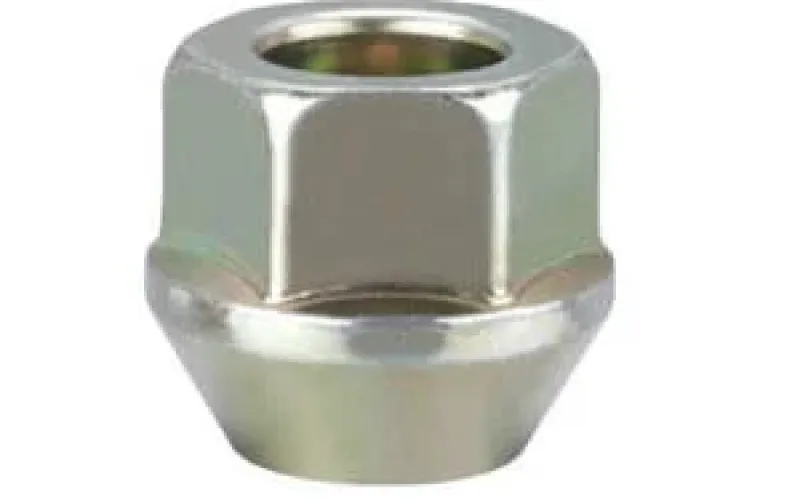
| Open Ended | Threaded all the way through, fits longer wheel studs. | Used in racing or with wheel spacers. |
| Lug Bolt | Threaded stem attached to a tapered head, bolts wheel directly to hub. | Common on European brands like BMW, VW, Audi. |
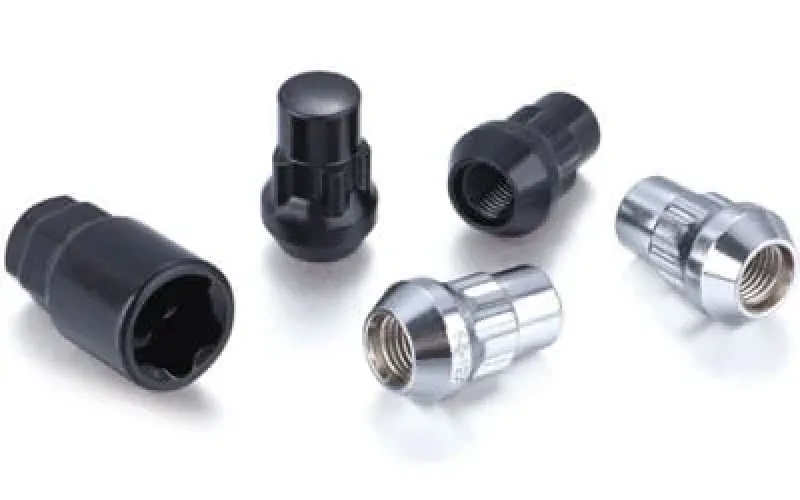
You may also see locking wheel nuts on many vehicles. These nuts use a special pattern or key, making it hard for thieves to remove your wheels. Spline drive lug nuts also use a unique tool, which adds another layer of security. When you use locking wheel nuts, you protect your wheels from theft. Both locking and spline drive types are popular for custom or high-value wheels.
Tip: Always keep the key for your locking wheel nuts in a safe place in your car. You will need it if you ever have to change a tire.
Here is a quick comparison between spline drive and locking wheel nuts:
| Feature | Spline Drive Lug Nuts | Locking Lug Nuts |
|---|---|---|
| Security | Needs a unique spline key, less accessible to thieves. | Closed-end with special groove patterns, but can be vulnerable if the key is found. |
| Application | Great for tight spaces and custom rims, often in high-performance or off-road vehicles. | Used for aftermarket wheels where theft protection matters. |
| Accessibility | More secure due to the special tool needed. | Can be easier to tamper with if the key is available. |
You will find lug nuts made from different materials. Each material has its own strengths. Steel lug nuts are strong and last a long time. Aluminum nuts are lighter and resist rust, but they cost more than steel. Titanium lug nuts are the lightest and resist corrosion best. Titanium also keeps its shine even in harsh weather, making it a top choice for people who live near the ocean or in humid places.
The finish on your lug nuts also matters. Chrome plating gives a shiny look and protects against rust. It covers the nut and keeps air away from the metal, stopping corrosion. Electrophoresis painting covers every part of the nut, even the corners, and gives great rust protection. However, it is not as tough as chrome when it comes to wear.
Note: Choosing the right material and finish for your lug nuts helps your wheels last longer and look better.

You might notice that not all vehicles use the same fasteners to hold their wheels. Most American and Japanese cars use lug nuts, which screw onto fixed studs that stick out from the hub. This setup makes it easy for you to line up the wheel and secure it with the nuts. Lug nuts also come in many styles, including locking wheel nuts and spline drive types, giving you more options for security and appearance.
Some European brands, like Audi, BMW, Volkswagen, and Mercedes-Benz, use lug bolts instead. You may wonder, why do some cars use lug bolts? Lug bolts thread directly into the hub, so you do not see any studs sticking out. This design gives a more consistent clamping force and can make the assembly process faster for manufacturers. German brands prefer lug bolts because they simplify production and reduce costs. If you want to fit wheel spacers or aftermarket wheels, you can buy longer wheel bolts. Replacing a worn lug bolt is often easier than dealing with a stripped stud.
Some high-performance cars and race cars use center-lock systems instead of multiple lug nuts or bolts. In this setup, you secure the wheel with a single large nut in the center. This design lets you change wheels much faster, which is important in motorsports. The center-lock system uses drive pins to transfer torque and often includes R-clips or tabs to prevent the nut from loosening.
| Feature | Center-Lock System | Traditional Lug Nut System |
|---|---|---|
| Fastening Mechanism | Single large nut in the center | Multiple smaller lug nuts |
| Wheel Change Speed | Quicker, especially in motorsports | Slower due to multiple nuts needing to be removed |
| Torque Transfer | Uses drive pins for better torque transfer | Relies on multiple lugs, which can strip |
| Retention Mechanism | R-clips or pop-out tabs to prevent loosening | Typically relies on friction and proper tightening |
| Design Compactness | More compact, allowing for larger brake discs | Less compact due to multiple lug nuts |
| Safety Risks | Potential for wheel loss if not properly tightened | Generally safer with multiple points of contact |
You see center-lock systems on cars where speed and performance matter most. The compact design can also make room for bigger brake discs.
You should know the strengths and weaknesses of each fastener type before choosing what works best for your car or tires.
| Feature | Lug Nuts | Wheel Bolts |
|---|---|---|
| Installation and Removal | Easier to install and remove; screw onto fixed studs | Require precision; must align with hub threads |
| Vehicle Compatibility | Common in American and Japanese vehicles | Mostly used in European models |
| Strength and Durability | Generally offer a more robust hold | Damage to hub threads can complicate installation |
| Convenience During Tire Changes | Allow for easier tire changes | More cumbersome due to alignment requirements |
| Customization Options | Various styles and finishes available | Fewer customization options |
Lug nuts make tire changes simple and quick. You can choose from many finishes, including locking wheel nuts for extra security. Lug bolts give a stable hold but can be harder to line up when you change wheels. Center-lock systems let you swap wheels fast, but you must tighten the nut correctly to avoid safety risks. Locking wheel nuts and locking systems protect your wheels from theft, but you need to keep the key handy.
Car tire nuts, lug nuts, and locking wheel nuts all play a big part in keeping your wheels and tires safe. Knowing the differences helps you make the right choice for your vehicle.
You need to install lug nuts with the correct torque to keep your wheels safe. Using too much torque can damage the nuts, studs, or even the wheels. Too little torque can let the nuts loosen over time. Both over-torquing and under-torquing can cause problems:
Always use a torque wrench to tighten lug nuts. Follow your vehicle’s specifications for lug nut torque. Tighten the nuts in a star or cross pattern to spread the force evenly. This helps prevent warping and keeps your wheels secure.
Regular checks help you spot issues before they become dangerous. Inspect your lug nuts, wheels, and brakes for wear or damage. After installing new tires, re-torque the nuts after about 50 miles. This step ensures the nuts stay tight as the wheels settle.
Locking wheel nuts need special attention. Keep your locking lug nut key in a safe place for easy removal if needed.
You should replace lug nuts if you notice any of these signs:
Over time, steel nuts can corrode and expand, making removal difficult. If you struggle with removing locking lug nuts or standard nuts, consider replacement. Here are the steps for safe removal and replacement:
Proper care of your lug nuts, including locking types, keeps your wheels secure and your ride safe.
You depend on lug nuts to keep your wheels secure and your tires safe. Regular inspection and correct torque help prevent problems like loose or damaged lug nuts. Trusted manufacturers such as Fortune use strong materials and strict quality checks, giving you peace of mind. Locking lug nuts protect your wheels from theft and add extra safety. If you notice swollen or rusty lug nuts, or struggle with locking nuts, you should ask a professional for help.
Loose lug nuts can cause your wheel to wobble or even detach. You risk losing control of your car. Always check and tighten lug nuts to the correct torque before driving.
You should check your lug nuts every time you rotate your tires or after any wheel service. After installing new wheels, recheck the torque after driving 50 miles.
You can reuse lug nuts if they show no signs of damage, rust, or wear. If you see rounded edges, stripped threads, or corrosion, replace them right away for safety.
You need a torque wrench to tighten lug nuts to the correct specification. A lug wrench helps remove or install nuts, but only a torque wrench ensures proper tightness.
Tip: Always follow your vehicle’s manual for the correct torque value. This keeps your wheels secure and prevents damage.
 Request a quote