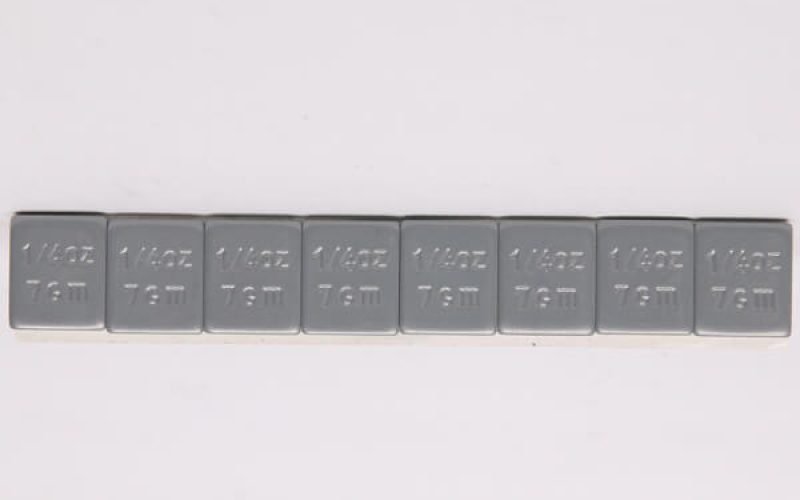
 07Apr
07Apr 

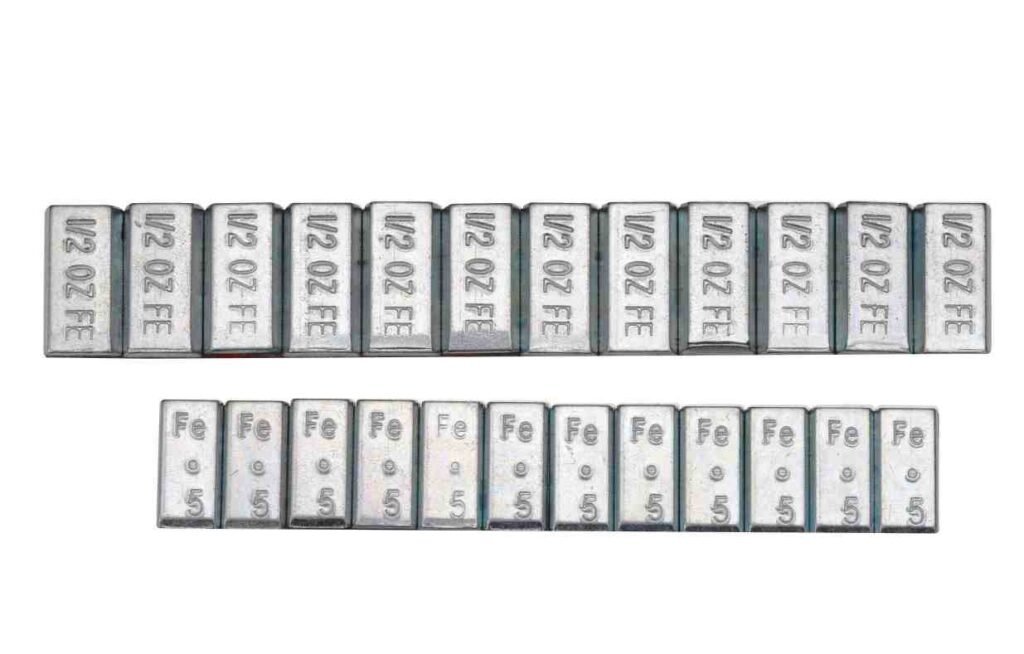
Yes, you can use viscous weights on steel wheels. To ensure a smooth and safe ride, you need to dynamically balance your wheels. If the wheels are unbalanced, the steering wheel may vibrate, and you’ll feel a bumpy ride. Choosing the right viscous weights can help improve vehicle performance and ensure your safety. Here are a few of the most important aspects:
| Factor | Why It Matters |
|---|---|
| Unbalanced Wheels | It will cause the car to shake and may damage the suspension system. |
| Precision of adhesive counterweight | Eliminate shaking for a smoother ride. |
| Environmental factors | Choosing lead-free products can protect your own safety as well as the environment. |
| Installation Best Practices | To achieve the best results, these steps must be performed correctly. |
Key Takeaways
- Steel wheels can utilize adhesive counterweights for a smooth and safe riding experience.
- Proper surface preparation is crucial; clean and dry the wheel rim, ensuring the counterweights adhere firmly.
- Check the clearance between the wheel rim and brake calipers to prevent counterweights from rubbing or falling off.
- Adhesive counterweights not only offer a cleaner look but also protect the wheel rim from damage and moisture.
- Regularly inspect the wheel rim for loose counterweights and signs of rust to ensure optimal wheel performance.
Adhesive Wheel Weights on Steel Wheels
Compatibility and Adhesion
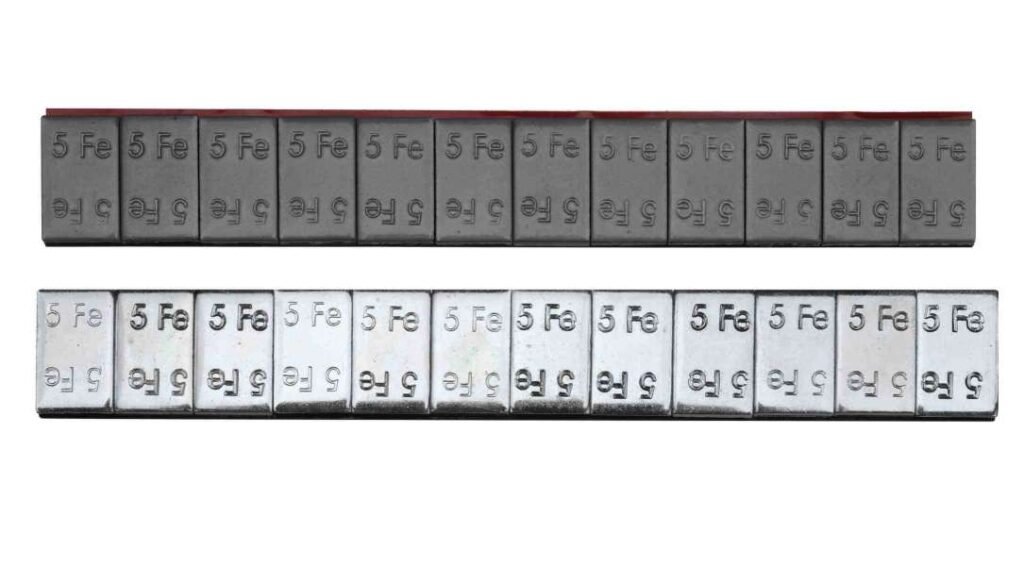
To maintain wheel balance and safety, you need to choose suitable counterweights for steel wheels. Many brands, such as FORTUNE, design adhesive counterweights suitable for various wheels, including steel wheels. These counterweights adhere to the wheel using strong adhesive tape, providing both a neat appearance and stability.
Before attaching any counterweights, there are a few things you need to check. To ensure the counterweights adhere firmly, you must pre-treat the wheel surface. Here are the specific steps:
- Ensure the wheel rim is clean and dry.
- Remove all dirt, grease, and rust from the area where the counterweights will be placed.
- If your wheel rim has paint or a coating, you may need to lightly sand it. This helps the counterweights adhere better.
Following these steps helps prolong the adhesive’s bonding strength and ensures the wheel remains balanced even after extended mileage.
Tip: Be patient and meticulous with the surface preparation. Spending a few extra minutes now can prevent problems later.
Caliper Clearance and Application Areas
You also need to consider space. The space between the wheel and the brake caliper is important. If there isn’t enough space, the weights may rub or fall off. In most cases, adhesive weights require at least half an inch (about 1.3 cm) of space to install securely.
- Check the clearance between the wheel and the brake caliper.
- Find a flat area on the wheel where you can attach the weights.
- Make sure the weights won’t be touched or scraped by anything when the wheel is turning.
If you follow these steps, you can confidently use adhesive weights on steel rims. This is both aesthetically pleasing and ensures good riding balance.
Pros and Cons of Adhesive Wheel Weights on Steel Wheels
Benefits of Adhesive Weights
You might wonder why so many people choose adhesive weights for steel wheels. Let’s look at some of its practical advantages:
- Smaller appearance. These weights lie flat on the rim, without any visible bulky clips or metal parts.
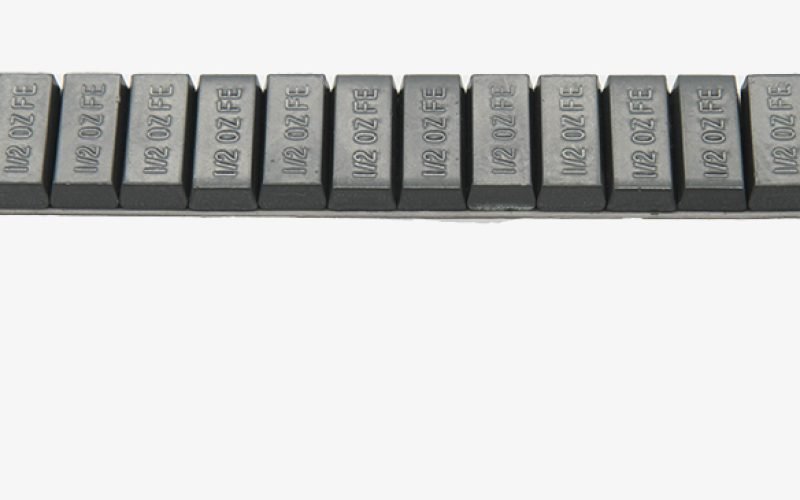
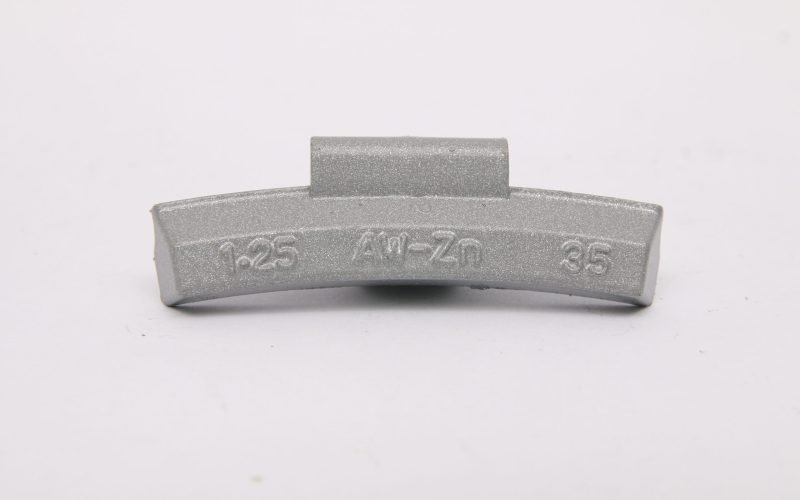
- Diverse material options. FORTUNE offers weights in steel, lead, and zinc. You can choose the right weights for your vehicle and style.
- Prevents damage to rim edges. Clip-on weights can scratch or bend rim edges, while adhesive weights don’t touch the rim edges at all.
- More convenient to use. No need to bother choosing from various clip-on weights. One type of weight fits multiple rims.
- Enhanced safety. At high speeds, centrifugal force helps hold the weights firmly in place.
- Protects rims from moisture. Clip-on weights can sometimes allow water to seep in, causing rust. Adhesive weights cover the rim surface, helping to prevent corrosion.
Tip: If you value the appearance of your wheels, adhesive wheel balancers are a great option. They blend seamlessly with the wheels, making them look even more aesthetically pleasing.
Drawbacks and Limitations
Adhesive wheel balance weights have some drawbacks you should be aware of:
- They are relatively time-consuming to install. The wheel rim needs to be cleaned and prepared before application.
- They are not reusable. Once removed, new balance weights are needed for the next balancing attempt.
- The available placement of balance weights may be limited. Steel wheel rims typically have less surface area than alloy wheels.
- The balance weights may fall off if surface preparation is neglected or instructions are not followed. Always check that the size is correct and follow the installation guidelines.
If you want a good-looking wheel rim and reduce the risk of wheel damage, adhesive wheel balance weights are a good option. Just remember to be patient and meticulous during installation and check the wheel rim frequently.
Installation Tips for Adhesive Wheel Weights

Surface Preparation Steps
Preparing the steel wheel is the most crucial step in the entire installation process. If this step is omitted, the counterweight may not adhere securely. Here’s a professional wheel preparation method:
- Clean the rim surface with a solvent or alcohol. This will remove dirt, grease, and brake dust.
- Dry the surface with a microfiber towel, ensuring no moisture remains.
- Inspect the rim in good light. Ensure the rim surface is clean and dry.
Tip: Never use oily cleaners. They will leave a film on the surface, hindering adhesive bonding.
Proper Application Techniques
Now you can install the adhesive wheel weights. Please follow these steps to ensure a secure installation:
- Inspect the wheel rim for damage. Ensure the surface is smooth and flat.
- Measure and cut the weights to the required size.
- Peel off the adhesive backing. Avoid touching the adhesive side as much as possible.
- Attach the weight to the clean, flat surface.
- Press firmly. Smooth out the adhesive and remove any air bubbles.
Gently press the edges to check adhesion. Wait at least 24 hours before driving. This helps the weights adhere firmly to the wheel rim, maintaining stability even at high speeds.
Maintenance and Longevity
You certainly want your sticky wheel weights to last. FORTUNE uses advanced tape solutions and strong adhesives. These properties help the weights adhere firmly and remain stable even in harsh weather. Here’s why:
| Feature | Description |
|---|---|
| Powder-coated finish | It prevents rust and seals the metal, preventing moisture from getting in. |
| Galvanized surface | It forms a corrosion-resistant barrier. |
| Strong adhesive | Even in humid environments, the counterweight can be firmly attached to the object. |
You should inspect your wheels every few months. Check for loose weights or signs of rust. If you live in an area with extremely hot or cold climates, be aware that temperature affects the adhesive. In hot weather, the adhesive softens; in cold weather, it becomes brittle. Keeping your wheels clean helps extend the life of the weights.
For best results, always follow the manufacturer’s instructions. Thorough preparation and careful operation are essential.
Alternatives to Adhesive Wheel Weights
Clip-On Weights Overview
You may often see clip-on counterweights on steel wheels. These counterweights clip onto the rim and hold firmly in place. Installing them requires special tools, but the process is quick. Clip-on counterweights are easy to identify because they are located on the edge of the rim. They are ideal for steel wheels, especially where the rim edge is wide.
Below is a brief comparison of adhesive counterweights and clip-on counterweights:
| Feature | Stick-On Weights | Clip-On Weights |
|---|---|---|
| Installation Method | Adhesive, needs to be cleaned | Clamped onto the rim, requires tools |
| Visibility | Low profile, discreet | It’s more eye-catching, but less aesthetically pleasing |
| Ease of Replacement | Easy to replace | Installation and adjustment are quick and easy |
| Suitability for Wheels | Perfect for alloy wheels | Best suited for steel wheels |
| Durability | May lose adhesion | Secure once installed |
Clip-on counterweights are securely installed and reliably fixed even in harsh conditions such as off-road terrain or snow. They remain firmly in place even after driving over bumpy or muddy roads.
Note: If you require quick installation and don’t mind the appearance, clip-on counterweights are ideal for steel wheels.
Choosing the Right Weight Type
There are many options for wheel counterweights. Choosing the right counterweight depends on your wheels, your driving style, and your driving habits. Here are some factors to consider:
- Wheel Type: Clip-on counterweights are best suited for wheels with thicker rims. Adhesive counterweights are better suited for modern, stylish wheels.
- Aesthetic Preference: Adhesive counterweights look cleaner. If you value the appearance of your wheels, adhesive counterweights may be your preferred choice.
- Driving Environment: Clip-on counterweights have a longer lifespan in inclement weather or on rough roads.
Next, let’s look at installation time and ease of use:
| Type of Weight | Installation Time | Ease of Use | Advantages | Disadvantages |
|---|---|---|---|---|
| Clip-on Wheel Weights | Quick and easy | Easy | Snap onto wheels, improve stability | More visible, needs tools |
| Adhesive Wheel Weights | Moderate | Moderate | Cleaner look, eco-friendly | Needs prep, may lose adhesion |
You should choose the appropriate weight distribution based on your needs. If you prioritize a clean and aesthetically pleasing design and don’t mind spending a little more time, then adhesive weights are a good choice. If you require a robust, durable, and fast weight distribution, then clip-on weights are suitable for steel wheels.
Tip: Before deciding, consider your driving habits and wheel type. Proper weight distribution ensures a smooth and safe ride.
Adhesive Wheel Weight Issues and Solutions
Preventing Weights from Falling Off
You certainly want your wheel weights to stay fixed, right? But sometimes they do come loose, which can affect your driving experience. Here are some common reasons why this happens:
| Issue | Causes | Solutions |
|---|---|---|
| Poor Adhesion | Dirty wheel hub surface, ineffective adhesive, improper installation | Clean the wheels using a high-quality product and follow the steps |
| Weights Falling Off | Rapid temperature changes, loose clothing | Use heat-resistant tape to check the location |
| Unbalanced Wheels | If the size or position is incorrect, the heavy object may move or fall off | Choose the appropriate size, rebalance, and secure any loose weight |
Most of these problems can be prevented. Simply follow these steps:
- Clean the rims thoroughly with alcohol or a specialized cleaner.
- Choose high-quality adhesive wheel weights from a reputable brand.
- Press the weights firmly and allow them to set for an appropriate amount of time to ensure they adhere securely.
- Inspect the wheels every few months to check for loose weights.
Tip: If you are driving in hot or cold weather, check the counterweight more frequently. Extreme temperatures can reduce the strength of the adhesive.
Addressing Corrosion and Surface Damage
Steel wheels can rust if not handled carefully. Moisture and road salt can seep under the counterweights, causing problems. You’ll definitely want to keep your wheels looking good and functioning well. Here are some maintenance tips:
- Be sure to clean and dry the wheels before attaching the counterweights.
- Use powder-coated or galvanized counterweights. These coatings help prevent water and salt damage.
- Avoid scratching the wheels when installing or removing counterweights. Scratches can lead to rust.
- If rust is found, remove it and touch up the paint before installing new counterweights.
Note: Regular inspections help detect problems early. If you find the counterweights loose or rusted, repair them immediately. This will ensure the wheels are securely attached.
By following these simple steps, you can ensure your adhesive counterweights are firmly attached and extend the life of your steel wheels.
You can use adhesive weights on steel wheels if you follow the correct steps. Here are some things you should keep in mind:
- Proper wheel balance makes your ride smoother and safer.
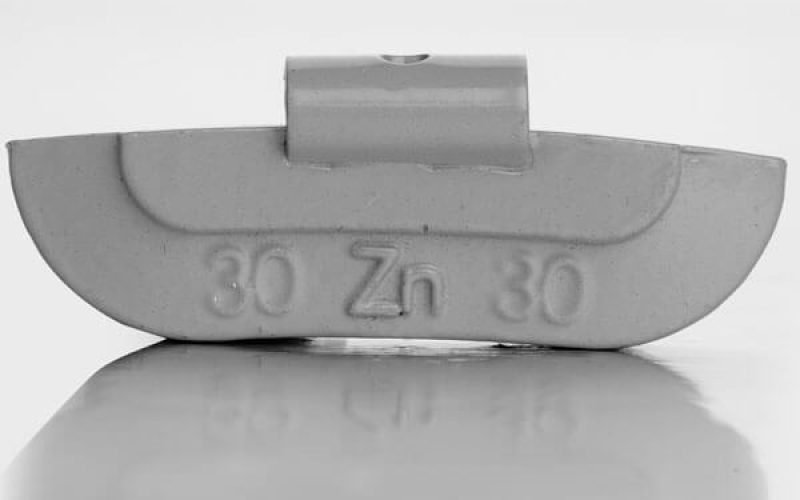
- Zinc and steel weights help reduce tire wear and vibration.
- The adhesive backing makes installation easy—no additional tools required.
- Zinc and steel are environmentally friendly and rust-resistant.
| FORTUNE Feature | Why It Matters |
|---|---|
| Strong materials | Durable even in harsh weather |
| Advanced adhesive | The counterweight position remains unchanged with each drive |
| Rust protection | Helps keep wheels looking new |
Choose the weight that suits your needs. Safety and performance are always our top priorities!
FAQ
Can you use adhesive wheel weights on any steel wheel?
Yes, most steel wheels can use adhesive counterweights. Just make sure there’s a flat, clean surface on the wheel rim to attach the counterweights. Make sure there’s enough space around the brake calipers.
How do you keep sticky weights from falling off?
You need to thoroughly clean the wheel rim surface. Wipe it with alcohol and let it air dry. Press the counterweight firmly. Wait at least 24 hours before driving. High-quality products like FORTUNE help the counterweight stay firmly in place on the wheel rim.
Do adhesive wheel weights affect wheel appearance?
Adhesive wheel weights can give your wheels a cleaner look. You can choose colors like black, silver, or chrome. They blend seamlessly with the wheel, unlike clip-on weights which can look out of place.
What should you do if a weight falls off?
If a weight comes loose, clean the area again. Use a new adhesive weight. Rebalance the wheels for a smooth ride. Check the wheels regularly to detect any loose weights early.
Are adhesive wheel weights safe for all driving conditions?
Adhesive wheel weights work effectively in most situations. FORTUNE uses high-strength tape that can withstand high temperatures, low temperatures, and humid environments. You should check your wheels after rough roads or extreme weather.

 Request a quote