 09Apr
09Apr 

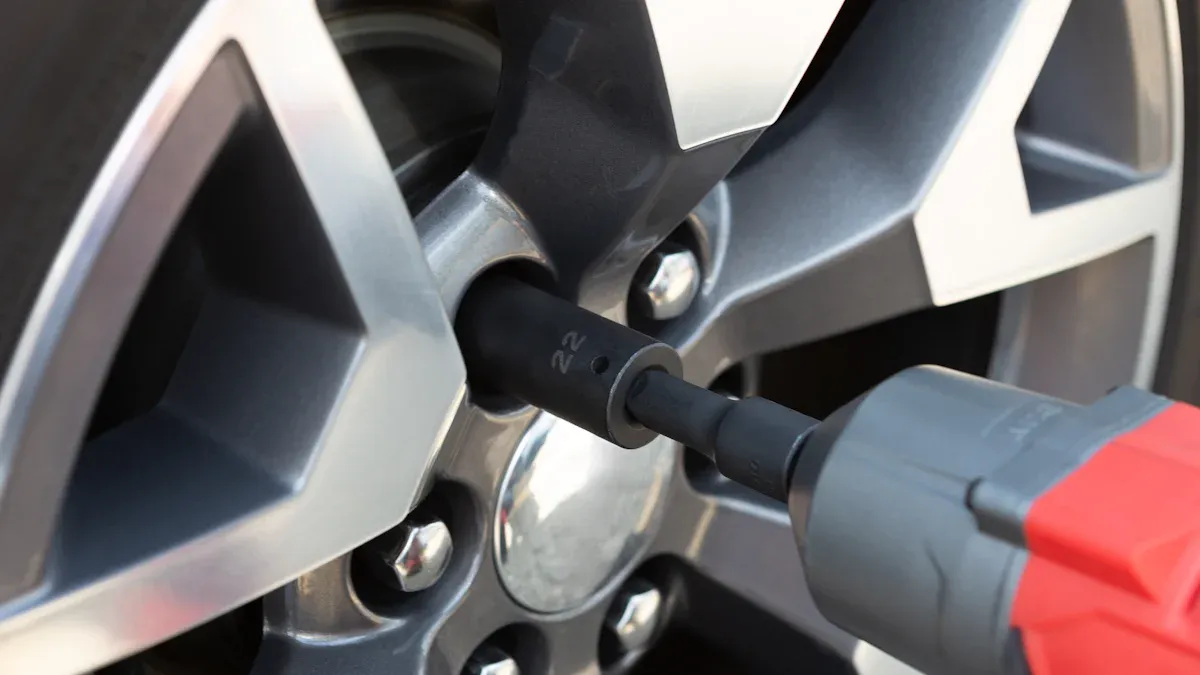
You might overlook tire valve caps, but they play a big role in keeping your tires safe. These tiny guardians for your tires help seal the valve and stop air from leaking out. When you use a good valve cap, you keep dirt, dust, and water away from the valve. This protection helps maintain tire pressure and stops slow leaks.
Even one missing tire valve cap can lead to bigger problems, like flat tires or costly repairs.
The Importance of Valve Caps for Tire Pressure
Preventing Air Leaks with Tire Valve Caps
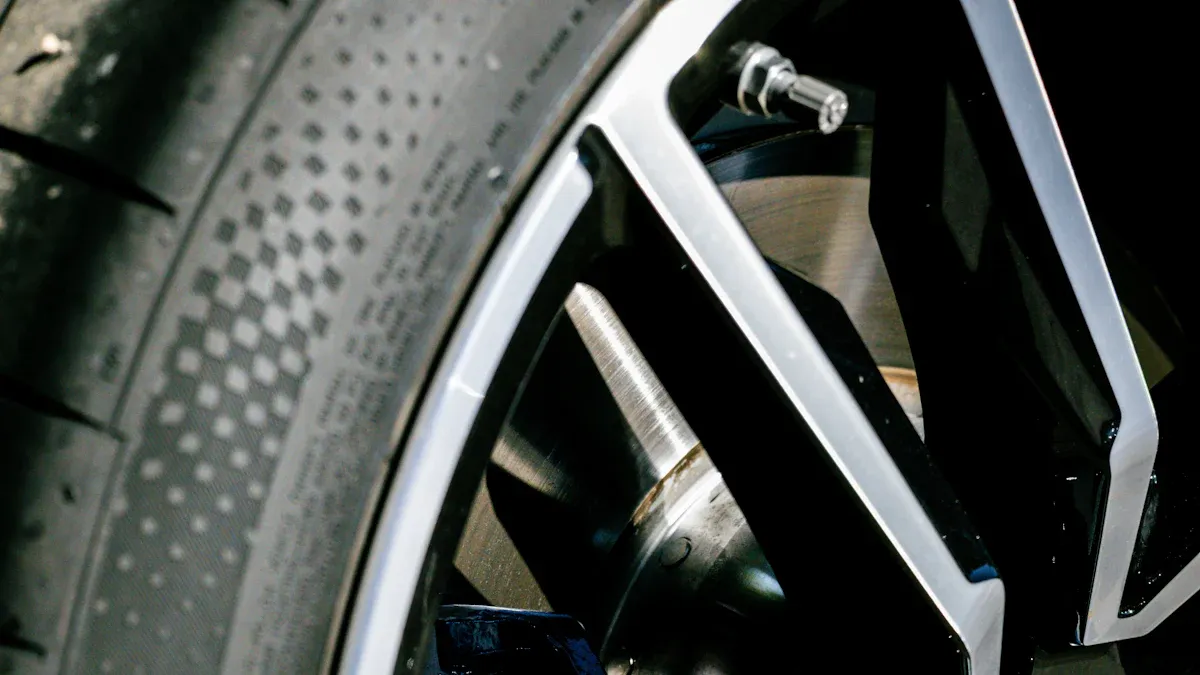
You might think tire valve caps are just for looks, but they play a big role in preventing air leakage. When you screw a cap onto the valve stem, you add an extra layer of protection that helps maintain tire pressure. The cap acts as a backup seal. If the valve core does not close tightly, the cap can stop air from escaping. This simple step can help maintain proper tire pressure and keep your tires in good shape.
If you drive without tire valve caps, you risk slow leaks that can lead to underinflated tires. Underinflation can cause your tires to wear out faster and may even lead to a blowout. By using tire caps, you help maintain tire pressure and avoid these problems. The benefits of using tire valve caps include fewer trips to the gas station for air and less worry about sudden flats.
Tip: Always check that your tire valve caps are tight after filling your tires. This small habit can prevent air leakage and save you money on repairs.
Blocking Dirt, Dust, and Moisture
Tire valve caps do more than just prevent air from leaking. They also keep dirt and debris out of the valve stem. When you drive, your tires kick up all kinds of contaminants from the road. Without a cap, these particles can get inside the valve and cause trouble.
Here are some common contaminants that can enter tire valves without caps:
- Dirt and dust
- Road debris and sand
- Snow and water
- Moisture from rain or puddles
These contaminants can clog the valve, damage the valve core, and interfere with the valve’s ability to seal. Moisture is especially dangerous. In cold weather, water inside the valve can freeze. This can block the valve or force it open, leading to air loss. Over time, these problems can make it hard to inflate your tires or keep them at the right pressure.
By using tire valve caps, you protect tire valves from these threats. The cap acts as a shield, blocking dirt, dust, and moisture before they reach the valve. This simple step helps you avoid gradual air loss and keeps your tires ready for the road.
Protecting the Valve Core from Damage
The valve core is a small but important part inside the valve stem. It controls the flow of air in and out of your tire. If dirt or sand gets inside, it can scratch or damage the valve core. This damage can make the valve leak or even fail completely.
Tire valve caps help protect the valve core from damage by sealing off the opening. When you use quality tire caps, you reduce the risk of contaminants entering the valve. This helps the valve core last longer and work better.
Protecting valve stems and cores is key to maintaining proper tire pressure. If you ignore this step, you may face problems like:
- Gradual loss of air pressure
- Difficulty inflating your tires
- Flat tires or sudden blowouts
The importance of valve caps becomes clear when you see how much they do to protect your tires. They help maintain tire pressure, prevent air leakage, and keep dirt and debris out. By protecting valve stems, you make your tires safer and more reliable.
The Significance of Tire Valve Caps in Everyday Driving
Consistent Tire Pressure for Safety and Performance
You rely on your tires every time you drive. Tire valve caps help you keep consistent tire pressure, which is key for tire safety and performance. When you use tire valve caps, you protect the valve stem from dirt, debris, and moisture. This protection stops leaks and keeps your tires at the right pressure.
- Tire valve caps prevent dirt, debris, and moisture from entering the valve stem.
- They add an extra seal to stop slow air loss from damaged or loose valves.
- In cold weather, they keep water out, so it cannot freeze inside the valve.
- Consistent tire pressure means better gas mileage, smoother rides, and less tire wear.
- Regularly using and replacing tire valve caps is essential for maintaining tire pressure and safety.
When you keep your tire valve caps in place, you help your tires last longer and perform better on the road.
Avoiding Unexpected Tire Repairs
No one likes surprise repairs. Tire valve caps play a big role in helping you avoid them. Without these small parts, air leaks can happen more often. Over time, this can lead to flat tires or even blowouts. You might find yourself stranded or facing costly repairs.
- Tire valve caps seal the Schrader valve, blocking water, dirt, and road salt.
- Missing caps increase air leaks, which leads to faster tire wear and lower fuel efficiency.
- Low tire pressure raises tire temperature, especially at high speeds, and increases the risk of blowouts.
- Blowouts and tire damage can cause accidents and expensive repairs.
- Tire valve caps are small and easy to lose, so check them often to monitor tire health.
By checking your tire valve caps regularly, you reduce the risk of sudden tire problems and keep your car running smoothly.
Impact on Fuel Efficiency and Tire Wear
Tire valve caps do more than just protect the valve. They help you save money and keep your tires in good shape. When you maintain proper tire pressure, your car uses less fuel and your tires wear evenly. Missing or damaged tire valve caps can lead to slow air leaks. This causes your tires to lose pressure, which makes your car work harder and burn more gas.
- Tire valve caps prevent dirt and debris from entering the tire’s air valve.
- Tires without caps can start to leak air, raising your risk on the road.
- Proper tire valve caps help you maintain proper tire pressure, which improves fuel efficiency and reduces tire wear.
The significance of tire valve caps becomes clear when you see how much they help with everyday driving. By using them, you keep consistent tire pressure, avoid unexpected repairs, and save money on fuel and tires.
What Happens If You Ignore Tire Valve Maintenance
Risks of Driving Without Valve Caps
If you drive without caps on your tire valves, you put your tires at risk. Without this small part, the valve stem faces dirt, moisture, and road debris every time you drive. These elements can sneak into the valve and cause slow leaks. Over time, you may notice your tires lose air faster than usual. You might even face a flat tire when you least expect it. Driving without caps also increases the chance of valve core damage, which can lead to sudden air loss. You can avoid these problems by making tire valve maintenance a regular habit.
Consequences of Damaged or Poor-Quality Caps
Not all valve caps offer the same protection. Damaged or poor-quality caps fail to keep out dirt and moisture. When you use weak or broken caps, you expose your valve stems to harmful elements. Here is what can happen:
- Valve caps shield the valve stem from dirt and moisture.
- Damaged or missing caps allow debris to enter, causing slow leaks or valve core damage.
- Routine inspection and replacement of valve caps prevent air loss and tire failure.
- Moisture entering the valve can freeze and depress the valve core, causing air leaks.
- High-quality valve caps help maintain tire pressure even if the valve core fails.
You protect your tires and save money on repairs by choosing strong, well-made caps and checking them often.
How Contaminants Lead to Air Loss
Contaminants like dirt, dust, and road salt can cause big problems for your tires. When you skip tire maintenance or use poor caps, these particles get inside the valve stem. Dirt and debris can block the valve or damage the valve core. Moisture can freeze in cold weather and force the valve open, letting air escape. Over time, these issues lead to slow leaks and underinflated tires. Protecting valve stems from contaminants is key to preventing air leakage and keeping your tires safe.
Tip: Check your valve caps every time you inspect your tires. Replace any missing or damaged caps right away to keep contaminants out.
Choosing the Right Tire Valve Caps

Plastic vs. Metal Valve Caps
You have two main choices when picking tire valve caps: plastic or metal. Each type works well in different situations. The table below shows how they compare:
| Aspect | Metal Valve Caps | Plastic Valve Caps |
|---|---|---|
| Material | Brass or aluminum | Synthetic rubber or plastic |
| Durability | Lasts up to 10+ years | Needs replacement more often |
| Corrosion Resistance | Can corrode, needs upkeep | Resists moisture, less corrosion |
| Flexibility | Rigid, breaks on impact | Flexible, good for rough roads |
| Installation | Needs special tools sometimes | Easy to install and remove |
| Maintenance | Needs regular checks | Needs less maintenance |
| Cost | More expensive | Less expensive |
| Seal Quality | Tighter seal, stable pressure | Adequate seal, less rigid |
| Usability | Smaller, harder to handle | Larger, easier to use |
Plastic valve caps work best for most drivers. They resist corrosion and are easy to use. Metal caps last longer but can stick to the valve stem if you do not check them often. If you store your car in a garage or use a cover, you help both types last longer.
Specialty Valve Caps and Their Benefits
Specialty tire caps offer extra features for special needs. You might want these if you drive in tough conditions or need more protection. Here are some benefits:
- Metal specialty caps handle high heat, making them great for racing or long highway trips.
- Many have rubber washers or O-rings. These parts give a better seal and stop leaks, even if the valve core fails.
- Some metal caps have special shapes, like knurled or hex heads. These make them easier to tighten or loosen.
- Plastic dome caps work well for daily driving but may not last as long in extreme heat.
Specialty caps help keep your tires safe and your valve stems clean. They give you peace of mind if you drive in harsh weather or push your car to its limits.
Tips for Selecting Quality Valve Caps
You want tire valve caps that last and protect your tires. Look for these features:
| Criterion | What to Look For |
|---|---|
| Material | Choose metal for durability or plastic for ease. |
| Grip Design | Pick caps with a good grip for easy handling. |
| Weather Resistance | Make sure they block dust, dirt, and water. |
| Versatility | Check if they fit your car, bike, or motorcycle. |
| Seals | Look for O-rings or grommets for better sealing. |
Quality tire caps keep dirt out, help maintain air pressure, and protect against rust. They also stop water from freezing inside the valve in winter. By choosing the right caps, you enjoy the benefits of using tire valve caps, like better gas mileage and longer tire life.
The Importance of Valve Cap Colors
Color-Coded Caps for Nitrogen or Air
You may notice that some vehicles use green valve caps, while others use black or silver. These colors help you know what type of gas fills your tires. Green valve caps usually mean the tire contains nitrogen. Black or silver caps often show that the tire uses regular air. This color-coding system helps you and your mechanic avoid mistakes when adding air or nitrogen. You can check the color before you fill your tires. This simple step saves time and prevents mixing gases.
Tip: Always match the cap color to the gas inside your tire. This keeps your tire pressure stable and helps your tires last longer.
Easy Identification and Maintenance
Valve cap colors make tire maintenance easier. You can spot missing or mismatched caps quickly. If you see a tire with a different color cap, you know to check it. This helps you keep all your tires in good shape. You do not need to guess which tires have nitrogen or air. The color tells you right away. This makes routine checks faster and more accurate.
Here is a quick guide:
| Cap Color | Gas Type |
|---|---|
| Green | Nitrogen |
| Black | Regular Air |
| Silver | Regular Air |
You can use this table to remember what each color means.
Preventing Mix-Ups and Enhancing Safety
You want to avoid mixing nitrogen and regular air in your tires. Mixing gases can change tire pressure and affect performance. Color-coded caps help you prevent these mix-ups. You can see the color and know what to add. This keeps your tires safe and your car running well. The importance of valve cap colors becomes clear when you see how they help you avoid mistakes and keep your tires in top condition.
Note: Always replace lost or damaged caps with the correct color to maintain safety and accuracy.
Practical Tire Valve Maintenance Tips
How to Inspect Your Valve Caps
You can keep your tires in top shape by checking your valve caps often. Start by making sure each tire has a cap in place. Look for cracks, splits, or signs of wear on the caps. If you see any damage, replace the cap right away. Clean caps help block dirt and moisture from entering the valve stem.
Follow these steps for a complete inspection:
- Keep a reliable tire pressure gauge in your vehicle.
- Remove the valve cap before measuring tire pressure.
- Place the gauge firmly on the valve stem and press down to get a reading.
- Listen for a brief hiss of air as you check the pressure.
- Compare the reading to the recommended tire pressure on your vehicle’s placard.
- Adjust the pressure if needed.
- Check your tire pressure and valve caps at least once a month, especially when the tires are cold.
Regular inspections help you spot problems early and keep your tires safe.
When and How to Replace Valve Caps
You should replace valve caps if you notice cracks, missing pieces, or if they no longer fit tightly. Damaged caps cannot protect the valve stem from dirt or moisture. Replacing a cap is simple. Just unscrew the old one and screw on a new cap by hand until it feels snug.
The cost of replacing valve caps is low compared to the price of tire repairs. The table below shows how much you might spend:
| Item | Cost Range (USD) | Notes |
|---|---|---|
| Valve stem or valve stem cap replacement | $15 to $30 per tire | Standard professional repair cost |
| TPMS valve stem repair | $50 to $100+ | Higher cost due to sensor complexity |
| DIY valve stem repair kit | $10 to $25 | Includes parts for simple repairs |
| Valve stem tool | $5 to $15 | Tool cost for DIY repairs |
| Total DIY cost estimate | Generally less than $30 | Sum of kit and tool costs |
| Potential consequences of neglect | N/A | Corrosion, air leaks, valve stem damage, loss of tire pressure, handling issues, sensor or tire replacement costs |
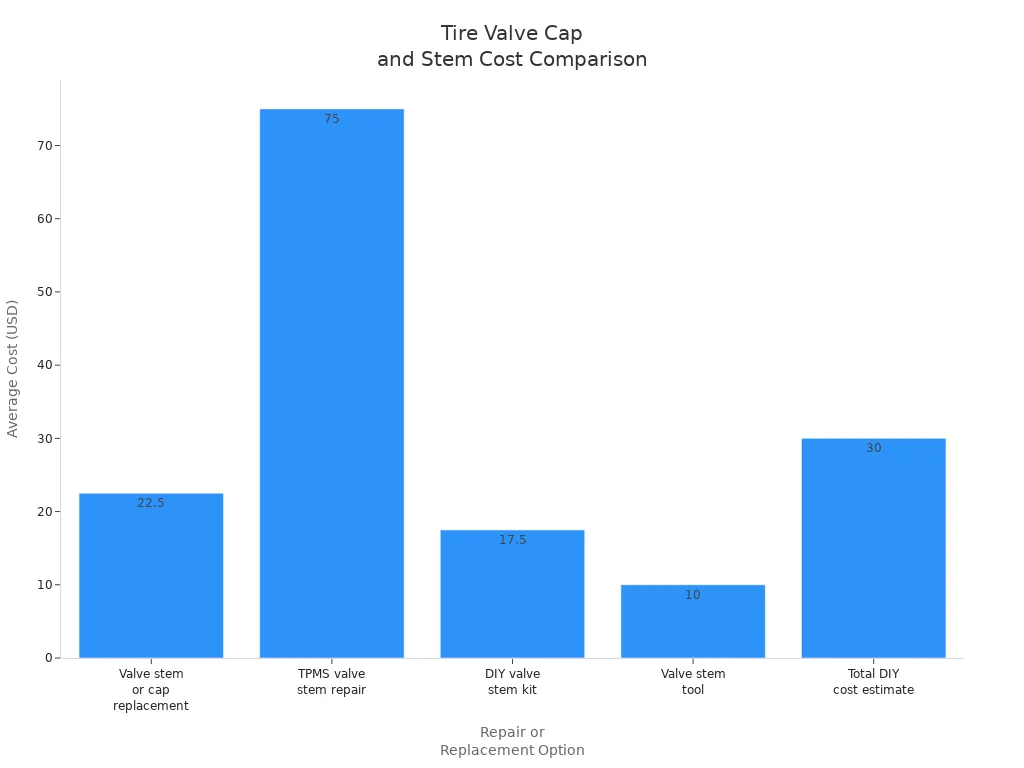
Replacing valve caps during regular maintenance saves you money and helps prevent bigger problems.
Where to Find Reliable Valve Caps
You can find quality valve caps at auto parts stores, tire shops, or online retailers. Look for caps made from strong materials like plastic or metal. Choose caps that fit your vehicle’s valve stems. Some specialty caps offer extra protection against dirt and moisture. Ask your mechanic for advice if you are unsure which type to buy.
Good tire valve maintenance is a key part of tire maintenance. By checking and replacing valve caps as needed, you help your tires last longer and keep your vehicle safe.
Tire valve caps do more than just cover the valve. You help your tires last longer and drive safer when you check and replace them regularly.
- Keeping tire valve caps in place prevents air leaks and blocks dirt or moisture.
- Regular maintenance supports better fuel efficiency and reduces the risk of blowouts.
- Choosing the right cap material, like metal or rubber, can extend tire life.
Valve caps protect the valve stem from dirt and moisture, preventing damage that could lead to pressure loss and costly repairs.
FAQ
Do tire valve caps actually prevent air leaks?
Yes, tire valve caps help prevent slow air leaks. They act as a backup seal if the valve core does not close tightly. You keep your tire pressure stable when you use quality caps.
How often should you check or replace tire valve caps?
You should check your valve caps every month. Replace any cap that looks cracked, loose, or missing. Regular checks help you avoid air loss and keep your tires safe.
Can you drive without tire valve caps?
You can drive without them, but you risk dirt and moisture entering the valve. This can cause slow leaks or valve damage. Always keep caps on your tire valves for best protection.
Are colored valve caps only for looks?
Colored valve caps do more than look good. Green caps usually mean the tire has nitrogen. Black or silver caps show regular air. This color system helps you and your mechanic avoid mistakes during tire maintenance.
Where can you buy quality tire valve caps?
You can buy quality valve caps at auto parts stores, tire shops, or online. Look for caps made from strong plastic or metal. Choose ones that fit your vehicle’s valve stems for the best results.
 Request a quote