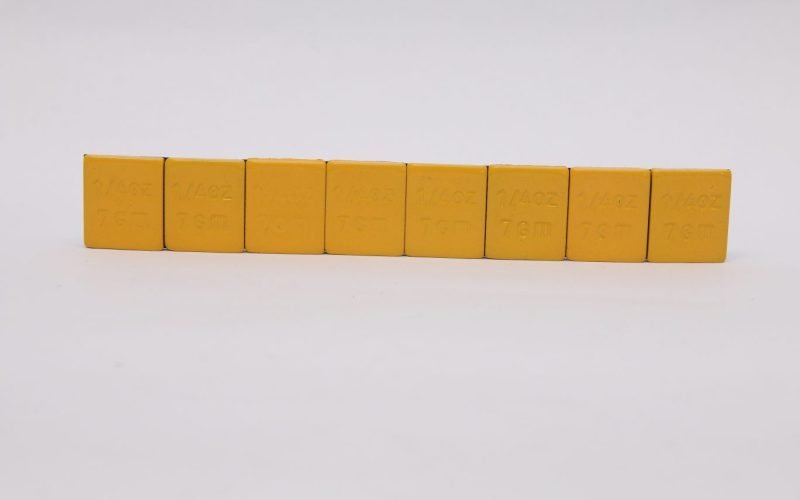
 30Mar
30Mar 

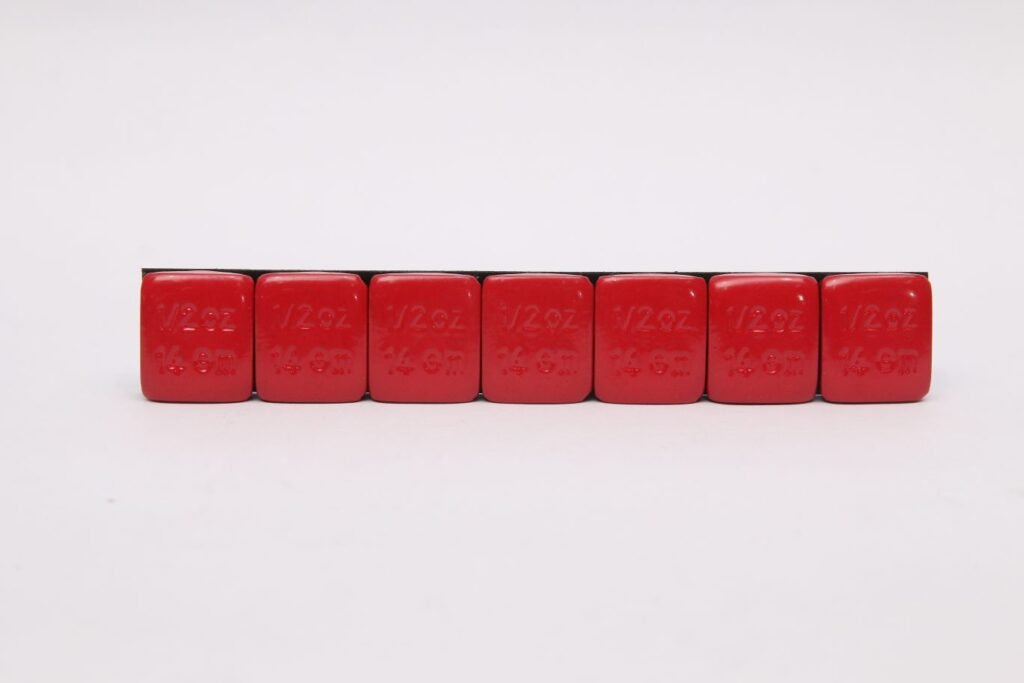
Yes, you can certainly use adhesive wheel weights on steel rims. However, before proceeding, there are a few important considerations you should keep in mind. Fortune Wheel Weights offers both adhesive and clip-on options, helping you select the solution best suited for your specific rims. Please refer to this concise guide for a detailed comparison of these two types:
| Type of Wheel Weight | Suitability | Advantages |
|---|---|---|
| Clip-on | Ideal for hubs with rim edges | Firm and unyielding; capable of withstanding immense force |
| Stick-on | Best suited for flat, smooth rims | Easy to install, and unlikely to fall off due to bumps |
Choosing the right weight helps you achieve better balance and provides a smoother riding experience.
Key Takeaways
- Adhesive wheel weights are ideally suited for steel wheels. Not only do they enhance the aesthetic appeal of the wheels, but they also effectively prevent damage to the rim.
- Prior to application, please ensure that the wheel surface is thoroughly cleaned and dried to guarantee optimal adhesion of the bonding agent.
- Adhesive weights allow for precise placement at the exact location where they are needed. This facilitates proper wheel balancing, resulting in a smoother driving experience while also contributing to fuel efficiency.
- Fortune wheel weights are built for durability, maintaining their performance even under harsh operating conditions. They feature a high-strength adhesive and are protected by a protective coating.
- Following installation, please periodically inspect the weights to ensure they remain firmly in place. If a weight becomes dislodged, please replace it promptly.
Stick On Weights And Steel Wheels
Compatibility And Adhesion
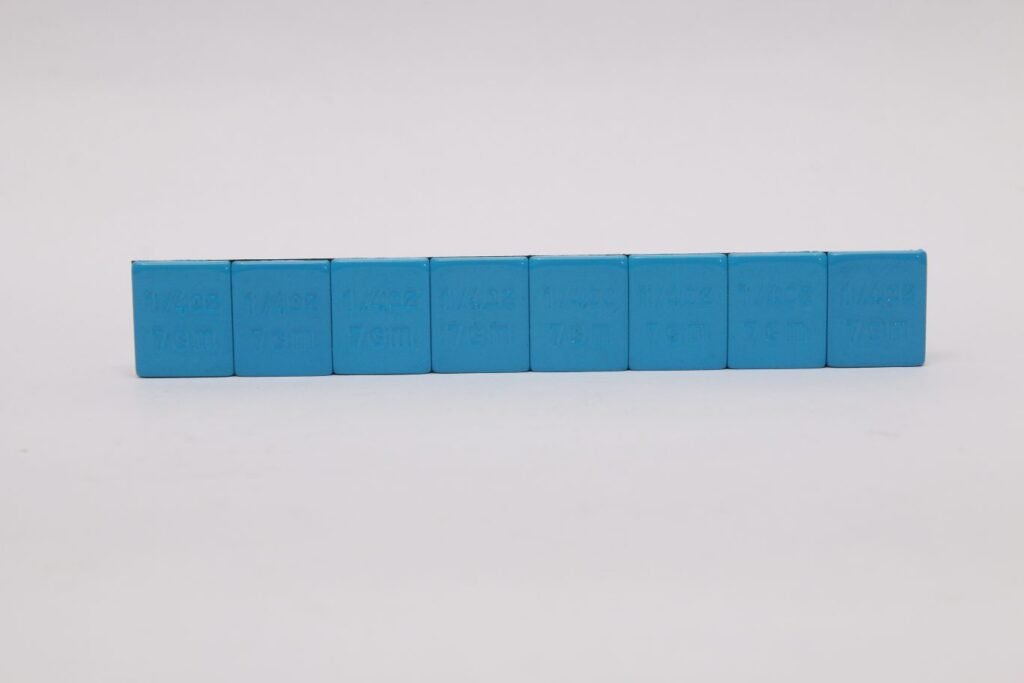
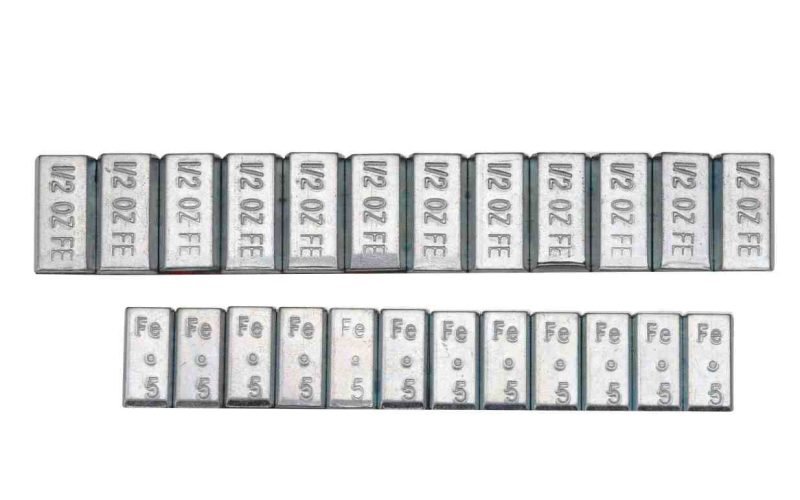
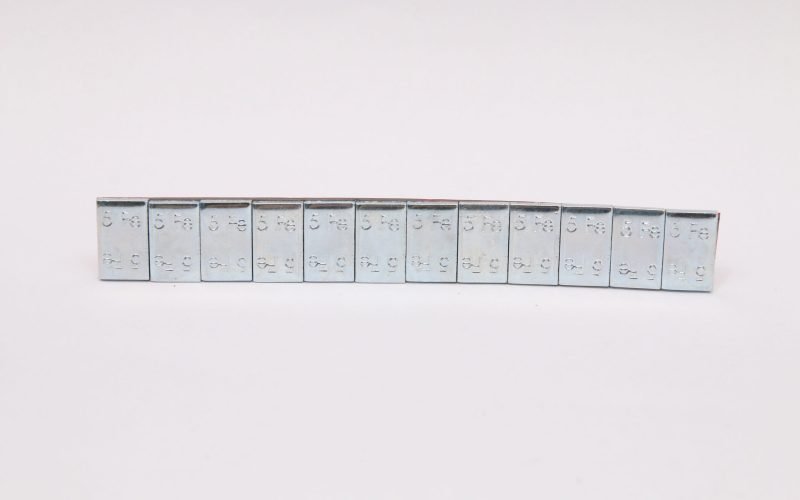
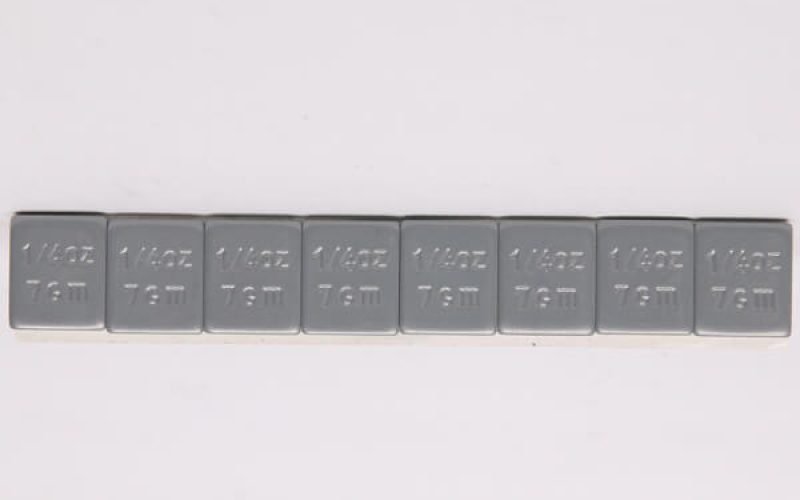
You might be wondering: Do adhesive wheel weights adhere securely to steel rims? The answer depends on the adhesive used, as well as the surface preparation performed on the rim. Fortune Wheel Weights utilize a high-strength adhesive capable of withstanding a wide range of demanding operating conditions. We offer a variety of product options, including pre-cut rectangular weights and weights supplied in rolls. Both types deliver exceptional adhesion—provided, of course, that the rim surface has been properly prepared.
The following is a brief overview of the various types of adhesives available and their respective advantages:
| Type of Adhesive | Adhesion Strength (psi) | Pros and Cons |
|---|---|---|
| Pre-Cut Rectangular Weights | 80–100 psi | Easy to install; standardized dimensions; ideal for automated balancing machines. |
| Roll-On / Tape-On Weights | 80–100 psi | Supports customization; ideal for achieving precise balance; reduces clutter. |
| Lead-Free vs. Lead-Based | Higher density (lead) | Safer for the environment; complies with regulatory requirements; slightly larger in size. |
| Internal vs. External Mounting | Varies | The internal structure is protected against debris; the external structure is easy to install but remains exposed. |
If you want your adhesive wheel weights to be durable and long-lasting, you must first properly prepare the wheel surface. The specific steps are as follows:
- Clean the wheel surface using mild soapy water. Dirt and grease will weaken the adhesive’s bonding strength.
- Thoroughly dry the area. Any residual moisture will compromise the adhesive bond.
- Inspect the wheel surface for any damage or rough, uneven spots. A smooth surface helps the weights adhere more securely.
Tip: If you skip the cleaning or drying steps, the weights may detach when the vehicle encounters bumpy roads or is driven in adverse weather conditions.
Durability is equally critical. All Fortune wheel weights undergo salt spray testing to assess their corrosion resistance. Their high-performance zinc coating provides over 72 hours of rust protection, while the epoxy coating offers even longer-lasting defense—extending up to 400 hours. These test results demonstrate that, provided you select high-quality products and strictly follow the correct installation procedures, adhesive wheel weights are fully capable of withstanding the rigors of harsh weather.
Effectiveness For Balancing
To ensure a smooth ride, you naturally want your wheels to remain perfectly balanced at all times. Adhesive wheel weights can be of great assistance in this regard, as they adhere directly to the wheel’s surface. These weights perform exceptionally well on steel rims—particularly when the rim surface is flat and smooth. You can position them with precision exactly where needed, making the wheel balancing process significantly easier and more convenient.
Next, let’s compare adhesive wheel weights with clip-on wheel weights:
| Aspect | Clip-On Weights | Adhesive Weights |
|---|---|---|
| Main Materials | Steel, zinc, lead, plastic | Zinc, steel, lead-free composites |
| Installation | Clips secured to the rim flange | Adhesive tape applied to the rim surface |
| Aesthetic Impact | Visible on rim edge | Hidden behind spokes or inside wheel |
| Environmental Focus | Restricted use of lead; priority given to zinc and steel | Lead-free, eco-friendly materials |
| Market Trend | Still common, especially for steel wheels | Modern alloy wheels are gaining increasing popularity. |
Stick-on wheel weights owe their widespread popularity to their cleaner appearance and the fact that they do not damage the wheel rims. They can be concealed behind the spokes or on the inner side of the wheel. Although clip-on weights remain common on steel wheels, stick-on weights are rapidly gaining ground, thanks to their convenient installation and eco-friendly materials.
Note: Industry research indicates that both types of balance weights are effective in achieving wheel balance. Adhesive balance weights are slightly more expensive; however, they offer a clean, aesthetically pleasing appearance and provide greater flexibility in terms of installation placement.
Both salt spray and thermal cycling tests have confirmed that adhesive balance weights are capable of withstanding harsh environmental conditions. Their surface coating not only provides effective rust protection but also ensures that the weights adhere securely to the wheel. Provided that proper surface preparation is performed prior to installation and high-quality weights are selected, you can expect reliable balancing results and long-lasting performance.
Pros And Cons Of Stick On Weights
Advantages
When you select adhesive wheel weights for your steel wheels, you benefit from a host of significant advantages. Many drivers and technicians favor these weights because they keep the wheels looking clean and tidy, while effectively preventing damage to the wheel itself. The table below concisely outlines the reasons why these weights are preferred:
| Advantage | What It Means For You |
|---|---|
| Enhanced Aesthetics | You can conceal the balance weights behind the spokes, giving your wheels a clean and aesthetically pleasing appearance. |
| No Wheel Damage | Unlike clip-on weights, adhesive weights will not scratch or dent your wheels. |
| Precise Balancing | You can apply them precisely to the required location, resulting in a smoother driving experience. |
| Wide Compatibility | Suitable for various types of wheels, including custom and alloy wheels. |
| Safe and Reliable | The strong adhesive bond effectively minimizes the risk of the weights detaching. |
| Eco-Friendly Options | Many products are lead-free and recyclable, which is more beneficial to the environment. |
| Quick Installation | You save time because they’re easy to apply. |
Furthermore, you can avoid the scratches and corrosion marks often left behind by clip-on balance weights. If you place a high priority on the aesthetic appearance of your wheels, adhesive balance weights are undoubtedly a wise choice. Not only are they suitable for wheels with a flange-less design, but they also integrate seamlessly with a wide variety of modern wheel styles. Moreover—thanks to Fortune’s proprietary bonding technology—these weights remain firmly attached even under harsh weather conditions.
Tip: If you wish to ensure your wheels look their absolute best while simultaneously preventing damage to the rims, adhesive balance weights are the ideal solution for you.
Disadvantages
When using adhesive wheel weights, there are indeed several points worth noting. Occasionally, if the wheel surface has not been thoroughly cleaned—or if the surface itself is inherently rough—the long-term adhesion of the weights may not meet expectations. The following are some common drawbacks:
- If the wheel surface is unclean or not completely dry, it may lead to adhesive failure and the detachment of the weights.
- Adverse weather conditions (such as heavy rain or icy roads) can severely test the strength of the adhesive bond; however, high-quality weights from reputable brands typically demonstrate superior resilience.
- If you frequently drive on rough or uneven terrain, or regularly encounter severe bumps and jolts, there is a minimal risk—albeit slight—that the weights could become dislodged.
- For wheels with irregular or textured surfaces, the adhesion of stick-on weights may not be entirely satisfactory.
Although the performance of wheel weights has improved significantly thanks to advanced adhesive technologies and corrosion-resistant materials, you should still inspect the condition of your wheels periodically. If you discover that a weight is missing, it is recommended that you have it replaced as soon as possible to ensure the vehicle maintains a smooth ride.
Tip: When applying adhesive weights, always strictly adhere to the correct installation procedures to ensure optimal wheel balance and maximize the service life of the weights.
Applying Stick On Weights
Surface Preparation
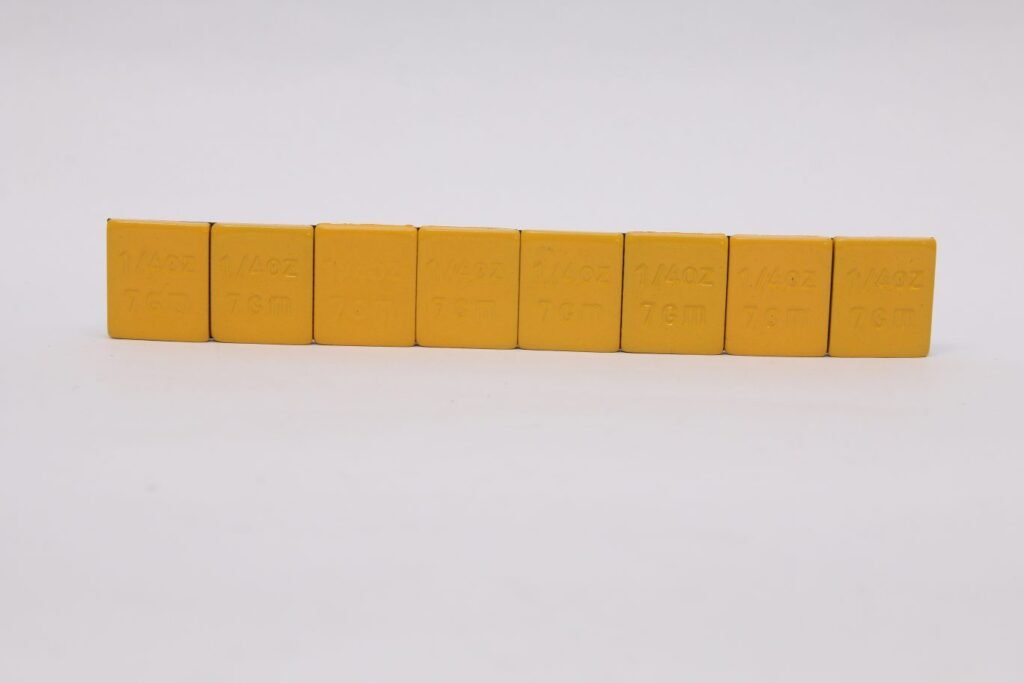
Preparing the wheel rim is the most critical step before attaching balance weights. If this stage is skipped, the weights may fail to adhere securely over time. You must ensure that the rim surface is clean, dry, and smooth. Here are some effective methods for cleaning steel rims:
- Use a water-soluble, non-toxic, and biodegradable wheel cleaner spray. This type of cleaner is both safe and highly effective at removing dirt and grease.
- Consider using a wheel cleaning product such as StickPro. Available in both spray and wipe formats, this product allows you to remove brake dust and grime without the need for water.
Once cleaning is complete, thoroughly dry the area to ensure the surface is completely free of residual moisture. Additionally, carefully inspect the rim for any rough spots or damage; a smooth surface helps enhance the adhesion of the bonding agent. Furthermore, pay close attention to the clearance between the rim and the brake caliper to ensure that, after the balance weights are attached, there remains sufficient space to prevent any friction or contact between the two components.
Application Steps
You can attach balance weights to your steel wheels by following these simple steps:
- Clean the rim area using a solvent or rubbing alcohol, and wipe it thoroughly until dry.
- Use a wheel balancing machine to determine the specific location on the wheel where balance weights need to be applied.
- If necessary, measure and cut the balance weight strip to the appropriate size.
- Peel off the protective backing paper from the balance weight.
- Firmly press the balance weight onto the designated spot on the wheel, and maintain pressure for 10 to 15 seconds.
- Place the wheel back on the balancing machine to verify that it has achieved a balanced state.
Tip: Fortune balance weights have undergone salt spray testing, so you can be confident that they will remain durable and reliable, even under harsh weather conditions.
Tips For Longevity
You certainly want your adhesive wheel weights to be as durable as possible. Here are some practical tips:
| Issue | Solutions |
|---|---|
| Poor Adhesion | Clean the wheel arches, use a high-quality adhesive, and follow the correct application procedures. |
| Counterweight Detachment | Use a heat-resistant adhesive, firmly press the counterweights into place, and perform periodic inspections. |
| Wheel Imbalance | Use appropriately sized counterweights, perform regular dynamic wheel balancing, and ensure that the counterweights are securely attached. |
If circumstances permit, it is recommended to wait approximately 24 hours after attaching the wheel weights before driving. This allows the adhesive sufficient time to fully cure. Please inspect the wheels periodically to ensure that the weights remain in place. Should you discover that a weight has detached, please have it reinstalled as soon as possible to ensure a smooth ride.
Alternatives To Stick On Weights
Clip-On Weights Overview
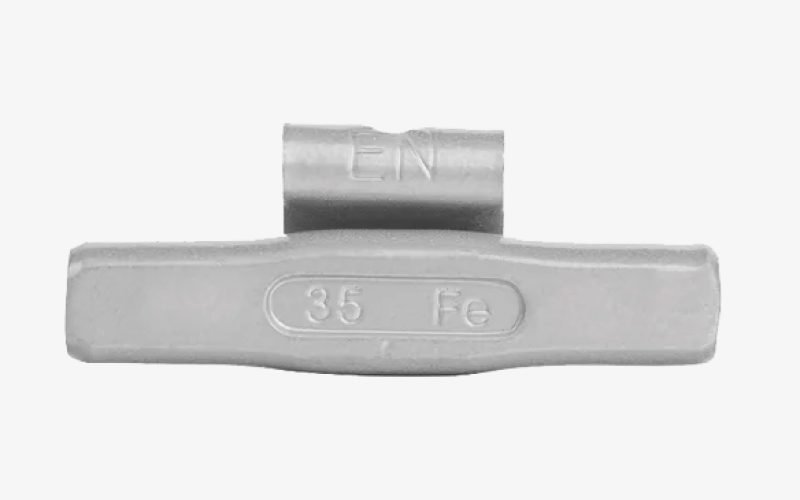
In tire shops, you will frequently encounter clip-on wheel weights. These weights are designed to clip directly onto the rim flange of a wheel. Fortune offers a wide variety of clip-on weights made from various materials, including steel, zinc, and eco-friendly lead-free options. You can select the product best suited to your specific needs and the type of wheel you are using.
Clip-on weights are ideally suited for use with steel wheels that feature a clearly defined rim flange. This design allows for quick and secure installation without the need for any adhesives or tape. The weights remain firmly anchored in place thanks to their clip mechanism, which creates a tight grip on the metal edge of the rim.
The table below provides a brief comparison highlighting the similarities and differences between clip-on weights and adhesive weights:
| Feature | Clip-On Weights | Stick On Weights |
|---|---|---|
| Attachment Method | Clips secured to rim flange | Adhesive tape |
| Applicability | Steel wheels | Flat, smooth surfaces |
| Installation Speed | Fast | Moderate |
| Visibility | Visible on rim surface | Can be hidden |
| Durability | Extremely High | High (with prep) |
Tip: If you are looking for a quick and secure method for balancing steel wheels, clip-on balance weights are a classic choice.
When To Use Clip-On
Under certain circumstances, you should consider using clip-on wheel weights. These weights provide you with an added layer of safety and stability, particularly when your wheels are subjected to demanding road conditions.
- You drive a truck, SUV, or heavy-duty vehicle.
- You frequently engage in off-road driving or travel on rough, uneven terrain.
- You reside in an area prone to heavy snow, ice, or muddy road conditions.
- You are looking for a weight that will remain securely attached—even if your vehicle strikes a large pothole.
Clip-on weights maintain their stability because their metal clips firmly grip the rim flange. This makes them an ideal choice for steel wheels that are frequently subjected to rigorous demands. If you seek peace of mind on the road and wish to avoid the hassle of weights detaching, clip-on weights are undoubtedly a smart choice.
Fortune brand clip-on weights are engineered to deliver both strength and reliability. They ensure a secure fit and provide exceptional, long-lasting performance. If your steel wheels feature a rim flange structure, you can place your full trust in clip-on weights to handle any complex road conditions with ease.
Note: Before selecting a wheel weight, please be sure to inspect your wheel design. Some wheels are better suited for clip-on weights, while others require adhesive weights to achieve the optimal fit.
Troubleshooting Stick On Weights On Steel Wheels
Weights Falling Off
If you notice that your wheels feel unbalanced, or if you spot a missing balance weight, you might wonder: Why do adhesive weights sometimes fall off steel rims? Here are some common reasons:
- You did not thoroughly clean the rim surface before applying the adhesive weight.
- Residual oil, dirt, or even the protective coating applied during manufacturing remained on the surface.
- The shape of the weight did not match the curvature of the rim, preventing it from adhering securely.
- The rim surface contained rust or rough, uneven spots that interfered with the bond between the adhesive backing and the rim.
To resolve this issue, please follow these steps:
- Thoroughly clean the rim using soap, water, and a degreaser, then wipe it completely dry.
- Remove any rust or old paint from the specific area where you intend to apply the weight.
- Peel off the protective backing from the weight, press it firmly against the rim, and hold it in place for a few seconds.
- Use a wheel balancing machine to verify the effectiveness of your work.
- Inspect the condition of the weights regularly, especially after driving in harsh weather conditions.
Tip: New rims may come with a protective coating; this coating must be thoroughly removed before applying any balance weights.
Rust And Corrosion
Steel wheels are prone to rusting, particularly if you reside in a region with heavy rainfall or snowfall. Adhesive wheel weights can help mitigate this issue—provided, of course, that you select the correct type. Fortune utilizes zinc in the manufacturing of its wheel weights; this material not only offers rust-resistant properties but is also more environmentally friendly than lead. The following provides a brief overview of the protective functions served by the coating:
| Feature | Description |
|---|---|
| Powder-coated finish | Prevents rust and seals the metal against moisture. |
| Galvanized surface | Provides an additional protective barrier against corrosion. |
| Strong adhesive | Effectively waterproofs and ensures the counterweight remains firmly attached. |
These coatings extend the service life of the wheel weights and preserve the aesthetic appeal of the wheels.
Note: Fortune conducts salt spray testing on its wheel weights to ensure they remain rust-resistant, even under harsh conditions.
Cleaning And Maintenance
You certainly want your stick-on wheel weights to remain firmly attached, making regular maintenance absolutely essential. You can take the following measures:
- Avoid directing high-pressure water streams—exceeding 1000 PSI—directly at the wheel.
- When cleaning, keep the water temperature below 120°F to protect the adhesive.
- Use a pH-neutral cleaner and a soft-bristled brush to clean the area surrounding the wheel weights.
- Before applying new wheel weights, thoroughly clean the wheel surface using isopropyl alcohol.
- After application, allow the adhesive to cure for at least 20 minutes in an environment of 70°F; for optimal results, allow it to cure for 72 hours.
- For added protection, you may apply a layer of waterproof edge-sealing tape over the wheel weights.
Regular inspections and gentle cleaning help extend the lifespan of your wheel weights and ensure that your driving experience remains consistently smooth and steady.
Provided you follow the correct installation procedures, you can certainly use adhesive wheel weights on steel rims. These weights not only ensure a smooth and comfortable ride—while helping to enhance tire grip—but also allow your rims to maintain a consistently clean and attractive appearance. The following points are worth noting:
- Adhesive wheel weights adhere securely and will not cause any damage to your rims.
- Their slim profile helps minimize vibrations and can even contribute to improved fuel efficiency.
- Fortune Wheel Weights offer a robust and reliable balancing solution for all types of rims.
If you prioritize a clean, aesthetic look, consider using adhesive wheel weights; however, if you place a higher value on maximum security and stability, you may wish to opt for clip-on wheel weights instead.
FAQ
Can you use stick on weights on any steel wheel?
Adhesive wheel weights are suitable for most steel wheels. Please ensure that the wheel surface is flat, clean, and smooth. If the wheel surface features rough or curved areas, the adhesive weights may not adhere securely.
How do you keep stick on weights from falling off?
First, wash the wheel with soapy water and wipe it thoroughly until dry. Next, press the weight firmly against the wheel for at least 10 seconds. For optimal adhesion, it is recommended to let the wheel sit undisturbed for 24 hours after installation before driving.
Are stick on weights better than clip-on weights?
Adhesive wheel weights offer a cleaner, more aesthetic appearance and do not cause damage to the wheel rim. Clip-on weights, on the other hand, are better suited for steel wheels with rim flanges, as they provide a more secure attachment. Please choose the type of wheel weight that best suits your specific wheel type and driving needs.
Will stick on weights rust or corrode?
Fortune Wheel Weights products are made from zinc material and feature a specialized protective coating. This design effectively resists rust and corrosion, ensuring that the weights maintain long-lasting, stable performance even under harsh weather conditions.
Can you remove stick on weights easily?
You can easily peel off adhesive wheel weights using a plastic tool. Any remaining adhesive residue can be cleaned off simply by wiping the area with rubbing alcohol (isopropyl alcohol). Please perform this operation slowly and carefully to avoid scratching the wheel surface.
 Request a quote