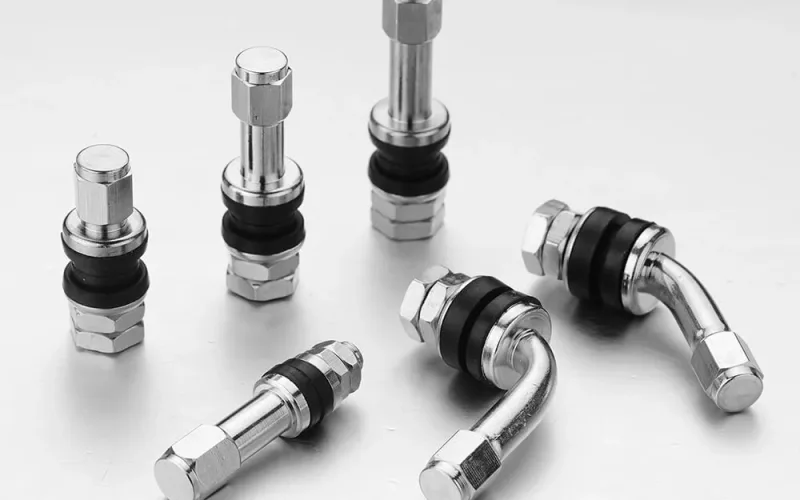
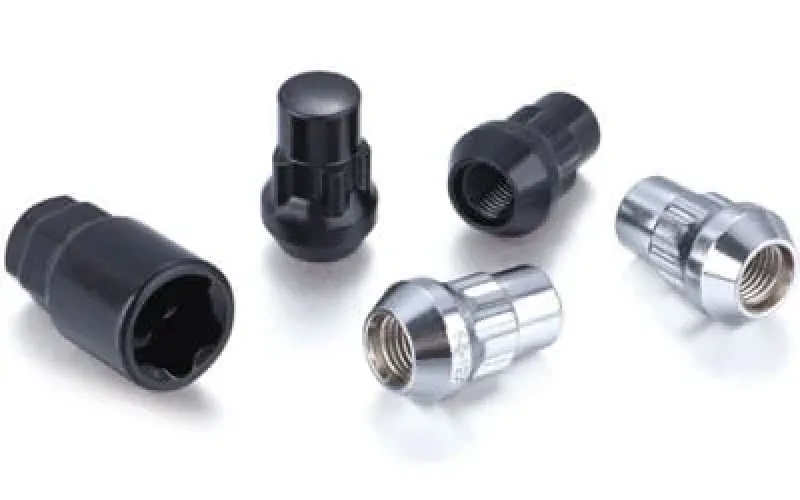
What is the difference between rubber and metal tire valves?
 20Mar
20Mar 

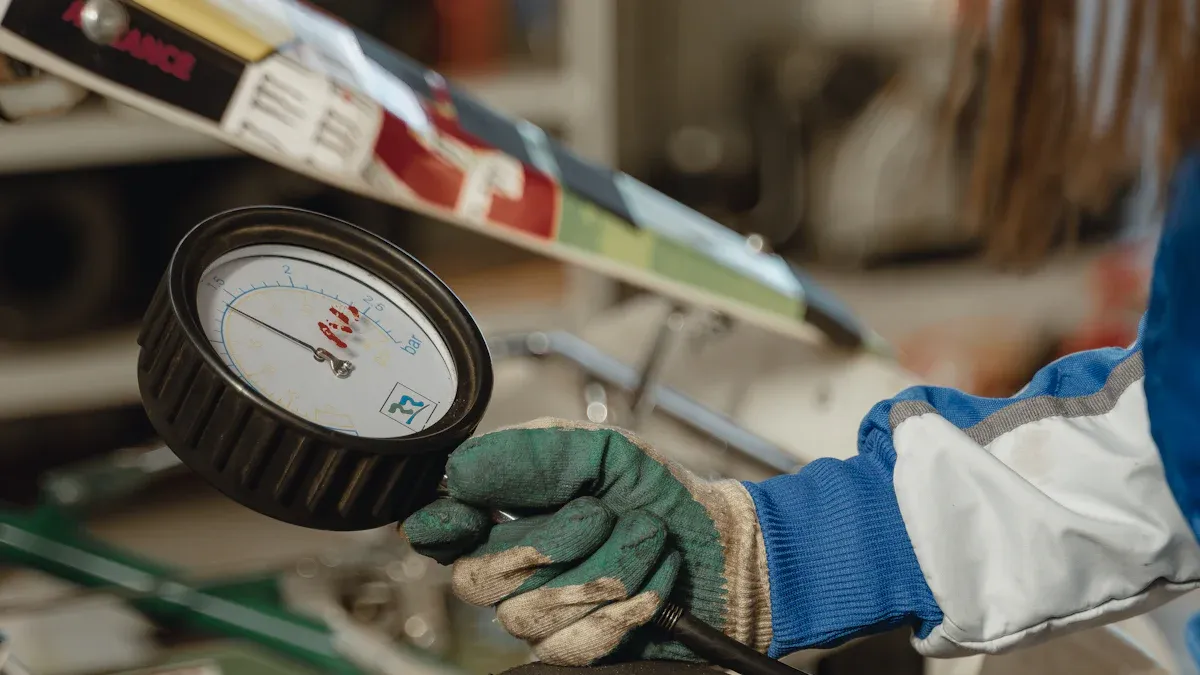
Yes, anyone can change a tpms sensor with simple tools and the right steps. New products like the Fortune tpms tire valve stem make it easy for most people. Safety is very important, so people should wear gloves and work on a flat surface. Reading instructions closely helps stop errors. Swapping a tire pressure sensor valve at home saves money and helps people feel sure about car care. Many drivers rely on their tpms for correct readings each day.
You can change a TPMS sensor at home with simple tools and careful steps. Always wear safety gear like gloves and glasses to keep yourself safe while you work. Make sure you use the right TPMS sensor for your car by checking the VIN number to see if it fits. Follow each installation step closely so the TPMS system works right and stays safe. Check your tire pressure often to stay safe and help your tires last longer after you put in the new sensor.
Before you start, make sure you have all your tools ready. The right tools help you work safely and easily. Here is what you will need:
New tpms sensor that fits your car
Fortune TPMS Valve Stem for many vehicles
Tire changer machine to take off the tire
TPMS programming tool if your car needs it
Torque wrench to tighten parts correctly
Valve stem removal tool
Socket set for bolts
Tire valve core removal tool
Tire bead seal for extra sealing (optional)
Safety glasses and gloves
The Fortune TPMS Valve Stem is simple to put in. You do not need to cut or drill anything. This makes it a good pick for people who want something easy and reliable.
Safety is very important when you work on your car. Follow these tips to stay safe and keep the tpms working right:
Work on a flat surface so the car does not move
Wear gloves and safety glasses to protect yourself
Use only tpms service kit parts, not regular brass valve cores
Always use new service kit parts, never old ones
Tighten sensor nuts with a torque tool to the right level
Change the tpms sensor only if it is broken or the battery is dead
Check the spare tire for a tpms sensor and see if it works
Teach the car the new sensor after you put it in or move the tire
Seal open control units or wires to keep out water and chemicals
Tip: If you do not install the sensor right, it may give wrong tire pressure numbers. This can make driving unsafe, use more gas, and wear out tires faster. Doing each step carefully helps the tpms system work well.
In the United States, all new cars must have a tpms system. This rule helps keep drivers safe and makes sure tires last longer.

They should park the car on a flat surface. The parking brake must be set. They can use a jack to lift the car. A jack stand will keep the car steady. To remove the wheel, they need to loosen the lug nuts with a wrench. They should take off the lug nuts and set them aside. Now, they can remove the wheel from the car. This step gives them access to the tire pressure sensor.
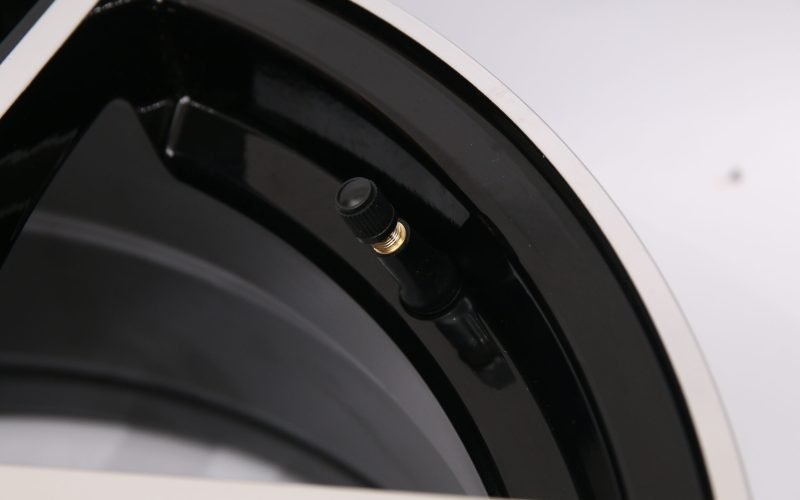
They will find the tpms sensor inside the wheel, attached to the valve stem. To extract the old tpms sensor, they must first deflate the tire. A tire changer machine helps break the bead and move the tire away from the rim. They can use a valve core removal tool to let out all the air. Next, they should use the right socket to remove the nut holding the sensor. They must keep the sensor and small parts together. If the sensor is stuck, gentle tapping can help. They should not use too much force. The old tire pressure sensor can now be removed from the wheel.
They should check that the new tpms sensor matches the car’s system. The Fortune TPMS Valve Stem fits many vehicles and does not need any cutting or drilling. To install tpms sensors, they place the new sensor into the valve hole. They must hold the sensor steady and thread the nut onto the stem. Using a torque wrench, they should tighten the nut to the correct value. Most tpms sensor installation guides suggest torque values between 35 in.-lbs. and 80 in.-lbs. Some cars, like the Tesla Model Y, need 8 Nm (5.9 lbs-ft). Over-tightening can damage the sensor. They should always follow the car’s manual for tpms sensor installation. After they install the new tpms sensor, they can check that the sensor sits flat and secure. The Fortune TPMS Valve Stem makes tpms sensor installation easy for most people.
They must put the tire back on the rim if it was removed. The bead should be set with a tire changer. They can inflate the tire to the right pressure. Now, they can reinstall the wheel onto the car. The lug nuts should be hand-tightened first. Using a torque wrench, they must finish tightening the nuts in a star pattern. This keeps the wheel even. They should check the car’s manual for the right torque. Most wheels need between 80 ft-lbs and 100 ft-lbs. After they reinstall the wheel, they should lower the car and remove the jack stand. The tire pressure sensor is now ready for the next steps.
Tip: They should always double-check each step during tpms sensor installation. Careful work helps the tpms system give correct readings and keeps the car safe.

After installing a new tire pressure sensor, they must reset the tpms system. Many modern vehicles use different methods to reset the system. Here are some of the most reliable ways:
Drive the car for about 10 minutes at 50 mph. This can reset the warning light if all tires have the correct pressure.
Inflate each tire to 3 psi above the recommended level, then deflate them completely, and finally inflate them back to the proper pressure.
Use the tpms reset button. They should check the owner’s manual to find the button and hold it for 3-5 seconds until the light blinks.
Some vehicles allow resetting through the center console. They can follow the menu instructions on the screen.
Disconnecting the battery for a short time can also reset the system, but this step should be done with care.
Note: Some cars need a special tool to activate the tpms sensor and program it to the car’s computer.
After resetting, they should check if the tire pressure sensor works correctly. The tpms warning light should turn off after a short drive. If the light stays on, they can check for error codes. Here are some common codes and what they mean:
Error Code | Description |
|---|---|
32 | Corresponds to a specific sensor |
34 | Corresponds to a specific sensor |
36 | Left rear sensor |
38 | Right rear sensor |
If the warning light does not go off, they should check each wheel for proper installation. They can use a tire pressure gauge to check the pressure in every tire. If needed, they should inflate the tires to the recommended level and drive for a few minutes.
They should monitor tire pressure regularly after replacing a tire pressure sensor. Regular checks help keep the tire pressure monitoring system working well. Here are some best practices:
Check each wheel and valve stem for leaks or damage.
Check tire pressure at least once a month.
Check the tpms warning light often and address any alerts right away.
Use high-quality parts for every replacement.
Make sure the tire pressure sensor battery is working.
Tip: Monitoring tire pressure helps prevent flat tires, improves safety, and extends tire life.
TPMS sensors use batteries that last for several years. Most sensors work for about 7 years, but some may last between 5 and 12 years. The battery life depends on driving habits and weather. Drivers should watch for signs that show a sensor is failing. Common signs include:
Wrong tire air pressure reading
Inconsistent pressure readings
Frequent TPMS warning lights
Failure to update tire pressure readings in real-time
The table below shows the average battery life for TPMS sensors:
Average Battery Life | Range |
|---|---|
7 years | 5 to 12 years |
If a sensor shows any of these signs, it may need to be replaced. Direct tpms sensors often give real-time updates, so any delay or error can mean the battery is low.
Choosing the right TPMS sensor is important. Not all sensors fit every car. Drivers should check the vehicle’s VIN number to find the correct sensor. Many shops list sensors by year, make, and model. Sometimes, part numbers change based on the car’s production year or month. To avoid problems, drivers should:
Use the vehicle’s VIN number for accurate fitment
Check listings by year, make, and model
Compare part numbers for different production dates
A sensor that does not match the car may not work or may give wrong readings.
Replacing a TPMS sensor means breaking the tire bead. This step can be hard without the right tools. The bead holds the tire to the rim. To reach the sensor, drivers must use a tire changer machine or special bead-breaking tools. Careful work prevents damage to the tire or rim. Some valve stems, like the Fortune TPMS Valve Stem, are designed for easy installation and help make this step simpler. Drivers should always follow safety tips and use proper equipment.
Changing a TPMS sensor is something you can do at home if you have the right tools and get ready first. Many people pick the Fortune TPMS Valve Stem because it is easy to put in and lasts a long time. It is important to check every step and be careful. If the TPMS warning light does not turn off, or if there is rust or the battery stops working, a car expert can help fix it. Throwing away old sensors the right way helps keep the earth clean by cutting down on electronic trash.
 Request a quote