 13Mar
13Mar 

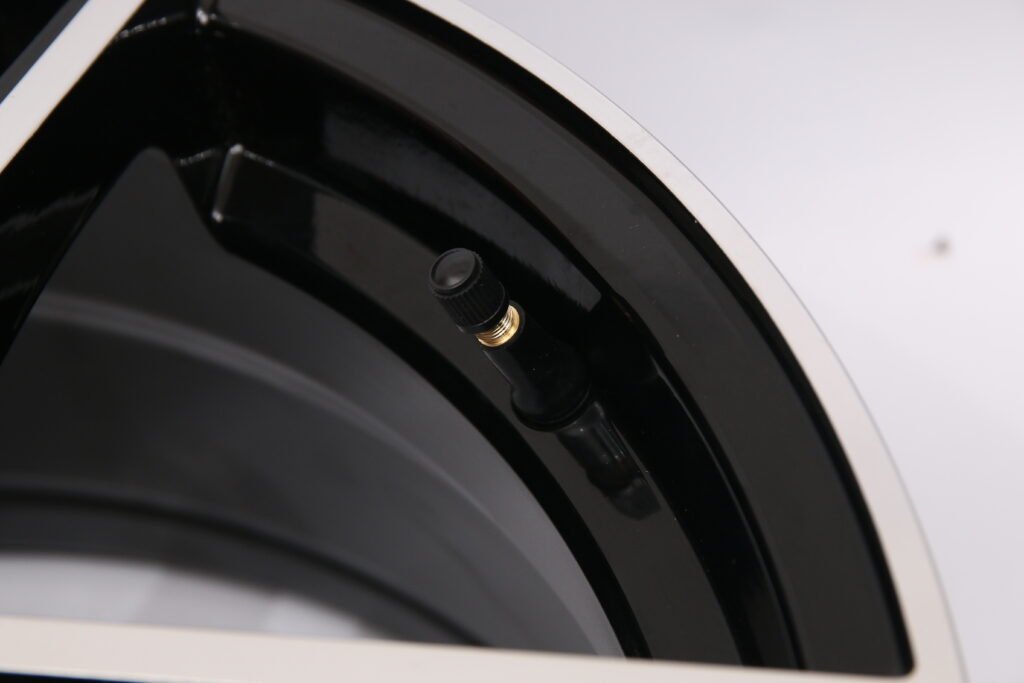
Yes, drivers can change a tire valve if they have the right tools and follow safety steps. Fortune’s Metal TPMS Valves are a good pick for people who want better tire performance. These valves are made from strong metals and can handle very hot or cold weather. They last longer than regular rubber valves and help tires keep air better.
Most people find it easy to replace a tire valve.
Key Takeaways
- Drivers can change a tire valve if they have the right tools and follow safety steps. This lets them fix small problems by themselves.
- Fortune’s Metal TPMS Valves last longer and work well. They keep air in better than regular rubber valves.
- Always look for leaks after you put in a new valve. Use soapy water to check. This easy step keeps your tire safe and stops air from leaking out.
- Check the valve core often for damage or old parts. This helps your tire work well and stops surprise problems.
- If you are not sure how to fix it or if leaks do not stop, ask a professional for help. This keeps you safe and makes sure your tire is fixed right.
Tools & Materials for Tire Valve Replacement
Essential Tools
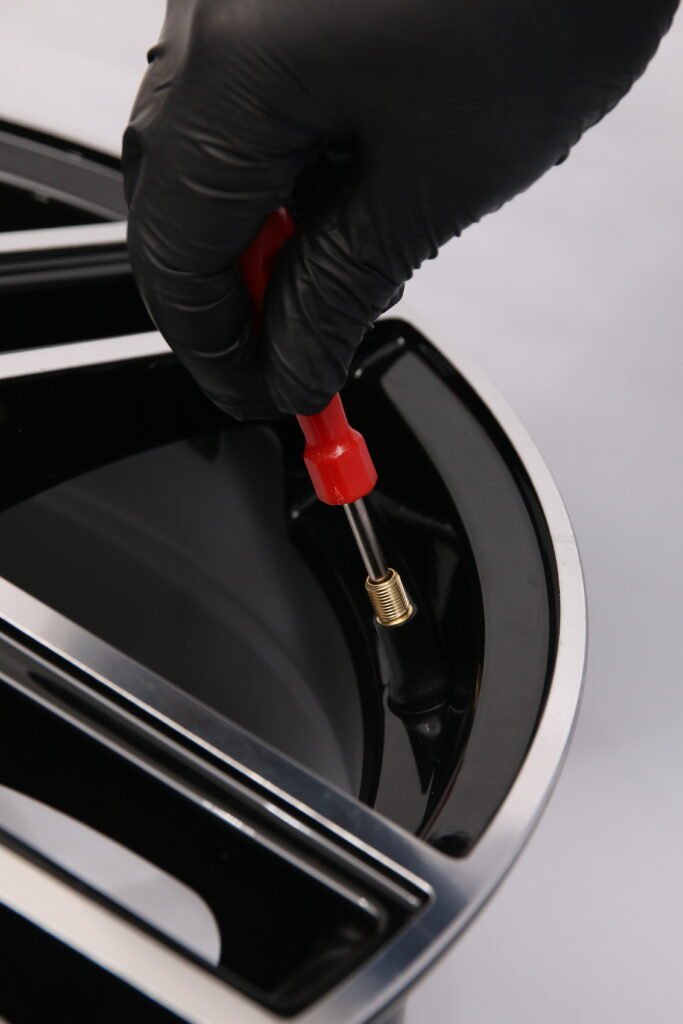
Anyone who wants to replace a tire valve stem needs the right tools. A tyre valve tool helps remove and install the valve core. Many automotive repair guides suggest using a valve core replacement tool for this job. Side cutters can help cut away old parts if needed. A 4-in-1 tire valve tool works well for removing, installing, and cleaning the valve core. Some people use a Dual End Red Handle Valve Core Tool or a Hamaton TPMS Valve Core Tool for extra precision. Safety gloves protect hands during the process. A tire pressure gauge checks the air pressure before and after the replacement. An air compressor or tire inflator fills the tire with air after installing the new tire valve stem.
Tip: Always keep a tire pressure gauge and a valve core replacement tool in the car. These tools help with quick checks and repairs.
Required materials
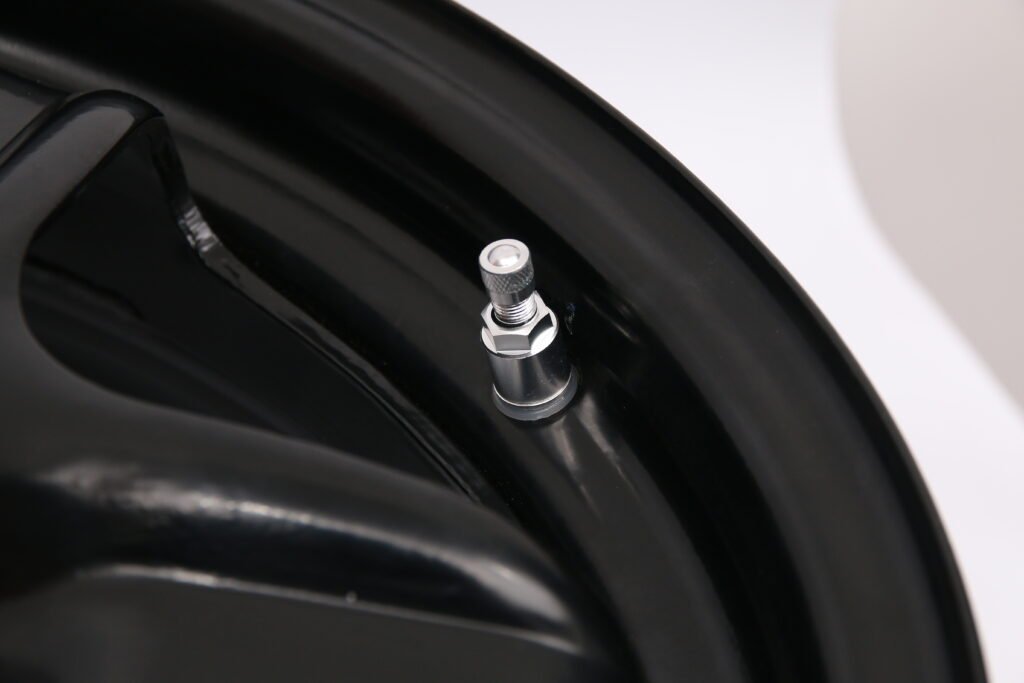
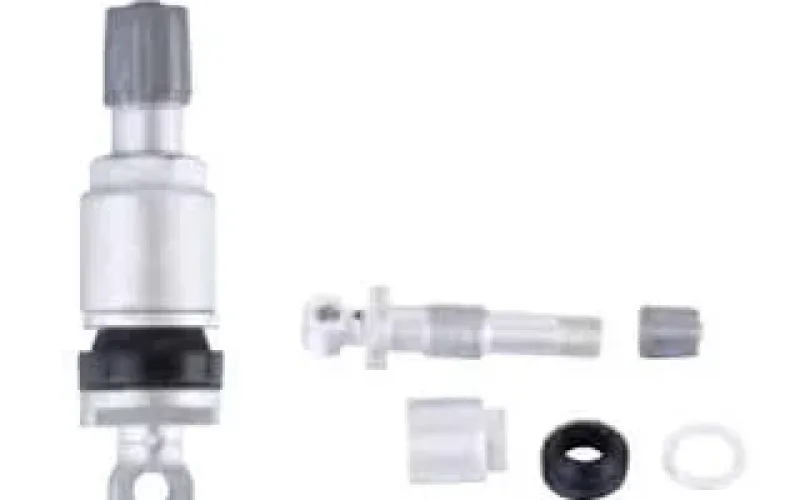
The main material for this job is a new tire valve stem. Fortune’s Metal TPMS Valves offer a strong and reliable choice. These valves use premium copper and EPDM rubber, which makes them last longer than regular rubber valves. Metal TPMS valves resist harsh weather and physical damage. They also look good on any wheel. Each Fortune valve stem fits tightly, which helps prevent leaks and keeps the tire pressure steady. People also need a replacement valve core, soapy water for leak checks, and a tire pressure gauge to confirm the repair. A tire pump or air compressor fills the tire after the new tire valve stem goes in.
Fortune’s Metal TPMS Valves make installation easy. Their smooth surfaces and strong build help anyone finish the job with confidence. These valves improve safety and keep the tire valve stem working well for a long time.
Tire Valve Replacement Steps
Preparation & Safety
Before changing a tire valve, people need to get ready. They should collect all the tools and materials first. Wearing safety gloves keeps hands safe from sharp things. Safety glasses protect eyes from anything that might fly up. The car should be on a flat spot. The parking brake must be on. Some people lift the car or take off the tire for easier work. It is important to check the tire pressure before starting. The tire valve cap should be put somewhere safe.
Note: Many tire makers say to check for leaks after putting in a new valve. Use soapy water to look for bubbles around the valve stem. If someone is not sure what to do, they should ask a professional for help.
Removing Old Tire Valve
To start, people need to take out the old tire valve. First, let all the air out of the tire. Use a valve core tool to take out the valve core. Safety glasses keep eyes safe during this step. Some people have trouble finding bad valve stems. Cleaning and fixing the inside and outside of the valve helps the new one fit well. Side cutters can help remove parts that are stuck. Check the valve seat for damage and clean it well.
Installing New Tire Valve
After taking out the old stem, put in the new one. Fortune’s Metal TPMS Valves fit tightly and stand up to bad weather. Put the new stem into the valve hole. Press down hard to make sure it seals tight. Fortune’s valves are smooth, so they are easy to install. The valve core needs to be put in tight. Make sure the valve is straight and does not move. A tight fit stops leaks and keeps the tire safe.
Tip: Metal TPMS valves last longer than rubber ones. They help keep tire pressure steady and lower the chance of blow-outs from bad stems.
Checking for Leaks
After the new valve is in, fill the tire with air to the right pressure. Use a tire pressure gauge to check the pressure. Soapy water helps find leaks. If you see bubbles near the valve stem, push the valve in again or tighten it. Put the tire valve cap back on. Check the tire pressure again after a few days to make sure it is still good.
| Step | Action |
|---|---|
| Preparation | Get tools, wear safety gear, check tire |
| Removal | Let out air, take out valve core, clean area |
| Installation | Put in new stem, tighten valve core |
| Leak Check | Fill tire, use soapy water, check cap |
Safety Reminder: Always look for leaks after putting in a tire valve. If you cannot stop a leak, ask a professional for help.
Safety and Errors During Replacement
Common Errors
Many people make mistakes when replacing a tire valve. One common error is not letting out all the air from the tire before starting. This can cause the valve to shoot out quickly and may lead to injury. Some people forget to check if the new valve fits tightly. A loose fit can cause air leaks and lower tire safety. Others may over-tighten the valve core, which can damage the threads and make the valve unusable. Sometimes, people skip cleaning the valve hole. Dirt or debris can stop the new valve from sealing well. Using the wrong tools can also damage the valve or the rim.
Regulations in many regions require that damaged or leaky valves must be replaced. Mechanics must inspect single, split, and multi-piece wheels before assembly. If they find any damaged or leaky valves, they must replace them. These rules help keep tires safe on the road.
| Error Type | What Happens | How to Avoid |
|---|---|---|
| Not deflating tire | Valve may eject forcefully | Let out all air first |
| Loose valve fit | Air leaks, unsafe tire | Check for tight fit |
| Over-tightening core | Damaged threads, unusable valve | Tighten gently |
| Skipping cleaning | Poor seal, possible leaks | Clean valve hole |
| Wrong tools | Damage to valve or rim | Use correct tools |
Safety Tips
Safety should always come first during tire valve replacement. People should wear gloves to protect their hands from sharp edges. Safety glasses keep eyes safe from flying debris. The car should sit on a flat surface, and the parking brake should be on. Before starting, gather all tools and materials. Always check the tire for damage before working. Inspect the wheel for cracks or rust. Replace any damaged or leaky valves right away.
After installing the new valve, fill the tire to the correct pressure. Use a tire pressure gauge to check the level. Spray soapy water around the valve to look for leaks. If bubbles appear, adjust the valve or core. Always put the valve cap back on to keep out dirt and moisture. Regular checks help keep the tire in good shape and prevent future problems.
Tip: Inspect all wheel parts before assembly. Replace any damaged or leaky valves to meet safety rules and keep the tire working well.
People can change a tire valve if they have the right tools. They need to follow each step carefully. Checking tires often helps keep them safe and working well. If you see leaks or problems do not stop, ask a professional for help. You will feel more confident as you practice and stay safe.
FAQ
How often should someone check their tire valves?
Drivers should check their tire valves every time they check tire pressure. Regular checks help spot leaks early. This keeps the tire safe and helps it last longer.
Can a damaged tire valve cause a flat tire?
A damaged valve can let air escape. This may lead to a flat tire. Quick repairs or replacements prevent bigger problems on the road.
Do all vehicles use the same type of valve?
Most cars use similar valves, but some trucks or specialty vehicles need different types. Always match the valve to the tire and vehicle for best results.


 Request a quote