What is the difference between rubber and metal tire valves?
 20Mar
20Mar 

I do not recommend continuing to drive if the valve stem is damaged. Even minor damage can lead to a rapid loss of air, which increases the risk of a flat tire or even a blowout. I would take immediate action the moment any damage is detected; addressing the issue promptly ensures your safety and prevents more serious problems from developing. If you encounter this situation, I will walk you through the specific steps you should take to resolve it.
Whenever I spot a damaged valve stem, I know a risk is present. Air may leak out rapidly or slowly. Even a minuscule leak can cause tire pressure to drop. The tire could blow out without any warning. Sometimes, a tire may appear fine at first, but as I drive, the pressure gradually decreases. This makes my vehicle difficult to handle. A sudden loss of air pressure is extremely dangerous, especially when driving at high speeds. I inspect my tires frequently, as issues with the valve stems can be difficult to detect.
Tip: I always listen for any hissing sounds near the tires. This could indicate that air is leaking from the valve core.
A damaged tire valve core can trigger a variety of tire-related issues. Sometimes, the tire will leak air slowly; at other times, it may burst without warning. Both scenarios are dangerous. A slow leak causes the tire to go soft, making the vehicle difficult to handle, while a blowout could result in a complete loss of vehicle control. These situations can occur anywhere—whether on the highway or in the city. Regularly inspecting my tires helps me detect potential problems early on.
I also make a point of checking the quality of the valve cores themselves. Safety guidelines indicate that substandard materials or poor sealing can lead to air leaks and tire failure. I use the table below as a checklist to remind myself of the specific items I need to inspect:
| Quality Factor | Safety Impact | Recommended Action |
|---|---|---|
| Poor Material Quality | More rust and fractures | Please use only stainless steel or chrome-plated steel |
| Inconsistent Manufacturing | Bad seal with rim | Check for OEM or ISO compliance |
| Weak Seals | Air leaks over time | Check O-rings; use dual-seal stems |
I always select high-quality parts for my car. This not only prevents issues with the valve cores but also ensures the safety of the tires.
When I discover that a valve core is damaged, I know the tire will leak air. Sometimes the leak is slow, while at other times it intensifies rapidly. If I continue driving, the tire will lose even more air, causing it to go soft and creating a safety hazard. I have learned that underinflated tires suffer from reduced grip. My car’s braking performance slows down, and—due to the increased friction between the tires and the road—fuel consumption also rises. I have also found that tires wear out much faster when they are underinflated. This means I have to replace my tires sooner, resulting in higher costs.
If I ignore a leaking valve core, I run the constant risk of a blowout. To avoid such accidents, I always inspect my tires before driving.
A damaged valve core can lead to a sudden tire leak. I know this can trigger a blowout, especially when driving at high speeds. A tire blowout produces a loud bang and causes the vehicle to veer out of its lane, resulting in a loss of control. On a highway, such a situation is extremely dangerous. I have read that underinflated tires can cause heat to build up inside the tire, thereby increasing the risk of a blowout. I certainly never want to experience a blowout, so the moment I detect an issue with a valve core, I fix it immediately.
If one continues to drive with a damaged tire valve, the vehicle becomes difficult to handle. When tire pressure is insufficient, the steering wheel feels heavy. I have noticed that the car tends to drift to one side. Braking distances increase, and cornering feels unsafe. I am aware that safety experts have issued warnings regarding these issues. Continuing to drive in this condition could damage the wheel rims and even compromise the vehicle’s suspension system. To ensure driving safety and maintain a smooth ride, I always make sure to address any valve-related issues promptly.
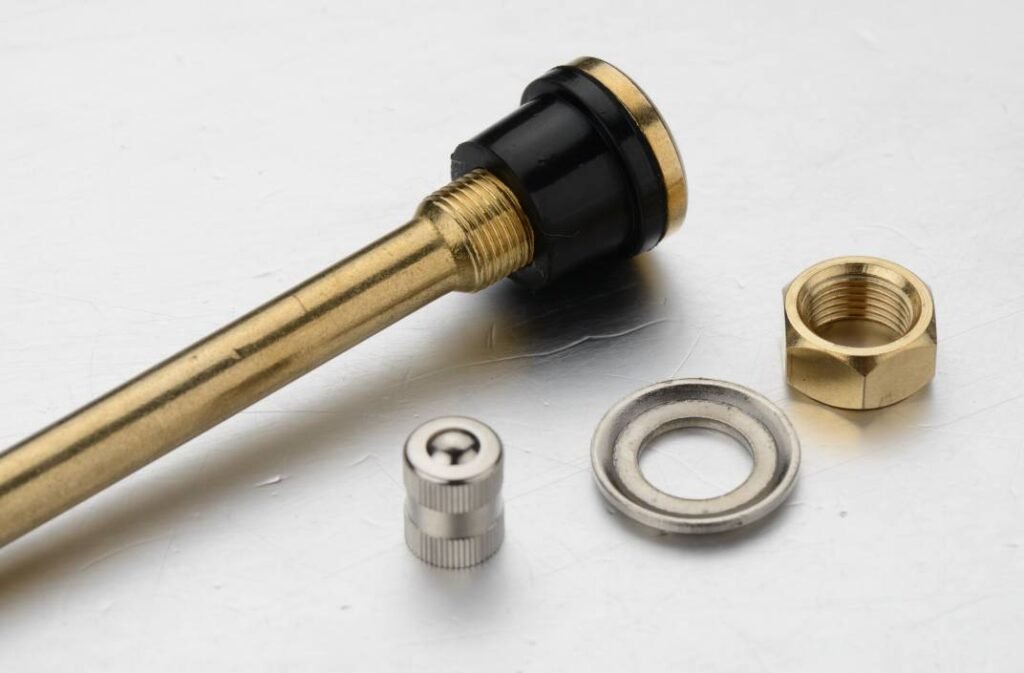
When inspecting valve stems, I always look out for specific signs. Damaged valve stems typically exhibit obvious indicators. I often observe cracks or splits in the rubber. Occasionally, I discover that a valve cap is missing or loose. By spraying soapy water onto the valve stem, I can also detect bubbles. A hissing sound indicates an air leak. If a tire is consistently losing air pressure, I suspect that the valve stem is the source of the problem.
Tip: I always ensure that every valve stem is fitted with a cap. This helps prevent dust and moisture from entering.
I check the valve core using a few simple steps. First, I gently press down on the valve core. If it feels loose or wobbly, I know there is a problem. I listen carefully for any hissing sounds indicating a leak. Then, I spray a little soapy water onto the valve core and observe whether any bubbles appear. This little trick helps me quickly pinpoint the source of a leak. I also check the area surrounding the valve core for any dirt or damage.
I have developed the habit of regularly checking my tire valve stems. Whenever I check my tire pressure, I take the opportunity to inspect the valves as well. I also give them a thorough look-over before embarking on any long-distance trips. Furthermore, if I happen to scrape a curb or drive over rough terrain, I make a point of checking them again. I know that performing these routine checks helps me detect potential issues early on.
Note: I also inspect the valve stems every time I replace my tires or have them rotated. This practice not only helps ensure driving safety but also helps keep my tires in good condition.
The moment I notice any damage to a tire, I pull over immediately. I look for a safe spot to stop on the side of the road. At the first opportunity, I check the tire pressure. If the tire feels soft to the touch, I do not continue driving. I use a tire pressure gauge to check how much air remains in the tire. If the tire is completely flat, I install the spare tire. I never ignore a damaged tire valve, as this could lead to much bigger problems.
Tip: I always keep a portable air compressor and a tire pressure gauge in my car. These tools can be extremely helpful if I encounter any issues while on the road.
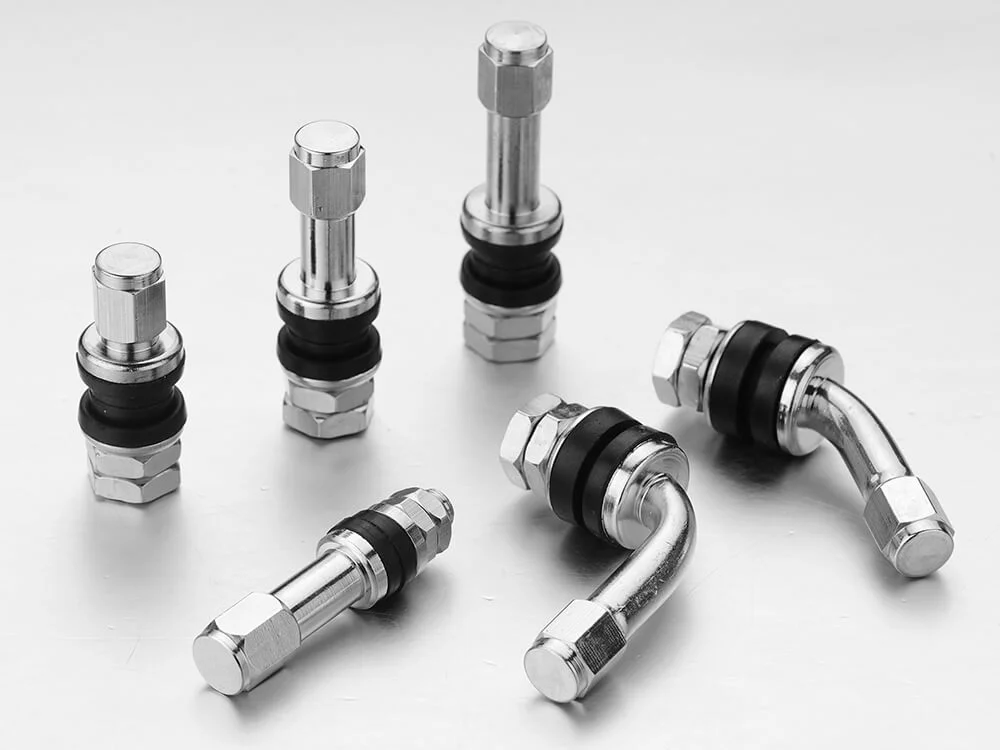
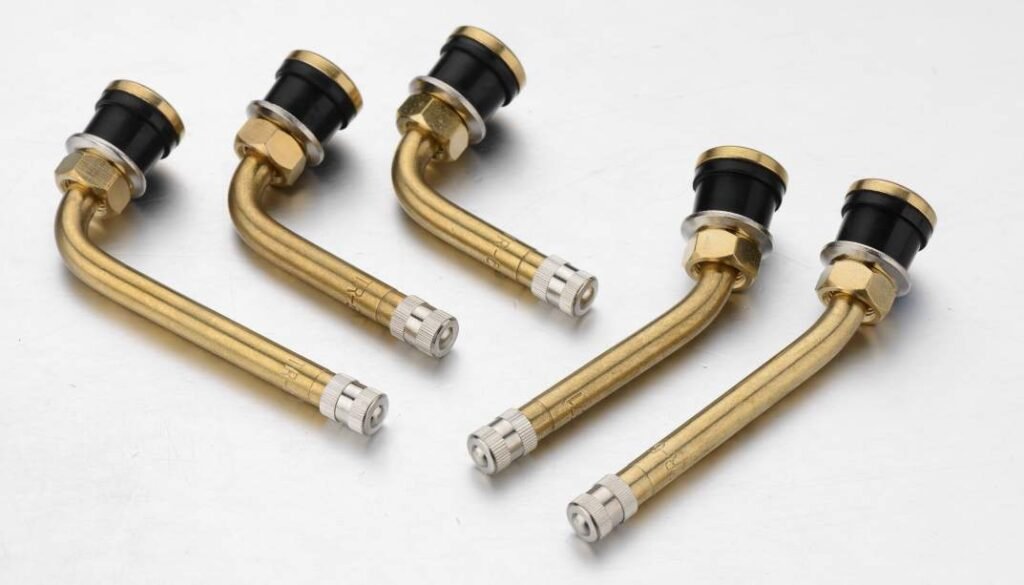
I would consider repairing or replacing the valve stem. If the damage is minor, I might temporarily use a sealant; however, in most cases—and for the sake of safety—I would opt to replace the valve stem entirely. I would choose a high-quality product, such as the Fortune TPMS valve core. This product is easy to install, constructed from durable alloy material, and compatible with a wide range of vehicle models. I particularly appreciate its ability to monitor tire pressure in real time and prevent overinflation. The product is available in both metal and rubber variants, and I would select the appropriate style based on my specific vehicle.
If I am unable to fix it myself, I will head to a tire shop. I will ask a specialist to inspect the valve core and replace it if necessary. Professionals possess specialized tools that ensure the safety of the tire. I place my trust in them whenever I am unsure about the situation or when the damage appears severe.
Note: I always request the use of high-quality replacement parts. I want my tires to last longer and to ensure my safety.
I always incorporate checking my tires and valve stems into my regular maintenance routine. I know that taking small preventive measures can help avoid major problems down the road. Here are a few tips I use to keep my valve stems in good condition:
Tip: After inflating my tires, I always listen carefully for any hissing sounds. This helps me detect potential air leaks early on.
I also ask my mechanic to inspect the valve stems during my scheduled maintenance appointments. I firmly believe that taking a proactive approach to prevention saves both money and ensures safety.
I have learned that not all valve cores are created equal. I choose high-quality products for my vehicle. I trust brands that utilize durable materials and have a solid reputation. I choose Fortune TPMS valve cores because they offer numerous advantages.
| Feature | Why I Choose It |
|---|---|
| Alloy Construction | Corrosion-resistant and high-temperature resistant |
| Easy Installation | No specialized tools required |
| Real-Time Monitoring | Maintain stable tire pressure |
| Fits Many Vehicles | Suitable for cars, trucks, and motorcycles |
I really appreciate that Fortune offers valve stems in both metal and rubber materials. I select the appropriate type based on my specific driving needs. I know that a high-quality valve stem has a significant impact on both driving safety and tire longevity.
Note: I always purchase from trusted sellers. This helps me avoid buying counterfeit or substandard parts.
By following these steps, I am consistently able to keep my tires and valve stems in optimal condition. As a result, I feel much more at ease during my daily drives.
Driving with a damaged tire valve exposes me to the risks of a flat tire, a blowout, and loss of vehicle control. The moment I detect any damage, I always take immediate action. Regular inspections help ensure my safety and prevent costly repairs. Here are the key points I always keep in mind:
For every drive, I choose high-quality accessories to ensure a worry-free journey.
I will check for any hissing sounds, or apply soapy water to the valve. If bubbles appear, it indicates an air leak. I will also keep an eye out to see if the tire frequently loses air.
I try to avoid driving whenever possible, even for short trips. Tire pressure drops very quickly. For safety reasons, I pull over immediately to address the issue.
Whenever I install new tires, I also replace the valve cores. If I notice that a valve core is cracked or damaged, I replace it immediately. This helps ensure the safety of the tires.
I use a valve tool and a tire pressure gauge. Sometimes, I need a jack and a wrench to remove a wheel. I follow the instructions in the car’s owner’s manual.
I chose Fortune TPMS valve cores because they are easy to install and made of sturdy materials. They are compatible with a wide range of vehicle models and help me monitor tire pressure in real time.
 Request a quote