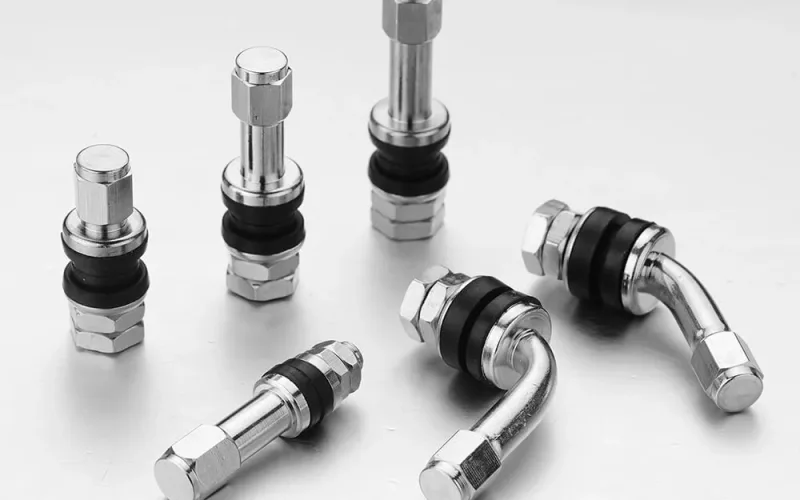
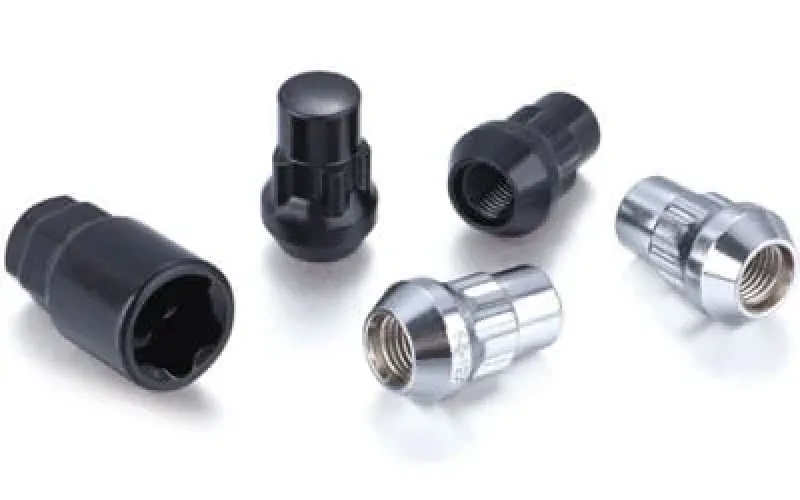
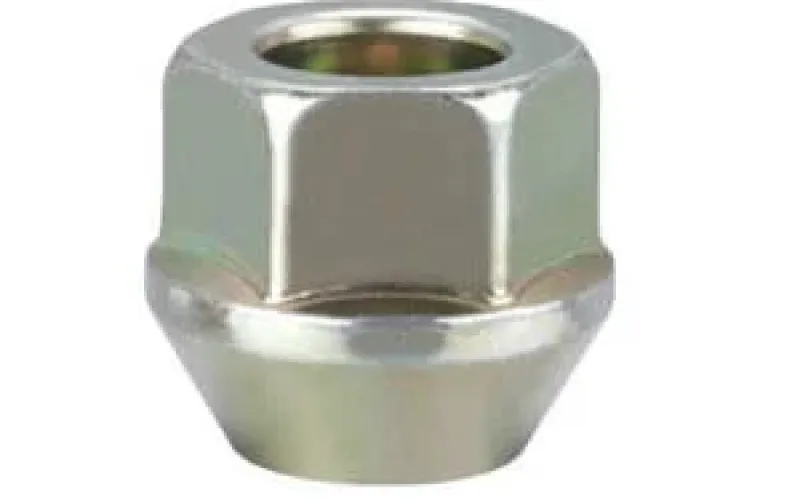
What is the difference between rubber and metal tire valves?
 20Mar
20Mar 

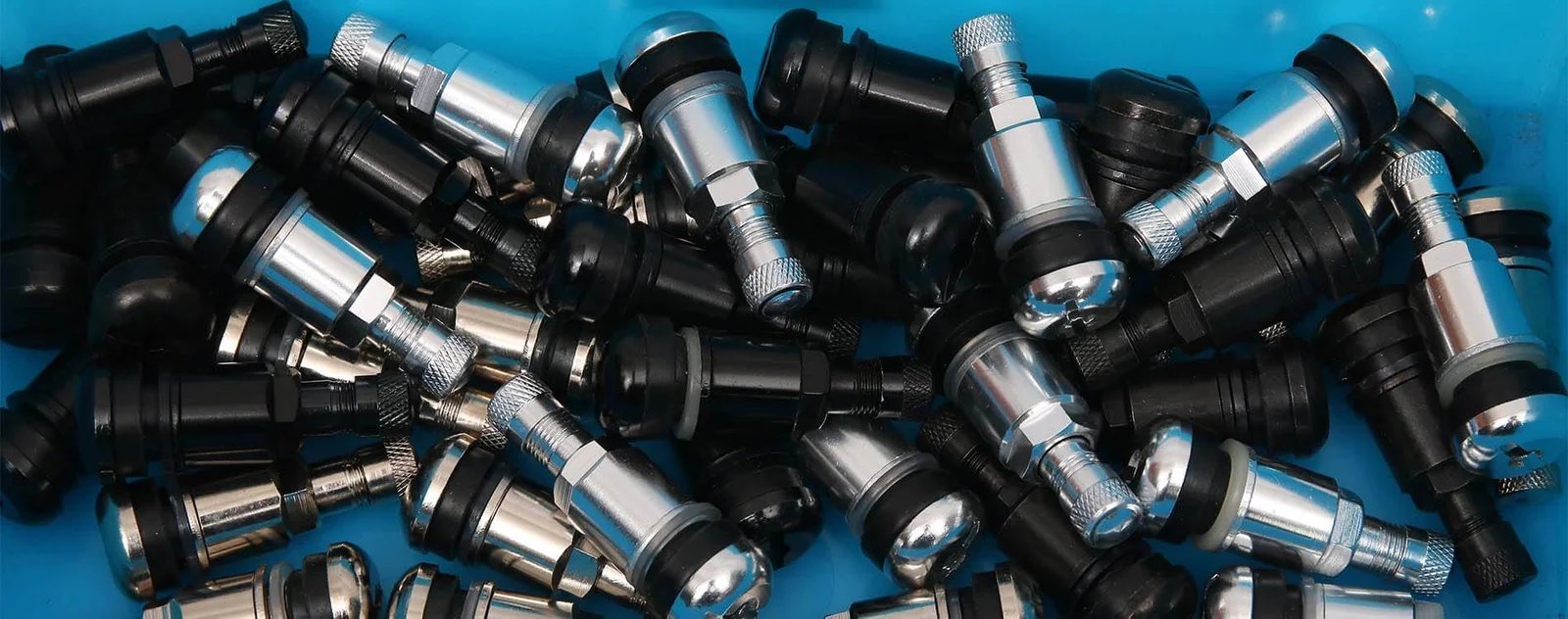
Yes, you can change a tire valve if it leaks air or has a broken cap. Fortune Tire Valves offer excellent options for this task. You can attempt to replace a TPMS valve stem by yourself, or you can seek assistance from an expert. Always use high-quality tire valve caps and remember to prioritize safety.
You can change a tire valve if it leaks or breaks. Use good valves like Fortune Tire Valves for longer use.
Check your tire valves often for cracks or leaks. This helps keep air in and stops blowouts.
Follow safety rules when you change a valve stem. Always wear gloves and eye protection. Ask an expert if you are not sure what to do.
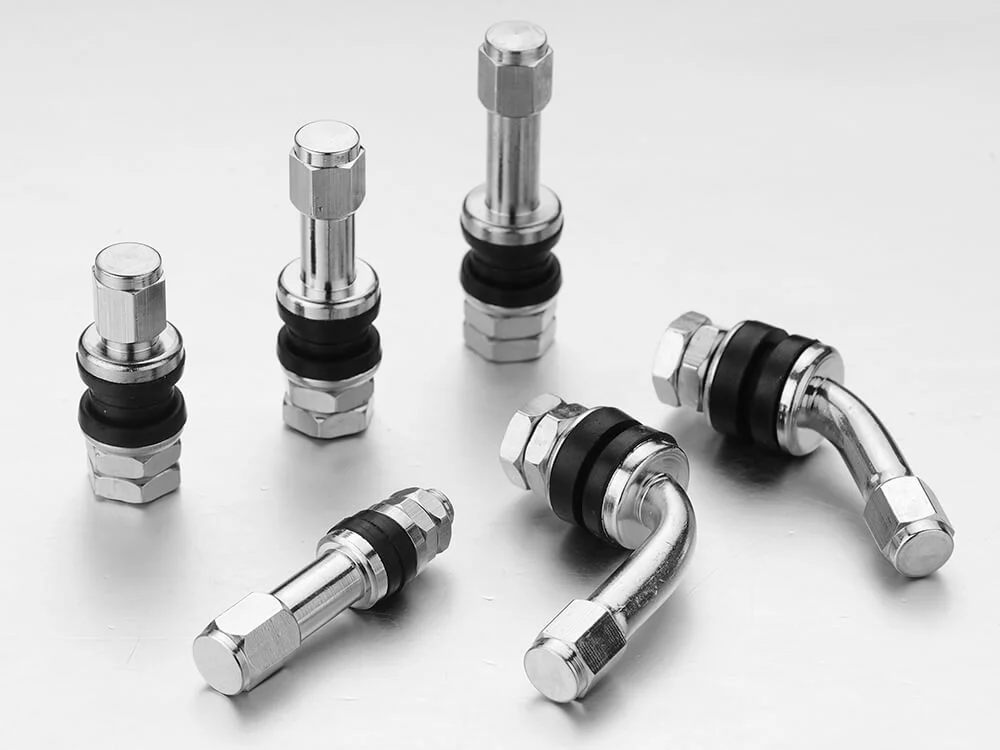
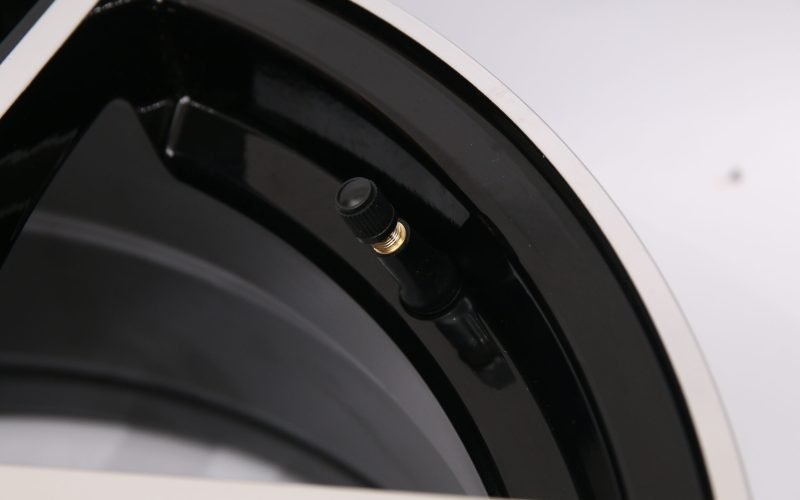
The tire valve is a small but very important component on a wheel. It allows you to inflate the tires and prevents leaks. You can see the valve protruding from the rim. Below is a brief introduction to the main components and their functions:
Component | Function |
|---|---|
Valve Stem Body | Lets air in but stops it from escaping. |
Valve Core | Seals the air inside and helps you inflate or deflate the tire. |
Valve Cap | Keeps dirt and water out, protecting the core from damage. |
Fortune Tire Valves use strong materials like EPDM rubber and brass. These materials help the valve last longer and work better than many standard valves.
There are many reasons why tire valves may need to be replaced. Over time, the rubber can crack or dry out, especially if the vehicle is frequently exposed to sun and rain. Metal valves are prone to rusting if driven on salty or wet roads. Sometimes, you might find that the tire is leaking air even after inflation, which could mean that the valve is leaking.
Slow air leaks can make your tire go flat.
Cracks or dry rot in the rubber can let air escape.
Corrosion on metal valves can cause leaks.
If you have trouble adding air, the valve might be the problem.
Fortune Tire Valves go through tough tests for leaks and durability. This means you get a valve that stands up to heat, weather, and pressure.
You can spot a bad tire valve if you know what to look for. Here are some signs:
Your tire keeps losing pressure, even after you fill it.
You see cracks, rust, or the valve looks brittle.
You hear a faint hissing sound near the valve.
Your steering wheel shakes or your car pulls to one side.
Tip: If you notice any of these signs, check your tire valve right away. A leaking valve can make your tire go flat and even lower your gas mileage.
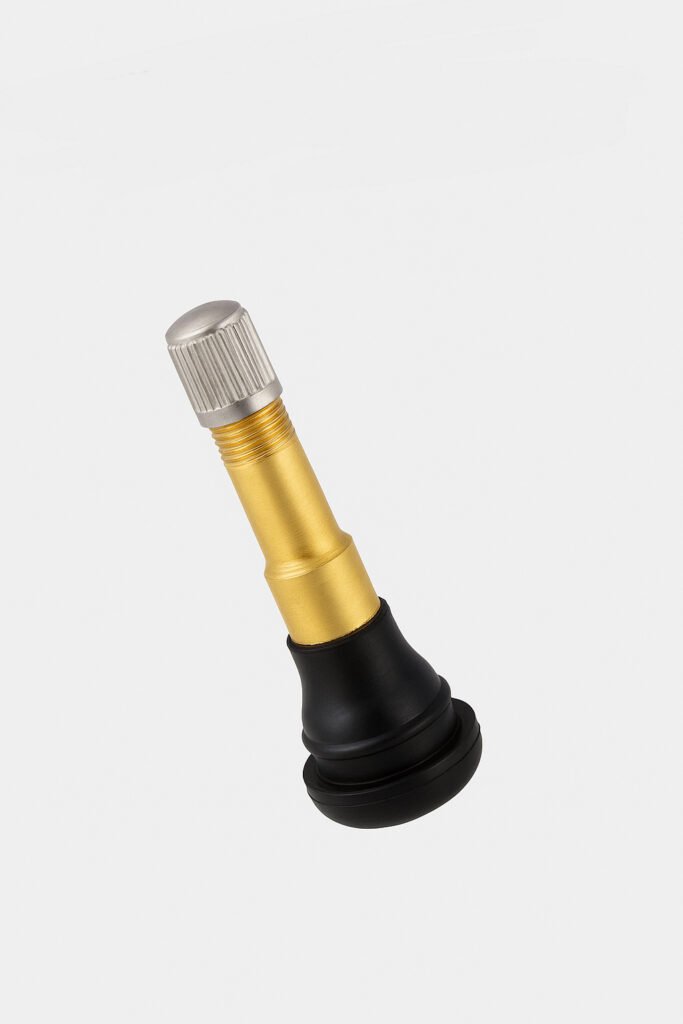
Changing a tire valve might sound tricky, but you can do it with the right tools and a little patience. Whether you drive a car, truck, or motorcycle, Fortune offers both metal and rubber tire valves that fit most wheels. Before you start, make sure you have the right replacement valve for your vehicle. Using a size chart helps you match the valve to your wheel and avoid leaks.
Replacing valve stems doesn’t require a professional repair shop. Here are some tools to make the job easier:
Tip: Always wear safety gloves and goggles. The tires are inflated, so safety is paramount.
Ready? Here’s a step-by-step guide to removing old valve stems without damaging the rim:
If you’re using a QuikStem tool, you can sometimes skip the step of completely removing the tire. This tool allows you to replace the valve stem directly on the rim, saving time.
Now it’s time for installing the valve stem. The steps depend on whether you use a rubber or metal valve:
For rubber valves, push the new stem through the hole from the inside of the rim. Use pliers to pull it until it snaps into place.
For Fortune metal valves, pick the right grommet and slide it onto the stem. Push the stem through the wheel hole. Place the washer on top, then tighten the nut until the grommet seals the valve. Don’t overtighten—just enough to keep it snug.
After you finish, inflate the tire slowly. Make sure the bead seats properly and check for leaks by listening for hissing or using soapy water.
Valve Type | Installation Steps |
|---|---|
Rubber Valve | Push through rim, pull until it snaps, check seal |
Metal Valve | Add grommet, insert stem, add washer, tighten nut, check seal |
Replacing a valve stem is safe if you take your time and follow these tips:
Wear gloves and eye protection.
Work slowly and don’t rush.
Double-check that the new valve is tight and secure.
Never use non-certified tire valves. Certified valves like Fortune meet strict safety standards for pressure and temperature. For example, passenger vehicle valves must handle up to 65 psi and temperatures from -40°F to 180°F.
If you feel unsure about any step, ask a professional for help.
Because tires are filled with pressurized air, removing or manipulating the valve stem can be dangerous. Always use caution.
Mistakes can happen if you ignore signs of wear, wait too long to replace a valve stem, or use the wrong type. Regular checks and using high-quality parts help keep your tire safe and your ride smooth.
You can change a tire valve with basic tools. Use a Fortune valve for best results. Check your tire valves often to stay safe. Regular checks are important for your car.
Rubber tire valves last about 4 to 5 years. Metal tire valves last about 5 to 8 years.
Good valves keep the air pressure correct. They help stop blowouts from happening.
Certification | Description |
|---|---|
ISO9001 | This means the company follows quality rules. |
CE | This shows the product meets health and safety standards. |
GS | This means the product is safe and good quality. |
If you are not sure, ask an expert for help.
You can use a special tool to swap the valve without needing to remove tire from the wheel. This makes the job much faster.
You should check your tire valves every time you check your tire pressure. Look for cracks, leaks, or any signs of damage.
If you ignore a leaking valve, your tire can lose air quickly. This can make driving unsafe and might even damage your tire.
 Request a quote