What is the difference between rubber and metal tire valves?
 20Mar
20Mar 

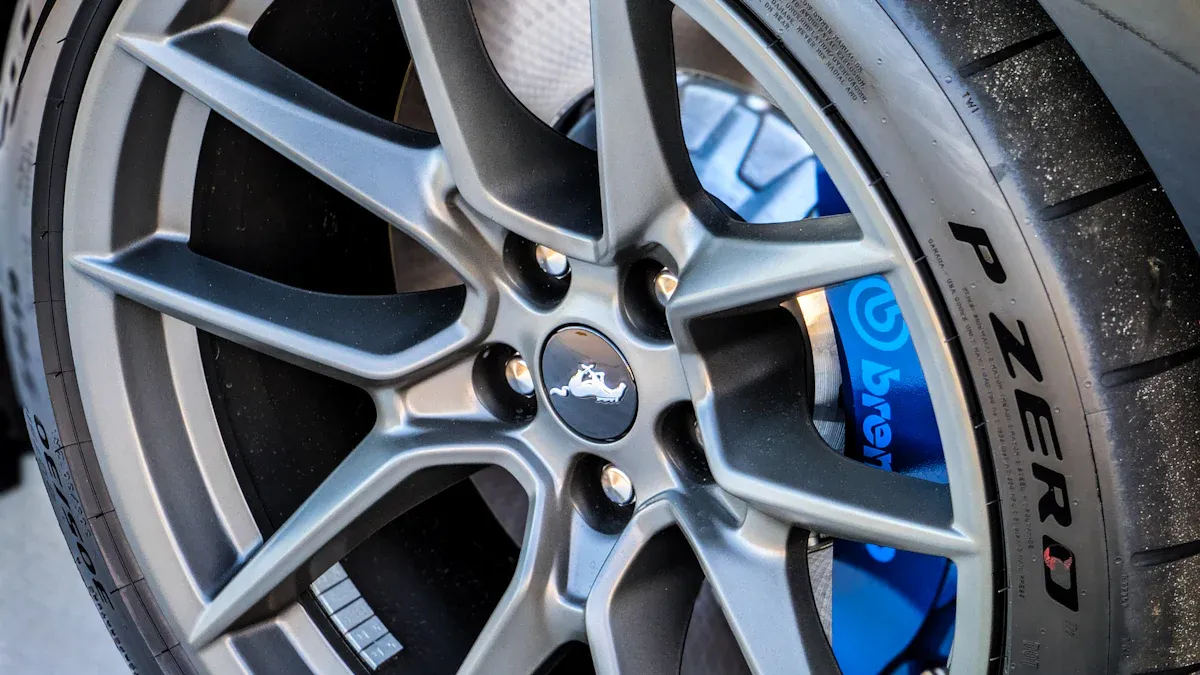
You must choose the correct lug nut for your wheels. The wheel’s lug seat design determines your selection, not personal preference. Many aftermarket aluminum wheels specifically require bulge lug nuts to create a secure fit on their larger seating surfaces. Using the wrong lug nut creates a serious safety risk.
Research highlights the real-world dangers of improper wheel fixing, estimating between 150 and 400 wheel detachments occur annually. These incidents can lead to 10 to 27 injury accidents and even 3 to 7 fatal accidents each year.
A mismatched lug nut can damage studs or cause catastrophic wheel separation while driving.
The lug nut seat is the contact area where the lug nut presses against the wheel. This small surface does the critical job of securing your wheel to your vehicle. You must match the lug nut to the wheel’s seat design for a safe connection. The lug nut seating style is not a matter of choice; it is a requirement set by the wheel manufacturer.
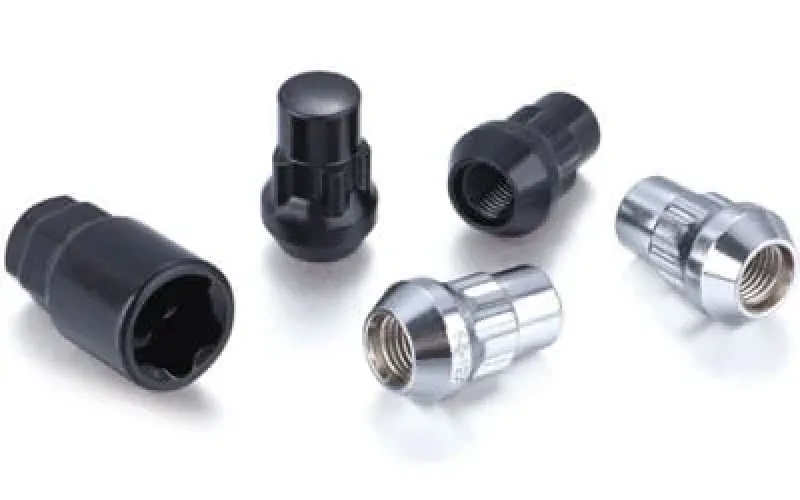
The most common type of seat is the 60-degree cone seat. You will find this design on many original and aftermarket wheels. The lug nut for this seat has a tapered, conical end that fits perfectly into the wheel’s matching indentation. These are often called acorn lug nuts because their shape resembles an acorn. A typical standard acorn lug nut features a 60-degree conical angle and comes in various thread sizes, such as 1/2-20. These conical lug nuts are a popular choice for many applications.
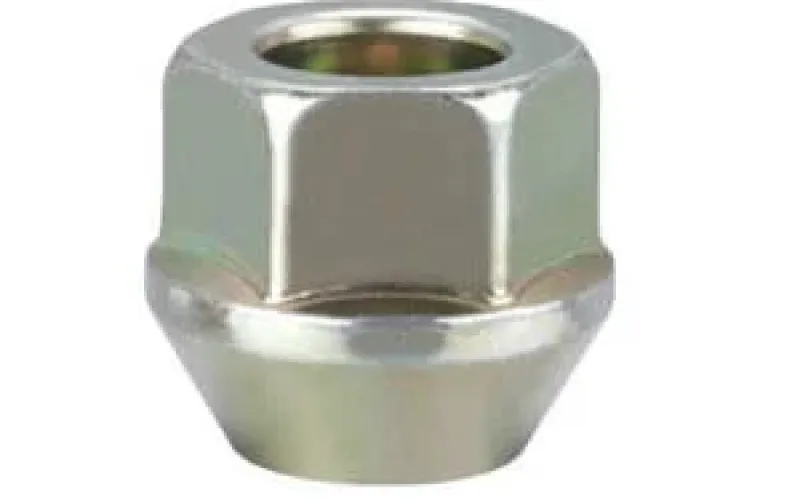
A bulge acorn lug nut also uses a 60-degree conical seat. However, it has a key difference. The base of the acorn shape is wider, or “bulged.” This design creates a larger contact patch between the lug nut and the wheel. Many aftermarket aluminum wheels require this specific lug nut. The larger surface of the bulge acorn provides more clamping area, which is essential for these wheels. Using standard acorn lug nuts on a wheel designed for a bulge acorn is unsafe.
You can easily spot the difference between a standard acorn and a bulge acorn lug nut with a quick visual check. The bulge acorn lug nut has a noticeably wider base.
Pro Tip: Always compare your new lug nut to the old one and inspect the wheel’s lug hole. This simple check helps you confirm the correct seating style before installation.
The seat type is just one part of the equation. You must also verify the thread size and pitch to ensure the lug nut engages the stud correctly.
| Specification | Standard Acorn Lug Nut | Bulge Acorn Lug Nut |
|---|---|---|
| Seat Type | 60° Conical | 60° Conical |
| Base Design | Narrow, tapered base | Wider, “bulged” base |
| Contact Area | Standard | Larger |
Choosing the right lug nut ensures your wheels remain securely attached while you drive.
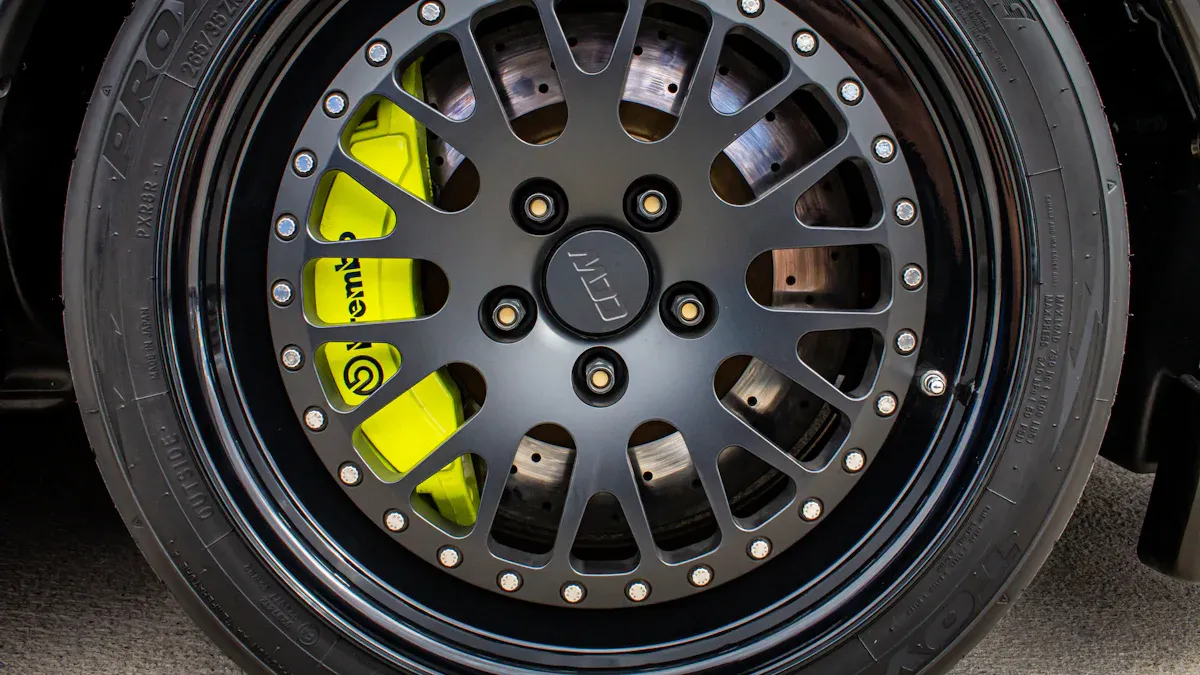
When you upgrade to aftermarket wheels, you often need to upgrade your hardware too. Many aftermarket aluminum wheels have a unique design that demands a specific type of lug nut for a safe and secure connection. Understanding this requirement is critical for your safety on the road.
You should know that aluminum is a softer metal than the steel used for many factory wheels. Aftermarket wheel manufacturers account for this softness. They often design their aluminum wheels with a wider, flatter area inside the lug hole. This design requires aftermarket lug nuts with a larger seating surface to properly secure the wheel without damaging the softer metal. A standard lug nut simply does not have enough surface area for this type of wheel.
Bulge lug nuts provide the solution. These are engineered with an extended seating surface. This design perfectly matches the wider seat found on many aluminum wheels. The larger contact area of the lug nut distributes the clamping force more evenly. This distribution is crucial because it prevents the lug nut from damaging the wheel’s softer aluminum. The design of bulge lug nuts ensures a proper fit and improves security, reducing the chance of the lug nut loosening over time.
Using the wrong lug nut is a serious mistake. If your wheel requires aftermarket lug nuts with a bulge seat, using a standard acorn lug nut creates a dangerous situation. The smaller nut will not make proper contact, leading to an insecure fit. This mismatch can cause severe problems.
Warning: An incorrect lug nut can lead to catastrophic failure. Potential damage includes:
- Damage to your wheels and axles.
- Stripping the threads on the wheel stud.
- Making the lug nut holes in the wheel unusable.
- Causing the wheel to become unstable and dangerously loose.
Always confirm you have the correct lug nut for your specific wheels.
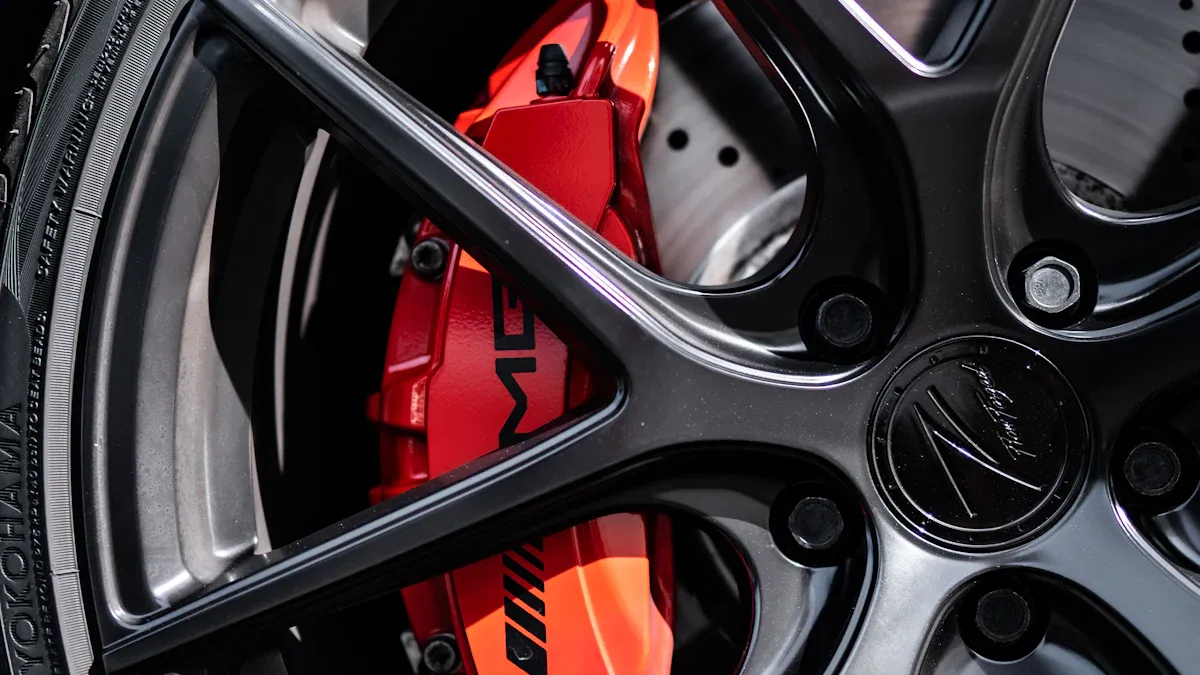
Choosing the correct lug nut is a critical safety decision. Bulge lug nuts offer distinct advantages, especially for aftermarket wheels, by creating a more secure and durable connection between your wheel and your vehicle.
The most significant safety benefit of a bulge lug nut is its ability to distribute clamping force. The wider, “bulged” base creates a much larger contact area against the wheel’s seat. This design spreads the immense pressure from the tightened lug nut over a broader surface. A larger contact patch means a more stable and uniform grip, which is essential for keeping your wheels firmly attached under all driving conditions.
Aftermarket wheels are often made from aluminum, a softer metal than steel. Using a standard lug nut on these wheels concentrates all the clamping force onto a small ring of metal. This high pressure can damage the wheel by creating indentations, cracks, or stress fractures around the lug hole. The larger footprint of bulge lug nuts reduces this stress significantly. By spreading the load, you protect the integrity of your expensive wheels and prevent damage that could lead to a failure.
Your wheels face constant forces that can cause a lug nut to loosen over time. The superior design of a bulge lug nut helps counteract these issues.
Did You Know? Everyday driving creates forces that work to loosen your lug nuts. These include:
- Mechanical Vibrations: Road vibrations create tiny sliding movements between the threads of the stud and the lug nut, which can slowly reduce its tightness.
- Thermal Changes: Your wheels and brakes generate heat. As the metals expand and contract with temperature changes, small gaps can form, weakening the friction that holds the lug nut in place.
The increased surface contact of a bulge-style lug nut provides a stronger frictional grip. This enhanced grip makes it much harder for vibrations or thermal cycles to rotate the lug nut and cause it to back off, ensuring your wheels stay securely fastened.
Selecting the right hardware is not a guessing game. It is a process of careful matching to ensure your safety. This simple 5-step checklist will guide you through identifying and choosing the correct lug nut for your wheels, eliminating dangerous mismatches.
Your first task is to determine if your wheels are Original Equipment Manufacturer (OEM) or aftermarket. OEM wheels are the stock wheels that came with your vehicle from the factory. Aftermarket wheels are any wheels you purchase from a third-party company. This distinction is critical because it often dictates the type of lug nut you need. Many aftermarket wheels, especially those made of aluminum, require specific aftermarket lug nuts to ensure a safe fit.
You can usually identify your wheel type with a careful inspection. Look for specific brand markings, check the finish quality, and consider the price.
Quick Guide: OEM wheels are built by or for your car’s manufacturer. Aftermarket wheels are made by independent companies.
This table highlights the key differences you can look for:
| Feature | OEM Wheels | Aftermarket Wheels |
|---|---|---|
| Brand Markings & Logos | You will see clear, precise logos of the carmaker (e.g., BMW, Audi) and official part numbers stamped or embossed on the wheel. | Logos may be blurry, poorly cast, or missing entirely. You might see generic marks like “JWL” or “VIA” instead. |
| Backside & Barrel Finish | The finish is clean and smooth. You will find precise machining and consistent paint. Markings for part numbers and safety standards are clear. | You might find rough casting marks, uneven paint, or poor finishing. Detailed markings may be absent or even have typos. |
| Price | These are significantly more expensive, often costing $500 or more per wheel. | These are generally cheaper, which can sometimes be due to compromises in materials or engineering. |
To be certain, check the back of the wheel spokes for specific identifiers.
Next, you need to look inside the lug holes on your wheel. The surface where the lug nut makes contact is called the lug seat. The shape of this seat determines the required lug nut seating style. You cannot use a different shape. Your goal is to identify which type of seat your wheel has.
You can identify the seat type with a simple visual check. Shine a light into the lug hole and observe the shape of the contact area.
| Seat Type | Visual Identifier |
|---|---|
| Conical (Acorn) | The seat has a tapered, cone shape, typically at a 60-degree angle. |
| Ball (Radius) | The seat is a rounded, bowl-like shape. |
| Shank or Mag Style | The seat is a flat surface where a washer on the lug nut will rest. |
This inspection is the most important step. The wheel itself tells you exactly what kind of lug nut it needs.
Now you must match the lug nut to the seat you identified. A conical seat requires a conical lug nut. A ball seat requires a ball-shaped lug nut. The two shapes must be identical to create a secure connection. Using the wrong shape prevents the lug nut from centering properly and applying the correct clamping force.
Warning: A mismatched seat is a recipe for disaster. It prevents a secure fit and can lead to:
- The lug nut failing to center the wheel correctly.
- The wheel not being clamped securely to the hub.
- Vibrations that can damage your wheels, studs, and suspension.
- The lug nut loosening and the wheel potentially detaching while you drive.
Before you tighten anything, confirm you have the correct seating style and a perfect match. Place one lug nut into the wheel’s lug hole by hand. It should sit flush and make full contact with the seat. There should be no gaps. This simple test helps you confirm you have the right hardware for your aftermarket lug nuts and wheels.
You must also confirm your vehicle’s thread pitch. The thread pitch is the measurement of the threads on your wheel studs. It is written as two numbers, like M12 x 1.25. The first number (M12) is the diameter of the stud in millimeters. The second number (1.25) is the distance between each thread, also in millimeters. Your new lug nut must have the exact same thread pitch to screw on correctly and safely.
Finding the correct lug nut size is a straightforward process. You have several reliable options to get the right information.
Tool Tip: A thread pitch gauge is an inexpensive and highly accurate tool available at any hardware store. It is the best way to be 100% certain of your thread size.
If you use a thread pitch gauge, follow these simple steps for an accurate reading:
Vehicle manufacturers use different standards. Japanese and Korean cars often use JIS (Japanese Industrial Standards) fasteners. This means you will find specific thread sizes on these vehicles. The table below shows some common thread pitches you might encounter.
| Vehicle Type | Common Thread Pitch Sizes |
|---|---|
| Asian Vehicles | M12 x 1.25, M10 x 1.25 |
| American & European Vehicles | M12 x 1.5, M10 x 1.5 |
| Universal | M8 x 1.25, M6 x 1.0 |
Knowing these common sizes helps you narrow down your search for the correct lug nut size. A mismatched thread pitch will damage your wheel studs, making it impossible to secure your wheel.
The final and most important step is to consult the manufacturer’s specifications. This is the non-negotiable rule for wheel safety. Both your vehicle manufacturer and your aftermarket wheel manufacturer provide precise details about the hardware you need. You should never guess or assume a lug nut will fit.
The wheel manufacturer’s documentation will tell you exactly what seat type the wheel requires (e.g., 60-degree bulge cone). It may also specify a required length or style of lug nut for proper tool engagement and clearance. The vehicle manufacturer’s specifications, found in your owner’s manual or official service guide, will confirm the thread pitch for your wheel studs.
Safety First: Always prioritize the information provided by the manufacturer. Their specifications are based on extensive engineering and testing to ensure your wheels remain safely attached to your vehicle. Ignoring these guidelines puts you, your passengers, and others on the road at risk.
When in doubt, contact the wheel manufacturer directly or speak with a trusted professional. A qualified supplier, like Fortune Auto Parts, has the expertise to help you verify every detail and ensure you purchase the correct lug nut for your specific application.
While conical acorn lug nuts are common, you will find other designs for specific vehicles and wheels. You must know these types to avoid a dangerous mismatch. The wrong lug nut will not secure your wheel properly. A standard acorn shape will not work in a wheel designed for a ball or mag seat.
You might encounter ball seat lug nuts if you drive certain cars. These are very different from a conical acorn.
All original Honda and Acura wheels use ball lug nuts. This includes models like the Honda Civic (1997-2022) and Honda Accord (1989-2008). These ball lug nuts are not interchangeable with the more common 60-degree conical acorn lug nuts. Using a conical acorn lug nut in a ball seat creates a tiny contact point, which is extremely unsafe. Always match the ball shape of the nut to the ball seat of the wheel.
Mag seat lug nuts look very different from a typical acorn. They have a flat washer at the base and a long, straight shank. This design is for wheels that need a large contact area. The flat washer presses directly against the wheel’s flat seat surface. This distributes clamping force over a wide area, which helps protect softer alloy wheels from damage. This is a major difference from the tapered design of conical acorn lug nuts. The shank helps center the wheel, while the washer provides the clamping force. You cannot substitute a standard acorn for this type.
Important: The clamping force is set by your torque wrench. However, only a matching seat and nut ensure that force is applied correctly. A mag seat requires a mag lug nut. A conical seat needs a conical acorn.
You may need a special lug nut for some aftermarket wheels. Tuner style lug nuts are made for wheels with very small lug holes. A standard acorn or even a bulge acorn is too wide to fit. These lug nuts are narrow and often require a special key or adapter to install and remove them. This design offers a few benefits:
These are engineered for a specific purpose. You should only use them on wheels designed for their small diameter.
You must follow one non-negotiable rule.
The wheel’s seat design dictates the required lug nut.
You should match standard cone seats with standard nuts. Use bulge lug nuts for wheels designed with a larger seating area. Prioritizing this compatibility check is essential for the safety and integrity of your vehicle. When in doubt, always consult the specifications from your wheel manufacturer or a trusted professional from a qualified supplier like Fortune Auto Parts. This ensures you select the correct lug nut for a secure fit.
You should not assume your old lug nuts will fit. Many aftermarket wheels require a specific seat, like a bulge acorn, that your factory nuts may not have. Always verify the new wheel’s requirements to ensure a safe and secure installation. Using the wrong nut is dangerous.
A mismatched seat creates a very small and unstable contact point. This prevents the lug nut from applying proper clamping force.
Danger: The lug nut can vibrate loose, damage the wheel, or cause a catastrophic wheel detachment while you are driving.
You must re-torque your lug nuts after driving the first 25-50 miles on new wheels. This ensures they have settled correctly. After that initial check, you should inspect the torque during every regular tire rotation or as recommended in your vehicle’s owner’s manual.
Price does not determine safety; the correct fit does. The safest lug nut is one that perfectly matches your wheel’s seat design and your vehicle’s thread pitch. You should always choose hardware from a reputable manufacturer that meets the required specifications for your setup.
 Request a quote