What is the difference between rubber and metal tire valves?
 20Mar
20Mar 

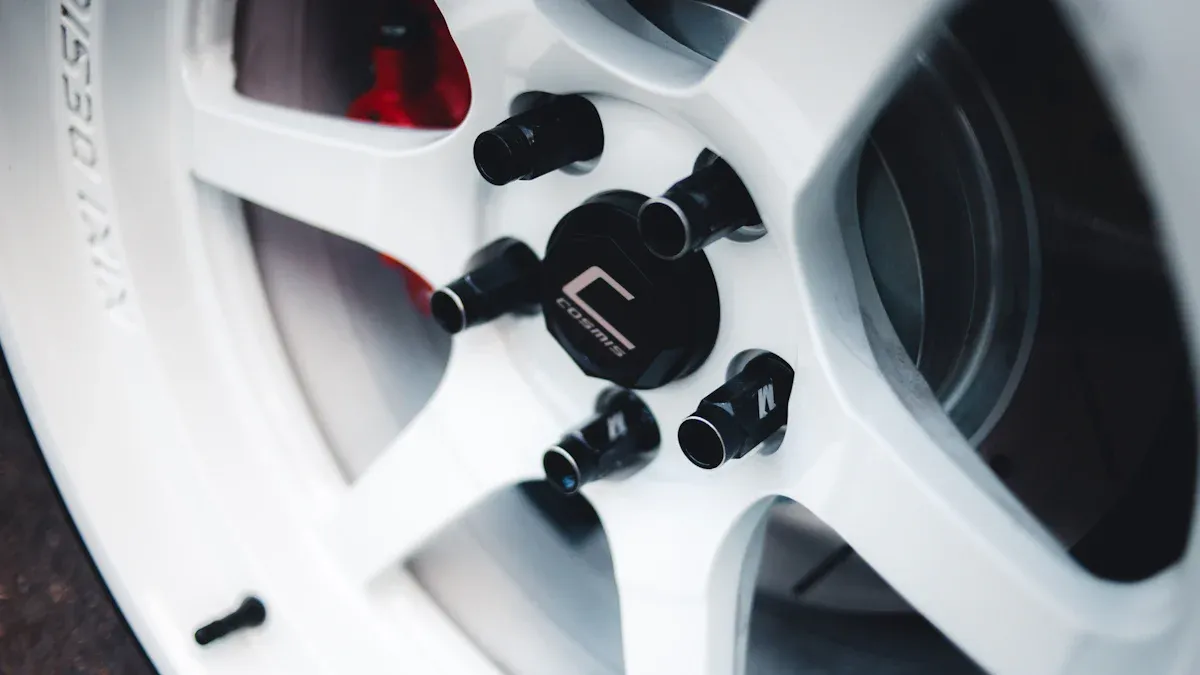
You chose new aftermarket aluminum wheels for your vehicle. You must use the correct aftermarket lug nuts to ensure safety on the road. A standard conical nut is often unsafe for these wheels. You need special bulge lug nuts. This type of nut features a wider, “bulged” seat that provides a larger contact area.
Safety Tip: The nut’s design is critical. It protects the softer aluminum wheel material and prevents the nut from loosening over time. A secure nut is your first line of defense against wheel vibration and failure.
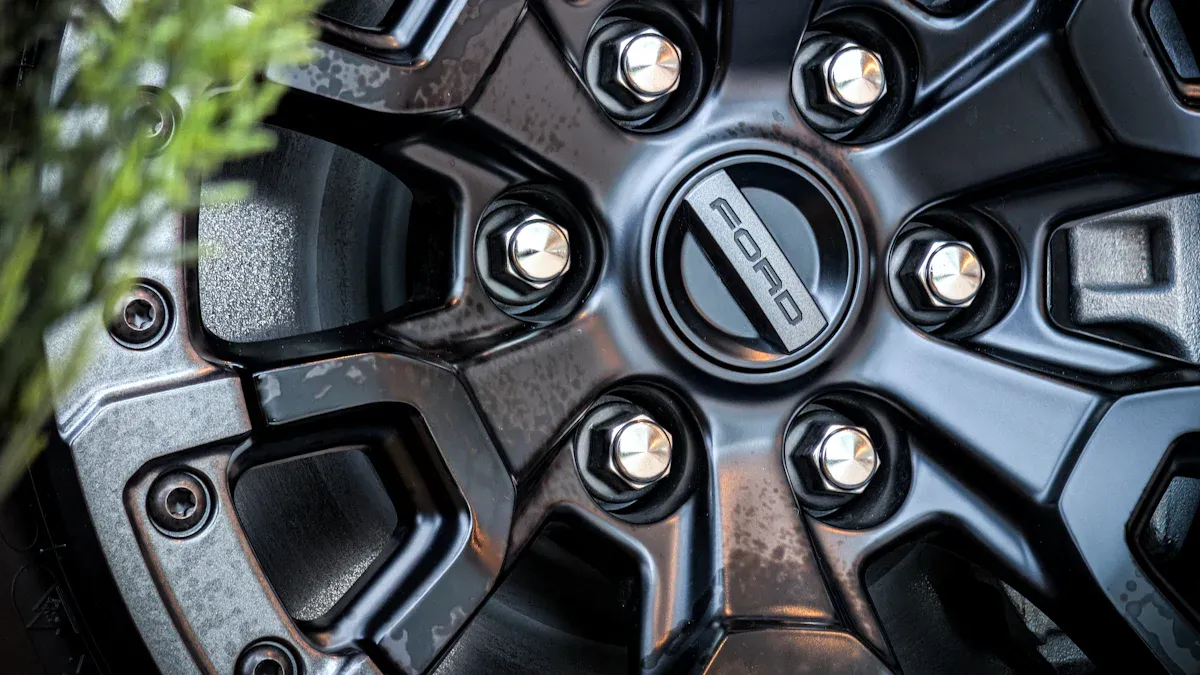
You know you need special nuts for your aftermarket wheels, but what makes them different? Understanding the design of bulge lug nuts shows you why they are essential for your vehicle’s safety. The difference is in the shape and size of the seat, which is the part of the nut that touches your wheel.
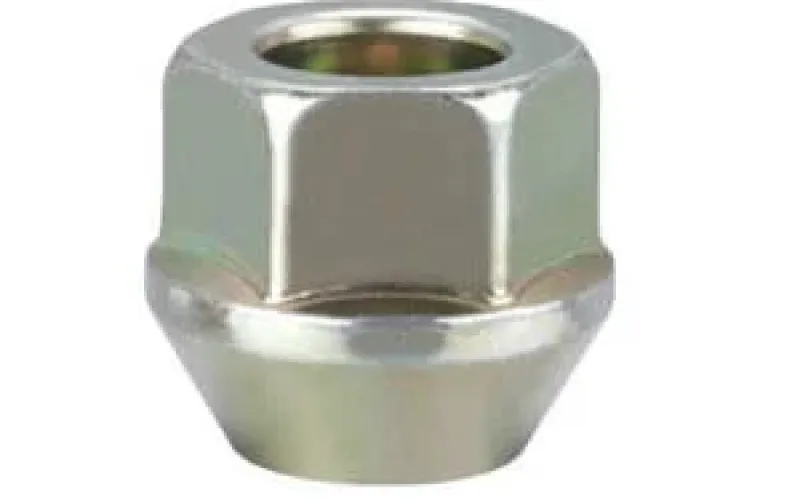
You can think of a nut as having a few basic parts. The main difference in various lug nut seating styles is the shape of the seat. A bulge acorn nut has a distinct design.
This extended seating surface is the most important feature. It is not just a cosmetic choice; it is a critical safety design that separates this nut from others.
The larger seat on this type of nut serves one primary purpose: to protect your aluminum wheels. Aftermarket aluminum wheels are made from a softer metal than the steel wheels that often come from the factory. Using a standard nut with a small seat on a soft aluminum wheel concentrates all the clamping force into a tiny ring. This high pressure can cause the nut to damage the wheel.
Important: The wider seat of a bulge nut distributes this force over a larger surface area. This prevents the wheel fastener from digging into the aluminum, which could cause the nut to loosen over time.
Proper aftermarket lug nuts are crucial. The correct contact between different lug nut seating styles and the wheel ensures your wheels stay tight. This simple component is a key part of keeping you safe on the road. There are several lug nut seating styles, and matching them correctly is non-negotiable.
You must match your nut to your wheel’s lug hole design. The part of the nut that touches the wheel is the “seat.” Using the wrong one is a major safety risk. Understanding the main lug nut seating styles helps you make the correct choice for your vehicle. There are several common lug nut seating styles, but only one is right for your specific wheel.
The most common lug nut seating styles you will encounter are conical. These are often called acorn lug nuts because of their shape. Standard acorn lug nuts have a tapered seat that helps center the wheel as you tighten the nut.
| Seat Type | Common Angle |
|---|---|
| Conical (Acorn) | 60° |
A bulge acorn nut is a special type of conical nut. It shares the same 60-degree taper, but its seat is wider and more rounded. While standard acorn lug nuts work for many steel wheels, the bulge style is essential for most aftermarket aluminum wheels. This larger surface protects the softer metal from damage. These are a type of tapered lug nuts designed for enhanced safety. Choosing between these lug nut seating styles is critical.
You may also see other lug nut seating styles. It is important to recognize them so you do not use them by mistake.
Note: Never use a ball seat or mag seat nut on a wheel designed for a conical seat. The mismatch will prevent the nut from securing the wheel properly.
Knowing these different lug nut seating styles ensures you select the correct seating style for your wheels.
You might think any lug nut that threads onto your wheel stud is good enough. This is a dangerous mistake. Using the wrong nut on your aluminum wheels creates serious risks that endanger you, your passengers, and others on the road. Understanding these dangers shows why the correct nut is a critical safety component.
The primary job of a lug nut is to hold your wheel tight against the hub with a specific amount of clamping force, known as torque. When you use a standard nut on a wheel designed for a bulge acorn seat, the contact area is too small. The nut cannot properly grip the wheel. This mismatch causes the nut to loosen over time, leading to a loss of torque.
A loose wheel will not stay centered on the hub. This causes imbalance and vibration. At first, you might not notice it, but the problem will get worse. You may start to experience specific symptoms that warn you of a loose wheel.
Warning: If you feel these symptoms, pull over safely as soon as possible. A vibrating wheel is a sign of a serious problem, and the next step could be total failure. Each loose nut puts more stress on the remaining ones.
Your aftermarket aluminum wheels are made from a softer metal than typical steel wheels. They require the wide contact area of a proper bulge nut to distribute the clamping force safely. When you use a standard conical nut, all that force is focused on a very thin edge. This immense pressure acts like a knife, digging into the soft aluminum around the lug hole.
This damages the wheel in several ways. The incorrect pressure points deform the lug holes, a process that leads to metal fatigue. Over time, the holes can become oval-shaped or “wallowed out.” This damage is permanent and ruins the wheel. A damaged lug seat makes it impossible for any nut to hold torque correctly, even the right one. The wheel can no longer sit perfectly centered on the hub, which increases vibration and puts extreme stress on the wheel studs.
The final, most terrifying result of using the wrong nut is complete wheel detachment. This happens when the vibrations and damaged lug holes cause the nuts to back off completely. A wheel flying off a moving vehicle becomes an uncontrolled, heavy projectile.
These events, known as wheel-off incidents, happen more often than you might think.
If a professional installs the wrong bulge lug nuts and it leads to an accident, the repair shop holds legal responsibility. Shops have a “duty of care” to perform safe work. If their negligence causes harm, they are liable for damages, which can include medical costs, lost wages, and compensation for pain and suffering. Proving you have the correct nut on your vehicle is not just about performance; it is a critical matter of safety and legal responsibility.
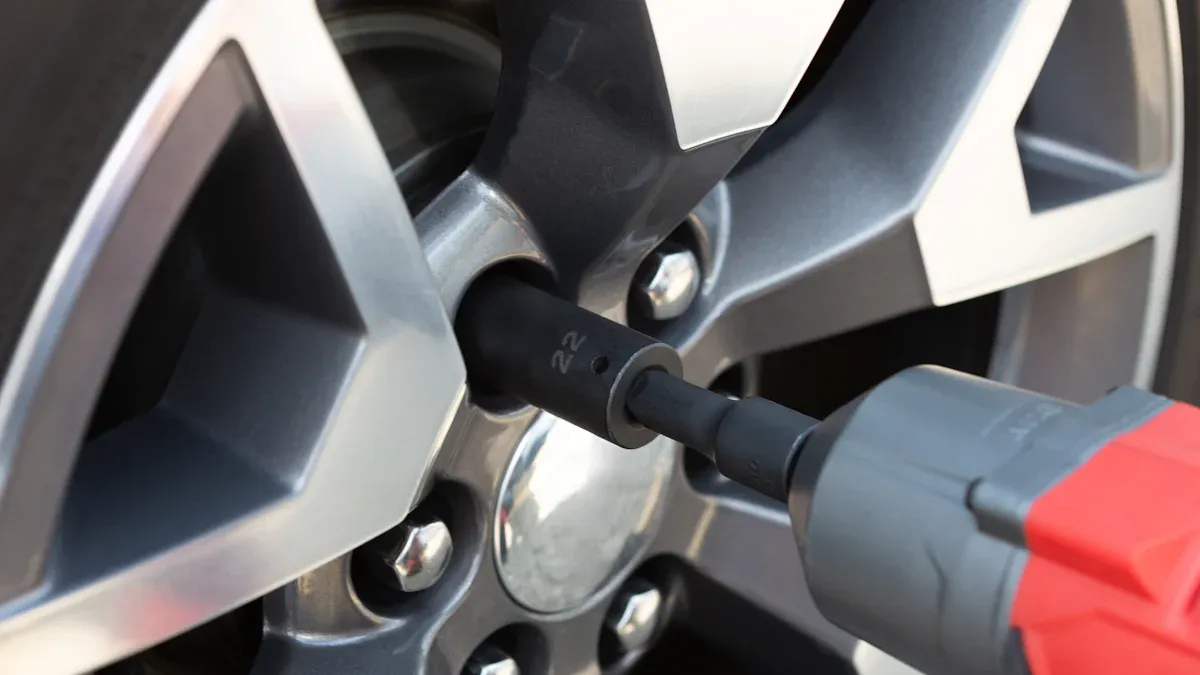
Choosing and installing your lug nuts correctly is a simple process that guarantees your safety. This checklist breaks down exactly what you need to do to get it right every time.
Choosing the right aftermarket lug nuts requires you to match three key things: seat, thread, and size. You already know about different lug nut seating styles and that most aftermarket aluminum wheels need bulge acorn lug nuts. Next, you must find the correct lug nut size. This includes the thread diameter (like 12mm or 1/2″) and pitch (like 1.5 or 20).
Here is how you can identify the right lug nut size for your vehicle:
For an easy and accurate way to identify threads, you can use a tool called a Lug Nut Thread Checker. Getting the correct seating style and size for each nut is the first step. These acorn lug nuts must be the right fit. The wrong nut will not work.
Once you have the correct aftermarket lug nuts, installing them properly is just as important. You must use a calibrated torque wrench to tighten each nut to your vehicle manufacturer’s specification. Never use an impact wrench for final tightening.
Warning: Over-tightening can stretch and weaken wheel studs, while under-torquing allows the wheel to loosen. Both mistakes can lead to wheel detachment.
Always tighten the acorn lug nuts in a star or crisscross pattern. This ensures the wheel sits flat against the hub. This even pressure is vital for all lug nut seating styles. For a common 5-lug wheel, you tighten each nut in this order:
This process ensures each wheel fastener applies even clamping force. After tightening the last nut, go over all the acorn lug nuts one more time with the torque wrench. This final check confirms every nut is secure. Remember to re-check the torque on your acorn lug nuts after driving about 50 miles. This simple step ensures each nut remains tight. A secure nut is a safe nut.
You must use the correct bulge lug nuts for your aluminum wheels. This is a critical safety requirement, not an option. Their larger seating surface protects the softer aluminum and ensures each nut remains securely attached to your vehicle.
Final Safety Check: Take a moment to verify your lug nut setup today. Remember to re-check the torque after driving about 50 miles. This simple step ensures each nut stays tight and keeps you safe on the road. 🚗
No, you should not reuse old lug nuts. Your factory nuts are likely designed for steel wheels and have the wrong seat type. Using them on aluminum wheels can cause damage and lead to the wheel loosening over time. Always use the nuts specified for your new wheels.
You risk damaging your vehicle. An impact wrench can easily over-tighten the nuts. This action can stretch and weaken the wheel studs, making them likely to break. Always use a calibrated torque wrench for final tightening to ensure proper clamping force without causing damage.
You should always re-check your lug nut torque after driving about 50 miles on newly installed wheels. This simple step ensures that the nuts have settled correctly and remain tight. Regular checks during tire rotations are also a good safety practice. 🚗
No, they are not the same. You must match the seat type, thread size, and pitch to your specific wheels and vehicle. Using the wrong aftermarket lug nuts is a major safety hazard that can lead to wheel vibration, damage, or even detachment.
 Request a quote