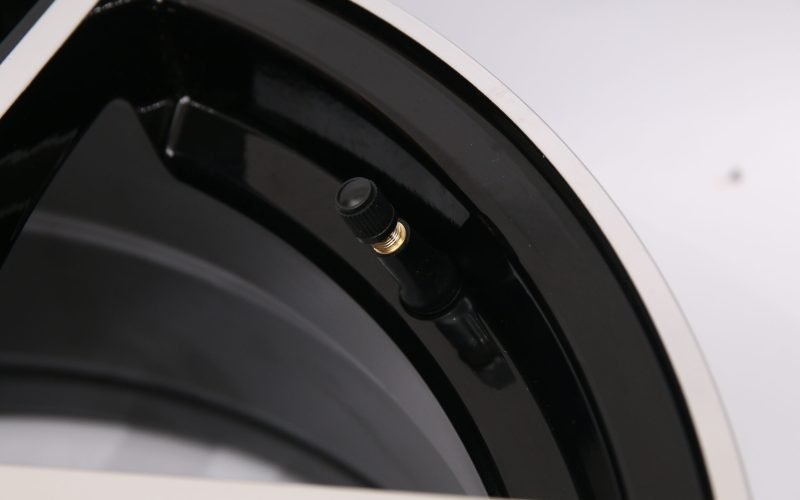
What is the difference between rubber and metal tire valves?
 20Mar
20Mar 


In today’s aftermarket, properly engineered wheel lug nuts, security-focused wheel locks, and OEM-style lug bolts are no longer treated as minor hardware. They are structural fastening components responsible for clamping force, wheel alignment stability, and theft prevention. As vehicle customization expands globally and wheel upgrades become more common, fastening systems must meet higher standards for strength, corrosion resistance, and dimensional precision.
The global aftermarket for wheel fastening components continues to grow, driven by performance upgrades, premium alloy wheels, and increased security awareness. Selecting the correct lug system is therefore a technical decision—not just an aesthetic one.
This year’s notable solutions include forged titanium and high-strength steel lug nuts from Fortune, precision spline-drive designs for narrow lug bores, and advanced wheel lock systems for anti-theft protection.
Correct fitment determines safety. A mismatch in seat type or thread pitch reduces clamping force and increases the risk of stud fatigue or wheel loosening.
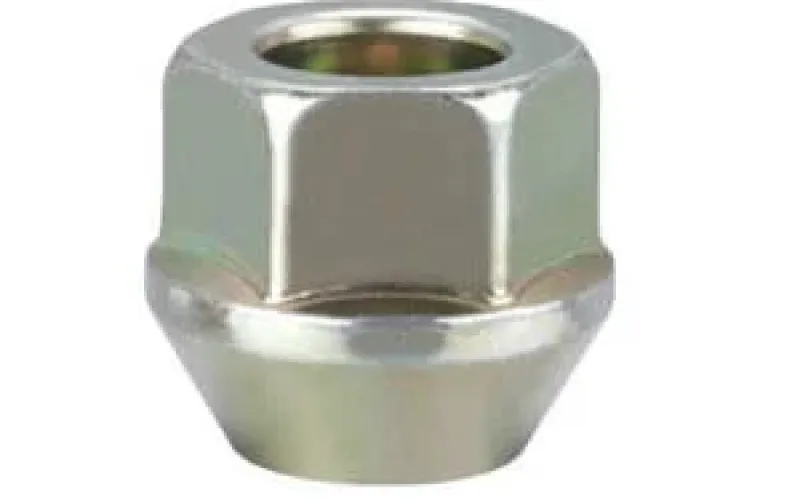
The seat is the contact interface between the lug nut and the wheel. It distributes clamping load across the mounting surface. Using the wrong seat geometry prevents uniform load distribution and may allow the wheel to shift under torque.
Common seat types include:
Even small differences in taper angle affect load transfer. Additionally, corrosion or debris between the hub and wheel face reduces effective clamping force. Proper cleaning before installation is essential.
Thread pitch defines how the lug nut engages the stud. Typical specifications include metric formats such as 12×1.5 or 14×1.5, and imperial formats like 1/2″-20.
Installing an incorrect thread pitch leads to cross-threading and permanent damage to both stud and nut. Over-tightening mismatched threads, particularly with impact tools, can stretch studs beyond elastic limits. Once stretched, studs lose preload strength and may fail under dynamic load.
Always confirm:
Proper torque application ensures uniform preload and prevents loosening during operation.

Material selection influences tensile strength, heat resistance, corrosion behavior, and weight.
High-strength automotive steel remains the standard choice for daily driving and commercial applications. Properly heat-treated steel lug nuts provide stable clamping force and high fatigue resistance.
Grade classifications indicate tensile capacity. Higher grades deliver greater strength margins under repeated torque cycles. Protective coatings such as zinc, chrome, or black phosphate improve corrosion resistance.
Fortune forged steel lug nuts are manufactured under controlled heat-treatment and thread-precision standards to ensure consistent preload retention and long-term durability.
Titanium offers an exceptional strength-to-weight ratio. In performance and motorsport environments, reducing unsprung mass improves suspension response and handling dynamics.
Grade 5 titanium (Ti-6Al-4V) maintains structural integrity at elevated temperatures and resists corrosion from moisture and road salts. While titanium requires precise machining due to material hardness, correctly manufactured components deliver long service life with reduced mass.
Fortune forged titanium lug nuts are produced using aerospace-grade material with strict tensile verification to meet high-load applications.
Aluminum lug nuts reduce weight and offer visual customization through anodized finishes. However, aluminum provides lower tensile strength compared to steel or titanium and requires careful torque management to prevent deformation.
For non-racing aesthetic builds, aluminum may be suitable, but structural demands should always be considered before selection.
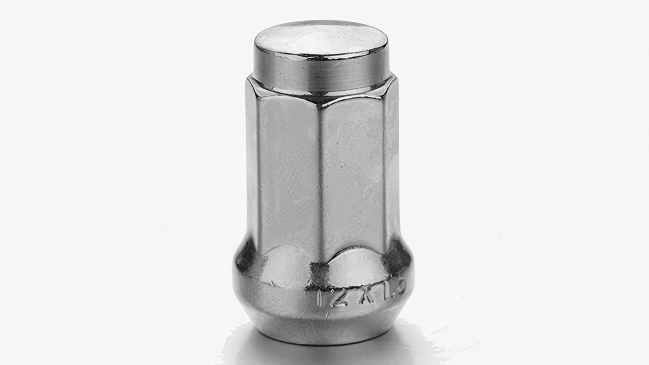
Beyond material, geometry influences both fitment and tool engagement.
Many aftermarket wheels use narrow lug holes that restrict socket access. Spline drive lug nuts feature a slim external diameter and internal spline pattern for installation with a dedicated key.
Advantages include:
Spline geometry also allows deeper stud engagement, improving thread contact distribution.
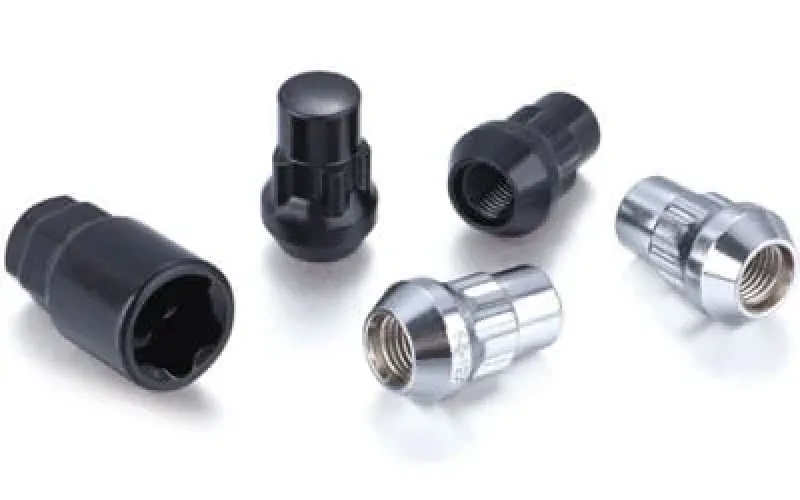
Wheel locks replace one standard lug nut per wheel with a uniquely patterned unit requiring a matched key. This prevents removal using conventional tools.
High-quality locking systems incorporate:
Wheel theft remains a measurable risk in the aftermarket segment. Installing wheel locks significantly increases removal difficulty and reduces opportunistic theft.
Extended lug nuts are commonly used for visual applications or where deeper stud engagement is required. Structural compatibility must be verified to ensure proper thread coverage.
Designed for high-performance and weight-sensitive builds, Fortune forged titanium lug nuts combine low mass with high tensile strength. Manufactured from Grade 5 titanium, they provide strong preload stability under heat and vibration. Corrosion resistance ensures durability in harsh environments.
These components are suitable for motorsport, track applications, and premium builds requiring lightweight fastening solutions.
For daily driving and heavy-duty use, Fortune forged steel lug nuts deliver stable torque retention and long fatigue life. Precision-machined threads protect studs from damage, and protective coatings improve resistance to environmental exposure.
Manufacturing controls include tensile verification, thread accuracy testing, and coating adhesion inspection to ensure consistent batch quality.
Spline-drive designs remain effective for wheels with restricted access. Slim profiles allow compatibility without compromising clamping integrity. When manufactured with correct hardness and dimensional tolerance, they provide reliable long-term fastening.
High-security wheel locks incorporate hardened materials and proprietary key patterns. Multi-layer plating systems enhance corrosion resistance while maintaining surface hardness. These systems provide mechanical deterrence without affecting torque performance.
Before selecting lug hardware, confirm:
Proper fastening hardware is critical for maintaining wheel integrity under dynamic loads. Lug bolts—commonly used in certain European vehicles—require similar verification of seat type, shank length, and torque value.
Wheel fastening systems are structural safety components. Correctly specified wheel lug nuts, compatible wheel locks, and properly sized lug bolts ensure uniform clamping force and long-term wheel stability.
Material strength, thread precision, surface treatment, and installation torque directly influence performance and safety. Selecting engineered hardware manufactured under strict quality control—such as Fortune forged fastening solutions—ensures reliable preload retention and resistance to environmental degradation.
Attention to specification and installation practice completes the safety loop, transforming small hardware into critical structural assurance.
You find your vehicle’s specific torque setting in the owner’s manual. Always use a torque wrench for tightening. Over-tightening with an impact wrench can stretch and damage your wheel studs, creating a serious safety risk.
You should avoid reusing old, rusted, or damaged lug nuts. They can lose their ability to hold the correct torque, even if they look okay. Installing a fresh set ensures your wheels are securely fastened for maximum safety.
You can clean your lug nuts with a simple mix of mild soap and water. Avoid harsh chemicals or abrasive cleaners. These can damage the protective coating and finish, especially on colored aluminum or black steel styles.
You can trust manufacturers who follow strict quality standards. For example, Fortune is an ISO 9001 certified company with over 15 years of experience. They test their products thoroughly to ensure they meet high safety and performance requirements.
 Request a quote