 04Feb
04Feb 


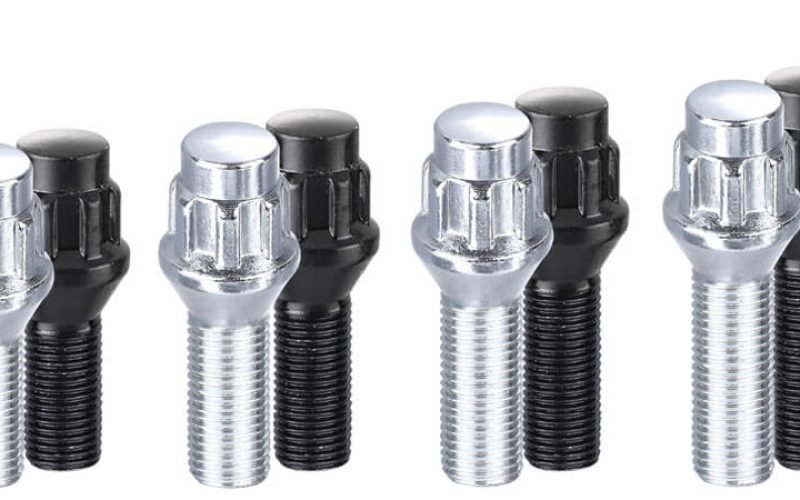
Incorrect wheel fitment poses a serious safety risk. Studies show nearly half of all wheel separations come from loose mounting hardware. You ensure proper fitment by matching your wheel hub screw to the hub. Correct compatibility depends on three things: thread size, seat type, and length. A secure wheel hub assembly is crucial for your vehicle’s performance. Proper installation ensures a safe hub assembly connection to the hub.
Identifying Your Wheel Hub Screw Thread Size
An excellent wheel hub assembly starts with the correct parts. Selecting the right wheel hub screw is the first step toward a secure wheel fitment. You must identify the thread size to ensure compatibility with your vehicle’s hub. This size consists of two key measurements: the diameter and the thread pitch. Getting this right prevents damage to the hub and ensures your wheel stays firmly attached.
How to Measure Diameter and Pitch
You can find your screw’s thread size with a couple of simple tools. This measurement ensures a perfect fitment with your hub assembly. You will need a caliper and a thread pitch gauge. You can find these at most auto parts or hardware stores.
Follow these steps for an accurate measurement:
- Measure the Diameter: Use your calipers to measure the outside diameter of the screw’s threaded section. This gives you the first part of the size, like “M12” (12 millimeters) or “1/2″” (half an inch).
- Identify the Pitch: Use a thread pitch gauge to find the thread pitch. These gauges have many small, toothed blades. Find the blade that fits perfectly into the screw’s threads with no gaps. The number on that blade is your pitch.
Quick Tip: If you don’t have these tools, you can take one of your existing screws to a local auto parts store. They have thread-checking tools and can help you identify the correct size in seconds.
It is important to know the two main measurement systems. They determine how you read the pitch.
- Metric: The pitch is the distance in millimeters between each thread. A “1.5” pitch means the threads are 1.5mm apart.
- SAE (Imperial): The pitch is the number of threads per inch (TPI). A “20” TPI means there are 20 threads in one inch of the screw.
Common Thread Sizes by Vehicle Origin
Car manufacturers often use specific thread sizes based on the vehicle’s origin. This information provides a great starting point, but you should always measure to confirm the correct fitment for your hub. These general guides can help you narrow down your options. A proper fitment is essential for your car’s safety and performance.
European brands, for example, almost always use metric screws for their wheel hub assembly.
- BMW models often use M12x1.5 on older E-chassis cars. Newer F and G-chassis models typically use M14x1.25.
- Mercedes-Benz and Volkswagen vehicles commonly use different sizes.
Here is a quick reference table for some popular European brands.
| Car Brand | Common Thread Size |
|---|---|
| Mercedes-Benz | M12 x 1.5 |
| BMW | M12 x 1.5 |
| Volkswagen | M14 x 1.5 |
| Audi | M14 x 1.5 |
Always treat these charts as fitment guides, not absolute rules. The safest approach is to measure your specific screw or consult your vehicle’s OEM specifications. Following professional guides ensures your hub assembly is secure and your wheel fitment is safe.
Matching the Correct Wheel Seat Type
After confirming your thread size, you must match the wheel screw’s seat type. The “seat” is the contact surface where the screw head meets the wheel. A correct match ensures the screw centers the wheel on the hub and applies clamping force evenly. Using the wrong seat type creates a tiny contact point. This leads to loose screws, wheel vibrations, and potential damage to your wheel hub assembly. Proper wheel fitment depends on this critical detail.
Conical, Ball, and Flat Seats Explained
You will encounter three primary seat types. Each design centers the wheel differently and is not interchangeable. Choosing the right one is essential for a safe fitment.
- Conical Seat: This is the most common type, also known as a tapered or acorn seat. It has a cone shape with a 60-degree taper. This design effectively centers the wheel on the hub as you tighten it. Many aftermarket wheels and vehicles from manufacturers like Ford use this style.
- Ball Seat: This type features a rounded, spherical, or hemispherical seat. It provides a broad contact area. You will often find ball seats on original equipment (OEM) wheels from European brands like Honda and Volkswagen.
- Flat Seat: This design, sometimes called a mag seat, has a completely flat contact surface. It often uses an extended shank for proper engagement. This type requires very precise centering of the wheel on the hub during installation.
The material of your wheel hub screw also contributes to its strength and durability. Manufacturers use different materials to balance cost, performance, and appearance.
- Steel is strong and durable.
- Chrome-plated Steel adds corrosion resistance and a polished look.
- Stainless Steel offers excellent protection against rust.
- Aluminum and Titanium are lightweight options favored for high-performance applications.
How to Identify Your Wheel’s Seat
You can identify your seat type with a simple visual check. Look at the screw holes on your wheel and the seat on your existing screws. The shape of the seat in the wheel must match the shape of the screw’s seat. This ensures maximum contact and secure compatibility.
A quick comparison helps you tell the two most common types apart.
| Seat Type | Visual Indicator |
|---|---|
| Conical | Features a straight, tapered cone shape. |
| Ball | Is visibly rounded and looks like part of a sphere. |
Your vehicle’s origin can also give you a clue about its OEM wheel fitment. However, you should always verify the seat type visually, especially if you have aftermarket wheels. This chart provides a general guide for the hub assembly.
| Seat Type | Common OEM Usage |
|---|---|
| Ball Seat | European cars (e.g., Volkswagen, Audi, Mercedes-Benz) |
| Cone Seat | American and Japanese vehicles |
Safety Alert: ⚠️ Never use a conical screw on a wheel designed for a ball seat, or vice versa. The mismatched shapes create a single, high-pressure point of contact. This can cause the screw to loosen over time or even damage the wheel, compromising the entire wheel hub assembly and your safety. A proper fitment is non-negotiable.
Determining the Proper Screw Length for Your Vehicle
You have the right thread size and seat type. Now you must find the correct length for your wheel hub screw. The length is just as important for a safe wheel fitment. A screw that is too short or too long can lead to catastrophic failure. The perfect length ensures your wheel has a secure connection to the hub assembly for optimal performance and safety.
Why Screw Length is a Critical Safety Check
Screw length is a crucial part of a secure hub assembly. A screw that is too short creates major safety concerns:
- It provides insufficient thread engagement, preventing it from gripping the hub securely.
- It can cause the threads on the hub to stretch, crack, or pull out under stress.
- The connection is weak and can easily fail while driving.
A screw that is too long causes different problems for your wheel hub assembly.
- It can bottom out inside the hub before the wheel is tight.
- The end of the screw may rub against internal parts like brake components or sensors.
- This rubbing can damage the screw’s threads. Removing the damaged screw can then strip the threads inside the hub, requiring an expensive repair.
Measuring for Correct Stud Engagement
You must ensure your screws have enough thread engagement for a safe fitment. This means the screw threads deep enough into the hub to create a strong connection. Automotive safety standards provide a clear rule for proper fitment. The length of thread engagement should be at least equal to the diameter of the screw.
Pro Tip: A simple way to check this is by counting the number of full turns when hand-tightening the screw. For most cars, you should get at least 7 to 8 full turns.
Follow these steps to confirm your fitment on your vehicle:
- Remove one screw from your wheel.
- Insert the new screw into the wheel and hub by hand.
- Count how many complete 360-degree rotations you can make before it becomes snug.
- If you get fewer than seven full turns, your screw is too short for a safe hub assembly.
Proper Installation for a Secure Wheel Hub Assembly
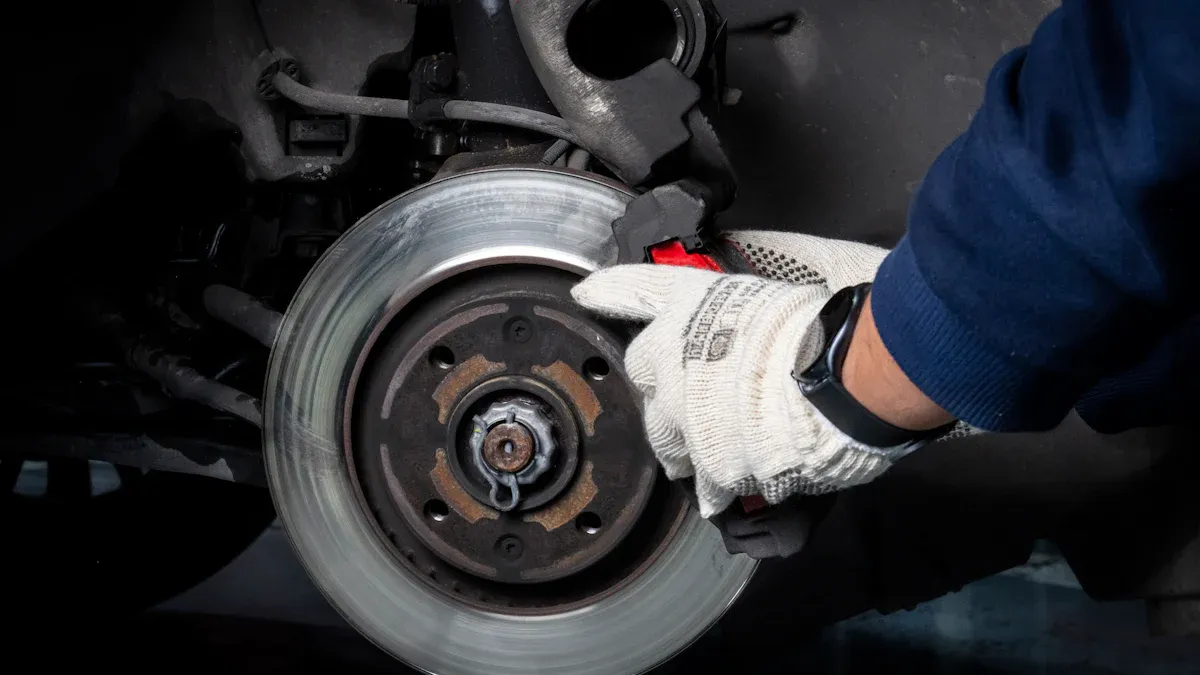
You have the correct parts for a perfect fitment. Now, you must perform the installation correctly. Proper installation ensures your wheel is securely attached to the hub. This process is critical for your vehicle’s safety and performance. Following these steps guarantees a secure wheel hub assembly.
Using a Torque Wrench is Non-Negotiable
You must use a torque wrench for the final tightening. An impact gun may seem fast, but it provides inconsistent force. This often leads to over-tightened screws that are difficult to remove and can damage your hub assembly. A torque wrench, however, applies a precise amount of rotational force. This stretches the screw correctly to create a strong, reliable clamping force on the hub.
Ignoring this step can lead to expensive damage and serious risks.
Once again, I 100% agree that a torque wrench should have been used in the 1st place. It costed me $160 to earn this experience, I hope this post save someone else’s lug studs 🙂
Incorrect torque has severe consequences for your wheel hub assembly.
| Consequence Type | Specific Effects |
|---|---|
| Under-torquing | Screws loosen, causing wobbles or wheel detachment. |
| Over-torquing | Strips threads, snaps screws, warps brake rotors, and damages the wheel. |
Finding Your Vehicle’s Torque Specification
Every vehicle has a specific torque value set by the manufacturer. You can find these official OEM specifications in your owner’s manual. This number is the target you will set on your torque wrench. It is important to note that this specification is for the vehicle’s hub and fasteners. The value does not change whether you have steel or alloy wheels. The correct torque ensures a secure mounting to the hub assembly.
The Star-Pattern Tightening Method
You must tighten the screws in a specific sequence for a balanced fitment. This is called the star or crisscross pattern. This installation method ensures the wheel makes even contact with the hub. Proper wheel mounting distributes pressure evenly across the wheel hub assembly.
Follow these steps for a secure mounting:
- Hand-tighten all screws until they are snug.
- Use your torque wrench to tighten the first screw to the specified value.
- Move to the screw directly across from it and tighten it.
- Continue this crisscross pattern until all screws are torqued.
This technique prevents wheel misalignment and is a fundamental part of a safe and professional installation.
Advanced Wheel Screw Options and Considerations
You can enhance your vehicle’s security and performance with special hardware. Advanced options address specific needs like theft prevention and custom wheel fitment. Understanding these parts helps you make informed decisions for your wheel hub assembly. Proper selection ensures a safe and reliable hub assembly.
Locking Screws for Theft Protection
You can protect your expensive performance wheels from theft. Locking wheel screws require a unique key for removal. This simple upgrade provides excellent security. Different designs offer various levels of protection.
| Locking Wheel Nut Type | Mechanism to Prevent Theft |
|---|---|
| Keyed Head | Uses a special socket that matches a unique pattern on the screw head. |
| Spinning Collar | Has a free-spinning sleeve that prevents tools from gripping the screw. |
| Shear Head Bolt | Designed to break off if a tool other than the matching key is used. |
Special Needs for Aftermarket Wheels
You must pay close attention to compatibility when installing aftermarket wheels. Factory parts may not work with your new wheels. The most common issue involves the screw’s seat. A mismatch between the screw and the wheel creates an unsafe wheel fitment.
There are three basic seat types you must match for a correct fitment:
- Conical Seat (cone shape)
- Spherical Seat (round or ball shape)
- Flat Washer (Mag Type)
Heads Up: Some aftermarket wheels use smaller screws than your stock parts. This can make your factory lug wrench incompatible. Always check the fitment of all components before you begin the mounting process.
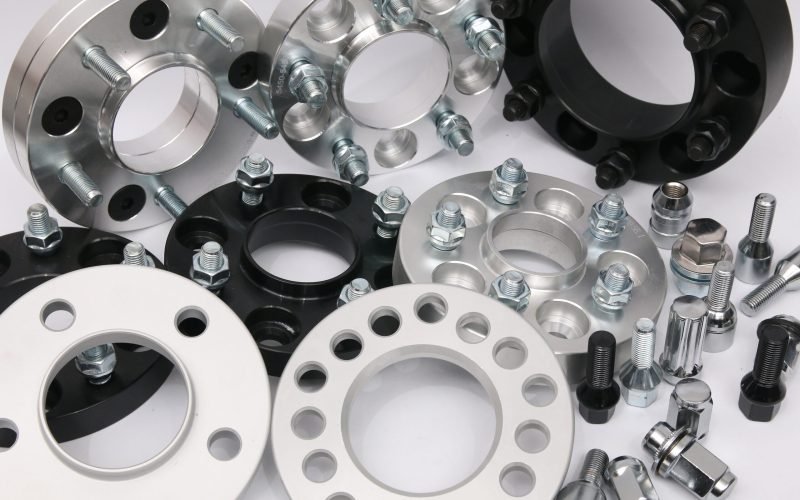
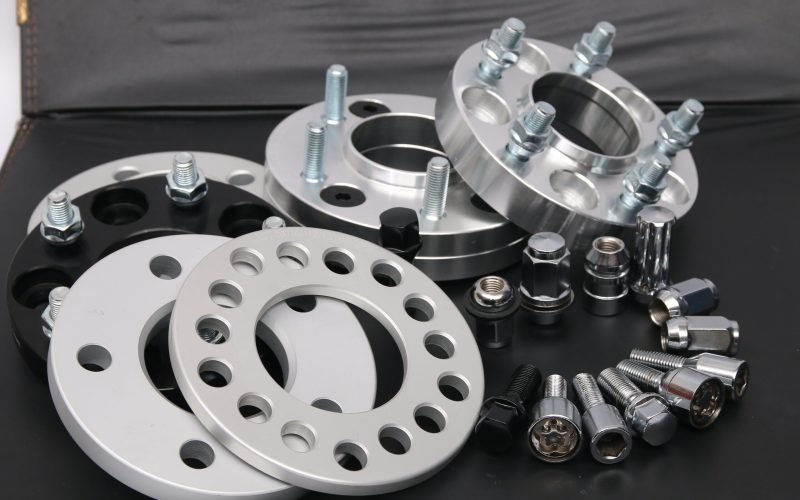
Adjusting Screw Length for Wheel Spacers
Wheel spacers push your wheels outward for a wider stance. This modification requires longer wheel screws. You must add the spacer’s thickness to your original screw length. This calculation ensures the new screw engages the hub threads deeply enough. A screw that is too short will not secure the wheel to the hub assembly. This creates a dangerous situation. The screw must pass through the wheel and spacer and still grip the hub securely. This proper fitment is essential for the performance and safety of your wheel hub assembly.
Troubleshooting a Bad Wheel Hub Assembly Connection
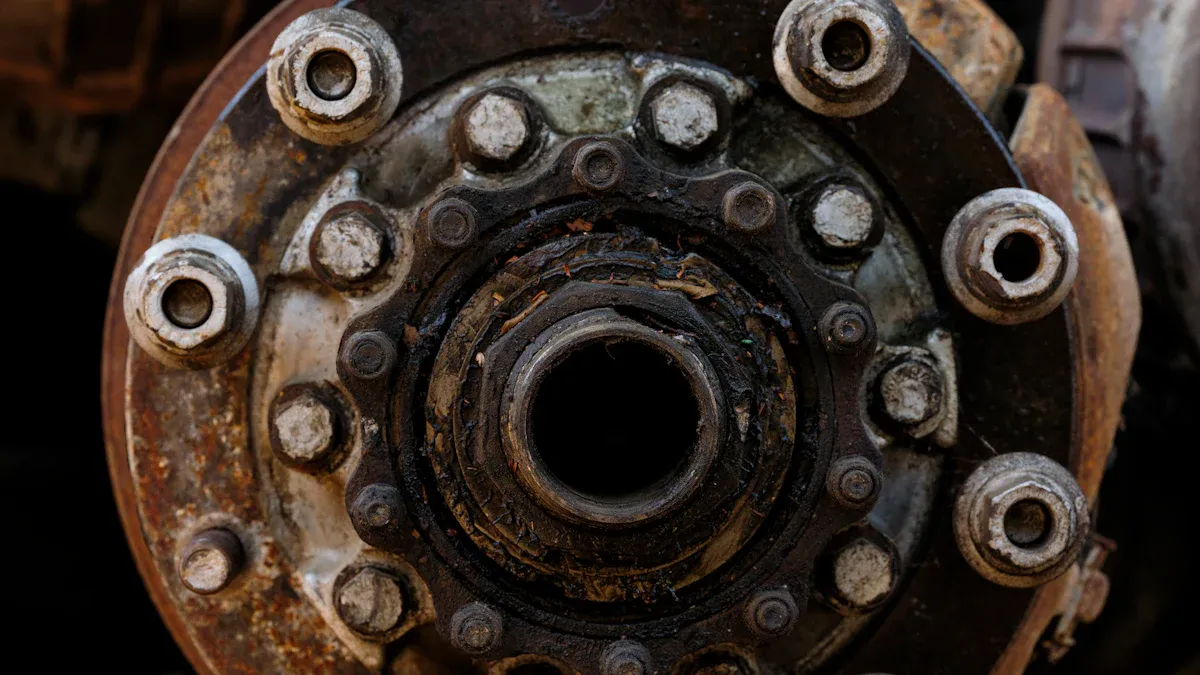
Even with the right parts, problems can arise. A bad wheel hub assembly connection compromises your safety and vehicle performance. You can identify issues by performing regular inspections. Knowing the signs of a failing wheel hub assembly helps you address problems before they become dangerous.
Inspecting Screw Threads for Damage
You should regularly inspect your wheel screws and hub for damage. A clean surface is essential for a secure fitment. Before you check the threads, you must prepare the area.
- Remove Debris: Use a stiff wire brush to clean the wheel’s mounting surfaces and the inside of the wheel hub. Remove all rust, dirt, and dust.
- Inspect Studs and Threads: Check the threads on your screws and hub. Look for any signs of damage or stretching.
- Clean Fasteners: Keep your screws clean. Dirt and rust can reduce the clamping force and lead to a loose wheel.
After cleaning, you can look for specific signs of thread damage. A damaged wheel hub screw is a clear sign of a problem.
- Mangled or flattened threads from forcing incorrect sizes together.
- A section of threads sliced poorly from installing the screw at an angle.
- An area where the raised threads are completely missing.
The Dangers of Over-Tightening
Using too much force when tightening your screws causes serious problems. Over-tightening is a common cause of a bad wheel hub assembly. The excessive force can stretch the screw studs, which deforms the threads. This prevents the screw from tightening properly and securing the wheel to the hub. This can also damage the wheel hub bearing.
Warning: ⚠️ Excessive torque can distort the hub’s contact surface. You might feel this as a vibration or pulse in the brake pedal when you stop. This is a symptom of a failing wheel hub assembly that needs immediate attention.
When to Replace Your Wheel Screws
You must replace any damaged parts to ensure a safe fitment. If you find any thread damage, stretching, or rust on your screws, replace them immediately. The integrity of your hub assembly depends on these small components. The same rule applies to the studs on your hub and bearing assembly. If you find more than two damaged studs on a single hub, you should replace all of them. This ensures the clamping force is distributed evenly across the entire wheel hub assembly.
You ensure a secure wheel mounting by always checking three key factors: thread size, seat type, and length. A safe installation requires a torque wrench and the correct star-pattern method. Following these professional guidelines from Fortune guarantees your vehicle’s safety. This proper process keeps your wheels securely attached for every drive.
FAQ
Can I reuse my old wheel screws? 🔩
You should avoid reusing old wheel screws. Each time you torque a screw, it stretches slightly. This process, called metal fatigue, weakens the screw over time. For maximum safety, you should always install new screws, especially when mounting new wheels to your hub assembly.
What happens if I use the wrong seat type?
You create an unsafe connection. A mismatched seat, like a cone screw in a ball seat wheel, makes very little contact. This concentrates all the force on a tiny point. The screw will loosen while driving and can damage your wheel or hub.
Do I need to re-torque my wheel screws after driving?
Yes, you should re-check the torque. After installing new wheels, drive for about 25 to 50 miles (40 to 80 km). The hardware can settle, causing a slight loss in clamping force. Re-torquing all screws to the correct specification ensures a secure fitment.
Quick Tip: This is a critical safety step that many people forget. Make it a habit after every wheel service to ensure your hub assembly remains secure.
Why do some cars use screws and others use nuts?
The choice is a manufacturer design preference. European cars often use wheel bolts that thread directly into the wheel hub. Many American and Asian vehicles use studs pressed into the hub. You then secure the wheel onto these studs using lug nuts.
 Request a quote